

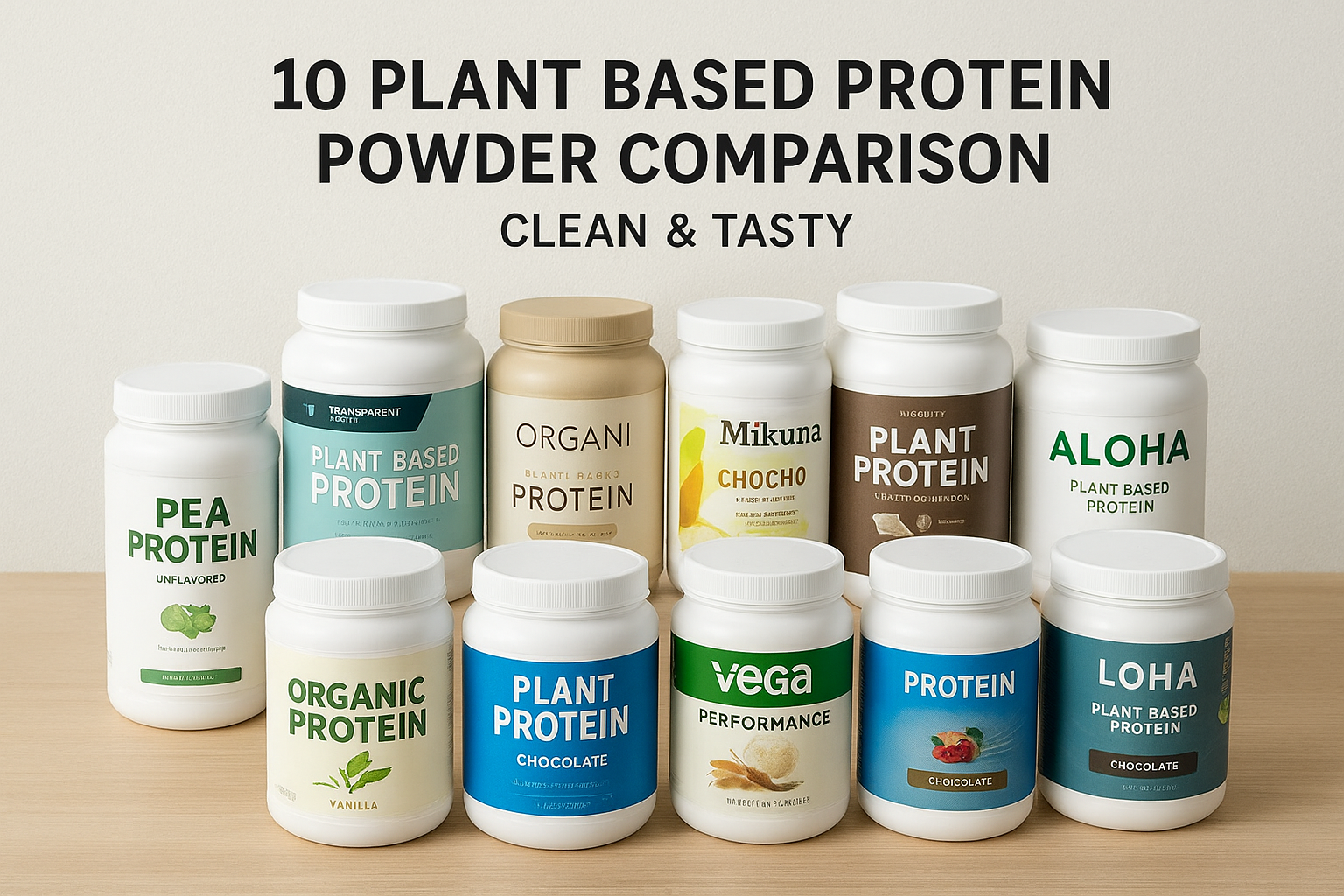
Not all plant-based protein powders are created equal. Some taste like chalky cardboard, others sneak in fillers and artificial sweeteners, and a few actually deliver on both nutrition and flavor. If you’ve ever stood in a store (or scrolled online) feeling overwhelmed by dozens of options, a proper plant based protein powder comparison is exactly what you need to cut through the noise and pick the right product for your body.
The problem is that most comparisons out there focus on marketing claims rather than what actually matters: ingredient transparency, protein quality, digestibility, and yes, taste. At Worganic Foods, we spend our time researching and testing organic, clean-label products so you don’t have to guess. We’ve put ten popular plant-based protein powders side by side, examining their nutritional profiles, sourcing practices, and how they actually perform in a glass or blended into a smoothie. Every product on this list meets our standard for clean ingredients you can feel good about.
Below, you’ll find a straightforward breakdown of each protein powder, what it does well, where it falls short, and who it’s best suited for. Whether you’re a longtime vegan athlete, someone with dairy sensitivities, or just starting to explore plant-based nutrition, this comparison will help you spend your money on a protein powder that actually fits your goals.
1. Transparent Labs Organic Plant-Based Protein Isolate
Transparent Labs sits at the top of many plant based protein powder comparison lists for a reason. The brand built its reputation on full ingredient disclosure, and their organic plant-based protein isolate delivers on that promise with a clean label and a nutritional profile that holds up under scrutiny.

Protein source and amino acid profile
This powder blends organic pea protein isolate and organic rice protein, creating a complete amino acid profile that covers all nine essential amino acids. The pea-rice combination compensates for the lysine gap found in rice and the methionine gap in pea protein, giving you a more balanced and bioavailable protein source than either ingredient can offer on its own.
Nutrition snapshot and key macros
Each serving delivers 28g of protein, 150 calories, 4g of carbohydrates, and 3g of fat. The protein-to-calorie ratio is strong, making this a practical daily option whether you’re actively building muscle or simply meeting a higher protein target.
Ingredients, sweeteners, and additives
The ingredient list is short and readable. Transparent Labs uses organic stevia as the sole sweetener, with no artificial flavors, synthetic colors, or fillers present. You won’t find maltodextrin, sucralose, or proprietary blends hiding behind vague catch-all labels.
When a protein powder lists fewer than ten ingredients and you can recognize every one of them, that’s a reliable signal of genuine transparency.
Allergen and diet fit
This powder is free from gluten, soy, and dairy, making it a solid fit for most common dietary restrictions. It carries certified organic status and is fully vegan-friendly, so it covers a broad range of needs without requiring workarounds or substitutions on your part.
Third-party testing and contaminant checks
Transparent Labs tests every batch through Informed Sport, one of the most respected third-party certification programs in the supplement industry. Every product gets screened for heavy metals, banned substances, and potential contaminants before it ships, which adds a meaningful layer of confidence for daily use.
Taste, mixability, and best uses
The chocolate flavor mixes cleanly in water with minimal clumping, and the stevia sweetness level stays moderate rather than overpowering. It works well in smoothies, overnight oats, and post-workout shakes. The vanilla version is slightly thinner in texture but still mixes without leaving gritty residue at the bottom of your glass.
Price per serving and value notes
At roughly $2.00 per serving, Transparent Labs sits firmly in the premium tier. You’re paying for certified organic sourcing, rigorous third-party testing, and a genuinely short ingredient list. For anyone who prioritizes ingredient quality and testing accountability over budget, the cost reflects legitimate value rather than brand markup.
2. Legion Plant+ Protein Powder
Legion is a supplement brand built around science-backed formulas and full ingredient transparency. Their Plant+ protein powder lands in this plant based protein powder comparison as a dependable pick for active people who want a clean, high-protein option without any animal-derived ingredients.
Protein source and amino acid profile
Plant+ relies on a pea and pumpkin seed protein blend to cover your essential amino acid needs. That combination plugs the key gaps each source carries on its own, delivering a more complete leucine and methionine profile than pea protein alone can offer.
Nutrition snapshot and key macros
Each serving provides 20g of protein at roughly 130 calories, with 7g of carbohydrates and 3.5g of fat. The protein-to-calorie ratio is slightly lower than top-tier isolates, but the macro balance still supports muscle recovery for most training goals.
Ingredients, sweeteners, and additives
Legion sweetens Plant+ with stevia and erythritol, keeping artificial additives out of the formula entirely. Every ingredient is listed with its exact amount, meaning no proprietary blends obscure what you’re actually consuming per serving.
When a brand shows precise ingredient amounts rather than a blended total, you can make genuinely informed decisions about your daily intake.
Allergen and diet fit
Plant+ is gluten-free and soy-free, which covers the most common dietary restrictions. It is fully vegan-certified, so it works cleanly for people avoiding dairy, eggs, or any animal-derived ingredients.
Third-party testing and contaminant checks
Legion tests through Labdoor, an independent lab that checks both label accuracy and heavy metal levels. That verification gives you solid confidence the product performs exactly as advertised.
Taste, mixability, and best uses
Both the chocolate and vanilla varieties mix smoothly in water or plant-based milk, leaving minimal grit. This powder performs best in post-workout shakes or blended smoothies where a lighter texture is preferred.
Price per serving and value notes
Expect to pay around $2.25 per serving, putting Plant+ firmly in the premium tier. The third-party testing and clean, transparent label justify that price for buyers who hold ingredient accountability as a top priority.
3. Vega Performance Protein Plus Recovery
Vega is one of the most recognized names in plant-based sports nutrition, and their Performance Protein Plus Recovery formula is built specifically for athletes who need more than basic protein replenishment after training. This product adds recovery-focused ingredients to a solid protein base, which sets it apart from standard options in this plant based protein powder comparison.
Protein source and amino acid profile
Vega sources protein from peas, brown rice, and alfalfa, combining all three to build a more complete essential amino acid profile. The blend leans heavily on pea protein for its leucine content, which plays a central role in triggering muscle protein synthesis after exercise.
Nutrition snapshot and key macros
Each serving delivers 30g of protein at approximately 160 calories, with 7g of carbohydrates and 4g of fat. That protein count ranks among the highest on this list, making it a strong option when your daily protein target is harder to hit through whole foods alone.
Ingredients, sweeteners, and additives
Vega uses stevia leaf extract as the primary sweetener and adds tart cherry and turmeric for post-workout recovery support. The formula avoids artificial colors and synthetic fillers, though the ingredient list runs longer than more minimalist competitors.
If recovery is as important to you as protein content, a formula that includes anti-inflammatory support is worth a slightly longer ingredient list.
Allergen and diet fit
This powder is gluten-free, soy-free, and fully vegan, meeting the needs of most plant-based eaters. It also carries non-GMO certification, which matters if you want to avoid genetically modified ingredients.
Third-party testing and contaminant checks
Vega certifies this product through NSF Certified for Sport, a rigorous program that screens for banned substances and verifies label accuracy. That certification holds particular weight for competitive athletes who face testing requirements.
Taste, mixability, and best uses
The chocolate flavor blends reasonably well in plant-based milk but can leave a slightly grainy texture in plain water. Your best results come from using it in blended smoothies with fruit or nut butter to balance the earthy undertone.
Price per serving and value notes
Vega Performance runs around $2.50 per serving, placing it at the higher end of this list. The added recovery ingredients partially justify the cost, but if you need only straightforward protein without extras, better value exists elsewhere.
4. Truvani Plant-Based Protein Powder
Truvani built its brand around a single idea: fewer ingredients, higher quality. Their plant-based protein powder earns its place in this plant based protein powder comparison because the formula strips everything back to the essentials without cutting corners on sourcing or transparency.

Protein source and amino acid profile
Truvani uses organic pea protein as its sole protein source. Pea protein delivers strong levels of branched-chain amino acids, especially leucine and arginine, though it runs low on methionine compared to blended formulas. For everyday protein goals, a well-sourced single-ingredient pea base still performs reliably.
Nutrition snapshot and key macros
Each serving provides 20g of protein at roughly 130 calories, with 4g of carbohydrates and 3g of fat. That breakdown suits both muscle maintenance and general wellness needs, though higher-output athletes may prefer a product with a larger per-serving protein count.
Ingredients, sweeteners, and additives
Truvani sweetens its formula with organic coconut sugar rather than stevia or erythritol, which produces a more natural flavor but adds a small amount of sugar per serving. The full ingredient list stays under six items, which is genuinely rare in this product category.
If stevia or sugar alcohols cause digestive discomfort for you, Truvani’s coconut sugar approach is a practical and clean alternative.
Allergen and diet fit
This powder is gluten-free, soy-free, and dairy-free, and it carries USDA Organic certification alongside full vegan status. Those credentials make it a straightforward fit across most common dietary restrictions.
Third-party testing and contaminant checks
Truvani tests for heavy metals and contaminants through independent labs and publishes those results openly. The brand does not carry NSF or Informed Sport certification, but the publicly available test data gives you a reasonable baseline of confidence.
Taste, mixability, and best uses
The chocolate flavor blends well in plant-based milk and smoothies, with a mild natural sweetness that most users find easy to enjoy. Mixing in plain water works but produces a thicker consistency than isolate-based powders typically deliver.
Price per serving and value notes
Truvani runs around $2.50 per serving, placing it in the premium range. The certified organic sourcing and minimal ingredient approach justify that cost if label simplicity and clean sweeteners sit high on your priority list.
5. Form Pureblend Protein
Form is a UK-based supplement brand that focuses on organic, plant-derived ingredients with minimal processing. Their Pureblend protein stands out in this plant based protein powder comparison for combining a thoughtful protein blend with clean sourcing and a straightforward approach to formulation.
Protein source and amino acid profile
Form Pureblend draws its protein from a pea, brown rice, and hemp blend, which together cover all nine essential amino acids more effectively than any single source can manage. The inclusion of hemp adds omega fatty acids and gives the overall amino acid profile a useful edge over pea-rice-only combinations.
Nutrition snapshot and key macros
Each serving delivers 25g of protein at around 140 calories, with 6g of carbohydrates and 3g of fat. That macro breakdown works well for both active recovery and daily protein maintenance, though it falls slightly short of the highest protein-per-serving options on this list.
Ingredients, sweeteners, and additives
Form uses coconut blossom sugar as its primary sweetener, which adds a subtle natural sweetness without artificial alternatives. The ingredient list is short and entirely plant-derived, with no synthetic flavors, artificial colors, or unnecessary fillers present.
A sweetener sourced from whole food origins tends to integrate more smoothly into the overall flavor profile than isolated sweetening agents.
Allergen and diet fit
Pureblend is gluten-free, soy-free, and fully vegan, and it carries certified organic status across its ingredient sourcing. That combination makes it accessible for most common dietary restrictions without requiring any adjustments.
Third-party testing and contaminant checks
Form tests through Informed Sport, covering banned substance screening and heavy metal verification on every production batch.
Taste, mixability, and best uses
The chocolate variety mixes well in plant-based milk and smoothies with a mild, rounded sweetness. Plain water works but produces a slightly denser texture.
Price per serving and value notes
Form Pureblend costs approximately $2.20 per serving, reflecting its organic sourcing and third-party testing credentials.
6. NorCal Organic Premium Pea Protein Isolate
NorCal Organic keeps things simple by focusing on a single, well-sourced ingredient rather than building a complex multi-protein blend. In this plant based protein powder comparison, the brand stands out for its minimalist approach and commitment to organic certification throughout the supply chain.
Protein source and amino acid profile
NorCal relies entirely on organic yellow pea protein isolate, which delivers a strong BCAA profile and ranks well for digestibility. Pea isolate runs low on methionine, so pairing this powder with complementary whole food sources like hemp seeds or quinoa throughout your day fills that amino acid gap effectively.
Nutrition snapshot and key macros
Each serving provides 27g of protein at roughly 110 calories, with 2g of carbohydrates and under 1g of fat. That lean macro profile makes it one of the higher protein-to-calorie ratios among pea-only powders on this list.
A low-fat, low-carb isolate works particularly well when you want to hit a protein target without adding significant calories to your daily intake.
Ingredients, sweeteners, and additives
The formula contains one ingredient: organic pea protein isolate. No sweeteners, no flavors, no fillers. That makes NorCal an excellent base for smoothies, baked goods, or recipes where you control every other flavor element yourself.
Allergen and diet fit
This powder is soy-free, gluten-free, and dairy-free, carrying full USDA Organic certification and vegan status. Its single-ingredient nature also makes it a safe choice for people managing multiple food sensitivities.
Third-party testing and contaminant checks
NorCal tests each batch for heavy metals and microbial contaminants through independent labs, with results available on request.
Taste, mixability, and best uses
The unflavored version blends cleanly into smoothies and oatmeal with a mild, neutral taste. It works best when combined with other ingredients rather than mixed in water alone.
Price per serving and value notes
At around $1.50 per serving, NorCal offers genuine value for a certified organic isolate with a completely clean label.
7. Mikuna Chocho Protein Powder
Mikuna brings something genuinely different to this plant based protein powder comparison: a protein source most people have never encountered. Chocho, also known as the Andean lupin bean, is a South American legume that delivers a nutritional profile strong enough to challenge more familiar options on this list.

Protein source and amino acid profile
Mikuna uses single-source chocho protein from Ecuador, and the plant naturally provides all nine essential amino acids without requiring blending with a secondary source. That puts chocho in a small category of complete plant proteins alongside soy and quinoa, which makes Mikuna stand out structurally from most other products here.
Nutrition snapshot and key macros
Each serving delivers 20g of protein at approximately 100 calories, with 3g of carbohydrates and 2g of fat. That lean profile gives you a high protein-to-calorie ratio, particularly useful if you’re working within a specific calorie target while still prioritizing daily protein intake.
Ingredients, sweeteners, and additives
Mikuna sweetens with organic coconut sugar, keeping the formula free from stevia, artificial flavors, and sugar alcohols. The ingredient list stays minimal, typically running under five total ingredients, which reflects the brand’s commitment to whole-food simplicity.
When your protein powder uses fewer ingredients than most breakfast cereals, that signals genuine formulation discipline.
Allergen and diet fit
Mikuna is soy-free, gluten-free, and fully vegan. However, chocho is a lupin bean, and anyone with peanut or legume sensitivities should consult a healthcare provider before using it, as cross-reactivity is possible in sensitive individuals.
Third-party testing and contaminant checks
Mikuna conducts independent lab testing for heavy metals and contaminants, with results available through the brand directly.
Taste, mixability, and best uses
The chocolate variety blends cleanly into plant-based milk and smoothies, with a mild, slightly nutty sweetness that most users find easy to enjoy daily.
Price per serving and value notes
Mikuna costs around $2.30 per serving, a fair price for a certified organic, single-source complete protein with a genuinely short ingredient list.
8. Aloha Organic Plant-Based Protein Powder
Aloha takes a consumer-friendly approach to plant-based nutrition, combining certified organic sourcing with flavors designed to fit your daily routine rather than just post-workout recovery. This product earns its place in this plant based protein powder comparison by delivering a well-rounded formula at an accessible price point.
Protein source and amino acid profile
The formula blends pea protein, brown rice protein, and hemp protein to cover the full essential amino acid spectrum. That three-source combination addresses the specific amino acid gaps each plant protein carries on its own, making the overall blend more bioavailable than a single-source pea powder typically delivers.
Nutrition snapshot and key macros
Each serving provides 18g of protein at roughly 150 calories, with 7g of carbohydrates and 5g of fat. The fat content runs slightly higher than isolate-based options, largely because the hemp protein inclusion contributes beneficial omega fatty acids alongside that calorie increase.
Ingredients, sweeteners, and additives
This powder uses coconut sugar and stevia leaf as its sweetening agents, keeping the approach natural while avoiding artificial additives. The ingredient list stays short and fully organic, with no synthetic flavors or fillers present.
When a formula combines two natural sweeteners rather than relying on high-intensity isolates alone, the flavor balance tends to be more approachable for daily use.
Allergen and diet fit
Aloha is soy-free, gluten-free, and fully vegan, and it carries USDA Organic certification, making it a reliable fit for most common dietary restrictions.
Third-party testing and contaminant checks
The brand tests each batch through independent third-party labs for heavy metals and microbial contaminants, with results published on their website for consumer review.
Taste, mixability, and best uses
Both the chocolate and vanilla flavors mix smoothly in plant-based milk and smoothies, with a mild sweetness that works for post-workout shakes and everyday snacking alike.
Price per serving and value notes
At around $2.00 per serving, Aloha delivers certified organic ingredients at a price more accessible than several competitors on this list.
9. Orgain Organic Protein Powder
Orgain is one of the most widely available plant-based protein brands in the US, stocked in grocery stores, pharmacies, and online. Their organic protein powder earns a spot in this plant based protein powder comparison as the most accessible entry point for someone new to plant-based supplementation.
Protein source and amino acid profile
Orgain blends organic pea protein, brown rice protein, and chia seeds to build its amino acid profile. That combination covers the essential amino acids reasonably well, though the overall concentration of leucine runs lower than what you’d find in a dedicated pea isolate.
Nutrition snapshot and key macros
Each serving delivers 21g of protein at roughly 150 calories, with 15g of carbohydrates and 4g of fat. The carbohydrate count is noticeably higher than most competitors on this list, which matters if you’re closely monitoring net carbs or following a lower-carb eating pattern.
Ingredients, sweeteners, and additives
Orgain uses organic cane sugar and organic stevia leaf as its sweeteners. The ingredient list is longer than minimalist competitors, including organic acacia and organic inulin as fiber sources, so it reads more like a meal replacement hybrid than a straight protein powder.
If your goal is pure protein without extra carbohydrates or functional additives, Orgain’s formula may deliver more than you need in a single scoop.
Allergen and diet fit
This powder is soy-free, gluten-free, and fully vegan, carrying USDA Organic certification across its ingredient sourcing, which makes it accessible for most common dietary restrictions.
Third-party testing and contaminant checks
Orgain conducts third-party testing for heavy metals and contaminants, with results available through their website for consumer review.
Taste, mixability, and best uses
The chocolate flavor mixes smoothly in plant-based milk and smoothies, with a sweeter taste profile that most users find approachable for daily use.
Price per serving and value notes
At approximately $1.50 per serving, Orgain offers strong value for a certified organic product, making it a practical starting point for budget-conscious buyers.
10. Huel Complete Protein
Huel positions itself as a nutrition science company rather than a traditional supplement brand, and their Complete Protein reflects that focus by combining functional protein delivery with a short, considered ingredient list. This product closes out our plant based protein powder comparison as a strong option for those who want precision alongside clean sourcing.
Protein source and amino acid profile
The protein blend draws from pea and brown rice protein to achieve a complete essential amino acid profile. The ratio between the two sources is calibrated to optimize leucine availability, which directly supports muscle protein synthesis after training.
Nutrition snapshot and key macros
Each serving delivers 20g of protein at approximately 100 calories, with just 4g of carbohydrates and 1.5g of fat. That lean macro profile gives you one of the better protein-to-calorie ratios on this entire list.
A formula hitting 20g of protein at only 100 calories leaves you meaningful room to build the rest of your meals without exceeding your daily calorie target.
Ingredients, sweeteners, and additives
The formula uses stevia leaf extract as the sole sweetener, keeping artificial alternatives and sugar alcohols out entirely. The ingredient list stays short, with no synthetic flavors or unnecessary fillers added.
Allergen and diet fit
This powder is soy-free, gluten-free, and fully vegan, meeting requirements across most common dietary restrictions. It does not carry USDA Organic certification, which is worth noting if certified organic sourcing is a firm requirement for your purchase.
Third-party testing and contaminant checks
Every batch goes through independent third-party lab testing for heavy metals and contaminants, with results accessible through the Huel website for consumer review.
Taste, mixability, and best uses
Both the vanilla and chocolate flavors blend smoothly in plant-based milk or water with minimal grittiness remaining. This powder works especially well in shaker bottles for quick post-workout use or blended directly into smoothies.
Price per serving and value notes
Huel Complete Protein costs around $1.80 per serving, offering solid value for a clean, well-tested formula with a high protein-to-calorie ratio.

Your Next Step
This plant based protein powder comparison gives you a concrete starting point, but the right choice still depends on your specific priorities. If ingredient transparency is your top concern, Transparent Labs or NorCal Organic are hard to beat. If you want the highest protein per serving for active recovery, Vega Performance or Transparent Labs pull ahead. If budget matters, Orgain and NorCal deliver solid certified organic formulas without the premium price tag.
Your goal is to match the product to your actual life, not just the best-looking label. Look at the protein source, sweetener type, and third-party testing credentials before committing to a purchase. Once you find a powder that fits, you’ll stop cycling through options and start seeing consistent daily results instead.
For more guidance on building a cleaner, more intentional approach to nutrition, explore organic food and wellness resources at Worganic Foods and find products that support your goals without compromising on quality.
Discover more from Woganic Blog
Subscribe to get the latest posts sent to your email.
Leave a Reply
Your email is safe with us.