
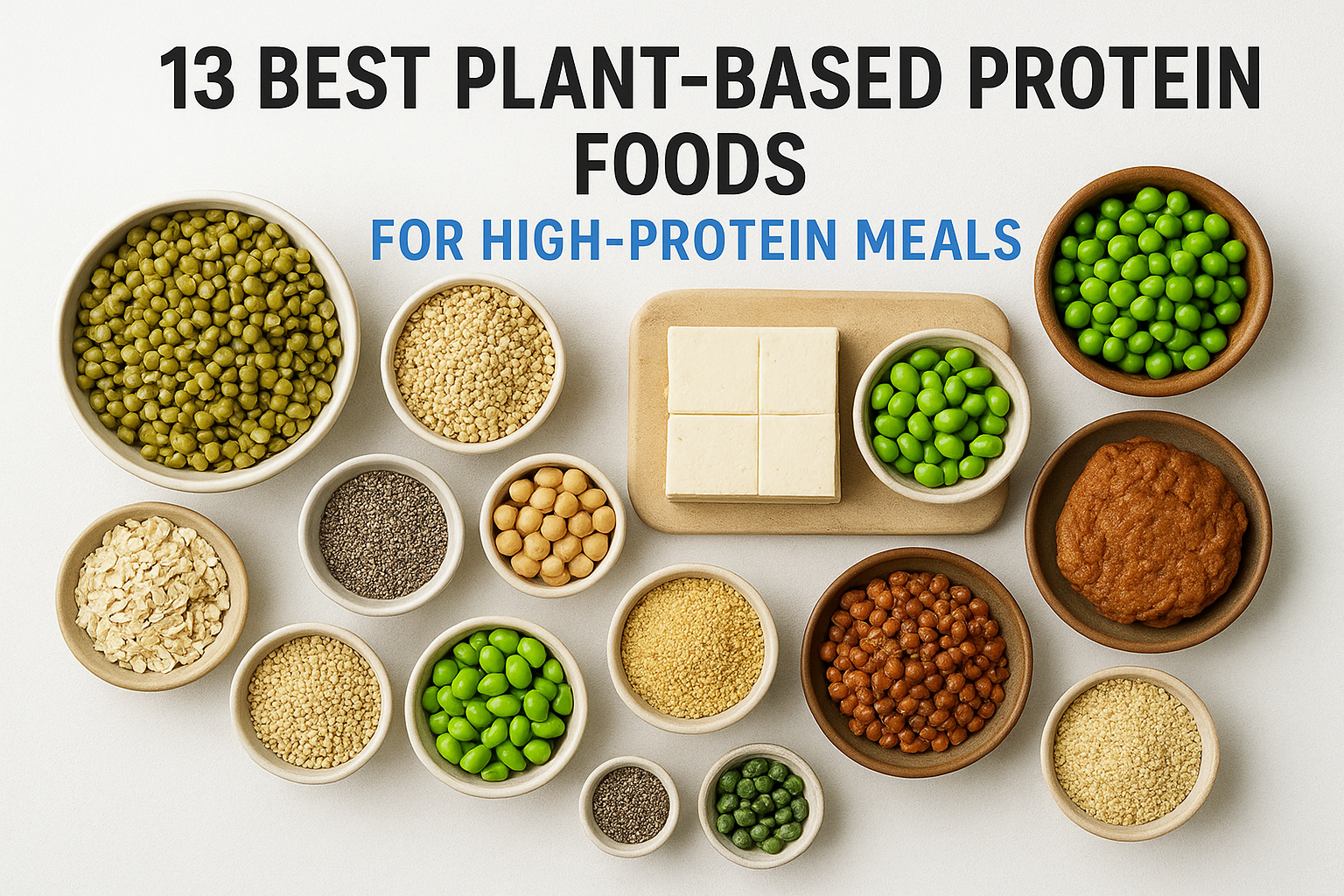
Getting enough protein without meat is simpler than most people think, you just need to know where to look. Whether you’re fully plant-based, cutting back on animal products, or just curious about adding more variety to your plate, the best plant based protein foods deliver serious nutritional value without compromise. Many of these sources pack fiber, vitamins, and minerals that meat simply can’t match.
At Worganic Foods, we spend a lot of time exploring how organic, whole-food ingredients can power a healthier diet. Protein is one of the first concerns people raise when shifting toward plant-based eating, and it’s a fair question. The good news? Plants have you covered, and the options go well beyond a sad block of tofu. From pantry staples to lesser-known powerhouses, there’s a wide range of foods that make hitting your protein goals genuinely easy.
This list breaks down 13 high-protein plant foods worth building meals around. For each one, you’ll get the protein count, what makes it stand out nutritionally, and practical ways to use it in everyday cooking. No gimmicks, no filler, just reliable picks that earn their spot on your grocery list.
1. Lentils
Lentils are one of the most protein-dense legumes you can add to your diet, and they work in nearly every cuisine. They come in several varieties including green, brown, red, and black, each with slightly different textures and cooking times, but all deliver comparable nutrition at a very low cost.
Protein and serving size
One cooked cup of lentils (about 198g) gives you roughly 18 grams of protein along with 15 grams of fiber. That’s a substantial contribution to your daily needs from a single ingredient. Red lentils cook fastest and break down into a creamy texture, while green and brown lentils hold their shape better for heartier dishes.
Why it earns a spot
Lentils belong among the best plant based protein foods because they deliver protein, iron, and folate in one affordable package. Iron from lentils is non-heme iron, and your body absorbs it more efficiently when you pair it with a vitamin C source. They also rank low on the glycemic index, which means they won’t spike your blood sugar the way refined carbs do.
Lentils are one of the few plant foods that deliver meaningful iron alongside their protein, making them especially valuable if you’re reducing or eliminating meat.
Easy ways to use it
You can use lentils in soups, stews, curries, salads, and grain bowls. Red lentils dissolve into a thick, creamy base that works perfectly for dal or blended soups, while green or brown lentils hold up well in cold salads or as a meat substitute in tacos and bolognese. They require no soaking and cook in 20 to 30 minutes.
Pairing tips for complete protein
Lentils are not a complete protein on their own because they’re low in methionine, one of the essential amino acids. Pair them with a grain like rice, bread, or oats to cover the full amino acid spectrum. Combining lentils with whole grains throughout the day gives your body everything it needs.
Buying, storing, and prep notes
Dry lentils bought in bulk offer the best value, but canned lentils with no added salt work well for convenience. Dry lentils last up to a year in a sealed container stored in a cool, dark pantry. Rinse them before cooking and skip the soak entirely.
Who should be careful
People with irritable bowel syndrome (IBS) or sensitivity to FODMAPs may find lentils trigger bloating or discomfort. Starting with smaller portions and rinsing canned lentils thoroughly can reduce the issue. Anyone taking blood thinners should also note that lentils are high in vitamin K, so keeping your intake consistent matters more than avoiding them altogether.
2. Tofu, tempeh, and edamame
Soy gives you three distinct foods from one plant, and all three rank among the best plant based protein foods you can find. Tofu, tempeh, and edamame each bring a different texture and flavor, so you can rotate them across a wide range of meals without repetition.

Protein and serving size
A half-cup of firm tofu delivers around 10 grams of protein, while the same amount of tempeh provides roughly 15 to 16 grams. Edamame offers about 9 grams per half cup, making all three solid contributors to your daily protein total.
Why it earns a spot
All three foods contain all nine essential amino acids, making them complete proteins by definition. Tempeh also undergoes fermentation, which boosts digestibility and introduces beneficial probiotics that support gut health alongside your protein intake.
Soy is one of the only plant proteins that qualifies as complete without any pairing required, which makes hitting your amino acid targets noticeably simpler.
Easy ways to use it
Use firm or extra-firm tofu in stir-fries, grain bowls, or bake it until crispy for a satisfying texture. Tempeh crumbles well into tacos or can be sliced and pan-fried. Edamame makes a quick high-protein snack or adds bulk to salads and noodle dishes.
Pairing tips for complete protein
Since all three are already complete proteins, no strategic pairing is required. You can still combine them with whole grains or vegetables to add fiber, vitamins, and a more nutritionally balanced plate overall.
Buying, storing, and prep notes
Choose non-GMO certified or organic soy products when possible. Opened tofu keeps in the fridge for up to five days stored submerged in fresh water. Tempeh stays fresh refrigerated for several weeks before you open it.
Who should be careful
Anyone with a soy allergy should avoid all three entirely. People managing thyroid conditions may want to speak with their doctor, since large amounts of soy can interfere with thyroid hormone absorption in some individuals.
3. Beans
Beans are a pantry staple that delivers solid protein without requiring much effort or expense. Whether you reach for black beans, kidney beans, navy beans, or pinto beans, each variety brings solid nutrition and a satisfying texture that holds up across many recipes.
Protein and serving size
One cooked cup of beans gives you between 13 and 17 grams of protein depending on the variety. Black beans land around 15 grams per cup, while kidney beans come in close at roughly 13 grams. You also get a solid dose of fiber at the same time.
Why it earns a spot
Beans rank among the best plant based protein foods because they deliver protein alongside a wide range of micronutrients, including potassium, magnesium, and folate. Research consistently links regular bean consumption to lower LDL cholesterol levels and better blood sugar management.
Eating beans several times a week can meaningfully shift your nutrient intake without adding complexity to your meals.
Easy ways to use it
Add beans to soups, chilis, and grain bowls for an easy protein boost. Mash them into a spread for toast or use them as a base for homemade veggie burgers and tacos.
Pairing tips for complete protein
Beans are low in methionine, so pairing them with rice, corn tortillas, or oats fills out the amino acid profile. This combination forms the nutritional backbone of many traditional cuisines worldwide.
Buying, storing, and prep notes
Dried beans offer the best value, but canned low-sodium beans save time on busy nights. Keep dried beans in a sealed container for up to one year.
Who should be careful
People with digestive sensitivities or IBS may find beans trigger bloating. Soaking dried beans overnight and rinsing canned beans thoroughly helps reduce the compounds responsible for gas.
4. Chickpeas
Chickpeas, also called garbanzo beans, are one of the most versatile legumes in any kitchen. Whether you roast them crispy, blend them smooth, or toss them into a salad, chickpeas bring substantial protein and fiber to your plate with minimal effort.
Protein and serving size
One cooked cup of chickpeas (about 164g) delivers roughly 15 grams of protein along with 12 grams of fiber. That combination keeps you full longer and supports steady energy levels throughout the day.
Why it earns a spot
Chickpeas rank among the best plant based protein foods because they supply folate, iron, and manganese alongside their protein content. Studies link regular chickpea consumption to improved blood sugar control and reduced LDL cholesterol.
Chickpeas offer one of the most nutrient-dense profiles in the legume family, giving you meaningful protein without a heavy calorie load.
Easy ways to use it
You can blend chickpeas into hummus, toss them in olive oil and roast until crispy, or stir them into curries, soups, and grain bowls. They also hold up well in cold pasta salads and wraps.
Pairing tips for complete protein
Chickpeas are low in methionine, so pair them with grains like rice, pita, or quinoa to round out the amino acid profile. Combining them with whole grains throughout the day covers your essential amino acid needs without any complicated planning.
Buying, storing, and prep notes
Reach for dried or canned low-sodium chickpeas based on how much time you have. Canned versions are ready immediately after rinsing, while dried chickpeas need an overnight soak and roughly 45 to 60 minutes of cooking time.
Who should be careful
People with digestive sensitivities or FODMAP intolerance may experience bloating after eating chickpeas. Rinsing canned chickpeas thoroughly and starting with smaller portions helps reduce that discomfort significantly.
5. Seitan
Seitan is made from wheat gluten, the protein left behind after you wash away the starch from wheat dough. The result is a dense, chewy protein source that mimics the texture of meat more closely than almost any other plant food, which makes it a strong choice for people moving away from animal products.

Protein and serving size
A 3.5-ounce (100g) serving of seitan contains around 25 grams of protein, placing it among the highest-protein plant foods by weight. That rivals chicken breast gram for gram, which is why it earns a consistent place in high-protein plant-based meals.
Why it earns a spot
Among the best plant based protein foods, seitan stands out because of its sheer protein density and its ability to take on bold flavors and hearty textures that satisfy in ways most legumes simply cannot.
Few plant foods match seitan’s protein-per-serving ratio, making it especially useful when you need to hit higher daily protein targets.
Easy ways to use it
You can slice, crumble, or shred seitan and use it in stir-fries, sandwiches, tacos, and stews. Pan-frying gives it a satisfying crust, while slow-cooking lets it absorb sauces deeply.
Pairing tips for complete protein
Seitan is low in lysine, so pair it with legumes like lentils or chickpeas to fill the amino acid gap and build a more complete nutritional profile across your meals.
Buying, storing, and prep notes
Pre-made seitan is available at most natural food stores, or you can make it from vital wheat gluten flour at home. Refrigerate leftovers stored in broth for up to five days.
Who should be careful
Anyone with celiac disease or gluten sensitivity must avoid seitan entirely, as it is almost pure gluten. People with wheat allergies should also steer clear without exception.
6. Green peas
Green peas often get dismissed as a side dish, but they deserve a closer look as one of the best plant based protein foods hiding in plain sight. They’re widely available, affordable, and nutritious enough to pull real weight in a high-protein meal plan.
Protein and serving size
One cooked cup of green peas (about 160g) delivers roughly 8 to 9 grams of protein, which is higher than most people expect from a vegetable. You also get 6 grams of fiber and a solid dose of vitamins C and K in the same serving.
Why it earns a spot
Green peas stand out because they supply meaningful protein alongside antioxidants and anti-inflammatory compounds that most legumes don’t offer in the same concentration. They also digest more gently than beans for many people, making them a practical option for those with sensitive stomachs.
Green peas bring a nutrient density that far outpaces their reputation as a basic freezer vegetable.
Easy ways to use it
Stir green peas into pasta dishes, grain bowls, soups, and fried rice for a quick protein boost. You can also blend them into a smooth spread with mint and garlic for a fresh, high-protein dip.
Pairing tips for complete protein
Green peas are low in methionine, so combining them with a grain like rice or oats rounds out the amino acid profile effectively throughout the day.
Buying, storing, and prep notes
Frozen green peas retain nearly all their nutrition and require no prep beyond thawing. Fresh peas work well in season, while canned versions are fine if you rinse them first.
Who should be careful
People with FODMAP sensitivities may find green peas trigger bloating in larger amounts. Starting with half-cup portions and increasing gradually helps your digestive system adjust without discomfort.
7. Quinoa
Quinoa stands apart from most grains because it functions as a complete protein on its own. It cooks in about 15 minutes, stores well, and fits into a wide range of meals without much effort.
Protein and serving size
One cooked cup of quinoa (about 185g) delivers roughly 8 grams of protein alongside 5 grams of fiber. It also provides iron, magnesium, and manganese, giving you considerably more nutritional value than most grains per serving.
Why it earns a spot
Quinoa belongs among the best plant based protein foods because it contains all nine essential amino acids, which is genuinely rare for a plant source. Unlike most grains, you don’t need to pair it with a legume to build a complete protein meal.
Quinoa’s complete amino acid profile makes it one of the most self-sufficient protein sources in plant-based eating.
Easy ways to use it
Use quinoa as a base for grain bowls, stir it into soups, or cook it like oatmeal with fruit and nuts for a high-protein breakfast. It holds its texture well after refrigeration, making it a practical meal-prep ingredient throughout the week.
Pairing tips for complete protein
Since quinoa is already a complete protein, no strategic pairing is required. Adding legumes or vegetables simply broadens your nutrient variety without correcting any amino acid gaps.
Buying, storing, and prep notes
Buy pre-rinsed quinoa to skip washing off the bitter saponin coating. Store dry quinoa in a sealed container for up to three years in a cool, dark pantry.
Who should be careful
People with kidney disease should monitor quinoa intake because it contains oxalates, which can contribute to kidney stones in sensitive individuals. Rinsing quinoa thoroughly reduces oxalate content slightly before cooking.
8. Amaranth
Amaranth is an ancient grain that most people walk right past at the store, but it belongs on any list of the best plant based protein foods. It has a slightly nutty, earthy flavor and a texture that works well both as a porridge and as a base for savory dishes.

Protein and serving size
One cooked cup of amaranth (about 246g) delivers roughly 9 grams of protein and 5 grams of fiber. It also provides iron, calcium, and magnesium in amounts that outperform most grains, giving you a strong nutritional return per serving.
Why it earns a spot
Like quinoa, amaranth contains all nine essential amino acids, making it a complete protein. That’s uncommon in the grain category, and it means you can rely on amaranth as a standalone protein base without always needing to pair it strategically.
Amaranth’s complete amino acid profile makes it one of the most underrated protein sources in plant-based eating.
Easy ways to use it
Cook amaranth like oatmeal with cinnamon and fruit for a high-protein breakfast, or simmer it in broth as a savory grain base for bowls and soups. It also pops like popcorn when heated dry in a skillet.
Pairing tips for complete protein
Since amaranth is already a complete protein, no strategic pairing is required. Adding legumes or leafy greens simply expands your overall nutrient variety without correcting any amino acid gaps.
Buying, storing, and prep notes
Buy amaranth from the bulk section or packaged grain aisle of natural food stores. Store it in a sealed container in a cool, dry pantry for up to one year.
Who should be careful
People managing kidney disease should be mindful, since amaranth contains oxalates that may contribute to kidney stones. Rinsing before cooking reduces oxalate content slightly.
9. Hemp seeds
Hemp seeds are a small but powerful addition to your plate. They carry a mild, nutty flavor and a soft texture that blends easily into both sweet and savory dishes, making them one of the more effortless options among the best plant based protein foods.
Protein and serving size
Three tablespoons of hemp seeds (about 30g) deliver roughly 10 grams of protein, which is exceptional for such a small volume. That same serving also provides omega-3 and omega-6 fatty acids in a well-balanced ratio that supports heart and brain health.
Why it earns a spot
Hemp seeds contain all nine essential amino acids, making them a complete protein you can use without any strategic pairing. They also deliver magnesium, zinc, and iron, which are nutrients that matter especially when you’re building meals without meat.
Hemp seeds are one of the few whole food sources that provide complete protein and beneficial fats in a single small serving.
Easy ways to use it
Sprinkle hemp seeds over smoothie bowls, oatmeal, or salads for an instant protein boost. Stirring them into soups or grain bowls works just as well since they require no cooking and hold their nutritional value at room temperature.
Pairing tips for complete protein
Since hemp seeds are already a complete protein, no pairing is required. Adding them alongside legumes or leafy greens simply broadens your overall nutrient variety without addressing any amino acid gaps.
Buying, storing, and prep notes
Look for hulled hemp seeds, also called hemp hearts, in the natural foods aisle or bulk section. Store them in a sealed container in the refrigerator to prevent the oils from going rancid, where they keep for up to one year.
Who should be careful
People taking blood thinners or immunosuppressants should check with their doctor before adding large amounts, since the high omega-3 content may interact with certain medications. Those with seed allergies should also introduce hemp seeds slowly and in small amounts.
10. Chia seeds
Chia seeds pack impressive nutrition into a small package. They absorb up to ten times their weight in liquid, creating a gel texture that opens up cooking uses most seeds simply can’t match.
Protein and serving size
Two tablespoons (28g) deliver roughly 5 grams of protein alongside 10 grams of fiber and solid amounts of calcium and manganese. That fiber content makes chia one of the most filling additions you can make to any meal for its size.
Why it earns a spot
Chia seeds rank among the best plant based protein foods because they supply complete protein alongside omega-3 fatty acids and antioxidants that support long-term health. Their gel-forming quality slows digestion and helps keep your blood sugar stable after eating.
Chia seeds deliver complete protein, meaningful omega-3s, and more calcium per gram than dairy milk, making them a dense nutritional addition for their size.
Easy ways to use it
Stir chia seeds into oatmeal, smoothies, or yogurt, or mix them with plant milk overnight for chia pudding. You can also combine one tablespoon with three tablespoons of water, let it gel for five minutes, and use it as an egg substitute in baking.
Pairing tips for complete protein
Since chia seeds contain all nine essential amino acids, no strategic pairing is needed. Adding them alongside nuts or grains simply broadens your overall nutrient variety without correcting any gaps.
Buying, storing, and prep notes
Buy whole chia seeds from the bulk bin or natural foods aisle and store them in a sealed container at room temperature for up to two years.
Who should be careful
People taking blood thinners should use chia seeds in moderation, since high omega-3 intake may amplify anticoagulant effects. Always mix chia seeds with liquid before eating them, as dry seeds can expand in the throat and pose a choking risk.
11. Nuts and nut butter
Nuts and nut butters bring protein, healthy fats, and a satisfying texture to plant-based meals without requiring any cooking. Whether you reach for almonds, cashews, walnuts, or peanut butter, each option adds meaningful nutrition to snacks, sauces, and main dishes alike.

Protein and serving size
A one-ounce serving of almonds (about 23 nuts) provides roughly 6 grams of protein, while two tablespoons of peanut butter deliver around 7 to 8 grams. Cashews and walnuts come in slightly lower but still contribute meaningfully across a full day of eating.
Why it earns a spot
Nuts rank among the best plant based protein foods because they combine protein with heart-healthy unsaturated fats, vitamin E, and magnesium. Regular nut consumption links to lower cardiovascular disease risk and better long-term metabolic health.
Nuts deliver protein alongside fats and micronutrients that support heart health in ways most other protein sources simply don’t replicate.
Easy ways to use it
Spread nut butter on whole-grain toast, blend it into smoothies, or stir it into sauces for noodle dishes and grain bowls. Whole nuts work well as snacks, salad toppers, or granola mix-ins without any prep required.
Pairing tips for complete protein
Most nuts are low in lysine, so combining them with legumes like lentils or chickpeas fills the amino acid gap across your meals throughout the day.
Buying, storing, and prep notes
Choose unsalted, minimally processed nuts and natural nut butters with no added oils or sugar. Store nuts in a sealed container in the refrigerator to prevent the fats from going rancid.
Who should be careful
People managing tree nut or peanut allergies must avoid this category entirely. Those watching calorie intake should stick to measured portions since nuts are calorie-dense despite their nutritional value.
12. Oats
Oats are a breakfast fixture for good reason, but most people underestimate how much protein they contribute to a plant-based diet. They’re affordable and widely available, and flexible enough to show up in everything from morning bowls to baked goods and savory dishes.
Protein and serving size
One cooked cup of oats (about 234g) delivers roughly 6 grams of protein alongside 4 grams of fiber. Dry rolled oats pack more protein per cup at around 10 to 11 grams, so measuring before cooking gives you a clearer picture of what you’re actually consuming in each meal.
Why it earns a spot
Oats rank among the best plant based protein foods because they supply a unique soluble fiber called beta-glucan, which supports healthy cholesterol levels and steady blood sugar alongside their protein content.
Beta-glucan in oats is one of the most well-studied dietary fibers for cardiovascular and metabolic health benefits.
Easy ways to use it
Cook oats into overnight oats or stovetop porridge with nut butter and seeds for a high-protein breakfast. Blending rolled oats into homemade protein bars, energy balls, or pancake batter adds extra nutrition without much effort on your part.
Pairing tips for complete protein
Oats are low in lysine, so pairing them with hemp seeds, peanut butter, or legumes throughout your day fills the amino acid gap and rounds out your overall protein quality effectively.
Buying, storing, and prep notes
Choose rolled or steel-cut oats over instant varieties, which often contain added sugar. Store dry oats in a sealed container in a cool pantry for up to one year.
Who should be careful
People with celiac disease should look for oats specifically labeled gluten-free, since standard oats are often processed in facilities that handle wheat and carry a real cross-contamination risk.
13. Nutritional yeast
Nutritional yeast is a deactivated yeast with a cheesy, savory flavor that works across a surprisingly wide range of dishes. It’s a staple in plant-based kitchens for good reason, and it earns its place among the best plant based protein foods without requiring any cooking or prep.
Protein and serving size
Two tablespoons of nutritional yeast (about 16g) deliver roughly 8 grams of protein in a very low-calorie package. Many brands also fortify their product with B12, a vitamin that’s difficult to get reliably on a plant-based diet, which adds significant nutritional value beyond the protein alone.
Why it earns a spot
Nutritional yeast contains all nine essential amino acids, making it a complete protein. Its savory, umami-rich taste also lets you add depth to dishes without relying on cheese or meat-based seasonings.
Nutritional yeast is one of the most practical complete protein sources you can keep in your pantry, requiring zero prep and no refrigeration.
Easy ways to use it
Sprinkle nutritional yeast over pasta, popcorn, or roasted vegetables to layer in protein and flavor at the same time. Stirring it into soups, sauces, or cashew cream also thickens the texture slightly while boosting the overall nutrition of your meal.
Pairing tips for complete protein
Since nutritional yeast is already a complete protein, no pairing is required. Combining it with legumes or whole grains throughout the day simply adds variety and broadens your micronutrient intake.
Buying, storing, and prep notes
Look for fortified nutritional yeast flakes in the natural foods aisle. Store it in a sealed container away from direct light and heat, where it stays fresh for up to two years.
Who should be careful
People prone to gout or kidney stones should use nutritional yeast in moderation, since it contains purines that can raise uric acid levels. Anyone with a yeast sensitivity or inflammatory bowel disease should introduce it slowly and watch for any digestive response.

Wrap-up
The best plant based protein foods don’t require complicated meal plans or specialty products to work for you. Every food on this list is either widely available in grocery stores or easy to find at a natural foods retailer, and most cost far less per gram of protein than the meat options they can replace. Whether you start with lentils and quinoa or work your way through hemp seeds and nutritional yeast, you have enough variety here to build meals that are both satisfying and nutritionally complete.
Rotating through several of these foods each week gives your body a broader range of amino acids, vitamins, and minerals than any single source can deliver on its own. Small additions, like stirring hemp seeds into oatmeal or tossing chickpeas into a salad, add up quickly. For more guidance on building a whole-food diet that actually works, explore everything we cover at Worganic Foods.
Discover more from Woganic Blog
Subscribe to get the latest posts sent to your email.