
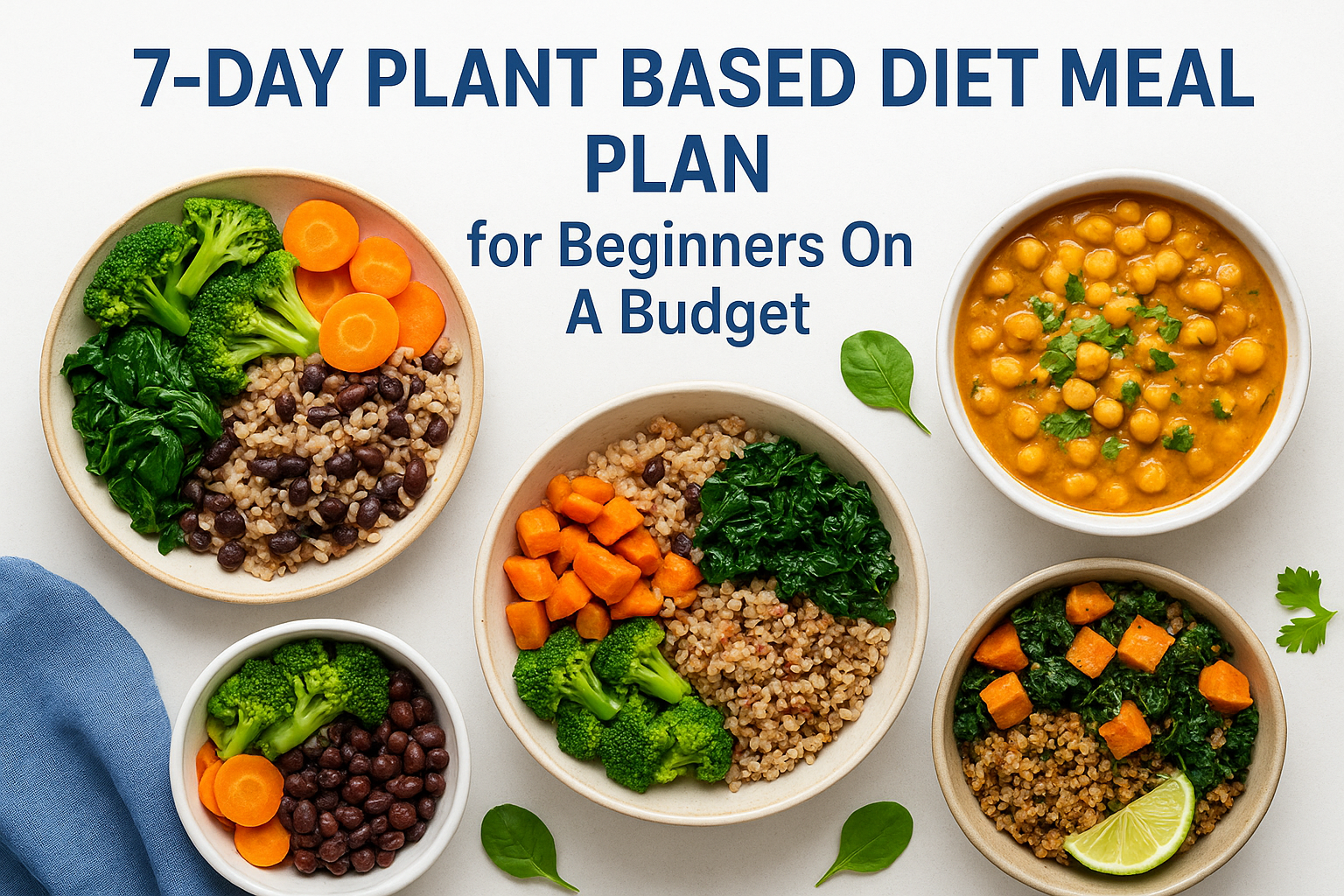
Switching to a plant based diet meal plan doesn’t have to drain your wallet or leave you staring at a fridge full of ingredients you don’t know how to use. The truth is, plant-based eating built around whole foods, beans, grains, vegetables, and fruits, is one of the most affordable ways to eat well. You just need a plan that actually works.
That’s exactly what we put together here at Worganic Foods. We believe organic, plant-forward eating should be accessible to everyone, not just people with unlimited grocery budgets. So we built this 7-day meal plan with real meals, simple ingredients, and realistic prep times, all with beginners in mind.
Below, you’ll find a full week of breakfasts, lunches, dinners, and snacks, plus a budget-friendly grocery list to match. Whether you’re going fully plant-based or just trying to eat more plants during the week, this guide gives you a clear starting point. No guesswork, no complicated recipes, just good food that happens to be good for you.
1. Start with the Worganic Foods plan basics
Before you cook a single meal, you need a clear foundation. This plant based diet meal plan works because it follows a few simple rules that keep your food nutritious, satisfying, and affordable all at once.
Define plant-based for this meal plan
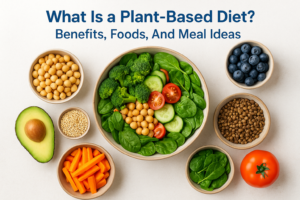
For this plan, "plant-based" means you build every meal around whole plant foods like vegetables, fruits, legumes, whole grains, nuts, and seeds. You don’t need to label yourself vegan or follow any strict rules. Animal products are simply set aside for this week so you can experience what a full plant-focused approach feels like without any pressure.
Build your plate with a simple formula
Every meal follows the same structure: half your plate gets vegetables, one quarter gets a whole grain like brown rice or oats, and one quarter gets a protein source like lentils or black beans. Add a small amount of healthy fat from avocado, nuts, or olive oil, and you have a complete, balanced plate every time without overthinking it.

This simple formula removes the guesswork and makes meal planning repeatable across the entire week.
Stock a low-cost plant-based pantry
Your pantry does the heavy lifting in this plan. Dry or canned lentils, chickpeas, black beans, rolled oats, and brown rice are the backbone of almost every recipe here. These items cost very little and last a long time, so you can buy them in bulk without worrying about spoilage.
Keep these core staples stocked before you start:
- Grains: brown rice, rolled oats, whole wheat pasta
- Proteins: lentils, black beans, chickpeas, firm tofu
- Flavor builders: garlic, cumin, smoked paprika, soy sauce
- Canned goods: diced tomatoes, coconut milk, corn
Shop organic on a budget without wasting food
You can buy organic produce on a tight budget if you shop with intention. Focus organic spending on items you eat most frequently, like leafy greens and berries, and choose conventional for thick-skinned produce like avocados, onions, and bananas. Shop around weekly sales and build your meals around what’s in season to keep costs low without sacrificing quality.
2. Do day 0 prep to make the week easy
One afternoon of prep before your week starts makes your plant based diet meal plan run on autopilot. When your core ingredients are already cooked, you cut daily cooking time to about 10 minutes per meal, which removes the biggest barrier for busy beginners.
Choose 2 grains, 2 beans, and 2 sauces
Pick two grains (brown rice and rolled oats work perfectly) and two beans (lentils and black beans cover most recipes this week). Cook large batches of each so you can mix and match across every meal without starting from scratch daily.
Prepare two simple sauces, like a tahini lemon drizzle and a basic tomato herb blend. These two sauces make the same base ingredients feel like completely different meals each day.
Prep breakfast bases for grab-and-go mornings
Overnight oats and chia pudding both take under five minutes to assemble the night before. Portion them into individual jars so your morning routine stays stress-free all week.
A ready breakfast eliminates your biggest excuse to abandon the plan on hectic mornings.
Batch-cook without spending all Sunday in the kitchen
Set a 90-minute limit and focus only on grains, beans, and chopping vegetables. You cook building blocks, not full meals, which keeps prep fast and flexible.
Store and reheat food safely to avoid spoilage
Use airtight containers and label each one with the prep date. Cooked grains and beans last four to five days refrigerated, so one prep session easily covers your full week.
3. Follow the 7-day budget meal plan
Your full week is mapped out below, with every meal and snack pulling from your Day 0 prep. This plant based diet meal plan keeps daily cooking under 15 minutes because the hard work is already done.
Day 1 meals and snack
Start with overnight oats topped with sliced banana. Lunch is lentil soup with whole wheat bread. Dinner features a black bean rice bowl with roasted broccoli and tahini drizzle. Snack on an apple with peanut butter.
Day 2 meals and snack
Breakfast is chia pudding with mixed berries. Lunch is a chickpea salad wrap with spinach. Dinner is whole wheat pasta with tomato herb sauce and white beans. Snack on hummus with carrot sticks.
Day 3 meals and snack
Warm oatmeal with walnuts and cinnamon starts your morning. Lunch uses leftover pasta with a side salad. Dinner is lentil tacos with corn, avocado, and salsa. Snack on an orange with almonds.
Day 4 meals and snack
Your morning begins with overnight oats and blueberries. Lunch is a black bean and rice burrito bowl. Dinner is a tofu stir-fry with mixed vegetables over brown rice. Snack on rice cakes with peanut butter.
Day 5 meals and snack
Chia pudding with sliced mango fuels your morning. Lunch is lentil vegetable soup with bread. Dinner is chickpea curry with brown rice and steamed kale. Snack on banana with walnuts.
Day 6 meals and snack
Blend a green smoothie with spinach, banana, oat milk, and chia seeds for breakfast. Lunch is a tofu wrap with tahini sauce. Dinner is black bean chili with brown rice and avocado. Snack on celery with hummus.
Day 7 meals and snack
Close the week with oatmeal topped with berries and hemp seeds. Lunch is leftover black bean chili over rice. Dinner is lentil stuffed peppers with tomato sauce and a side salad. Snack on apple slices with peanut butter.
By Day 7 you will have used nearly every pantry staple from prep day, which keeps both waste and spending at a minimum.
4. Use the budget grocery list and cost cutters
A well-organized grocery list saves you time and money every single week. When you shop with a clear plan for this plant based diet meal plan, you avoid impulse buys and wasted produce that quietly inflate your spending.
Master list of weekly ingredients by aisle
Shopping by aisle cuts your time in the store and keeps you focused. Here are your core weekly ingredients organized for a fast, efficient trip:

- Produce: spinach, broccoli, carrots, bell peppers, bananas, apples, berries, avocado
- Dry/Bulk: brown rice, rolled oats, lentils, black beans, chickpeas, whole wheat pasta
- Canned goods: diced tomatoes, coconut milk, corn, canned chickpeas
- Pantry: olive oil, cumin, smoked paprika, soy sauce, tahini, peanut butter
Budget swaps that keep meals plant-based
If an ingredient is out of stock or over budget, swap chickpeas for white beans or brown rice for barley. Both options deliver comparable protein and fiber without changing the nutritional value of your meals.
Choose frozen, canned, and seasonal produce wisely
Frozen spinach and frozen berries cost far less than fresh and lose almost no nutritional value in the process. Canned beans save hours of soaking time, and seasonal vegetables always cost less than out-of-season imports at your local store.
Buy frozen produce in bulk when it goes on sale and you will cut your weekly grocery bill significantly.
Plan leftovers so lunch takes zero effort
Cook slightly larger dinner portions each night so lunch is already handled the next day. This single habit reduces your daily cooking time and stretches your grocery budget across the full week without any extra effort.
5. Keep protein, fiber, and energy consistent
A solid plant based diet meal plan only works long-term if your body feels fueled and satisfied every day. Tracking three pillars, protein, fiber, and steady energy, keeps you from hitting a wall mid-week and reaching for something off-plan.
Hit protein goals with affordable staples
Lentils, black beans, chickpeas, and firm tofu are your primary protein sources throughout this week. A single cup of cooked lentils delivers around 18 grams of protein, which means two servings of legumes daily gets most beginners to their target without any expensive supplements.
Pair legumes with a whole grain at the same meal to cover all essential amino acids your body needs.
Add healthy fats without blowing the budget
Peanut butter, walnuts, and a quarter of an avocado added to two or three meals each day provide the fats your brain and hormones rely on. These options cost far less than specialty oils or nut butters marketed toward plant-based eaters.
Balance carbs for steady energy
Choose whole grains over refined ones at every meal so glucose releases slowly into your bloodstream. Brown rice and rolled oats digest more slowly than white bread, which keeps your energy levels stable between meals without mid-afternoon crashes.
Watch common nutrient gaps for beginners
Beginners most often run low on vitamin B12, iron, and omega-3 fatty acids when cutting animal products. Add fortified plant milks, hemp seeds, and leafy greens daily to cover these gaps before they become noticeable.
6. Customize the plan for your life and tastes
No two people eat the same way, and a good plant based diet meal plan should flex around your needs rather than force you into a rigid box. These four strategies let you adjust the plan without losing its structure or budget advantages.
Make quick substitutions for allergies and preferences
If you avoid soy, swap firm tofu for extra chickpeas or white beans and you get the same protein and texture in stir-fries or wraps. Nut allergies? Replace peanut butter with sunflower seed butter at a near-identical cost.
Adjust portions for singles, couples, and families
Singles can halve every recipe and store the rest, while families simply double the batch amounts during Day 0 prep. Scaling portions works cleanly because this plan builds from base ingredients rather than complicated recipes.
Cook once, portion by household size, and your weekly grocery cost scales proportionally without any extra planning effort.
Turn leftovers into new meals so you do not get bored
Day 3 lentil tacos become Day 4 lentil soup with added broth and vegetables. Leftover rice transforms into a quick fried rice with whatever vegetables you have on hand. Small changes in seasoning or format make the same ingredients feel completely new.
Keep a simple rotation you can repeat weekly
Once you finish the week, repeat the same grocery list and swap two or three meals with new flavors using identical base ingredients. Your prep routine stays fast, your spending stays predictable, and meal planning becomes second nature.

Your next step
You now have everything you need to start your first plant based diet meal plan with confidence. A clear formula for building plates, a Day 0 prep routine, seven days of mapped-out meals, and a grocery list organized by aisle, these are real tools you can put to work this week without spending hours researching or second-guessing yourself.
Pick a prep day, buy your pantry staples, and cook your two grains and two beans before Monday hits. Small, consistent actions each week build the habit faster than any single perfect meal ever will. When you feel stuck or need fresh ideas to keep your routine going, Worganic Foods has the recipes, ingredient guides, and wellness resources to support you at every stage. The first week is the hardest, and you already have the plan in your hands.
Discover more from Woganic Blog
Subscribe to get the latest posts sent to your email.