
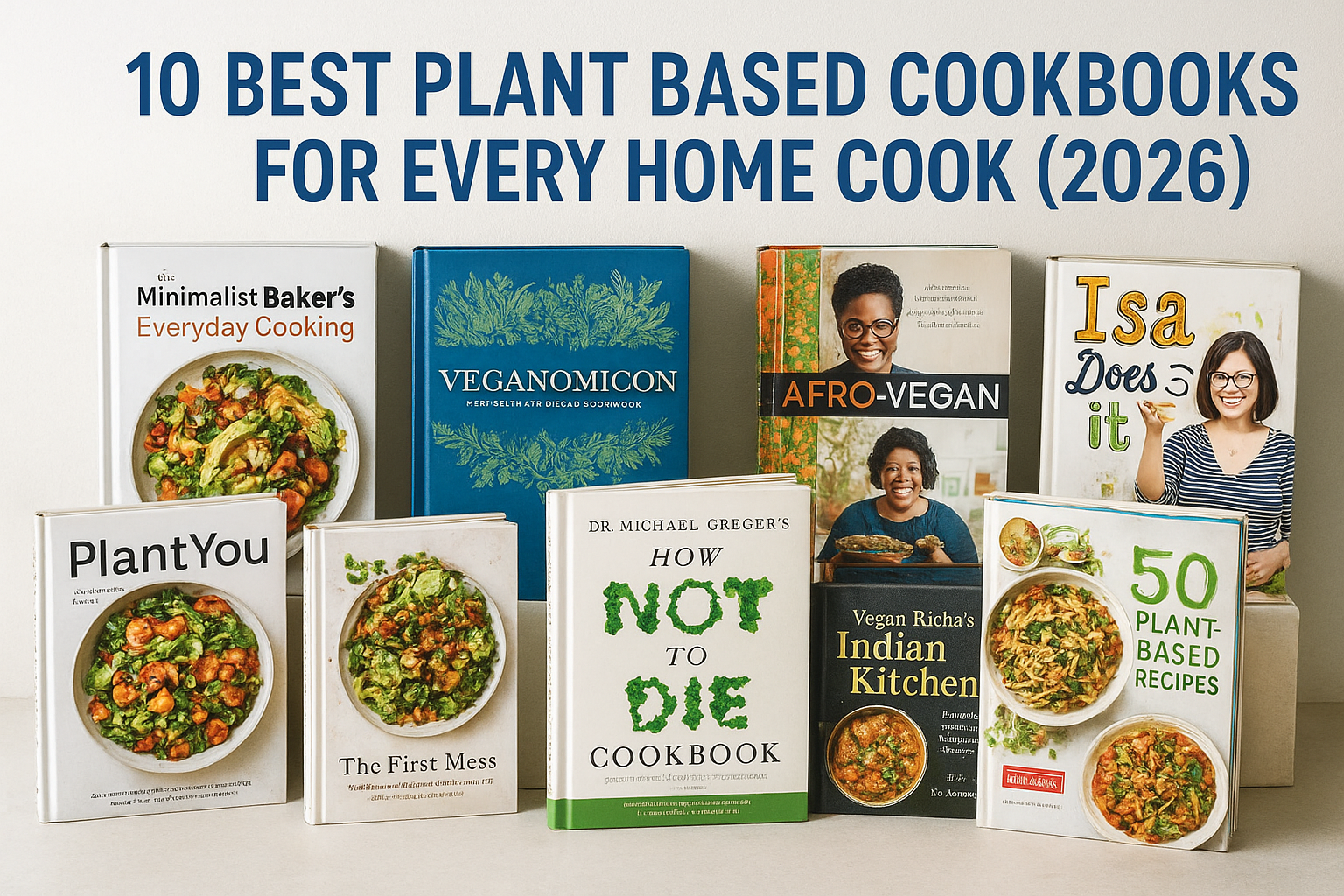
Owning a plant-based cookbook changes how you cook. Not in a dramatic, overnight way, but in the small, practical shifts that actually stick. A good one teaches you to build flavor without relying on animal products, stock your pantry with intention, and stop treating vegetables like side dishes. The challenge? There are hundreds of options on shelves right now, and finding the best plant based cookbooks worth your money takes more effort than it should. We’ve done that work for you, pulling from hands-on testing, reader feedback, and community favorites to narrow the field.
At Worganic Foods, we spend our days writing about organic nutrition, clean eating, and the real-life choices that support a healthier kitchen. Plant-based cooking sits right at the center of that mission. So we approached this list the way we approach everything, with a focus on what actually helps people cook better food at home, not what looks prettiest on a shelf. Whether you’re brand new to plant-based meals or you’ve been at it for years, these ten cookbooks earned their spot for different reasons.
Below, you’ll find picks for beginners, weeknight-focused cooks, bakers, and anyone chasing bold global flavors. Each recommendation includes what makes it stand out, who it’s best for, and where it falls short. Let’s get into it, your next favorite cookbook is probably on this list.
1. The Complete Plant-Based Cookbook by America’s Test Kitchen
America’s Test Kitchen built its reputation on testing recipes until they actually work, and this cookbook brings that same rigorous approach to plant-based cooking. Published in 2020, it has become a go-to reference for cooks who want reliable results without guesswork. If you’re searching for one of the best plant based cookbooks backed by real science and thorough kitchen testing, this one belongs on your counter.
What makes it stand out
Unlike most recipe books that just tell you what to do, this cookbook explains why each technique works, what role each ingredient plays, and how to adjust when something doesn’t go right. That approach builds real cooking knowledge rather than just recipe-following. The team tested hundreds of plant-based recipes before publishing, which means the instructions are precise and the results are consistently repeatable at home.
The rigorous testing process behind this book means you spend less time troubleshooting and more time eating.
Best for
This cookbook works best for home cooks who want structure and confidence in the kitchen. If you’ve tried plant-based recipes online and been frustrated by vague instructions or inconsistent results, this book directly solves that problem. It also rewards experienced cooks because the technique-focused writing gives them new ways to think about familiar ingredients.
What you’ll find inside
You get more than 500 recipes covering everything from fast weeknight dinners to involved weekend projects. The book organizes content clearly, making it easy to find recipes by ingredient or meal type. Expect solid coverage across:
- Grain bowls, soups, and hearty stews
- Plant-based proteins including tofu, tempeh, and legumes
- Sauces, dressings, and condiments built from scratch
- Desserts and baked goods that skip dairy and eggs without losing texture
Headnotes and sidebars throughout explain substitutions, storage tips, and the science behind each method, so you learn while you cook.
Price and formats
The hardcover edition typically retails for around $35 on Amazon, though pricing shifts with sales and availability. A Kindle e-book version is available at a lower price point, which works well if you prefer reading recipes on a tablet. All formats include the complete recipe count and the full explanatory content that makes this book worth owning.
2. How Not to Die Cookbook by Michael Greger, MD and Gene Stone
Dr. Michael Greger built a following through his nutrition research website and his book How Not to Die, so this companion cookbook carries serious credibility behind every recipe. It connects plant-based eating directly to disease prevention, which makes it one of the best plant based cookbooks for anyone who wants food choices grounded in science rather than trends.
What makes it stand out
Most cookbooks focus on taste first. This one starts with the health evidence behind each ingredient and builds recipes around that foundation. Greger’s background as a physician and researcher shapes every page, giving you context for why specific foods appear repeatedly and what they do for your body.
When a medical doctor designs your meal plan, you’re not guessing about nutritional value.
Best for
This book fits health-focused cooks who want to understand the “why” behind what they eat. It works especially well if you’re managing a chronic condition or if someone in your household is navigating heart disease, diabetes, or high blood pressure through dietary changes.
What you’ll find inside
The recipes lean heavily on whole, minimally processed ingredients like legumes, leafy greens, nuts, seeds, and whole grains. You’ll find smoothies, grain bowls, soups, and simple mains, all built around Greger’s Daily Dozen checklist. The writing style stays accessible without dumbing down the nutritional rationale behind each dish.
Price and formats
The hardcover typically runs around $25 to $30 on Amazon, with a Kindle version available at a lower price. Both formats include the full recipe content and nutritional guidance throughout.
3. Oh She Glows Every Day by Angela Liddon
Angela Liddon started the Oh She Glows blog after using whole-food plant-based cooking to work through her own health challenges, and that personal history gives her recipes a warmth that purely technique-focused books often miss. Oh She Glows Every Day builds on her debut cookbook with a strong focus on faster preparation and everyday practicality, making it one of the best plant based cookbooks for people who want beautiful, satisfying meals without spending hours at the stove.

What makes it stand out
Liddon designs her recipes for real weeknight conditions, not ideal ones. Prep times stay short, ingredient lists stay manageable, and the results still look appealing enough to share. Her writing is personal without becoming self-indulgent, and that voice carries through every recipe headnote.
When recipes come from lived experience rather than a test kitchen alone, they tend to connect differently with home cooks.
Best for
This book suits beginner and intermediate cooks who want plant-based food to feel approachable rather than complicated. It also works well for anyone cooking for skeptical family members or picky eaters, since the recipes lean crowd-pleasing and familiar in structure rather than challenging.
What you’ll find inside
You’ll find over 100 recipes built around whole-food ingredients, including quick weeknight mains, grain bowls, soups, and a solid dessert chapter. Liddon builds in make-ahead tips and gluten-free options throughout, which adds real flexibility for households with multiple dietary needs.
Price and formats
The hardcover typically runs around $25 to $30 on Amazon, with a Kindle version available at a lower price. Both formats include her complete recipe collection and the personal notes that make this book feel like advice from someone who actually cooks this way daily.
4. Minimalist Baker’s Everyday Cooking by Dana Shultz
Dana Shultz runs one of the most-visited plant-based food blogs online, and this cookbook translates that same accessible, no-fuss approach into print. The central rule she builds everything around is simple: 10 ingredients or fewer, 1 bowl, or 30 minutes or less. That constraint forces real creativity and makes this one of the best plant based cookbooks for people who need dinner on the table fast.
What makes it stand out
Every recipe in this book respects your time. Shultz strips out unnecessary steps and keeps ingredient lists tight without sacrificing flavor. The photography is exceptional throughout, which matters practically because strong visuals help you understand what a dish should look like before you start cooking.
Short ingredient lists and fast prep times do not have to mean boring food, and this book proves that point clearly.
Strong photography aside, what separates this cookbook from similar quick-cooking titles is how consistently the recipes deliver. There are very few misfires, which reflects how much testing went into the final selections.
Best for
This cookbook fits busy cooks who want reliable weeknight meals without a long grocery list. It also works especially well for people new to plant-based cooking who feel intimidated by complicated techniques or unfamiliar ingredients.
What you’ll find inside
You’ll find over 100 recipes spanning breakfast, lunch, dinner, snacks, and desserts, all built around pantry-friendly staples most home cooks already stock. Coverage includes:
- Smoothies and simple breakfasts
- Hearty salads and grain bowls
- Pasta dishes, curries, and soups
- Baked goods and desserts
Price and formats
The hardcover typically retails for around $25 to $30 on Amazon. A Kindle version is also available at a reduced price, giving you flexible access whether you cook from a physical book or a screen.
5. Veganomicon by Isa Chandra Moskowitz and Terry Hope Romero
Veganomicon arrived in 2007 and quickly became the reference book that serious plant-based cooks recommended above everything else. Moskowitz and Romero brought deep culinary knowledge and a no-compromise attitude to vegan cooking at a time when most options felt either flat or preachy. This book holds up well against newer titles, and it still ranks among the best plant based cookbooks for anyone who wants to cook with real ambition rather than just follow basic instructions.
What makes it stand out
The scope here is genuinely impressive. Veganomicon covers fundamentals, techniques, and challenging recipes in a way that treats you as a capable cook rather than a beginner who needs constant reassurance. The tone stays confident and occasionally irreverent, which keeps the reading experience engaging even when you’re working through long prep instructions.
A cookbook that respects your skill level will push you further than one written purely for beginners.
Best for
This book fits intermediate to advanced home cooks who want a comprehensive vegan reference they can return to for years. It also works well for anyone ready to invest time in weekend cooking projects and build a deeper, more varied cooking repertoire.
What you’ll find inside
You’ll find over 250 recipes covering soups, salads, mains, sides, sauces, and baked goods. The book gives serious attention to protein-forward cooking, including:
- Seitan, tempeh, and bean-based mains
- Hearty soups and stews
- Sauces, spice blends, and condiments from scratch
- Baked goods and desserts
Price and formats
The paperback typically retails for around $20 to $25 on Amazon, with a Kindle edition available at a lower price point for cooks who prefer reading from a screen.
6. Isa Does It by Isa Chandra Moskowitz
Isa Chandra Moskowitz followed up Veganomicon with a book focused entirely on weeknight cooking, and the shift shows throughout. Isa Does It strips away the complexity of her earlier work in favor of fast, satisfying meals that fit real schedules. If you already appreciate her cooking style but want something built around speed rather than scope, this book fills that gap.
What makes it stand out
Where Veganomicon challenges you to grow your skills, this book respects your time constraints. Moskowitz built the entire premise around meals that come together in 30 minutes or less without feeling like shortcuts. The recipes carry her signature bold flavors, which means you still get depth and satisfaction even on a Tuesday night with limited prep time.
Cooking with strong flavors and short timelines are not mutually exclusive, and Moskowitz proves that throughout this book.
Best for
This book suits intermediate cooks who already know plant-based basics and want a weeknight-focused collection they can reach for repeatedly. It also works well for anyone who loved Veganomicon but needs faster options during busy weeks without dropping quality.
What you’ll find inside
You’ll find over 150 recipes covering weeknight mains, soups, grain-based dishes, and quick sauces. The book keeps ingredient lists focused and relies heavily on pantry staples that plant-based cooks typically stock, which reduces last-minute grocery runs and decision fatigue on busy evenings.
Price and formats
The hardcover typically retails for around $20 to $25 on Amazon, with a Kindle version available at a lower price. Both formats represent solid value among the best plant based cookbooks designed specifically for weeknight use.
7. The First Mess Cookbook by Laura Wright
Laura Wright runs a widely followed food blog known for its seasonal approach and stunning photography, and this cookbook translates that aesthetic directly into print. The First Mess Cookbook organizes recipes around the seasons, which pushes you to cook with what’s freshest and most available rather than fighting your local market. Among the best plant based cookbooks focused on seasonal whole-food cooking, this one stands out for how beautifully it connects what you eat to when you eat it.

What makes it stand out
Wright’s photography is genuinely exceptional, but the recipes themselves carry the real weight here. She builds flavor through smart layering of herbs, spices, and textures rather than complicated techniques, making each dish feel considered without becoming intimidating. The seasonal structure also reduces decision fatigue, since you naturally narrow your options to what’s currently ripe and affordable.
Cooking seasonally is not just better for flavor; it also keeps your grocery budget more predictable throughout the year.
Best for
This book works best for home cooks who shop at farmers markets or belong to a CSA and want recipes that reflect what they actually bring home. It also suits anyone motivated by visually inspiring cookbooks that double as coffee table books.
What you’ll find inside
You’ll find over 125 recipes spanning all four seasons, covering breakfasts, soups, mains, and desserts. Wright leans heavily on whole grains, legumes, and fresh produce, with each chapter anchored by what’s growing that time of year.
Price and formats
The hardcover typically retails for around $25 to $30 on Amazon, with a Kindle version available at a lower price point.
8. Vegan Richa’s Indian Kitchen by Richa Hingle
Richa Hingle runs a well-regarded food blog focused on Indian-inspired vegan cooking, and this cookbook brings authentic Indian flavors to plant-based kitchens without requiring hard-to-find specialty ingredients. Most plant-based cookbooks default to American or Mediterranean flavor profiles, which makes Vegan Richa’s Indian Kitchen a genuinely distinct addition to any list of the best plant based cookbooks available today.
What makes it stand out
Hingle built this book around making Indian cooking accessible to home cooks who may have little or no background with the cuisine. She explains spices clearly, offers practical substitutions where ingredients are difficult to source, and keeps every recipe grounded in bold, satisfying flavors rather than watered-down versions of the real thing.
A cookbook that expands your spice vocabulary will change how you cook across every cuisine, not just the one it covers.
Best for
This book suits adventurous home cooks who want to add genuine global variety to their plant-based rotation. It also works well for anyone already familiar with Indian cuisine who wants to recreate those flavors at home using entirely plant-based ingredients.
What you’ll find inside
You’ll find over 150 recipes organized clearly across dals, curries, rice dishes, flatbreads, and snacks. Hingle includes spice guides and pantry notes at the start so you understand your ingredients before you begin cooking:
- Lentil-based dals and soups
- Vegetable curries and dry sabzis
- Rice dishes, chutneys, and flatbreads
- Snacks and street food-inspired bites
Price and formats
The paperback typically retails for around $20 to $25 on Amazon, with a Kindle version available at a lower price. Both formats include the full recipe collection and the spice reference sections throughout.
9. PlantYou by Carleigh Bodrug
Carleigh Bodrug built a massive social media following by sharing visual, ingredient-based recipes that show you exactly what goes into each dish before you start cooking. Her debut cookbook carries that same format into print, and it has become one of the genuinely fresh entries among the best plant based cookbooks published in recent years. The visual recipe format alone separates it from nearly everything else on this list.

What makes it stand out
Bodrug uses a visual grocery list layout at the start of each recipe, displaying ingredients as illustrated icons so you can scan what you need at a glance. This approach removes friction from the planning process and makes grocery shopping and meal prep significantly faster.
A visual layout that shows ingredients upfront saves time and reduces the decision fatigue that derails weeknight cooking.
Best for
Visual learners and beginners who struggle with traditional recipe formats will get the most out of this book. It also works well for anyone who has followed Bodrug’s social media content and wants her most reliable recipes in a permanent, offline format.
What you’ll find inside
You’ll find over 140 recipes organized by meal type, covering breakfasts, lunches, dinners, snacks, and desserts. Every recipe stays oil-free and whole-food focused, with most dishes coming together in under 30 minutes using pantry staples.
Price and formats
The hardcover typically retails for around $25 to $30 on Amazon, with a Kindle version available at a lower price point for cooks who prefer screen-based reading.
10. Afro-Vegan by Bryant Terry
Bryant Terry is a James Beard Award-winning chef and food justice advocate whose work sits at the intersection of African, African American, and Caribbean culinary traditions. Afro-Vegan brings that cultural depth into plant-based cooking in a way that no other book on this list does, making it an essential addition to any serious collection of the best plant based cookbooks available today.
What makes it stand out
Terry builds each recipe around deep-rooted culinary traditions from the African diaspora, drawing on flavors and techniques that most plant-based cookbooks completely ignore. He also pairs each recipe with a music playlist suggestion, which reflects his philosophy that food connects to culture, memory, and community in ways that go far beyond nutrition.
A cookbook that roots food in cultural identity gives you more than recipes; it gives you context for why certain flavors work together.
Best for
This book suits curious home cooks who want to move beyond standard Western plant-based recipes and explore bold, culturally rich flavors with real historical grounding. It also works well for anyone already familiar with African or Caribbean cuisines who wants to bring those traditions into their plant-based kitchen.
What you’ll find inside
You’ll find over 100 recipes built around fresh produce, legumes, and grains, with strong representation from West African, Southern American, and Caribbean cooking traditions. Terry includes spice notes and ingredient guides that help you navigate less familiar pantry items with confidence.
Price and formats
The hardcover typically retails for around $20 to $25 on Amazon, with a Kindle version available at a lower price point.

Next steps for your cookbook shelf
Ten books is a lot to consider at once, so start by narrowing it down to one or two that match where you are right now. If you’re new to plant-based cooking, Minimalist Baker’s Everyday Cooking or PlantYou will get you moving fast without overwhelming you. If you want depth and technique, Veganomicon or America’s Test Kitchen will push your skills further. If you’re after bold global flavors, Vegan Richa’s Indian Kitchen or Afro-Vegan belong at the top of your list.
The best plant based cookbooks do more than add recipes to your rotation; they shift how you think about building a meal from whole ingredients. Once you have your next cookbook picked out, you’ll also want a kitchen stocked with quality organic staples to back it up. Browse organic pantry essentials for plant-based cooking to fill in the gaps before you start cooking.
Discover more from Woganic Blog
Subscribe to get the latest posts sent to your email.