
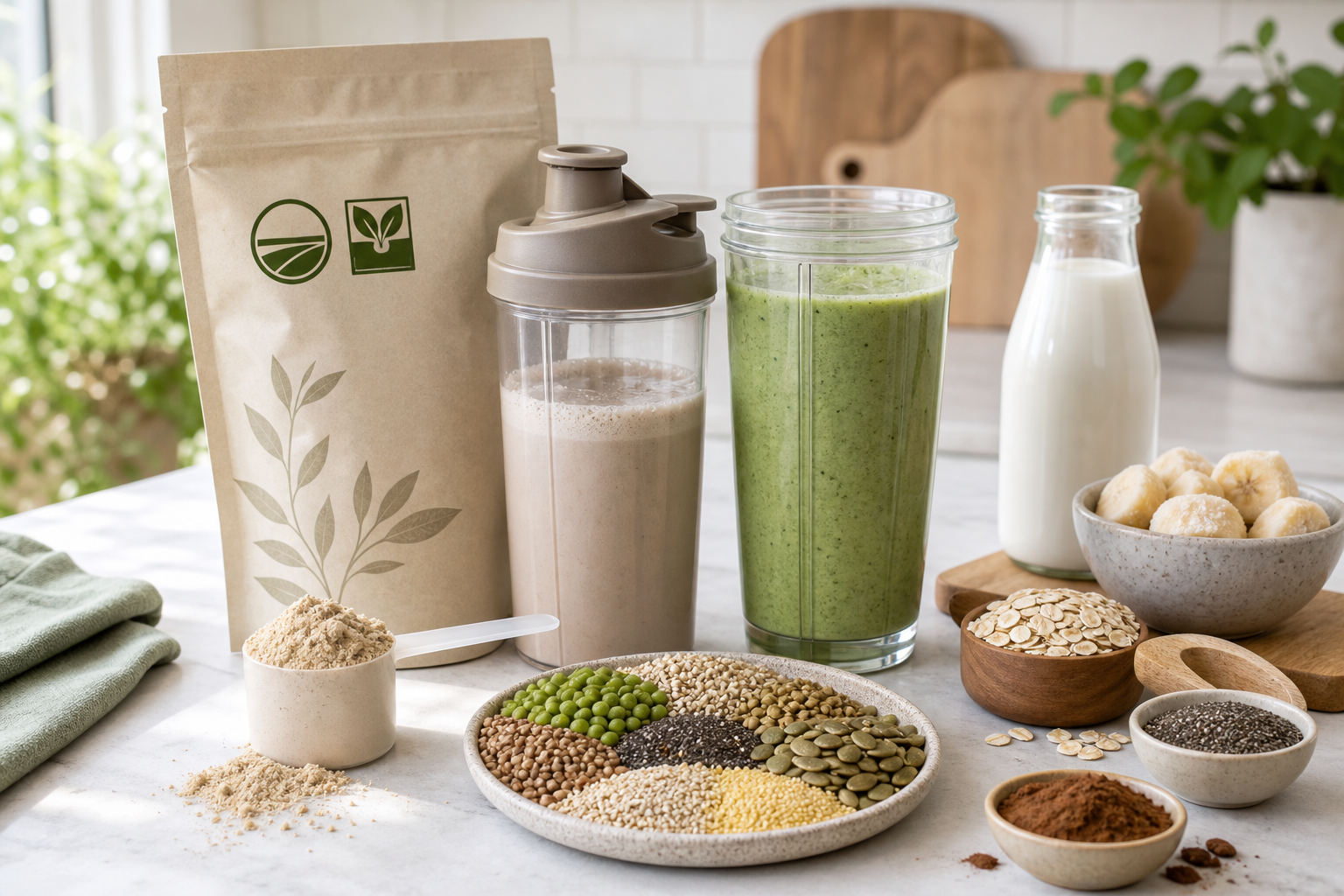
If you’re shopping for a clean protein source, you’ve likely come across Garden of Life organic protein powder. It sits on shelves at Whole Foods, pops up in Amazon recommendations, and gets mentioned in wellness circles constantly. But with so many lines, flavors, and conflicting user reviews, figuring out which one belongs in your cart can feel overwhelming. This guide walks you through exactly what you need to know before you buy, from nutritional breakdowns and safety concerns to honest usage tips that actually make the powder taste good. No marketing fluff, just the facts that matter when you’re trying to fuel your body with something clean.
Table of Contents
- Why Choose Garden of Life Organic Protein Powder?
- Breaking Down the Main Product Lines
- Nutritional Deep Dive: What’s Really Inside the Scoop?
- Safety, Allergens, and Controversies: What You Need to Know
- How to Use Garden of Life Organic Protein Powder Without It Being Chalky
- Garden of Life vs. Competitors: Quick Comparison
- Frequently Asked Questions
- Final Verdict: Is Garden of Life Organic Protein Powder Right for You?
Why Choose Garden of Life Organic Protein Powder?
Garden of Life has built its reputation on certifications that actually mean something. Every major protein line carries the USDA Organic seal and Non-GMO Project Verified badge, which means you’re avoiding synthetic pesticides and genetically modified ingredients from the start. All formulations are also vegan and gluten-free, making them accessible across a wide range of dietary needs.

What sets these powders apart from many plant-based competitors is the complete amino acid profile. Pea protein alone can fall short on certain amino acids, but Garden of Life blends multiple plant sources, sprouted grains, seeds, and legumes to deliver a full spectrum. The Raw Organic line provides 22 grams of complete protein per serving, while the Organic Vegan line offers 20 grams. For anyone worried about getting enough usable protein from plants, that completeness matters.
The ingredient philosophy is straightforward. You won’t find artificial sweeteners, flavors, or preservatives here. Sweetness comes from organic erythritol and stevia leaf extract, which keeps the calorie count low without the chemical aftertaste some brands carry. Garden of Life has been in the clean supplement space for over a decade, and their commitment to third-party certifications gives their claims weight beyond marketing copy.
Breaking Down the Main Product Lines
Walking down the protein aisle or scrolling product pages, you’ll notice Garden of Life doesn’t make just one powder. They offer six distinct lines, each targeting different needs. The three most popular deserve a closer look so you can match the right tub to your actual goals.
Raw Organic Protein: The All-Rounder
The Raw Organic Protein line is the brand’s flagship. Each serving delivers 22 grams of protein sourced from a blend of organic peas, sprouted brown rice, amaranth, buckwheat, millet, quinoa, chia seeds, and several legumes. That diversity isn’t just for show, it’s how the formula achieves a complete amino acid profile without relying on a single crop.
This line includes live probiotics and digestive enzymes, which can help if plant proteins tend to leave you bloated. Flavor options include Vanilla, Chocolate, and Unflavored. The Unflavored version is genuinely neutral and works well stirred into soups, savory oats, or coffee without clashing. If you want one tub that handles post-workout shakes, baking, and everyday smoothies, this is the most flexible pick.

Organic Vegan Protein Powder: The Low-Calorie Option
The Organic Vegan Protein Powder line trims things down slightly. You get 20 grams of protein per serving, but the calorie count sits at just 130 for the Vanilla flavor, with 4 grams of branched-chain amino acids and 5 grams of fiber. There’s zero sugar, which makes it appealing for anyone tracking macros closely or keeping carbs low.
This powder uses 13 raw sprouted plant sources, and the texture is a bit lighter than the Raw Organic line. It mixes smoothly with water or unsweetened almond milk, making it a solid choice for a quick shake that doesn’t feel heavy. If weight management or calorie control is part of your picture, this line aligns better than the higher-calorie Sport formulations.
Organic Protein & Greens: The Nutrient Booster
For people who know they don’t eat enough vegetables, the Organic Protein & Greens line adds organic greens, veggies, and extra fiber into the standard protein base. Think of it as a protein shake and a green drink combined. The trade-off is taste, the added greens bring an earthy note that some users find harder to mask. Blending with frozen banana or a spoonful of almond butter helps smooth out the flavor considerably. This line works best for meal replacement scenarios where you want more nutritional density in a single glass.
Nutritional Deep Dive: What’s Really Inside the Scoop?
Looking past the front label claims, the actual numbers tell a clearer story. Comparing Vanilla flavors across the two main lines, Raw Organic Vanilla delivers 22 grams of protein, 2 grams of fiber, and 130 calories per serving. The Organic Vegan Vanilla offers 20 grams of protein, 5 grams of fiber, and the same 130 calories. If fiber is a priority, the Vegan line wins by a noticeable margin.
The branched-chain amino acid content deserves attention for anyone using these powders around workouts. The Organic Vegan Vanilla provides 4 grams of BCAAs per serving, which supports muscle repair and recovery after training. Both lines deliver a complete amino acid profile, so you’re not missing essential building blocks regardless of which tub you choose.
For low-carb or keto-friendly eating, the Organic Plant-Based Protein Shake variant stands out with only 2 grams of net carbs and zero grams of sugar. That’s rare in the plant protein world, where many formulas sneak in carbohydrates from grains or added sweeteners.
Micronutrients come from whole food sources rather than synthetic vitamin packs. You’ll find iron, calcium, and vitamin E naturally present from the plant ingredients themselves. The sweetener system relies on organic erythritol and organic stevia leaf extract. Most people tolerate this combination well without the bloating associated with some sugar alcohols, but if your stomach is sensitive to erythritol, start with a half serving to test your response.
Safety, Allergens, and Controversies: What You Need to Know
Protein powder shopping in 2026 means asking harder questions about what’s not listed on the label. Garden of Life has faced scrutiny in certain areas, and you deserve the full picture before making a decision.
Is There Lead in Garden of Life Protein Powder?
Search interest around lead and heavy metals in Garden of Life products is high, and for good reason. Plant-based proteins can accumulate heavy metals from soil, and consumers want assurance that brands are testing rigorously. Garden of Life states they test for heavy metals and comply with California Proposition 65 standards. However, independent third-party testing results are not consistently published per batch on their website. If heavy metal exposure is a top concern for you, look for products carrying the Clean Label Project certification, which Garden of Life does not prominently display across all lines. This doesn’t mean the products are unsafe, but it does mean the transparency some shoppers want isn’t fully available.
Nut Allergy Warning: A Candid Disclosure
Garden of Life explicitly advises against using their protein powders if you have nut or peanut allergies. The products are not tested for cross-contamination with tree nuts or peanuts. This is a rare and honest disclosure from a supplement brand, and it should be taken seriously. If you or someone in your household carries an EpiPen for nut allergies, this is not the right protein powder for your kitchen. Look for brands that manufacture in dedicated nut-free facilities instead.
Pregnancy, Children, and Special Populations
For pregnant or nursing individuals, the brand’s official guidance recommends consulting a physician before use. No specific safety studies are cited for pregnancy, so this falls into the standard “ask your doctor” category common across supplements. When it comes to children, the brand is more direct. They advise against giving these protein powders to toddlers or young children without pediatrician approval. These formulas are designed for adult nutritional needs and are not appropriate as a protein supplement for kids. If you take prescription medications or manage a chronic health condition, the same caution applies, check with your healthcare provider before adding any concentrated supplement to your routine.
How to Use Garden of Life Organic Protein Powder Without It Being Chalky
The most common complaint about plant-based protein powders is texture. Some users describe Garden of Life as chalky or gritty, but the mixing method makes a significant difference. A shaker bottle alone rarely produces a smooth result. Use a blender instead, even a small personal blender, and include something creamy or frozen. Ice, half a frozen banana, or a tablespoon of almond butter transforms the mouthfeel completely.
Your choice of liquid matters just as much. Unsweetened almond milk, oat milk, or coconut milk adds body and creaminess that water simply cannot match. If you prefer mixing with water for calorie reasons, expect a thinner, less satisfying texture. The brand also confirms the powder mixes well with coffee, which opens up a useful morning hack. Stir a scoop into your hot or iced coffee for a protein latte that doesn’t require a separate shake.
For portioning, one scoop works as a post-workout recovery drink or an afternoon snack. Two scoops blended with fruit, greens, and nut butter can serve as a light meal replacement when you’re short on time. Store the bag sealed in a cool, dry place, humidity causes clumping that makes mixing even harder.
Garden of Life vs. Competitors: Quick Comparison
Orgain often comes up as a cheaper alternative, but the ingredient lists tell different stories. Orgain uses more gums, fillers, and sometimes less transparent sourcing. Garden of Life carries stronger certifications and a cleaner ingredient panel overall. Vega matches Garden of Life on protein content but tends to have a stronger stevia aftertaste that some people find off-putting. Garden of Life generally lands as the better-tolerated option for sensitive palates.
Sunwarrior is a legitimate competitor in the raw, sprouted protein category. Their formulations are clean, but Garden of Life edges ahead with the addition of probiotics and digestive enzymes that support gut comfort. Ritual positions itself as a premium, subscription-based protein with a focus on traceability. It’s more expensive and offers fewer flavor choices. Garden of Life gives you more flexibility with one-time purchases and a wider variety of product lines to match different dietary approaches.
Frequently Asked Questions
Is Garden of Life protein powder good for weight loss? It can support weight management as a low-calorie, high-protein option that helps with satiety, but it is not marketed as a weight loss product. The Organic Vegan line, at 130 calories per serving, fits best into a calorie-controlled plan.
Does it contain artificial sweeteners? No. Sweetness comes exclusively from organic erythritol and organic stevia leaf extract. There are no artificial sweeteners, flavors, or preservatives in any of the major lines.
Is it third-party tested? Garden of Life maintains third-party certifications for organic and non-GMO standards. Internal testing for contaminants is conducted, but independent, batch-specific third-party testing results are not consistently published for public review. This is an area where the brand could improve transparency.
Can I use it if I have a soy allergy? Yes. All major Garden of Life protein lines are formulated without soy ingredients and are certified gluten-free.
What flavor is best for beginners? Vanilla is the most versatile starting point. It blends seamlessly with fruit, coffee, nut butters, and greens without dominating the flavor of your smoothie. Chocolate is richer but less flexible for mixing into non-dessert recipes.
Final Verdict: Is Garden of Life Organic Protein Powder Right for You?
Garden of Life organic protein powder works best for vegans, athletes, Paleo dieters, and anyone who prioritizes certified organic ingredients and a complete amino acid profile from whole food sources. It is not the right fit for people with nut allergies, shoppers on a tight budget, or anyone seeking a product specifically formulated for weight loss. If you value transparency in certifications and want a clean plant protein without artificial additives, this remains one of the strongest options available in 2026. Start with the Raw Organic line for everyday flexibility or the Organic Vegan line if fiber and calorie control are your primary goals.
Discover more from Woganic Blog
Subscribe to get the latest posts sent to your email.