
Walking into a grocery store without a plan can turn a simple shopping trip into an overwhelming guessing game, especially when you’re shifting toward eating more plants. A solid plant based diet grocery list changes that. It gives you direction, saves you from impulse buys, and makes sure your fridge and pantry actually support the meals you want to cook.
The problem isn’t a lack of options. It’s the opposite. Produce aisles, bulk bins, and refrigerated sections are packed with choices, and knowing which items deliver the most nutritional value per dollar matters. At Worganic Foods, we spend a lot of time breaking down what belongs in a health-conscious kitchen, and a well-stocked plant-based pantry is one of the most practical places to start.
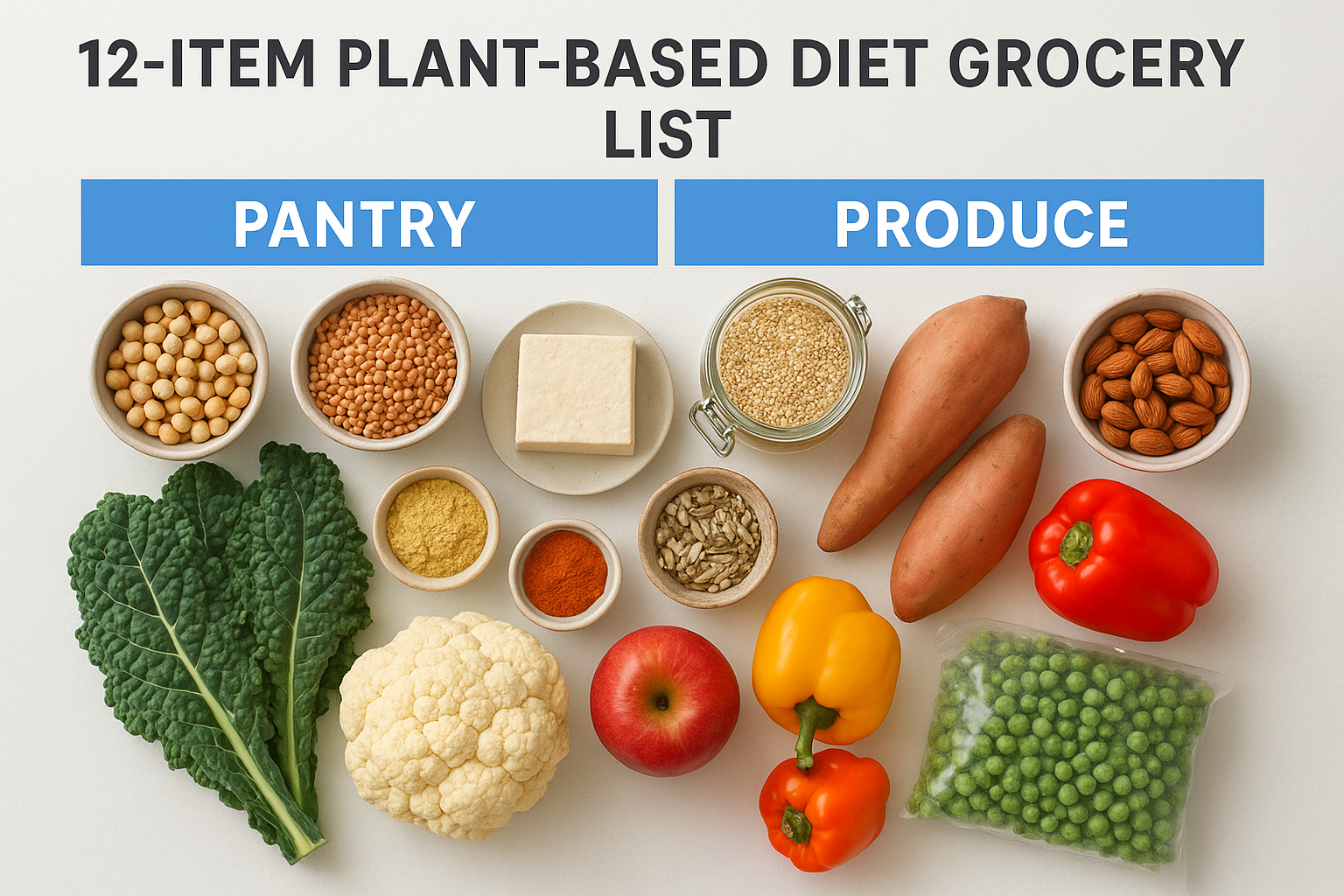
This list covers 12 essential categories of groceries, from fresh fruits and vegetables to grains, legumes, nuts, and beyond, so you can shop with confidence and build meals that actually keep you full and nourished throughout the week.
1. Worganic Foods plant-based staples
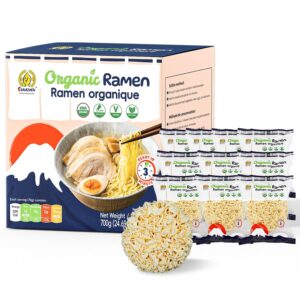
Before you head to the store, it helps to check what you can get delivered directly to your door. Worganic Foods carries a curated selection of organic pantry items that pair well with the fresh produce you’ll pick up locally, giving you a strong foundation for a plant based diet grocery list without the guesswork of hunting through unfamiliar brands.
What to buy from the shop
The Worganic Foods shop stocks organic dry goods, snacks, and specialty products that are difficult to find consistently at conventional grocery stores. Look for items like organic legumes, cold-pressed oils, and plant-based snack options that skip the artificial additives common in standard supermarket alternatives.
Stocking your pantry with high-quality organic staples from a trusted source reduces the number of label-reading decisions you have to make at the store each week.
Browsing the shop lets you match available items against the categories below. Bulk purchasing pantry staples like grains and dried beans often brings your weekly grocery spend down over time, making plant-based eating easier on your budget.
How to build a week of meals from staples
Start with three to four anchor ingredients from the shop, such as a quality olive oil, a versatile grain like quinoa, and a protein source like dried lentils. These become the backbone of your week. From there, fill in with fresh produce, herbs, and sauces from local stores to keep meals varied and nutrient-dense throughout the week.
Think in templates rather than specific recipes. A grain base plus roasted vegetables plus a legume plus a sauce covers breakfast bowls, lunch salads, and dinner plates without requiring separate shopping trips for each meal type. That structure keeps things simple and repeatable.
When this option makes the most sense
Ordering from Worganic Foods works best when you want certified organic products without spending extra time scrutinizing labels in the store. It also fits well if you live in an area where organic options are limited or inconsistently stocked at local supermarkets.
This approach suits meal preppers and busy households that prefer to lock in pantry staples at the start of each month and handle fresh produce through weekly local shopping. It reduces decision fatigue and keeps your kitchen consistently stocked for plant-based cooking.
2. Dark leafy greens
Dark leafy greens are one of the most nutrient-dense additions to any plant based diet grocery list. They deliver iron, calcium, magnesium, and vitamins K and C in quantities that make them hard to skip, and they integrate into nearly every meal type from smoothies to stir-fries.

What to add to your cart
Your cart should include a mix of spinach, kale, Swiss chard, and collard greens to cover different cooking applications. Spinach works raw or wilted, kale holds up to heat and roasting, and collard greens handle longer braises well. Picking two or three varieties each week keeps your meals from feeling repetitive and broadens your nutrient intake without much extra effort.
Rotating through different leafy greens each week ensures you get a broader spread of micronutrients rather than relying on a single source.
How to choose and prep for less waste
Look for deep, vibrant color and firm leaves without yellowing or slime at the edges. Avoid bags with visible moisture pooling at the bottom, which speeds up spoilage significantly. Once home, remove any damaged leaves immediately and pat bunches dry before storing to extend freshness by several days.
Prepping greens in batches cuts down on daily cooking time. Washing, drying, and rough-chopping a full bunch of kale or chard on Sunday means you can grab a handful throughout the week without stopping to prep each time.
Best ways to store and use this week
Wrap loose greens in a dry paper towel and store them in a sealed bag or container in the crisper drawer to keep them fresh for five to seven days. Use delicate greens like spinach early in the week and save hardier options like collards for later meals that can handle a little wilt.
3. Cruciferous vegetables
Cruciferous vegetables belong on every plant based diet grocery list because they deliver fiber, vitamin C, and glucosinolates that few other food categories can match. Broccoli, cauliflower, Brussels sprouts, and cabbage are the workhorses of this group, providing serious nutritional value while staying affordable at most stores year-round.
What to add to your cart
Pick up broccoli and cauliflower as your base, since both hold up well across multiple cooking methods and work into many meal types throughout the week. Adding cabbage and Brussels sprouts rounds out your cart with budget-friendly options that stretch across several meals without losing quality.
A single head of cabbage can supply greens for slaws, stir-fries, and roasted sides for three to four days, making it one of the highest-value items in your cart per dollar spent.
Cruciferous vegetables are among the most cost-effective sources of plant-based nutrition available at any grocery store.
How to cook for better texture and flavor
High heat transforms cruciferous vegetables from bland or soft into something genuinely satisfying. Roasting broccoli and Brussels sprouts at 425°F with olive oil and a pinch of salt produces caramelized edges and a crispy texture that works as a main dish component rather than a side that gets ignored. Steaming or blanching cauliflower works well when you want a softer base for mashing or blending into soups.
Best ways to store and use this week
Store unwashed cruciferous vegetables in a loose bag in the crisper drawer to prevent moisture from building up and causing early spoilage. Use broccoli and Brussels sprouts within four to five days and save cabbage for later in the week, since it keeps well for up to two weeks when stored properly.
4. All-purpose vegetables for roasting
All-purpose roasting vegetables are the most flexible items on any plant based diet grocery list. They require minimal prep, cook mostly unattended, and give you a ready supply of hearty, filling components that slot into bowls, wraps, grain plates, and soups throughout the week without extra effort.
What to add to your cart
Your cart should include sweet potatoes, bell peppers, zucchini, and red onion as your core roasting vegetables. These four work well together on the same sheet pan and cover a wide range of flavors and textures. Adding beets or carrots gives you a naturally sweet option that pairs well with grains and legumes, extending your variety without adding complexity to your shopping.
A mix of starchy and non-starchy roasting vegetables gives you more flexibility across meal types throughout the week.
How to roast for hands-off meals
Set your oven to 400 to 425°F and cut vegetables into similar-sized pieces so they cook evenly. Toss with olive oil, salt, and a spice blend of your choice, then spread them across a single layer on a lined baking sheet. Roasting in batches on the weekend means you pull finished vegetables from the fridge throughout the week without turning on the oven again.
Best ways to store and use this week
Keep roasted vegetables in a sealed container in the refrigerator for up to five days. They reheat well in a skillet over medium heat, which restores some of their original texture and flavor better than microwaving. Raw, uncut vegetables last longer, so only prep what you plan to cook within two days.
5. Fresh fruit for snacks and bowls
Fresh fruit fills a specific role on your plant based diet grocery list: it gives you fast, no-prep snacks and adds natural sweetness to bowls and breakfasts without reaching for processed foods. Keeping a rotating selection in your kitchen makes it easier to skip convenience foods when you’re hungry and short on time.
What to add to your cart
Your cart should include bananas, apples, and berries as your weekly baseline. Bananas offer quick energy and work well in smoothies, oatmeal, and bowls, while apples and pears hold up for over a week without losing quality. Adding one citrus option like oranges or clementines rounds out the mix with vitamin C and a refreshing choice for snacking between meals.
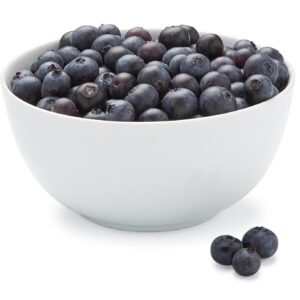
Berries are among the most antioxidant-rich fruits you can buy, and even small portions add significant nutritional value to your meals.
How to pick ripe fruit that lasts
When selecting fruit, check for firm texture and consistent color across the skin. Avoid pieces with soft spots, bruising, or broken skin, as these ripen quickly and lead to waste. Pick bananas that are still slightly green if you plan to eat them over five to seven days, and choose berries with no visible mold or leaking juice at the bottom of the container.
Best ways to store and use this week
Keep bananas and citrus at room temperature and refrigerate berries immediately after purchase to slow spoilage. Use berries within three to four days and save apples and harder fruit for later in the week when your softer options are gone.
6. Frozen fruits and vegetables
Frozen produce fills the gaps in your plant based diet grocery list when fresh options are out of season, too expensive, or simply not available near you. Frozen fruits and vegetables are picked and flash-frozen at peak ripeness, which locks in nutrients at levels that often match or exceed what you find in fresh produce that has spent days in transit before reaching the store shelf.
What to add to your cart
Stock your freezer with frozen spinach, peas, edamame, and mixed stir-fry vegetables for reliable savory meals throughout the week. On the fruit side, frozen mango, blueberries, and mixed berries cover smoothies, oatmeal toppings, and quick desserts without worrying about spoilage. Keeping a mix of both gives you a consistent backup when fresh options run low mid-week.
Frozen produce retains most of its original nutritional value because it is processed immediately after harvest, making it a practical and nutritious choice year-round.
How to choose options without extra sugar or sauces
Check the ingredient list before putting any bag in your cart. The only ingredient should be the vegetable or fruit itself, with no added sauces, salt, sugar, or seasoning blends. Many frozen vegetable blends marketed as meal starters include sodium-heavy sauces that reduce your control over flavor and nutrition, so single-ingredient bags are always the smarter pick.
Best ways to store and use this week
Keep frozen items at 0°F or below and avoid repeatedly thawing and refreezing, which degrades texture significantly. Use frozen spinach and peas directly in cooked dishes like soups and curries without thawing first, and let frozen fruit thaw overnight in the refrigerator for use in bowls or morning oatmeal.
7. Beans and lentils
Beans and lentils are the protein and fiber backbone of any solid plant based diet grocery list. They keep you full, support gut health, and cost less per serving than almost any other food in the store. Keeping a variety on hand means you always have a base for soups, stews, salads, and grain bowls without much planning.
What to add to your cart
Your cart should include black beans, chickpeas, and green or brown lentils as your weekly core. Black beans work well in tacos, bowls, and soups, while chickpeas roast well and blend into hummus. Lentils cook faster than most legumes and absorb flavors easily, making them one of the most versatile picks in this category. Adding red kidney beans or white cannellini beans gives you additional variety for heartier dishes.
Lentils require no soaking and cook in under 25 minutes, making them the fastest legume option for busy weeknights.
How to choose canned vs dry
Canned beans offer convenience, since they are already cooked and ready to use after a quick rinse to remove excess sodium. Dry beans cost significantly less per serving and give you full control over sodium and texture, but require soaking and longer cook times. For most households, keeping both on hand works best: use canned beans for quick meals and dry lentils for batch cooking on weekends.
Best ways to store and use this week
Store dry beans and lentils in sealed glass jars in a cool, dark pantry for up to a year. Rinse and refrigerate opened canned beans in a sealed container and use them within three to four days.
8. Tofu and tempeh
Tofu and tempeh are two of the most practical protein sources on any plant based diet grocery list. Both are made from soybeans, but they deliver different textures and flavor profiles, which means they cover different roles in your kitchen without overlapping. Adding at least one of each to your weekly cart gives you a reliable protein option that works across breakfast, lunch, and dinner.

What to add to your cart
Your cart should include firm or extra-firm tofu for cooking applications that require structure, such as stir-fries, scrambles, and baked dishes. Silken tofu serves a different purpose and works well in blended sauces, dressings, and smooth desserts. For tempeh, grab a plain block rather than a pre-marinated version so you control the sodium and flavor from the start.
Tempeh contains more protein per serving than tofu and also provides probiotics because of its fermentation process, making it a particularly strong addition to your weekly rotation.
How to prep for better flavor and texture
Tofu absorbs flavor better after you remove excess moisture. Press firm tofu between two flat surfaces with a heavy object on top for at least 20 to 30 minutes before cooking. Tempeh benefits from a quick steam or simmer in broth for about 10 minutes before marinating, which opens up the grain structure and lets flavor penetrate more deeply.
Best ways to store and use this week
Keep opened tofu submerged in fresh water in a sealed container and change the water daily to maintain freshness for up to five days. Store unopened tempeh in the refrigerator and use it within three days of opening, or freeze it for up to three months.
9. Whole grains
Whole grains bring sustained energy and dietary fiber to your plate in a way that refined grains simply cannot match. They serve as the filling base for bowls, salads, and sides throughout the week, and including a variety on your plant based diet grocery list keeps your meals from becoming repetitive. The right grains stretch across multiple days with minimal daily effort.
What to add to your cart
Your cart should include brown rice, quinoa, and rolled oats as your weekly foundation. Brown rice pairs well with stir-fries and beans, quinoa supplies all nine essential amino acids, making it one of the few plant-based complete proteins available, and rolled oats handle breakfasts and baked goods without requiring much preparation time. Adding farro or barley rounds out your selection with chewy, hearty options that hold up well in grain salads and soups.
Quinoa is one of the rare plant foods that qualifies as a complete protein, meaning it contains all essential amino acids your body cannot produce on its own.
How to pick grains for your schedule
Choose quick-cooking grains like quinoa and farro when your week is busy, since both finish in under 20 minutes without soaking. Reserve brown rice and barley for batch cooking sessions on weekends, where longer cook times are less disruptive and you can prepare large portions in one go.
Best ways to store and use this week
Keep dry grains in sealed airtight containers in a cool, dark pantry for up to six months. Store cooked grains in the refrigerator in a sealed container and use them within four to five days.
10. Nuts and seeds
Nuts and seeds deliver healthy fats, protein, and trace minerals that round out the nutritional gaps in a plant-based diet. Adding a handful of each to your plant based diet grocery list every week gives you fast, no-prep snacks and versatile toppings that elevate bowls, oatmeal, salads, and baked goods without adding cooking time.
What to add to your cart
Your cart should include raw almonds, walnuts, and pumpkin seeds as your weekly foundation. Almonds supply vitamin E and magnesium, walnuts are one of the best plant-based sources of omega-3 fatty acids, and pumpkin seeds add zinc and iron that many plant-based eaters fall short on. Picking up chia seeds or ground flaxseed alongside these covers your omega-3 needs further and gives you a binder for overnight oats and smoothies.
Walnuts are one of the few plant foods that provide a meaningful amount of ALA, a type of omega-3 fatty acid that supports heart and brain health.
How to portion for budget and freshness
Buy nuts and seeds in small to medium quantities rather than bulk bags unless you cook through them quickly. High fat content makes them go rancid faster than most pantry items, so buying only what you use in two to three weeks keeps quality high and reduces waste. Portioning into small bags or containers at the start of the week also prevents mindless overeating.
Best ways to store and use this week
Store nuts and seeds in sealed airtight containers away from heat and light. Refrigerating walnuts and chia or flaxseed extends their shelf life significantly, especially in warmer months. Use them as toppings on oatmeal, grain bowls, and salads throughout the week to add crunch and nutrition without extra preparation.
11. Herbs, spices, and pantry flavor builders
Herbs and spices are what separate a bland plate of roasted vegetables from a meal you want to eat again. Building a core set of pantry flavor builders is one of the smartest additions to your plant based diet grocery list, because a small investment in spices transforms simple ingredients without adding excessive sodium or processed additives.

What to add to your cart
Your cart should include cumin, smoked paprika, garlic powder, and turmeric as your weekly foundation. These four cover a wide range of flavor profiles from smoky and savory to warm and earthy. Adding dried oregano, red pepper flakes, and nutritional yeast rounds out your options across Mediterranean, Mexican, and Asian-inspired dishes without needing separate spice collections for each.
Nutritional yeast delivers a naturally savory, cheese-like flavor while also supplying B vitamins, making it one of the most functional pantry additions for plant-based cooking.
How to build a versatile flavor “toolkit”
Group your spices into two or three reliable blends rather than reaching for individual jars every time you cook. A combination of cumin, garlic powder, and smoked paprika works across beans, grains, and roasted vegetables throughout the week.
Turmeric paired with black pepper and ginger handles warming soups and grain bowls, and black pepper specifically improves your body’s absorption of curcumin, the active compound in turmeric.
Best ways to store and use this week
Store dried spices in sealed glass jars away from heat and light to maintain potency throughout the month.
Most spices stay flavorful for up to one year when stored correctly. Label jars with purchase dates so you know when to replenish before the flavor fades completely.
12. Sauces and acids that make meals pop
Sauces and acids are the finishing layer that turns a functional meal into one you want to cook again. Adding them to your plant based diet grocery list rounds out your pantry with items that require no cooking but do significant work in terms of flavor, brightness, and depth across nearly every dish you make throughout the week.
What to add to your cart
Your cart should include tamari or soy sauce, apple cider vinegar, and tahini as your core trio. Tamari adds savory depth to stir-fries and grain bowls, apple cider vinegar brightens dressings and slaws, and tahini works as a base for sauces that coat vegetables and grains evenly. Pick up hot sauce and a quality olive oil to round out your selection with heat and richness that work across all meal types.
A good acid like lemon juice or apple cider vinegar can sharpen the entire flavor profile of a dish without adding sodium or calories.
How to read labels for plant-based eating
Check the ingredient list on any bottled sauce or condiment before it goes in your cart. Many products marketed as healthy contain added sugars, preservatives, or hidden animal-derived ingredients like honey, anchovies, or dairy. Short ingredient lists with recognizable items signal better quality and give you more control over what ends up on your plate.
Best ways to store and use this week
Keep opened vinegars and tamari at room temperature in a sealed bottle away from direct sunlight. Refrigerate tahini after opening to prevent the oils from going rancid, and use it within four to six weeks for the best flavor and texture.

Quick next step
You now have a complete plant based diet grocery list that covers every category your kitchen needs, from fresh produce and frozen staples to proteins, grains, and flavor builders. The goal is not to buy everything at once. Start with two or three categories that feel most manageable and build from there over the next few weeks as you get comfortable with what you actually cook and eat.
Your pantry is the part of this list that rewards consistency the most. Once you stock grains, legumes, spices, and sauces, your weekly shopping shrinks to fresh produce and a few rotating proteins. That consistency is what makes plant-based eating sustainable rather than something you restart every Monday. If you want to simplify the pantry-building side of this, browse the organic pantry staples at Worganic Foods to find quality products that fit directly into the categories covered above.
Discover more from Woganic Blog
Subscribe to get the latest posts sent to your email.