


Your gut is home to trillions of bacteria, and what you feed them matters. Probiotics get most of the attention, but prebiotics, the fiber-rich compounds that actually fuel those beneficial microbes, are just as critical. If you’ve been searching for a best prebiotic foods list, you’re already asking the right question, because the simplest way to support your gut starts with whole, natural foods rather than supplements.
At Worganic Foods, we’re all about helping you make smarter choices with organic, nutrient-dense ingredients that do real work for your body. Prebiotic-rich foods fit that mission perfectly, they’re natural, widely available, and backed by solid nutritional science.
Below, you’ll find nine of the best prebiotic foods you can start eating today. Each one is broken down with what makes it effective, how it supports your gut bacteria, and easy ways to work it into your meals.
1. Organic oats
Organic oats are one of the most accessible prebiotic foods you can add to your daily routine. They’re affordable, widely available, and versatile enough to work across multiple meal formats, making them a practical first move for anyone building a more gut-friendly diet.
Key prebiotic fibers and benefits
Oats are rich in beta-glucan, a soluble fiber that ferments in your large intestine and feeds beneficial bacteria like Lactobacillus and Bifidobacterium. Research shows that consistent beta-glucan intake supports microbial diversity, which connects to better digestion, reduced gut inflammation, and a more resilient immune response.
Beta-glucan from oats has also been shown to help lower LDL cholesterol and stabilize blood sugar, so the benefits extend well beyond gut health alone.
Beyond fiber, oats also contain resistant starch, particularly when eaten raw or cooled after cooking. That resistant starch acts as a second prebiotic fuel source for your gut bacteria, which is part of why oats consistently appear near the top of any solid best prebiotic foods list.
Easy ways to eat it
You can eat oats in far more ways than a standard bowl of porridge. Overnight oats require zero cooking and are ready when you wake up, while baked oat recipes like oat bars or savory oat patties give you a portable option. Raw rolled oats blended into smoothies also deliver prebiotic fiber without any heat involved.
Serving ideas for a week
Rotating your preparation keeps things from getting repetitive. Here’s a simple weekly plan:
- Monday/Wednesday/Friday: Overnight oats with berries and a spoonful of nut butter
- Tuesday/Thursday: Warm oatmeal with sliced banana and cinnamon
- Saturday: Homemade granola clusters baked with honey and seeds
- Sunday: Oat-based energy balls for snacking throughout the week
Tips if you have IBS or bloat
If you have IBS or a sensitive gut, start with a small portion, around a quarter cup of dry oats, and build up slowly over one to two weeks. Soaking oats overnight breaks down some of the fiber structure and makes digestion easier. Skip flavored instant oat packets, since many contain additives and excess sugar that can worsen symptoms.
Shopping and storage notes
Always look for certified organic rolled or steel-cut oats to reduce your exposure to pesticide residues. Rolled and steel-cut varieties hold more intact fiber than instant oats, so they deliver a stronger prebiotic effect. Keep your oats in an airtight container in a cool, dry spot, and they’ll stay fresh for up to 12 months.
2. Chicory root
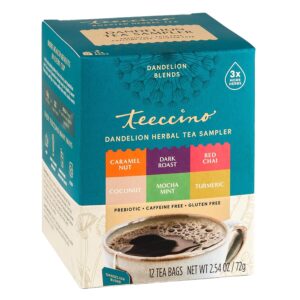
Chicory root is one of the most concentrated natural sources of inulin, a prebiotic fiber that research consistently ranks among the most effective gut-feeding compounds found in whole foods. It earns a strong position on any best prebiotic foods list because of how much prebiotic fiber it delivers per serving compared to most other plant sources.
Key prebiotic fibers and benefits
Chicory root contains up to 41% inulin by dry weight, making it an exceptionally dense prebiotic source. Inulin ferments in your colon and selectively feeds Bifidobacterium, a genus of bacteria linked to reduced inflammation, better bowel regularity, and stronger immune function.
Regular inulin intake can significantly increase Bifidobacterium populations within just two to three weeks of consistent daily consumption.
Easy ways to eat it
The most common way to consume chicory root is as a coffee substitute or blend. Roasted chicory root powder has a slightly bitter, earthy flavor that brews well on its own or mixed into your morning coffee. You can also stir it as a fiber add-in into smoothies or plain yogurt.
Serving ideas for a week
- Daily brew: Steep roasted chicory root powder each morning as a standalone drink or mixed with coffee
- Smoothie boost: Mix one teaspoon of chicory root powder into a banana or berry smoothie
Tips if you have IBS or bloat
Start with half a teaspoon per day and increase slowly over two weeks. Inulin ferments quickly, and a large initial dose will often cause noticeable bloating and gas.
Shopping and storage notes
Choose organic roasted chicory root powder from a reputable supplier. Store it in a sealed container away from moisture, and it will stay fresh for up to 18 months.
3. Jerusalem artichokes
Jerusalem artichokes, also called sunchokes, are knobbly root vegetables that pack a serious prebiotic punch. They look a bit like ginger root and have a mild, nutty flavor that works well in both cooked and raw dishes. If you want to bulk up your best prebiotic foods list with something less common, sunchokes are worth trying.

Key prebiotic fibers and benefits
Jerusalem artichokes are loaded with inulin and fructooligosaccharides (FOS), two of the most well-researched prebiotic fibers available in whole food form. These compounds selectively nourish Bifidobacterium and Lactobacillus strains, which support regular bowel movements, reduced gut inflammation, and stronger immune signaling.
Studies show that sunchokes contain between 14% and 19% inulin by fresh weight, making them one of the richest whole-food prebiotic sources you can find in a grocery store.
Easy ways to eat it
You can roast sunchokes at high heat until golden, slice them thin into salads raw, or puree them into soups. Roasting mellows their earthy bitterness and brings out a natural sweetness that most people find immediately appealing.
Serving ideas for a week
- Roasted: Toss with olive oil, salt, and thyme at 400°F for 25 minutes
- Raw: Shave thin over arugula with lemon vinaigrette
- Pureed: Blend into a creamy soup with leeks and vegetable broth
Tips if you have IBS or bloat
Start with two to three small sunchokes per serving and give your gut a full week to adjust. Their high inulin concentration means bloating is common when you jump in too fast.
Shopping and storage notes
Buy firm, unblemished sunchokes at the farmers market or in the produce section. Store them unwashed in your refrigerator crisper drawer, and they will keep for up to two weeks.
4. Garlic
Garlic is a kitchen staple that doubles as a reliable prebiotic food. It earns a spot on any best prebiotic foods list because of its documented ability to feed beneficial gut bacteria with ingredients you already have on hand.
Key prebiotic fibers and benefits
Garlic contains inulin and fructooligosaccharides (FOS), both of which selectively nourish Bifidobacterium and Lactobacillus strains in your colon. These fibers resist digestion in your small intestine and arrive intact in your large intestine, where they fuel microbial growth and limit harmful bacterial activity.
Raw garlic delivers a stronger prebiotic effect than cooked garlic, since heat gradually breaks down some of its FOS content.
Easy ways to eat it
You can stir raw minced garlic into dressings, dips, or marinades for a quick prebiotic addition to any meal. Roasting whole cloves gives you a milder, spreadable option that retains partial prebiotic value and works well on toast or grain bowls.
Serving ideas for a week
- Monday/Wednesday/Friday: Raw garlic mixed into olive oil and vinegar dressing
- Tuesday/Thursday: Roasted garlic spread over whole grain toast
- Saturday/Sunday: Fresh garlic stirred into guacamole or salsa
Tips if you have IBS or bloat
Start with one small raw clove per day and increase slowly over two weeks. If you follow a low-FODMAP protocol, swap whole garlic for garlic-infused oil, since fructans do not transfer into the oil during infusion.
Shopping and storage notes
Choose organic garlic bulbs with firm, tightly packed cloves and no soft spots or visible mold. Store them in a cool, dry, ventilated spot at room temperature, and they will stay fresh for up to three months.
5. Onions
Onions belong on any best prebiotic foods list because they’re easy to find, inexpensive, and deliver meaningful prebiotic fiber in forms that hold up well across different cooking methods. Most people already eat onions regularly, which makes adding more of them one of the most practical gut health upgrades you can make without changing much about how you cook.
Key prebiotic fibers and benefits
These vegetables are rich in inulin and fructooligosaccharides (FOS), both of which feed Bifidobacterium and Lactobacillus bacteria in your colon. Raw onions deliver a stronger prebiotic dose, since heat breaks down some FOS content over extended cooking times.
Studies suggest that FOS from onions can increase beneficial gut bacteria populations within two to three weeks of regular intake.
Easy ways to eat it
You can add raw red onion to salads, grain bowls, and salsas for the strongest prebiotic effect. Lightly sautéed onions mixed into scrambled eggs or vegetable dishes still provide meaningful fiber with a milder flavor that many people prefer.
Serving ideas for a week
- Raw: Thinly sliced red onion over avocado toast or tacos
- Lightly cooked: Diced yellow onion stirred into soups or grain bowls
- Caramelized: Slow-cooked onions layered onto whole grain flatbread
Tips if you have IBS or bloat
Start with small amounts of raw onion and build up gradually over one to two weeks. If you follow a low-FODMAP diet, use onion-infused oil instead of whole onions, since fructans remain in the solids rather than transferring into the oil during infusion.
Shopping and storage notes
Choose firm, dry-skinned organic onions with no soft spots or visible mold. Store them in a cool, ventilated spot away from direct light, and they will keep for up to two months.
6. Leeks
Leeks are a close relative of garlic and onions, and they earn a rightful place on any best prebiotic foods list for delivering the same inulin and FOS compounds in a milder, more versatile package. If you find raw onion too sharp, leeks give you a gentler flavor with a comparable gut health payoff.
Key prebiotic fibers and benefits
Leeks supply inulin and fructooligosaccharides (FOS), both of which pass through your small intestine undigested and reach your colon intact to feed Bifidobacterium and Lactobacillus populations. Regular intake supports more consistent bowel movements, lower gut inflammation, and stronger immune signaling through the gut-immune axis.
The white and light green parts of the leek contain the highest concentration of prebiotic fiber, so don’t trim too aggressively before cooking.
Easy ways to eat it
You can slice leeks thinly and sauté them gently in olive oil as a base for soups, pasta, and grain dishes. Adding them raw and finely chopped into dips or salads preserves more of their active prebiotic content if you tolerate them well.
Serving ideas for a week
- Sautéed: Cook sliced leeks in olive oil and stir into lentil soup or risotto
- Roasted: Halve leeks lengthwise and roast at 375°F until tender and caramelized
- Raw: Finely chop and fold into a white bean dip
Tips if you have IBS or bloat
Start with small portions of cooked leeks to reduce fermentation intensity. Cooking breaks down some FOS, which makes them easier to tolerate than raw leeks when your gut is still adjusting.
Shopping and storage notes
Choose firm leeks with bright, intact green tops and no slimy outer layers. Wrap them loosely and store in your refrigerator crisper drawer for up to one week.
7. Asparagus
Asparagus is a spring vegetable that consistently earns a spot on any solid best prebiotic foods list because of its high inulin content and its natural versatility across cooking methods. Its mild, grassy flavor pairs well with a wide range of ingredients, making it easy to work into your weekly meals without much adjustment.
Key prebiotic fibers and benefits
Asparagus contains inulin as its primary prebiotic compound, which ferments in your colon and selectively feeds Bifidobacterium and Lactobacillus populations. Consistent intake supports better bowel regularity, reduced gut inflammation, and a more balanced microbial environment overall.
Studies suggest that asparagus-derived inulin can meaningfully increase beneficial bacterial populations after just a few weeks of regular daily consumption.
Easy ways to eat it
You can roast asparagus spears at high heat for a quick side dish, or steam them lightly and toss with lemon and olive oil. Raw asparagus shaved thin also works well in salads and preserves its full prebiotic fiber content without any heat exposure.
Serving ideas for a week
Rotating your preparation keeps asparagus from feeling repetitive and ensures you get a mix of raw and cooked fiber throughout the week.
- Roasted: Toss spears with olive oil and garlic at 425°F for 15 minutes
- Steamed: Serve alongside eggs or grain bowls with a squeeze of lemon
- Raw: Shave thin and toss with lemon vinaigrette and parmesan
Tips if you have IBS or bloat
Start with three to four spears per serving and build up gradually over two weeks. Cooking asparagus reduces fermentation intensity and makes it significantly easier to tolerate for sensitive guts.
Shopping and storage notes
Choose firm, bright green spears with tightly closed tips and no limpness. Store them upright in a glass with an inch of water in your refrigerator, and they will stay fresh for up to five days.
8. Green bananas
Green bananas might not be the first thing you reach for at the grocery store, but they belong on any best prebiotic foods list for one clear reason: resistant starch. As bananas ripen, that starch converts to sugar, so the greener the banana, the stronger the prebiotic effect.

Key prebiotic fibers and benefits
Green bananas are packed with resistant starch type 2, which resists digestion in your small intestine and arrives in your colon intact to feed Bifidobacterium and other beneficial bacteria. This fermentation process produces short-chain fatty acids, particularly butyrate, which reduces gut inflammation and strengthens your intestinal lining over time.
Research shows that resistant starch from unripe bananas can meaningfully increase beneficial bacterial populations and butyrate production within just a few weeks of consistent daily intake.
Easy ways to eat it
You can blend green bananas into smoothies, where their firm texture and mild flavor combine easily with other ingredients. Slicing them into oatmeal or using green banana flour in baking are two other practical options that preserve resistant starch without requiring much extra effort.
Serving ideas for a week
- Smoothie: Blend half a green banana with spinach, almond milk, and frozen berries
- Baking: Substitute up to 30% of regular flour with green banana flour in muffins or pancakes
Tips if you have IBS or bloat
Start with half a green banana per day and increase slowly over two weeks. Resistant starch ferments quickly, so a large initial serving often causes noticeable gas and bloating before your gut adjusts.
Shopping and storage notes
Choose firm, fully green bananas with no yellowing at the tips. Store them at room temperature away from other ripening fruit and use within three to four days for the strongest prebiotic benefit.
9. Apples
Apples are one of the most underrated entries on any best prebiotic foods list. They’re portable, require no preparation, and deliver two distinct prebiotic compounds that work together to support a healthier gut microbiome with minimal effort on your end.
Key prebiotic fibers and benefits
Apples contain pectin and polyphenols, both of which reach your colon largely intact and selectively feed beneficial bacterial strains including Bifidobacterium and Lactobacillus. Pectin is a soluble fiber that ferments slowly in your large intestine, producing short-chain fatty acids that reduce gut inflammation and reinforce your intestinal lining over time.
Research shows that apple pectin can meaningfully increase Bifidobacterium populations after regular daily intake over just a few weeks.
Easy ways to eat it
You can eat a whole apple with the skin on for the strongest prebiotic effect, since most of the pectin concentrates near the peel. Chopping apples into oatmeal, blending them into smoothies, or stirring unsweetened applesauce into plain yogurt are three simple ways to work them into meals you already eat.
Serving ideas for a week
- Daily snack: One whole apple with the skin on between meals
- Breakfast: Diced apple stirred into overnight oats with cinnamon
Tips if you have IBS or bloat
Start with half an apple per serving if your gut is sensitive and build up gradually. Cooking apples into a simple unsweetened sauce breaks down some pectin, making them easier to tolerate during the adjustment period.
Shopping and storage notes
Choose firm, organic apples with unblemished skin and no soft spots. Store them in your refrigerator crisper drawer, where they will stay fresh for up to six weeks.

Quick wrap-up
You now have a solid best prebiotic foods list to work with, and the good news is that you don’t need to overhaul your entire diet to see results. Adding two or three of these foods consistently, oats at breakfast, a clove of raw garlic in your dressings, or a whole apple as your afternoon snack, gives your gut bacteria the fuel they need to multiply and do their job well.
Start small, rotate your choices throughout the week, and pay attention to how your body responds. Most people notice improvements in digestion and energy within two to three weeks of consistent prebiotic intake. The key is patience and consistency over chasing quick fixes.
Ready to stock your kitchen with organic, gut-friendly ingredients? Explore what we have at Worganic Foods and find products that support your wellness goals from the ground up.
Discover more from Woganic Blog
Subscribe to get the latest posts sent to your email.



Leave a Reply
Your email is safe with us.