

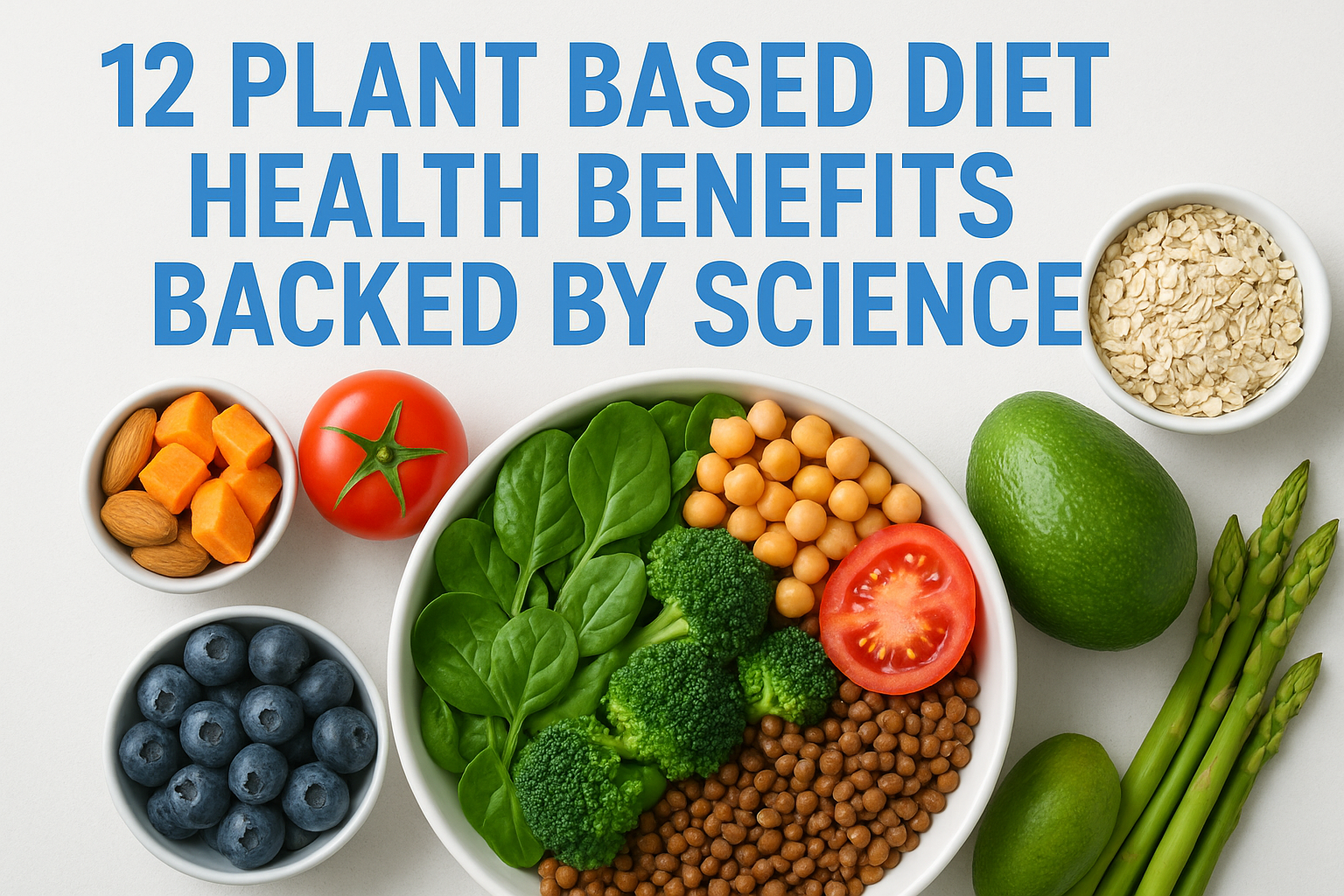
More people are skipping the meat aisle and filling their carts with whole grains, legumes, and leafy greens, and the research backs them up. The plant based diet health benefits aren’t just hype from wellness influencers. Peer-reviewed studies from major institutions consistently link plant-forward eating patterns to lower risks of heart disease, type 2 diabetes, and obesity.
Still, sorting solid science from social media noise can be exhausting. You might wonder which health claims actually hold up under scrutiny and whether a plant-based approach can realistically fit your life. The short answer: the evidence is strong, and you don’t need to overhaul your kitchen overnight. Small, intentional shifts toward more plant foods can produce measurable improvements in how your body functions, from blood pressure regulation to gut microbiome diversity.
That’s exactly the kind of practical, evidence-based guidance we focus on here at Worganic Foods. Our mission is to help you make informed choices about organic, whole-food nutrition without the guesswork. Whether you’re exploring plant-based eating for the first time or looking to deepen a commitment you’ve already made, this article breaks down 12 specific health benefits supported by current scientific literature. Each one gives you a clear reason, rooted in data, not trends, to put more plants on your plate.
1. Reduces Risk of Heart Disease
Heart disease remains the leading cause of death in the United States, accounting for roughly one in five deaths each year according to the CDC. One of the most consistent plant based diet health benefits documented across decades of research is a meaningful reduction in cardiovascular risk, and this holds across multiple populations and study designs.

What the Research Shows
Large-scale studies provide compelling evidence here. A 2019 analysis published in the Journal of the American Heart Association followed over 12,000 adults for nearly three decades and found that people with the highest adherence to plant-based diets had a 16% lower risk of developing cardiovascular disease and a 32% lower risk of dying from it compared to those eating primarily animal products.
People who consistently follow plant-forward eating patterns show significantly lower rates of heart attacks and cardiovascular mortality compared to those eating primarily animal-based diets.
The PREDIMED trial, one of the largest cardiovascular nutrition studies ever conducted, also showed that Mediterranean-style diets built around plant foods, nuts, and olive oil reduced major cardiovascular events by approximately 30% compared to a low-fat control diet.
Why It Happens
Several biological mechanisms explain the cardiovascular protection. Plants deliver soluble fiber, potassium, antioxidants, and phytochemicals that directly counteract common drivers of heart disease. Soluble fiber binds to cholesterol in the digestive tract and helps remove it before it enters the bloodstream. Potassium from foods like beans, sweet potatoes, and leafy greens helps regulate blood pressure by counteracting the effects of sodium.
Plant-based diets are also lower in saturated fat and contain zero dietary cholesterol. Saturated fat from meat and full-fat dairy raises LDL cholesterol, which accumulates in arterial walls and contributes to plaque buildup over time.
How to Get the Most Heart Benefit
You don’t need to eat perfectly to see results. Research consistently shows that incremental increases in plant food consumption produce measurable heart benefits. Start by replacing one meat-based meal per day with a legume-centered alternative like lentil soup or black bean tacos.
Prioritize whole plant foods over processed plant products. A veggie burger made with refined oils and high sodium provides far less cardiovascular benefit than a bowl of whole grains and roasted vegetables. Olive oil, walnuts, and flaxseed also add anti-inflammatory omega-3 fatty acids that strengthen heart-protective effects.
Who Should Use Extra Caution
If you have existing cardiovascular disease or take medications like blood thinners or statins, consult your doctor before making major dietary changes. Some plant foods, particularly leafy greens high in vitamin K, can interact with anticoagulant medications like warfarin.
People managing heart failure or chronic kidney disease alongside a heart condition face additional dietary complexity and benefit from working with a registered dietitian who can design a plant-forward plan that accounts for specific restrictions around potassium, sodium, and fluid intake.
2. Lowers LDL Cholesterol
One of the most studied plant based diet health benefits is its effect on LDL cholesterol, the particle most directly linked to arterial plaque and cardiovascular events. Research consistently shows that whole plant foods can move LDL in the right direction without medication as a first resort.
What the Research Shows
A meta-analysis in The American Journal of Clinical Nutrition covering 27 randomized controlled trials found that plant-based diets lowered LDL by an average of 10-15% compared to omnivorous diets. That reduction moves many people out of the high-risk range without pharmaceutical intervention.
Research suggests plant-based dietary patterns can match the LDL-lowering effect of low-dose statin therapy in people with mildly elevated cholesterol.
Why It Happens
Plants contain zero dietary cholesterol and very little saturated fat, which means your liver gets less signal to produce more LDL. Beyond that, soluble fiber from oats, beans, and barley binds to bile acids in your gut and removes them during digestion, forcing your body to draw LDL from the bloodstream to synthesize replacements.
Phytosterols found in nuts, seeds, and whole grains add another layer by physically blocking cholesterol absorption at the intestinal wall, working alongside fiber through a separate mechanism.
How to Get the Most LDL Improvement
Prioritize foods with the strongest clinical evidence: oats, ground flaxseed, legumes, and soy protein. Even swapping one meat-based meal per day for a legume dish can produce measurable cholesterol changes within weeks.
Steer clear of heavily processed plant-based products containing coconut or palm oil, which raise LDL similarly to animal fats despite technically being plant-derived.
Who Should Use Extra Caution
If your doctor has prescribed a statin or cholesterol medication, don’t adjust or stop it based on dietary changes without direct medical guidance. Diet and medication can work together well, and your doctor can help you track LDL trends over time.
People with familial hypercholesterolemia need to understand that this genetic condition typically requires medical management alongside dietary improvements, since diet alone rarely achieves adequate LDL control in these cases.
3. Lowers Blood Pressure
High blood pressure affects nearly half of American adults and quietly raises your risk of stroke, kidney failure, and heart attack before you notice any symptoms. One of the well-documented plant based diet health benefits is its consistent ability to reduce blood pressure across different populations, often without requiring medication changes.
What the Research Shows
Multiple large studies point in the same direction. A meta-analysis published in JAMA Internal Medicine reviewing 39 studies found that vegetarian diets reduced systolic blood pressure by an average of 4.8 mmHg and diastolic pressure by 2.2 mmHg compared to omnivorous diets. That may sound modest, but a 5 mmHg drop in systolic pressure translates to roughly a 14% reduction in stroke risk at the population level.
Even modest blood pressure reductions achieved through dietary changes can meaningfully lower your lifetime risk of stroke and cardiovascular events.
Why It Happens
Plant foods deliver an unusually high ratio of potassium to sodium, which is the key lever in blood pressure regulation. Potassium relaxes blood vessel walls and helps your kidneys excrete excess sodium more efficiently, while animal-based diets tend to flip this ratio unfavorably.
Nitrate-rich vegetables like beets, spinach, and arugula also contribute by converting into nitric oxide in your body, which signals blood vessel walls to dilate and reduces arterial resistance directly.
How to Get the Most Blood Pressure Benefit
Prioritize potassium-dense whole foods like white beans, lentils, sweet potatoes, and bananas consistently across your meals. Also watch sodium in processed plant-based convenience products, which often carry surprisingly high sodium levels despite containing no meat. Reducing those swaps the benefit you gained back.
Who Should Use Extra Caution
If you currently take blood pressure medication, dietary improvements can amplify the drug’s effect and push readings too low. Track your numbers at home and ask your doctor to reassess your dosage as your diet shifts.
People with chronic kidney disease need to monitor potassium intake carefully, since impaired kidneys may not clear elevated potassium levels efficiently.
4. Improves Type 2 Diabetes Outcomes
Type 2 diabetes affects over 37 million Americans and remains one of the most costly and preventable chronic conditions in the country. Among the most clinically significant plant based diet health benefits is its ability to improve blood sugar control and, in some cases, reduce the need for diabetes medication over time.

What the Research Shows
The clinical evidence is substantial. A landmark study published in Diabetes Care compared a low-fat vegan diet to a conventional American Diabetes Association diet and found that vegan participants lowered their HbA1c by 1.23 percentage points, compared to 0.38 points in the control group over 22 weeks.
Plant-based diets can produce HbA1c reductions comparable to some oral diabetes medications in adults with type 2 diabetes.
Why It Happens
Plant foods are naturally lower in saturated fat and higher in dietary fiber, both of which directly influence insulin sensitivity. Excess saturated fat interferes with how efficiently your cells respond to insulin, a process researchers call lipid-induced insulin resistance.
When you reduce animal fats and increase fiber from legumes, vegetables, and whole grains, your cells respond to insulin more predictably and blood glucose stabilizes after meals more consistently.
How to Get Better Blood Sugar Control
Focus your meals on high-fiber, low-glycemic carbohydrates rather than refined grains or fruit juices. Specific foods with the strongest evidence include:
- Lentils and chickpeas: slow digestion slows glucose absorption
- Barley and oats: beta-glucan fiber lowers post-meal blood sugar
- Non-starchy vegetables: high volume, minimal glucose impact
Who Should Use Extra Caution
If you take insulin or blood sugar-lowering medications, dietary improvements can lower glucose levels quickly enough to cause hypoglycemia. Work closely with your doctor to monitor blood sugar and adjust dosages proactively as your diet shifts. Never taper medications without medical guidance.
5. Supports Healthy Weight Loss
Plant-based eating patterns consistently appear in weight management research as one of the most sustainable approaches available. Among the documented plant based diet health benefits, the effect on body weight stands out because it tends to happen without calorie counting or deliberate food restriction.
What the Research Shows
A meta-analysis in the Journal of General Internal Medicine reviewed 12 randomized controlled trials and found that people following plant-based diets lost significantly more weight than those following conventional diets, averaging about 4.4 pounds more over the study periods. Importantly, this occurred even when researchers did not specifically ask participants to restrict calories.
People on plant-based diets lose more weight on average than those on conventional diets, even without explicit calorie restriction.
Why It Happens
Plant foods are naturally lower in caloric density, meaning you eat a larger volume of food for fewer calories. A cup of cooked lentils delivers roughly 230 calories along with substantial protein and fiber, while an equivalent serving of ground beef contains over 350 calories with no fiber to slow digestion.
Your stomach reaches fullness signals before you have consumed excess calories, so energy intake drops naturally without the hunger that derails most conventional diets.
How to Lose Weight Without Feeling Deprived
Build meals around high-volume, high-fiber foods like beans, root vegetables, leafy greens, and whole grains. These foods extend satiety between meals and reduce the urge to snack heavily. Center your plate on whole food sources rather than refined plant products, which provide far less lasting satisfaction and often carry significant added sugar or sodium.
Who Should Use Extra Caution
Rapid weight loss is not always appropriate. If you have a history of disordered eating or a medical condition requiring specific calorie thresholds, introduce plant-based changes gradually with support from a registered dietitian who can track your nutritional intake and adjust your plan as needed.
6. Helps You Eat More Fiber for Gut Health
Most Americans consume only about 16 grams of fiber per day, falling well short of the recommended 25 to 38 grams. Among the most straightforward plant based diet health benefits is that it naturally closes this gap, since fiber exists exclusively in plant foods and is completely absent from meat, dairy, and eggs.
What the Research Shows
Research published in The Lancet reviewed 185 studies and 58 clinical trials and found that people eating the most dietary fiber had a 15-30% lower risk of all-cause and cardiovascular mortality compared to those eating the least. Higher fiber intake also correlated with significantly lower rates of type 2 diabetes, colorectal cancer, and excess body weight.
Higher dietary fiber intake is consistently linked to lower rates of heart disease, type 2 diabetes, and certain cancers across large-scale observational studies.
Why It Happens
Your digestive system depends on fiber to move waste efficiently and maintain the structural integrity of the gut lining. Insoluble fiber adds bulk and reduces transit time, which limits how long potential carcinogens stay in contact with intestinal tissue. Soluble fiber forms a gel that slows digestion and stabilizes blood sugar while also feeding beneficial gut bacteria that produce short-chain fatty acids, compounds that actively reduce intestinal inflammation.
How to Increase Fiber Without GI Misery
Jumping from low to high fiber intake too fast causes gas, bloating, and cramping. Increase your intake gradually over two to four weeks and drink significantly more water as you go, since fiber absorbs fluid during digestion. Your most reliable high-fiber options include:
- Legumes: lentils, black beans, chickpeas (12-15g per cooked cup)
- Whole grains: oats, bulgur, quinoa (4-8g per cooked cup)
- Vegetables: broccoli, artichokes, Brussels sprouts (4-7g per cup)
Who Should Use Extra Caution
People with irritable bowel syndrome or inflammatory bowel disease may react poorly to specific fiber types, particularly insoluble fiber from wheat bran. Work with a gastroenterologist or dietitian to identify which fiber sources your gut tolerates before significantly increasing your intake.
7. Supports a Healthier Gut Microbiome
The trillions of bacteria living in your digestive tract do far more than process food. Among the documented plant based diet health benefits, the impact on your gut microbiome stands out because it touches nearly every system in your body, from immune function to mood regulation.

What the Research Shows
Research published in Gut found that plant-based eaters harbor significantly higher microbial diversity than those eating primarily animal products. Diversity is a reliable marker of gut health; a wider range of bacterial species correlates with better metabolic function, stronger immune responses, and reduced risk of chronic disease.
People who eat more plant foods consistently show greater gut microbial diversity, a key indicator of long-term digestive and immune health.
Why It Happens
Plants deliver prebiotic fibers and polyphenols that your body cannot digest on its own but your gut bacteria thrive on. Compounds like inulin from onions and garlic, resistant starch from legumes and cooled potatoes, and polyphenols from berries and dark leafy greens selectively feed beneficial bacterial strains like Bifidobacterium and Lactobacillus. These strains produce short-chain fatty acids such as butyrate, which strengthen the gut lining and reduce intestinal permeability.
How to Feed the Right Gut Microbes
Your microbiome responds quickly to dietary shifts, often within days. Focus on variety across plant food categories rather than just volume. Rotating through different legumes, vegetables, fruits, and whole grains exposes your microbiome to a broader range of fermentable substrates. Fermented plant foods like kimchi, sauerkraut, and miso also introduce live bacterial cultures that add meaningfully to your microbial population.
Who Should Use Extra Caution
People recovering from gut dysbiosis or small intestinal bacterial overgrowth may find that rapidly increasing fermentable fibers worsens symptoms. A registered dietitian can help you introduce prebiotic foods gradually while monitoring your digestive response and adjusting the pace accordingly.
8. Reduces Inflammation Markers
Chronic low-grade inflammation sits at the root of most major diseases, including heart disease, type 2 diabetes, and certain cancers. Among the studied plant based diet health benefits, the ability to lower systemic inflammation markers gives this eating pattern particular long-term significance.
What the Research Shows
A study published in Public Health Nutrition found that people following plant-based diets had significantly lower levels of C-reactive protein (CRP), one of the most widely used blood markers for systemic inflammation, compared to meat eaters. Additional research from The Journal of Nutrition confirmed that higher fruit and vegetable intake directly correlates with lower inflammatory cytokine levels across diverse adult populations.
Consistently lower CRP levels in plant-based eaters suggest that diet alone can meaningfully reduce the baseline inflammatory burden your body carries.
Why It Happens
Plant foods supply concentrated antioxidants and polyphenols that neutralize free radicals before they trigger inflammatory cascades in your tissues. Compounds like quercetin in onions, curcumin in turmeric, and anthocyanins in berries interrupt the molecular signaling pathways that activate your immune system unnecessarily. At the same time, reducing saturated fat from animal products lowers activation of inflammatory receptors in your gut wall and adipose tissue.
How to Make Your Plant-Based Diet Anti-Inflammatory
Not all plant foods reduce inflammation equally. Focus on deeply pigmented whole foods like blueberries, dark leafy greens, walnuts, and extra-virgin olive oil, which carry the highest antioxidant loads per serving. Limit refined carbohydrates and processed plant-based products, since excess added sugar and refined oils drive inflammation regardless of whether the product is technically vegan.
Who Should Use Extra Caution
If you manage an autoimmune condition, dietary changes can shift your immune activity in ways that interact with immunosuppressive medications. Work with your physician to monitor relevant blood markers regularly as you increase plant food intake, so your treatment plan stays appropriately calibrated.
9. Lowers Risk of Certain Cancers
Cancer risk is shaped by a combination of genetics, environment, and lifestyle factors you can actually control. Among the evidence-supported plant based diet health benefits, the association between plant-forward eating and reduced cancer incidence is one of the most consistently documented findings in nutritional epidemiology.
What the Research Shows
The World Cancer Research Fund conducted one of the most comprehensive cancer-nutrition analyses ever published, reviewing data from hundreds of studies. Their findings identified strong evidence linking higher vegetable and fiber intake to lower risks of colorectal, breast, and esophageal cancers. A large cohort study in JAMA Internal Medicine found that vegetarians had a 22% lower overall cancer risk compared to non-vegetarians, with the strongest protective effects appearing for gastrointestinal cancers.
People who regularly eat fiber-rich plant foods show measurably lower rates of colorectal cancer across multiple large population studies.
Why It Happens
Plant foods reduce cancer risk through several overlapping biological mechanisms. High fiber intake shortens the time that waste and potential carcinogens stay in contact with the intestinal lining, directly lowering colorectal cancer exposure. Phytochemicals like sulforaphane from cruciferous vegetables and lycopene from tomatoes activate detoxification enzymes and suppress tumor cell growth at the molecular level. Maintaining a healthy body weight through plant-based eating also matters, since excess adipose tissue drives the inflammatory and hormonal conditions that accelerate cancer development.
How to Build a Cancer-Protective Plant-Forward Plate
Prioritize cruciferous vegetables like broccoli, cauliflower, and kale several times per week, since these carry the strongest cancer-protective evidence. Pair them with legumes and whole grains to maximize fiber across the day. A few foods with particularly consistent research support include:
- Berries: high anthocyanin content supports cellular defense mechanisms
- Cruciferous vegetables: sulforaphane activates detoxification enzymes directly
- Legumes: fiber reduces carcinogen contact time in the colon
Who Should Use Extra Caution
If you carry a personal or family history of cancer, talk with your oncologist before making significant dietary changes. Some treatments interact with specific plant compounds, and your medical team can help you build a plant-forward plan that complements your care rather than complicates it.
10. Supports Kidney Health in Many People
Your kidneys filter roughly 200 liters of blood every day, and what you eat directly shapes how hard they have to work. Among the plant based diet health benefits studied in clinical research, the effect on kidney function deserves attention, particularly for people managing early-stage chronic kidney disease or diabetes-related kidney stress.
What the Research Shows
Research published in the Clinical Journal of the American Society of Nephrology found that adults with chronic kidney disease who followed plant-predominant diets had significantly slower rates of kidney function decline compared to those eating primarily animal protein. A separate analysis found that replacing animal protein with plant protein sources reduced phosphorus load and metabolic acid production, two key stressors that accelerate kidney damage over time.
Shifting toward plant protein can reduce the metabolic burden on kidneys, potentially slowing the progression of chronic kidney disease in many adults.
Why It Happens
Animal protein generates higher levels of uremic toxins and acid byproducts during metabolism compared to plant protein. Your kidneys must process and excrete these waste products continuously. Plant foods also tend to carry lower phosphorus bioavailability, meaning less phosphorus actually enters your bloodstream even when the food contains similar amounts on paper, because plant-based phosphorus is bound to compounds your gut absorbs less efficiently.
How to Go Plant-Forward With Kidney Concerns
Focus on whole plant protein sources like lentils, tofu, and tempeh as your primary replacements for meat. These provide complete or near-complete amino acid profiles with significantly less metabolic acid burden. Limit high-oxalate foods like spinach and beets if your doctor has flagged oxalate-related kidney stones as a concern for you specifically.
Who Should Use Extra Caution
If you have Stage 3 or higher chronic kidney disease, potassium and phosphorus restrictions may limit which plant foods work safely for you. Work with a renal dietitian before significantly increasing legumes or high-potassium vegetables, since a personalized plan matters considerably at advanced stages.
11. May Improve Energy and Exercise Recovery
Athletes and active adults increasingly report feeling better and recovering faster after shifting toward plants, and the research is starting to explain why. Among the emerging plant based diet health benefits, the impact on energy levels and post-exercise recovery draws growing interest from both recreational exercisers and competitive athletes.

What the Research Shows
A study published in Nutrients found that endurance athletes following plant-based diets showed comparable aerobic capacity and significantly lower oxidative stress markers after exercise compared to omnivore athletes. A separate analysis of data from the EPIC-Oxford cohort found that plant-based eaters reported higher general vitality scores, suggesting that consistent plant food consumption correlates with better day-to-day energy independent of athletic training.
Plant-based athletes show oxidative stress levels after training that are measurably lower than those of their omnivore counterparts, supporting faster tissue recovery.
Why It Happens
Your muscles produce free radicals during intense exercise, and the speed at which you recover depends partly on how effectively your body neutralizes those compounds. Plant foods deliver concentrated antioxidants and anti-inflammatory phytochemicals that reduce oxidative damage and inflammatory signaling in muscle tissue after a hard session. Plants also provide nitrate-rich foods like beets and spinach, which increase nitric oxide availability and improve oxygen efficiency during aerobic exercise, letting you sustain effort with less cardiovascular strain.
How to Fuel Training on a Plant-Based Diet
Timing and food selection both matter. Consume adequate protein within two hours of training using sources like tempeh, edamame, or pea protein to support muscle repair. Pair your recovery meal with carbohydrate-dense whole foods such as sweet potatoes or brown rice to replenish glycogen stores efficiently.
Who Should Use Extra Caution
Endurance athletes logging high training volumes face elevated risks of iron and B12 deficiency, both of which impair oxygen transport and energy production. Get regular blood work done to catch shortfalls before they affect your performance or health.
12. May Support Longer Life and Healthy Aging
Living longer matters less if the extra years bring chronic disease and declining function. One of the broader plant based diet health benefits researchers continue to study is its association with longer lifespan and reduced age-related decline, spanning outcomes from cognitive function to overall mortality risk.
What the Research Shows
Long-term population studies offer meaningful data here. Research following Blue Zone populations, the communities around the world where people consistently live past 90 and 100, shows that plant-dominant diets appear in every single one of them. A study in The American Journal of Clinical Nutrition found that vegetarians lived an average of 3.6 years longer than non-vegetarians after adjusting for smoking, body weight, and exercise habits.
Populations with the highest rates of longevity worldwide consistently eat diets built primarily around whole plant foods.
Why It Happens
Plant-forward eating addresses multiple biological aging mechanisms at once. Chronic inflammation and oxidative stress are two of the most well-established accelerators of cellular aging, and plant foods systematically reduce both through antioxidants, fiber, and low saturated fat intake. Protecting healthy weight, blood pressure, and blood sugar across decades also reduces cumulative wear on organs that would otherwise drive premature functional decline.
How to Make It Sustainable for Decades
Long-term dietary patterns succeed when they feel manageable and enjoyable, not restrictive. Build your meals around foods you actually like, rotate through different legumes, grains, vegetables, and fruits to prevent monotony, and allow flexibility for special occasions without abandoning your baseline habits. Small, consistent choices compound over decades far more reliably than short bursts of strict eating ever will.
Who Should Use Extra Caution
Older adults face heightened protein needs and increased risk of B12, vitamin D, and calcium deficiency as nutrient absorption efficiency declines with age. Work with your doctor to test key nutrient levels annually and adjust both your food choices and any supplements your results indicate you need.

Your Next Step
The plant based diet health benefits covered in this article share one common thread: they compound. Lowering your LDL also protects your kidneys. Reducing inflammation also supports exercise recovery. Feeding your gut microbiome also stabilizes your blood sugar. These benefits do not operate in isolation, and neither do the small choices you make at each meal. You do not need to go fully vegan overnight to start experiencing measurable improvements.
Pick one change you can make this week. Swap your usual lunch protein for lentils, add a handful of leafy greens to dinner, or replace a processed snack with a handful of walnuts and berries. Those single shifts create momentum. Building on that momentum consistently over months produces the kind of long-term results the research actually documents. When you are ready to explore quality organic ingredients to support your plant-forward meals, visit Worganic Foods to find options that match where you are right now.
Discover more from Woganic Blog
Subscribe to get the latest posts sent to your email.

Leave a Reply
Your email is safe with us.