

Heart disease remains the leading cause of death in the United States, responsible for roughly 1 in every 5 deaths each year. Yet research consistently shows that what you eat plays a direct role in your cardiovascular risk, and a plant-based diet for heart health ranks among the most effective dietary strategies studied. The evidence isn’t subtle: people who eat more whole plant foods tend to have lower blood pressure, healthier cholesterol levels, and fewer cardiac events.
So what makes plants so protective, and which foods matter most? That’s exactly what we’ll break down here, the science behind why plant-based eating supports your heart, the specific foods that deliver the strongest benefits, and practical tips to start making changes that stick. At Worganic Foods, we believe that choosing organic, whole-food ingredients is one of the most meaningful steps you can take for long-term health, and heart health is no exception.
Whether you’re considering a full shift to plant-based eating or simply want to add more heart-friendly foods to your current routine, this guide gives you the research-backed information you need. No gimmicks, no extremes, just clear guidance rooted in science and real food.
Why plant-based eating supports heart health
When you eat a diet rich in whole plants, several biological mechanisms work together to protect your cardiovascular system. Plant foods are naturally low in saturated fat and free from dietary cholesterol, two factors directly linked to elevated LDL cholesterol and arterial plaque buildup. At the same time, they deliver compounds your heart actively benefits from, including fiber, potassium, antioxidants, and anti-inflammatory phytonutrients.
How plants reduce inflammation and oxidative stress
Chronic inflammation is a core driver of heart disease. It damages arterial walls, promotes plaque formation, and increases the risk of clots. Plant-based diets are consistently associated with lower inflammatory markers, such as C-reactive protein (CRP), compared to diets heavy in processed meat and refined foods. Foods like berries, leafy greens, and legumes contain polyphenols and flavonoids that actively suppress inflammatory pathways at the cellular level.
Research published by the American Heart Association links higher plant food consumption to measurably lower levels of systemic inflammation, a key predictor of cardiovascular events.
Your blood vessels also benefit directly. Antioxidant-rich foods protect the endothelium, the thin layer of cells lining your arteries, from oxidative damage. A healthy endothelium keeps blood flowing smoothly and helps your body regulate blood pressure without pharmaceutical intervention.
The role of fiber and potassium in blood pressure and cholesterol
Soluble fiber, found in oats, beans, and apples, binds to cholesterol in your digestive tract and removes it before it reaches your bloodstream. This mechanism directly lowers LDL levels. Studies show that adding just 5 to 10 grams of soluble fiber per day can reduce LDL cholesterol by up to 5 percent on its own.
Potassium plays an equally important role. Most Americans fall short of the recommended 4,700 mg of potassium per day, and low intake correlates consistently with higher blood pressure. Plant foods supply large amounts of potassium through sweet potatoes, bananas, spinach, and white beans. Following a plant based diet for heart health means you’re not just cutting harmful inputs, you’re actively loading your body with nutrients that regulate blood pressure and support the structural integrity of your arteries.
What the science says about heart disease risk and reversal
The research on plant-based eating and cardiovascular outcomes has grown substantially over the past few decades. Large-scale studies consistently show that people who follow plant-forward diets have significantly lower rates of coronary artery disease, heart attacks, and stroke compared to those who eat more animal products and processed foods.
Evidence from major population studies
Researchers have tracked tens of thousands of participants over decades to understand how diet shapes heart disease risk. The Adventist Health Studies, which followed Seventh-day Adventists in the United States and Canada, found that vegetarians had a 32 percent lower risk of ischemic heart disease compared to non-vegetarians. Similar findings emerged from the EPIC-Oxford cohort, confirming that plant-heavy diets correlate with lower cardiac mortality across different populations.
A 2019 analysis in the Journal of the American Heart Association found that higher adherence to a plant-based diet was associated with a 16 percent lower risk of cardiovascular disease overall.
Can a plant-based diet actually reverse heart disease?
This is where the science gets particularly compelling. Dr. Dean Ornish conducted controlled clinical trials showing that an intensive plant-based diet, combined with lifestyle changes, could reverse coronary artery disease in patients who already had established blockages. Participants saw measurable reductions in arterial plaque and improved blood flow without surgical intervention.
Following a plant based diet for heart health isn’t just a preventive strategy. For people already managing cardiovascular disease, the evidence points to real therapeutic potential that you should discuss with your doctor as part of a broader treatment plan.
Best foods to eat more of and foods to limit
Knowing which foods to prioritize and which to pull back on is the practical foundation of a plant based diet for heart health. The choices you make at every meal either reinforce cardiovascular protection or chip away at it, so specificity matters here.
Foods that actively protect your heart
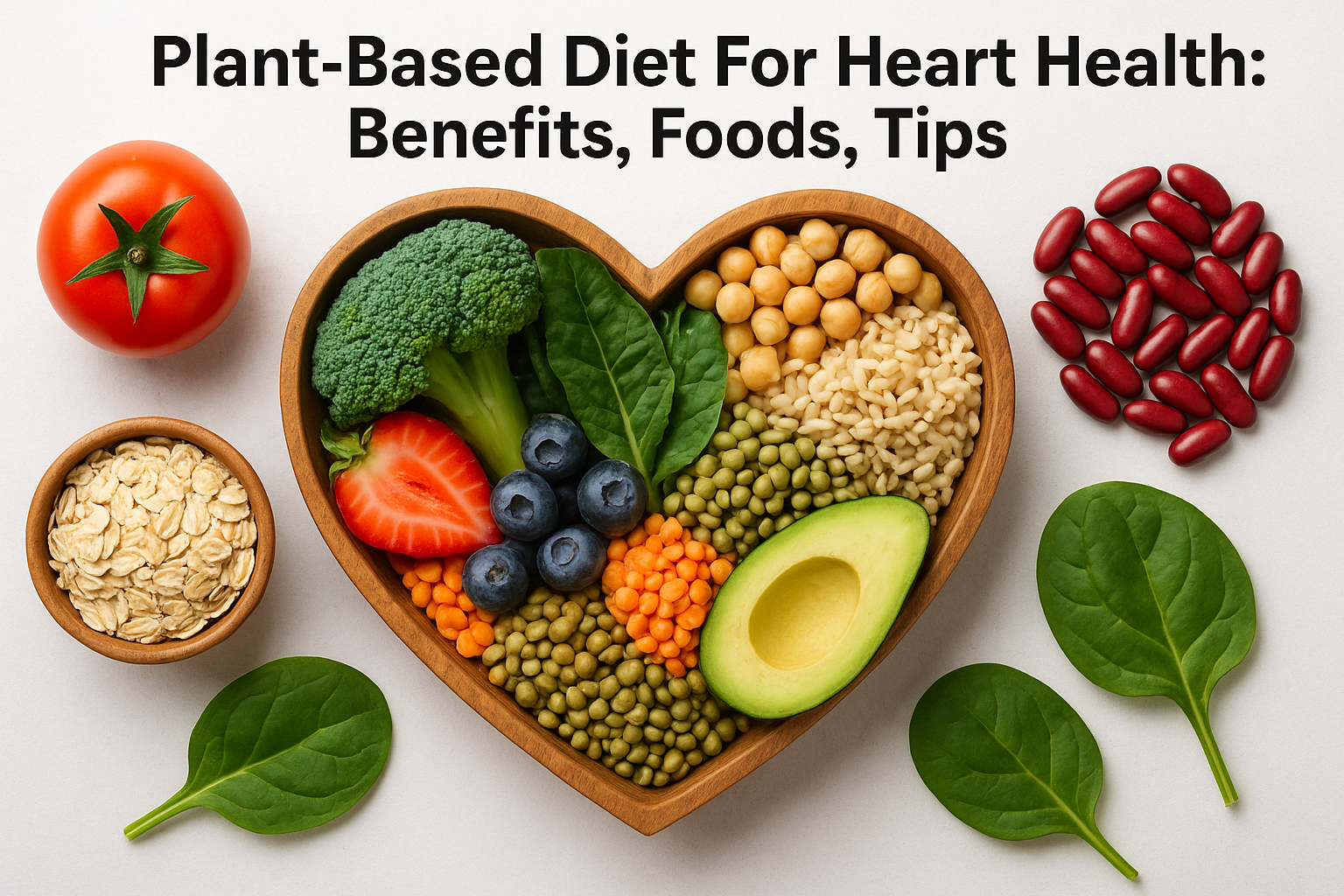
Whole plant foods deliver the biggest impact when you focus on variety and nutrient density. The following categories consistently show up in the strongest cardiovascular research:

- Leafy greens (spinach, kale, arugula): rich in nitrates that support healthy blood pressure
- Legumes (lentils, black beans, chickpeas): high in soluble fiber that actively lowers LDL cholesterol
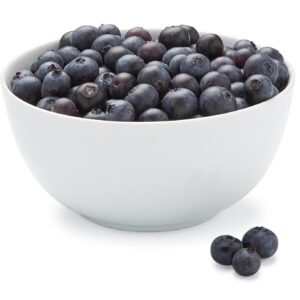
- Berries (blueberries, strawberries, raspberries): packed with anthocyanins that reduce arterial stiffness
- Whole grains (oats, barley, brown rice): provide beta-glucan fiber linked to measurable cholesterol reduction
- Nuts and seeds (walnuts, flaxseed, chia): supply omega-3 fatty acids and plant sterols that support lipid balance
A Harvard School of Public Health review found that eating nuts five or more times per week was associated with a 14 percent lower risk of cardiovascular disease compared to eating them rarely or never.
Foods to limit or avoid
Processed meats, full-fat dairy, and refined carbohydrates are the three categories most consistently linked to worse cardiovascular outcomes. Sodium-heavy packaged foods raise blood pressure directly, while trans fats and saturated fats from fried foods and fatty animal products elevate LDL and trigger inflammatory responses in your arteries. Replacing these with whole plant alternatives drives measurable improvements over time.
How to start a heart-healthy plant-based diet
Starting a plant based diet for heart health doesn’t require you to overhaul your kitchen overnight. The most sustainable approach is gradual substitution, swapping one or two meals per week rather than attempting an immediate, total dietary shift that feels overwhelming.
Start with what you already eat
Look at your current meals and identify which ones are already close to plant-based. A pasta dish, for instance, becomes significantly more heart-protective when you swap meat sauce for a lentil-based alternative and add spinach. Starting from familiar recipes keeps the transition manageable and reduces the chance you’ll abandon the effort within the first few weeks.
The American Heart Association recommends building meals around vegetables, fruits, whole grains, and legumes as the foundation of a heart-healthy eating pattern.
Build a simple weekly routine
Consistency matters more than perfection. Meal prepping legumes, grains, and roasted vegetables on one day each week gives you ready-to-use ingredients that make plant-forward meals fast and practical on busier days.

Here is a simple framework to follow each week:
- Monday and Tuesday: Focus on bean-based meals like soups, grain bowls, or tacos with black beans
- Wednesday and Thursday: Build meals around leafy greens and whole grains, such as a barley and kale stir-fry
- Friday through Sunday: Experiment with new recipes using nuts, seeds, or tofu as your protein base
Your shopping list should anchor around the produce section, prioritizing seasonal vegetables, frozen fruits, and bulk dry legumes for both nutritional value and cost efficiency.
Common questions and key safety notes
Shifting toward a plant based diet for heart health raises practical questions, especially around protein, nutrients, and how strict you need to be. These are worth addressing directly so you can make informed decisions without second-guessing your approach.
Do you need to go fully plant-based?
No, you don’t need to eliminate all animal products to see meaningful heart health benefits. The research shows that even a predominantly plant-forward diet lowers cardiovascular risk compared to a standard Western diet. Studies on the Mediterranean diet, which includes modest amounts of fish and dairy, confirm that moving the balance toward whole plants is what drives the protective effect.
According to the American Heart Association, even partial shifts toward plant-based eating reduce the risk of heart disease, meaning every meaningful change you make counts.
Safety considerations and nutrients to watch
If you significantly reduce or eliminate animal products, a few nutrients require attention. Vitamin B12 is the most critical. It’s found almost exclusively in animal foods, so supplementation or fortified foods become necessary if you’re eating fully plant-based. Omega-3 fatty acids, iron, zinc, and calcium also deserve monitoring, particularly if you cut out fish and dairy entirely.
Getting routine bloodwork done with your doctor is the safest way to track these levels and adjust your diet or supplements as needed. People already managing heart disease, diabetes, or kidney conditions should consult a registered dietitian before making major dietary changes, since plant foods affect medication interactions and nutrient absorption in ways that vary by individual.

A heart-healthy way forward
The evidence is clear: a plant based diet for heart health is one of the most powerful, research-backed tools available to you right now. You don’t need to make every change at once. Small, consistent shifts toward whole plant foods, fewer processed products, and nutrient-dense ingredients add up to measurable improvements in blood pressure, cholesterol, and overall cardiovascular risk over time.
Start with one meal, one swap, one new ingredient this week. Your heart responds to what you consistently feed it, and every step forward counts. If you stay consistent over months, you’ll likely see real changes in your bloodwork and energy levels that reinforce the effort. Whether you’re focused on prevention or managing an existing condition, the direction matters more than perfection.
For more guidance on organic whole foods that support your wellness goals, explore heart-healthy organic food options and find products that make eating well both practical and enjoyable every day.
Discover more from Woganic Blog
Subscribe to get the latest posts sent to your email.




Leave a Reply
Your email is safe with us.