
Your gut does more than digest food, it influences your immune system, your mood, and your energy levels throughout the day. When your digestive system is off, you feel it everywhere. The good news? The best foods for gut health aren’t exotic or expensive. They’re whole, organic foods you can start eating today, and they make a real, measurable difference in how you feel.
At Worganic Foods, we believe that what you put on your plate shapes your entire well-being. That’s why we focus on organic, natural nutrition, because a healthy gut starts with clean ingredients, free from pesticides and unnecessary additives. Supporting your digestion naturally means choosing foods that work with your body, not against it.
In this article, we’re breaking down five specific foods, from fermented staples to fiber-rich plants, that actively support your gut microbiome and improve digestion over time. Whether you’re dealing with bloating, sluggish digestion, or just want to feel better after meals, these picks are backed by nutritional science and easy to add to your routine.
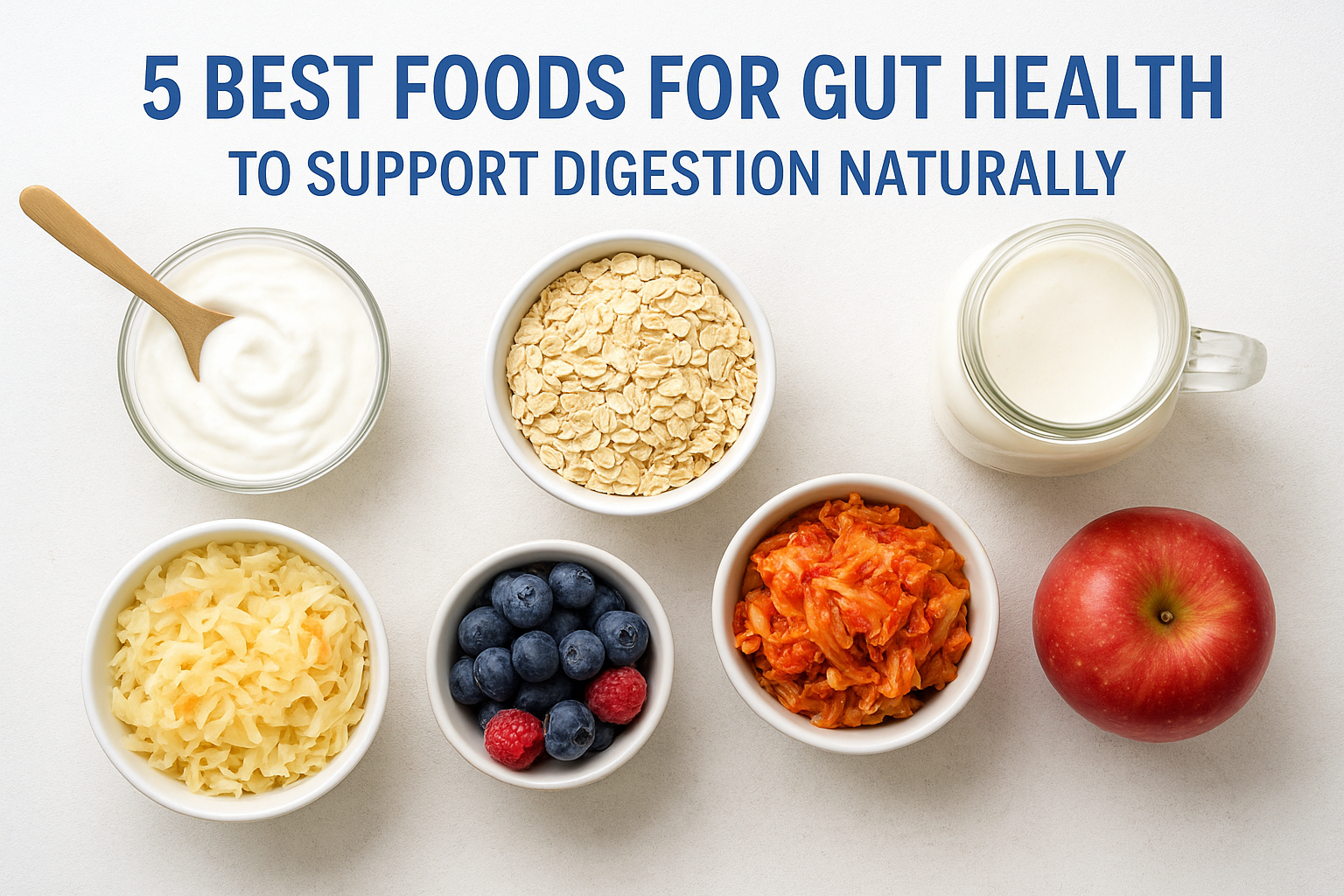
1. Organic yogurt and kefir
Organic yogurt and kefir are two of the most well-studied probiotic foods available, and they’re practical enough to eat every single day. Both are fermented dairy products packed with live bacterial cultures that replenish the beneficial microbes in your gut and help your digestive system run more efficiently.
Why it supports gut health
Yogurt and kefir deliver live probiotic strains like Lactobacillus and Bifidobacterium directly to your digestive tract, where they help maintain a balanced microbiome. Kefir, in particular, contains a wider variety of bacterial strains than most yogurts and is partially fermented, which makes it easier to digest, even for people with mild lactose sensitivity.
Research published through the National Institutes of Health shows that regular consumption of fermented dairy products is associated with improved gut microbiome diversity.
What to look for on the label
Always check for the phrase “live and active cultures” on the label, since heat-treated products lose their probiotic benefit entirely. Choose organic, full-fat versions with no added sugar or artificial flavors, because unnecessary additives can counteract the digestive benefits you’re trying to get.
Best ways to eat it for digestion support
Plain yogurt works well as a base for smoothies, stirred into oatmeal, or topped with berries for a quick breakfast. Kefir is best consumed on its own or blended, since cooking it kills the live cultures. Aim for one serving per day to keep your gut consistently supplied with beneficial bacteria.
Who should use caution
People with a dairy allergy should avoid both products entirely. If you have a diagnosed histamine intolerance, fermented dairy can trigger symptoms, so start with a very small amount and monitor your response before making it a daily habit.
2. Sauerkraut and kimchi
Sauerkraut and kimchi rank among the best foods for gut health because both are lacto-fermented vegetables packed with live probiotic cultures that support your digestive system directly.
Why it supports gut health
The fermentation process creates Lactobacillus bacteria that survive digestion and help balance your microbiome. These foods also deliver natural fiber from cabbage, which feeds the beneficial bacteria already living in your gut.
Research supported by the National Institutes of Health links regular fermented vegetable consumption to greater microbial diversity in the gut.
How to choose fermented veggies that actually help
Buy raw, unpasteurized versions from the refrigerated section only. Pasteurized shelf-stable options are cooked, which destroys the live cultures. Avoid products with added vinegar or preservatives, since authentic lacto-fermentation requires only vegetables and salt.

Easy ways to add it to meals without overdoing it
Start with two to three tablespoons per meal as a topping or side. Add sauerkraut to eggs or grain bowls, and use kimchi alongside rice or soup. Small daily portions work better for your gut than large occasional amounts.
Who should use caution
If you follow a low-sodium diet, monitor your intake carefully since both foods are naturally high in salt. People taking MAO inhibitors should consult a doctor before adding kimchi to their regular routine.
3. Oats
Oats earn their spot among the best foods for gut health because they provide soluble fiber your digestive system can put to immediate use. They’re affordable, widely available, and easy to prepare.
Why it supports gut health
Oats contain beta-glucan, a type of soluble fiber that forms a thick gel in your digestive tract. That gel slows digestion, feeds beneficial gut bacteria, and helps reduce inflammation in the intestinal lining.
Studies from the National Institutes of Health show that beta-glucan from oats significantly increases populations of beneficial bacteria like Bifidobacterium in the gut.
Best types of oats and how to prep them
Choose rolled oats or steel-cut oats over instant varieties, which are processed more heavily and often contain added sugar. Soaking oats overnight reduces phytic acid, which makes nutrients more bioavailable and gentler on your stomach.

Simple gut-friendly serving ideas
Top your oats with berries and plain yogurt to combine fiber and probiotics in one meal. A handful of ground flaxseed stirred in adds extra prebiotic benefit with minimal effort.
Who should use caution
People with celiac disease must choose certified gluten-free oats, since standard oats are often cross-contaminated with wheat. Anyone with a diagnosed oat sensitivity should skip this food entirely.
4. Beans and lentils
Beans and lentils belong on any list of the best foods for gut health because they deliver both prebiotic fiber and plant-based protein in every serving.
Why it supports gut health
Legumes are rich in resistant starch and soluble fiber, both of which feed beneficial bacteria in your colon. That fermentation process produces short-chain fatty acids like butyrate, which strengthen the intestinal lining and reduce gut inflammation over time.
Research from the National Institutes of Health links regular legume consumption to increased microbial diversity and lower levels of gut inflammation markers.
How to reduce gas and bloating when you add legumes
Start with small portions, around a quarter cup per serving, and increase gradually over two to three weeks. Soaking dried beans overnight and discarding the soaking water before cooking removes gas-producing compounds and makes legumes significantly easier to digest.
Fast meal ideas with beans and lentils
Stir cooked lentils into soups or grain bowls for a quick fiber boost. Try these simple pairings to keep meals interesting:
- Black beans with scrambled eggs or tacos
- Red lentils blended into tomato soup
- Chickpeas tossed into salads
Who should use caution
People with IBS or FODMAP sensitivities often react poorly to legumes. If that applies to you, work with a registered dietitian before adding high-fiber legumes to your daily routine.
5. Apples and berries
Apples and berries round out the best foods for gut health list because they combine prebiotic fiber and polyphenols that directly feed beneficial gut bacteria and reduce intestinal inflammation.
Why they support gut health
Apples contain pectin, a soluble fiber that acts as a prebiotic and feeds microbes like Bifidobacterium in your colon. Berries deliver polyphenols and anthocyanins that gut bacteria break down into compounds that lower inflammation and support a more diverse microbiome.
Research from the National Institutes of Health shows that polyphenol-rich fruits increase beneficial bacterial populations and improve gut barrier function.
How to pick and portion fruit for better digestion
Choose whole, organic apples and eat the skin, since that’s where most of the pectin concentrates. One medium apple or half a cup of berries per serving gives you enough fiber without overwhelming your digestive system.
Easy ways to pair fruit with other gut-friendly foods
Add sliced apples or berries to plain yogurt or oatmeal to stack prebiotic and probiotic benefits in one meal. Blending frozen berries into a morning smoothie with kefir is one of the simplest ways to support your gut every single day.
Who should use caution
People with fructose malabsorption may experience bloating from apples specifically. If you notice discomfort after eating fruit, cut back on portion sizes and consult a dietitian before making fruit a daily habit.

Quick gut health checklist
You now have a clear picture of the best foods for gut health and exactly how to use them. Before you head to the store, run through this checklist to make sure your gut-focused eating plan covers every base:
- Eat at least one probiotic food daily (yogurt, kefir, sauerkraut, or kimchi)
- Add a prebiotic fiber source to every meal (oats, beans, lentils, apples, or berries)
- Choose organic, whole-food versions without added sugar or preservatives
- Increase fiber gradually to avoid bloating and discomfort
- Pair fermented foods with fiber-rich plants to stack benefits in a single meal
Small, consistent changes build a stronger gut over time. Your digestion improves when you stay consistent with these foods week after week, not just occasionally. For more practical guidance on organic eating and natural wellness, visit Worganic Foods and explore the full library of resources waiting for you there.
Discover more from Woganic Blog
Subscribe to get the latest posts sent to your email.