
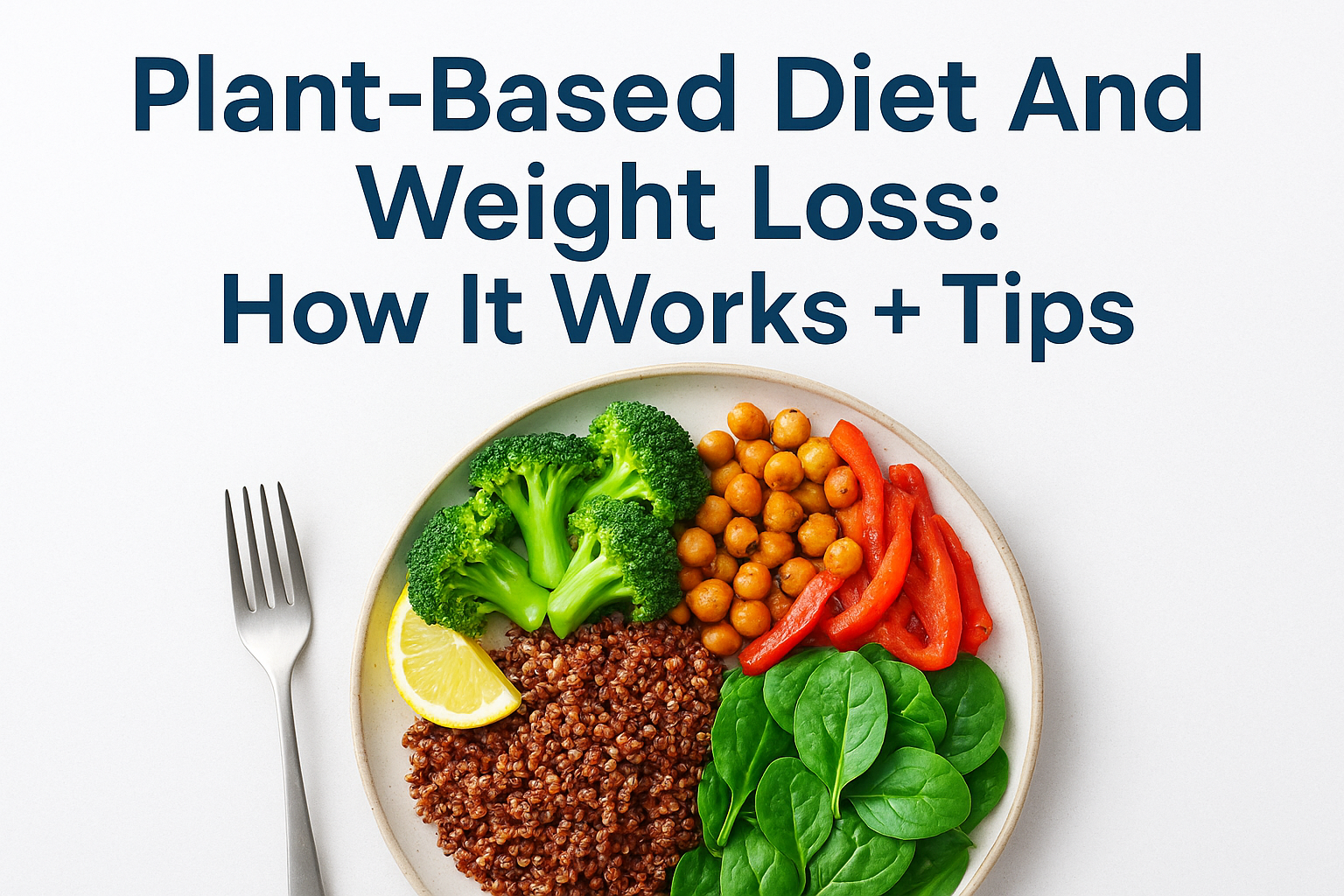
The connection between a plant-based diet and weight loss has been studied extensively over the past two decades, and the results are hard to ignore. People who shift toward whole, plant-centered eating consistently lose more weight than those on conventional calorie-restricted diets, often without tracking a single calorie.
But why does it work so well? The answer goes beyond just eating more vegetables. It involves fiber, calorie density, gut bacteria, and how your body processes different macronutrients. Understanding these mechanisms makes it much easier to stick with the approach long-term rather than treating it like another short-lived diet. That’s exactly what we break down here, the science and the practical steps to make it work for you.
At Worganic Foods, we’re focused on helping people build healthier lives through organic, whole-food choices. This guide walks you through how plant-based eating drives fat loss, what the research actually says, and straightforward tips for getting started, whether you’re going fully plant-based or just shifting the balance on your plate.
What a plant-based diet means for weight loss
A plant-based diet is not a single rigid eating plan. It’s a broad approach that centers your meals around foods grown from the ground, including vegetables, fruits, legumes, whole grains, nuts, and seeds. Some people go fully plant-based and eliminate all animal products, while others keep small amounts of fish, eggs, or dairy. What matters most for weight loss is where the majority of your calories come from and whether those foods are whole and minimally processed.
The most effective version of a plant-based diet for weight loss isn’t just "no meat." It’s built around whole, fiber-dense foods that keep you full without excess calories.
It’s a spectrum, not a strict label
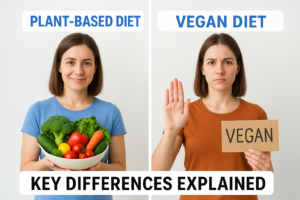
Many people assume plant-based means vegan, but that’s not accurate. Flexitarian, vegetarian, pescatarian, and fully vegan approaches all qualify as plant-based depending on how the term is applied. What connects them for weight-loss purposes is the shift toward higher-fiber, lower-calorie-density foods and away from the heavy saturated fats and refined ingredients that dominate most animal-heavy, processed eating patterns. You don’t have to go all-in on day one to see real results.
Plant-based eating exists on a continuum. Someone who replaces two or three weekly meals with legume-based dishes and cuts back on red meat is already moving in the right direction. Research indexed through the National Institutes of Health shows that even moderate increases in plant food consumption are linked to lower BMI and reduced waist circumference over time. The shift doesn’t need to be dramatic to be effective.
How calorie density changes the equation
One of the core reasons a plant based diet and weight loss go hand in hand comes down to calorie density. Whole plant foods, like leafy greens, beans, and root vegetables, pack a high volume of nutrients and fiber into a relatively small number of calories. This means you can eat a larger portion and still stay below the calorie threshold that leads to weight gain.

Compare a cup of cooked lentils at roughly 230 calories to a small cheeseburger patty at 300 calories or more. The lentils deliver far more fiber, protein, and micronutrients while occupying significantly more space in your stomach. Your body registers fullness based partly on volume and physical stretch in the digestive tract, not just raw calorie count. That structural advantage is something plant foods give you automatically at every meal.
Whole foods vs. processed plant foods
Not all plant-based food is created equal. Processed plant products, including vegan cookies, refined grain cereals, plant-based meat substitutes, and sweetened non-dairy milks, can be just as calorie-dense and low in fiber as the processed foods they replace. If your plant-based diet leans heavily on packaged convenience items, the weight-loss advantage largely disappears.
Whole plant foods preserve the fiber, water content, and micronutrients that make the approach work. A potato roasted with olive oil and herbs is a whole food. A bag of potato chips made without animal ingredients is still an ultra-processed snack. The distinction matters significantly when your goal is sustainable fat loss, not just short-term calorie cutting. Build your meals around foods that look close to how they were grown, and the calorie-density advantage works for you automatically without any need to obsess over numbers.
Why plant-based diets make weight loss easier
Most diets ask you to fight your hunger. A plant-based approach works differently. When the bulk of your meals come from whole plant foods, several natural mechanisms kick in simultaneously to make eating less feel effortless rather than like a constant battle. You’re not relying on willpower alone; the food structure itself is doing a lot of the work for you.
Fiber does the heavy lifting
Fiber is the single biggest reason a plant based diet and weight loss work so well together. Whole plant foods are the only natural dietary source of fiber, and most people eating conventional Western diets severely underconsuming it. The recommended daily intake sits around 25 to 38 grams, but the average American gets roughly 15 grams, according to data from the National Institutes of Health.

When you consistently hit adequate fiber intake, appetite control becomes noticeably easier because your digestive system stays engaged for longer after each meal.
This nutrient slows digestion, which keeps your blood sugar stable and delays the return of hunger signals. Soluble fiber, found in oats, beans, and apples, forms a gel in your gut that physically slows nutrient absorption. That process means you stay full longer on fewer calories, which creates the calorie deficit needed for fat loss without requiring you to track every bite you take.
You eat more volume with fewer calories
Plant foods carry a lot of water and fiber relative to their calorie content. This means a larger portion of vegetables, legumes, or whole grains fills your stomach with significantly fewer calories than the same physical volume of meat, cheese, or processed snack foods. Your brain receives fullness signals based partly on stomach stretch, not just calorie count, so satisfaction comes earlier in the meal.
Shifting your plate toward more whole plant foods gives you an automatic structural advantage at every sitting. You don’t need to shrink your portions to create a calorie deficit; you change what fills them. That shift alone tends to reduce daily calorie intake by a meaningful margin for most people, without leaving them hungry an hour later.
Plant foods reduce the drive to overeat
Ultra-processed foods are engineered to override your natural satiety signals. They combine fat, salt, and refined sugar in ratios that make it difficult to stop eating even after your body technically has enough fuel. Whole plant foods don’t have that problem. A bowl of lentil soup or a plate of roasted vegetables satisfies without triggering the compulsive eating loop that keeps many people stuck.
Replacing even a portion of highly processed items in your diet with whole plant options gives your natural hunger-regulation system room to function as designed. Over time, your appetite recalibrates toward what your body actually needs.
The science behind plant-based fat loss
The research on plant-based eating and fat loss goes well beyond simple calorie math. Studies published through institutions like the National Institutes of Health point to specific biological mechanisms that explain why people consistently lose more body fat on plant-centered diets compared to standard approaches, even when total calories are matched between groups.
Your gut microbiome shifts in your favor
When you increase your intake of fiber and plant polyphenols, the bacterial composition of your gut changes within weeks. A higher population of beneficial bacteria, including strains like Bifidobacterium and Akkermansia, is associated with lower body weight, better glucose metabolism, and reduced inflammation. These bacteria ferment dietary fiber and produce short-chain fatty acids, compounds that signal fullness, reduce fat storage, and help regulate appetite hormones like leptin and ghrelin.
Your gut microbiome responds faster to dietary changes than most people expect, and those changes directly influence how much fat your body stores.
Diets heavy in animal products and processed foods tend to feed bacteria linked to increased gut permeability and chronic low-grade inflammation, both of which make fat loss harder. Shifting toward whole plant foods tips that balance in your favor, and the metabolic benefits accumulate over time as your microbiome stabilizes around a healthier bacterial profile.
Insulin sensitivity improves with plant-heavy eating
One key reason a plant based diet and weight loss are so closely linked is the effect plant foods have on insulin sensitivity. Whole grains, legumes, and vegetables produce a lower glycemic response than refined carbohydrates or high-fat animal products. Your cells become more responsive to insulin, which means your body moves glucose into muscle tissue for energy rather than storing it as fat.
Chronically elevated insulin levels, driven by frequent blood sugar spikes, actively block the fat breakdown process. When you stabilize your blood sugar through high-fiber, low-glycemic meals, insulin stays lower throughout the day, which creates a hormonal environment where your body can access stored fat for fuel far more readily.
Plant protein supports muscle retention during fat loss
Losing fat without losing muscle matters for your long-term metabolism, and plant protein sources like lentils, tofu, tempeh, and edamame support that goal effectively. The amino acid profiles across diverse plant proteins cover your body’s full needs when you eat a variety throughout the day. Research consistently shows that adequate protein intake during a calorie deficit preserves lean muscle mass, which keeps your resting metabolic rate from dropping significantly as your weight decreases.
What results to expect and how to measure progress
Setting realistic expectations matters when you shift toward plant-based eating for weight loss. Most people see the scale move in the first two to four weeks, but the early drop often reflects water weight and reduced inflammation rather than fat loss alone. Sustainable fat loss on a plant-based diet typically runs between 0.5 and 1.5 pounds per week once your body adjusts to the new eating pattern, which aligns with what most registered dietitians consider a healthy rate of loss that preserves muscle.
Realistic timelines for fat loss
The first month on a whole-food plant-based plan usually brings noticeable changes in energy, digestion, and hunger patterns before the scale shows dramatic shifts. Your gut microbiome needs several weeks to adapt, and your appetite regulation improves as fiber intake rises. By the end of the second or third month, consistent calorie deficits driven by low-density plant foods tend to show up clearly as lost body fat rather than just fluctuations in water retention.
Most people underestimate how much their energy and hunger control improve before the physical changes become visible, and that shift matters for long-term success.
Individual results vary based on your starting weight, activity level, sleep quality, and how closely you stick to whole foods versus processed plant products. Someone starting at a higher body weight often sees faster initial results. Someone closer to their goal weight may lose more slowly but still improves body composition meaningfully over several months.
Better measures than the scale alone
Body weight on its own gives you an incomplete picture of what’s actually changing. A few additional measures give you a clearer and more motivating view of your real progress over time. Consider tracking the following alongside your weight:

- Waist circumference: Measure around your navel each week. Reductions here reflect visceral fat loss, which carries the greatest health significance.
- How your clothes fit: Clothing often reflects body composition changes before the scale catches up.
- Energy levels and sleep quality: Both tend to improve as plant-based eating stabilizes blood sugar.
- Digestion and bloating: Reduced bloating and more consistent digestion are early signs your gut is responding well.
- Resting heart rate: A gradual drop over weeks often signals improving cardiovascular fitness.
Tracking two or three of these markers consistently gives you a more honest and complete view of how the plant based diet and weight loss process is working for your specific body, rather than letting one number on a scale define whether you’re moving in the right direction.
How to start a plant-based weight-loss plan
Starting a plant based diet and weight loss journey doesn’t require clearing out your pantry overnight or committing to a perfect eating plan on day one. The most sustainable approach begins with small, deliberate shifts that build momentum over the first few weeks rather than demanding an overnight overhaul. When you start where you are and adjust gradually, the habits stick instead of stalling out by week three.
Start with what’s already on your plate
Look at your current meals before you add anything new. Identify two or three meals per week that already lean plant-heavy, like oatmeal, vegetable stir-fry, or pasta with tomato sauce, and commit to building those out more intentionally. Add a cup of beans to the pasta, throw extra greens into the stir-fry, and top the oatmeal with seeds.
Starting from familiar meals removes the psychological barrier of eating something completely foreign, which is one of the main reasons new diets collapse within the first month.
Once you’ve strengthened the plant meals you already eat, it becomes much easier to replace higher-calorie, low-fiber options with whole plant alternatives without feeling deprived or restricted.
Set a simple weekly swap goal
Rather than eliminating food groups all at once, target one protein swap per week. Replace a serving of red meat with lentils on Monday. Swap your usual lunch sandwich for a bean-based bowl on Wednesday. These swaps feel manageable because they’re concrete and time-limited, not open-ended commitments.
By the end of the first month, you’ll have replaced several weekly meals without any dramatic shifts in how you shop, cook, or think about food. That momentum matters far more than perfection in week one. Tracking your swaps on a simple notepad or phone note makes the progress visible and keeps you consistent.
Build a basic meal structure
A practical starting framework helps you make decisions quickly without overthinking every plate. Aim to fill half your plate with non-starchy vegetables, one quarter with a whole grain like brown rice or quinoa, and one quarter with a legume or plant protein. Add a small amount of healthy fat like olive oil, avocado, or nuts.

This structure gives your meals built-in fiber, volume, and protein without requiring calorie tracking. Once the template feels automatic, you’ll find that hunger drops, energy stabilizes, and the weight-loss results follow naturally from the food choices rather than from restriction. Practice the structure consistently for two weeks and it becomes a default rather than a decision.
What to eat more of and what to limit
Knowing which foods to build your plate around and which ones to scale back makes the plant based diet and weight loss connection work in practice rather than just in theory. The goal isn’t to create a long list of rules but to give your eating a clear direction so you make faster decisions at the grocery store and in the kitchen without second-guessing yourself constantly.
Foods to prioritize
The foundation of your plant-based weight-loss eating should be whole, minimally processed foods that deliver high fiber, adequate protein, and dense micronutrients without excess calories. These foods do the most work for your hunger regulation, gut health, and fat loss results.
Centering your meals around these categories gives your body the raw materials it needs to lose fat efficiently without requiring you to restrict portions aggressively.
Focus on building your weekly meals around these food groups:
- Legumes: Lentils, black beans, chickpeas, and edamame provide both fiber and plant protein, which keeps hunger low and supports muscle retention during fat loss.
- Non-starchy vegetables: Leafy greens, broccoli, cauliflower, zucchini, and bell peppers add volume to your plate with minimal calories.
- Whole grains: Brown rice, quinoa, oats, and barley digest more slowly than refined grains and keep your blood sugar stable between meals.
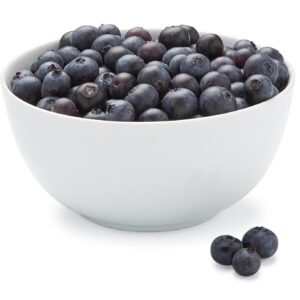
- Fruits: Berries, apples, oranges, and other whole fruits provide natural sweetness, fiber, and antioxidants without the calorie load of processed sweets.
- Nuts and seeds: Small portions of walnuts, chia seeds, flaxseeds, and almonds add healthy fats and keep meals satisfying.
Foods to limit
Not everything labeled plant-based or vegan supports your weight-loss goals. Highly processed plant foods can undermine your progress just as effectively as the animal products you’re trying to reduce, so knowing what to scale back matters as much as knowing what to add.
Limit or reduce the following with consistency:
- Refined grains: White bread, white pasta, and refined cereals cause faster blood sugar spikes and provide little satiety compared to their whole-grain equivalents.
- Processed plant-based products: Vegan burgers, packaged meat substitutes, and plant-based cheeses often carry high sodium, refined oils, and low fiber content.
- Added sugars: Sweetened non-dairy milks, fruit juices, and plant-based desserts add calories without contributing to fullness.
- Fried foods: Even plant-sourced fries or tempura vegetables carry calorie loads that can offset the low-density advantage you get from whole foods.
Reducing these items regularly, not just occasionally, gives your body a consistent calorie and fiber environment that supports steady fat loss week over week.
Common mistakes and how to fix them
Shifting to a plant based diet and weight loss plan brings real results, but a handful of predictable errors slow people down or stall progress entirely. Recognizing these patterns early saves you weeks of frustration and keeps your results moving in the right direction instead of flatlining after the first month.
Relying too heavily on processed plant foods
Many people replace meat and dairy with packaged vegan alternatives and expect the same results that whole plant foods produce. Plant-based burgers, vegan cheeses, and processed meat substitutes often carry high sodium, refined vegetable oils, and very little fiber. These products crowd out the whole foods that actually make the approach work, so your calorie density creeps back up without you noticing it.
Treat processed plant products as occasional convenience items, not daily staples, and rebuild your meals around legumes, vegetables, and whole grains instead.
Not eating enough protein
Protein keeps your hunger manageable and protects your muscle mass during a calorie deficit. On a plant-based plan, it’s easy to fill your plate with vegetables and grains while consistently under-eating protein if you’re not deliberate about it. Low protein intake accelerates muscle loss during fat loss, which reduces your resting metabolic rate and makes continued progress harder to maintain over time.
Fix this by including a legume or plant protein source at every main meal. Lentils, chickpeas, tofu, tempeh, and edamame all deliver substantial protein per serving. Aiming for roughly 0.7 to 1 gram of protein per pound of your goal body weight daily gives your body enough to preserve lean mass while you’re losing fat.
Cutting calories too aggressively
Some people see early weight loss and decide that eating even less will produce faster results. Aggressive calorie restriction below roughly 1,200 to 1,400 calories per day triggers metabolic adaptation, where your body lowers its energy expenditure to match reduced intake. That response makes the scale stop moving despite continued restriction and leaves you fatigued, irritable, and more likely to abandon the plan before real progress takes hold.
The more sustainable strategy is to let the natural calorie density of whole plant foods create a moderate deficit without forcing dramatic cuts. Eating enough volume to feel genuinely satisfied at each meal protects your metabolism and keeps your energy high enough to stay active, which compounds your fat-loss results week over week rather than creating a cycle of restriction and rebound.
Safety, key nutrients, and who should get help
A plant based diet and weight loss plan is safe for most healthy adults, but it does require attention to a handful of nutrients that whole plant foods either don’t supply in adequate amounts or deliver in forms your body absorbs less efficiently. Ignoring these gaps doesn’t just slow your progress; it can create genuine health problems over months and years if you don’t address them proactively from the start.
Nutrients to track closely
Plant foods cover most of your nutritional needs well, but specific vitamins and minerals require deliberate planning or supplementation on a plant-centered diet. Knowing which ones to watch gives you a clear action plan rather than vague worry about whether you’re covering everything.
Supplementing B12 is non-negotiable on a fully plant-based diet, and it’s worth discussing even if you still eat small amounts of animal products occasionally.
Here are the key nutrients that deserve your attention:
- Vitamin B12: Found almost exclusively in animal products. If you eat no meat, eggs, or dairy regularly, supplement with at least 250 micrograms of cyanocobalamin daily or use fortified foods consistently.
- Vitamin D: Most people are deficient regardless of diet. A daily supplement of 1,000 to 2,000 IU supports bone health, immune function, and mood regulation.
- Omega-3 fatty acids: Flaxseeds and walnuts provide ALA, but your body converts very little of it to the EPA and DHA your brain and heart need. An algae-based omega-3 supplement closes that gap directly.
- Iron: Plant-based iron (non-heme) absorbs less efficiently than animal-sourced iron. Pair iron-rich foods like lentils and spinach with vitamin C to significantly improve absorption.
- Zinc and calcium: Legumes and seeds supply both, but phytic acid in whole grains and legumes can reduce absorption. Soaking, sprouting, or fermenting these foods before cooking improves bioavailability meaningfully.
Who should talk to a doctor first
Certain health conditions make it especially important to consult a physician or registered dietitian before making significant dietary changes. If you manage type 1 or type 2 diabetes, kidney disease, or a history of disordered eating, shifting your macronutrient ratios significantly can affect your medication needs, lab values, or psychological relationship with food in ways that need professional oversight.
Pregnant and breastfeeding individuals, older adults over 65, and people who have had recent surgery or a diagnosed nutrient deficiency also benefit from working with a healthcare provider before starting a plant-based eating plan. A short consultation protects your results and your health, and it gives you a personalized baseline to measure progress against.

Final takeaways
A plant based diet and weight loss connection works because of real biological mechanisms, not marketing claims. Fiber, calorie density, improved insulin sensitivity, and gut microbiome shifts all move in your favor when you build your meals consistently around whole plant foods. You don’t need to go fully vegan or count every calorie to see results. Start with deliberate, small swaps, prioritize legumes and vegetables at each meal, stay on top of your key nutrients, and give your body the three to four months it needs to show meaningful, lasting fat loss.
Progress looks different for everyone, but the core foundation stays the same: whole foods over processed options, adequate protein at every meal, and realistic expectations about how long genuine fat loss takes. Your results follow from the daily habits you build, not from a perfect week. If you’re ready to stock your kitchen with organic, whole-food ingredients that support this approach, explore everything that Worganic Foods has to offer and take a real first step toward plant-centered eating.
Discover more from Woganic Blog
Subscribe to get the latest posts sent to your email.