
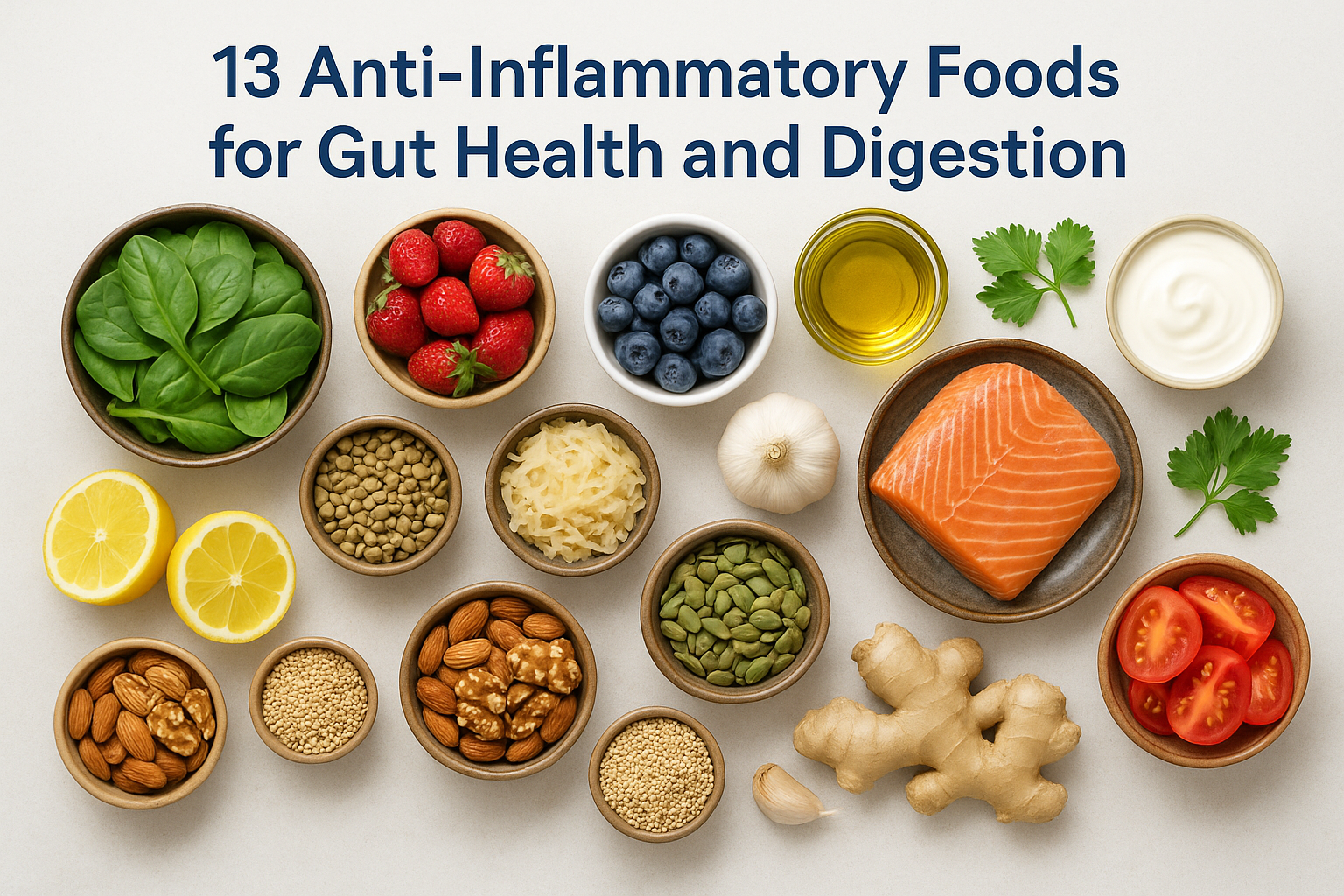
Your gut does more than digest food. It houses roughly 70% of your immune system, produces key neurotransmitters, and acts as a barrier against harmful pathogens. When chronic inflammation takes hold in the digestive tract, that barrier weakens, and problems like bloating, irregular bowel movements, and nutrient malabsorption follow. The good news? Choosing the right anti-inflammatory foods for gut health can help calm that inflammation and restore balance from the inside out.
Research continues to confirm what many of us already sense: what you eat directly shapes the health of your gut lining and the diversity of your microbiome. Processed foods, refined sugars, and artificial additives fuel inflammation, while whole, nutrient-dense foods work to reduce it. The challenge is knowing which foods deliver the most impact, and how to actually incorporate them into your daily meals.
That’s exactly why we put this guide together at Worganic Foods. Our focus has always been on helping people make informed, practical choices around organic foods and natural nutrition. Below, you’ll find 13 specific foods backed by science that fight gut inflammation, support digestion, and promote a healthier microbiome. Each one includes a clear breakdown of why it works and simple ways to add it to your plate starting this week.
1. Worganic Foods Extra Virgin Olive Oil
Extra virgin olive oil (EVOO) sits at the foundation of nearly every well-researched anti-inflammatory diet for a reason. Its high concentration of monounsaturated fats and plant-based polyphenols makes it one of the most practical anti inflammatory foods for gut health you can add to your daily routine. Starting here makes sense both because of the science and because quality matters enormously with this particular ingredient.

Why it helps gut inflammation
The primary anti-inflammatory compound in extra virgin olive oil is oleocanthal, a natural phenol that blocks the same inflammatory enzymes COX-1 and COX-2 that ibuprofen targets. Beyond that, EVOO actively feeds beneficial gut bacteria and helps maintain the mucosal lining along your intestinal walls. Research supported by the National Institutes of Health confirms that regular olive oil consumption supports a more diverse microbiome and reduces markers of intestinal permeability.
A more diverse microbiome consistently links to lower levels of systemic inflammation and better long-term digestive outcomes.
Best forms and what to buy
Not all olive oil delivers the same benefit. Cold-pressed, certified organic extra virgin olive oil retains the highest levels of polyphenols because it avoids the heat and chemical processing that strips nutrients away. Look for oils stored in dark glass bottles, which protect polyphenols from light degradation over time. Worganic Foods extra virgin olive oil meets all of these standards and is sourced with traceability in mind, so you know exactly what goes into each bottle.
How to use it for digestion
Your simplest approach is to use olive oil as your primary fat for low to medium-heat cooking and as a finishing oil drizzled over vegetables, salads, and soups. Consuming one to two tablespoons daily gives you a meaningful dose of oleocanthal without overloading your caloric intake. Pairing it with leafy greens or legumes also improves your absorption of fat-soluble nutrients like vitamins K and E, which further support gut lining integrity.
Watch-outs and who should limit it
Olive oil is well-tolerated by most people, but its calorie density means portion awareness still matters if you are managing weight alongside gut health. Individuals with gallbladder disease or fat malabsorption conditions like exocrine pancreatic insufficiency may need to moderate fat intake and check with a healthcare provider before adding large amounts. Always store your olive oil away from heat and direct light to preserve its active compounds.
2. Fatty Fish Like Salmon and Sardines
Fatty fish rank among the most effective anti inflammatory foods for gut health because of their concentrated omega-3 fatty acid content. EPA and DHA, the two most bioavailable forms of omega-3s, directly reduce inflammatory signaling in your digestive tract.

Why it helps gut inflammation
Omega-3 fatty acids in salmon and sardines lower the production of pro-inflammatory cytokines that irritate the gut lining. Research also shows that EPA and DHA increase populations of beneficial gut bacteria, particularly those that produce short-chain fatty acids like butyrate, which fuel colon cells and reduce intestinal permeability.
Butyrate is one of the primary energy sources for your colon’s lining cells, and low levels consistently link to higher rates of gut inflammation.
Best forms and what to buy
Your best options for regular consumption include:
- Wild-caught salmon (fresh, frozen, or canned)
- Sardines packed in water or olive oil
- Mackerel and anchovies as affordable alternatives
These smaller, wild-caught varieties deliver higher omega-3 concentrations than most farmed fish and carry lower mercury risk.
How to eat it for digestion
Aim for two to three servings per week, with each serving around four ounces. Sardines work well mashed onto whole grain toast, while salmon pairs naturally with roasted vegetables and a drizzle of olive oil to improve absorption of fat-soluble nutrients that support your gut lining.
Watch-outs and who should limit it
Larger fish like tuna accumulate higher mercury levels, so sardines and salmon are the safer everyday choices. If you have a fish allergy or a known shellfish cross-reactivity, check with your doctor before adding fatty fish regularly to your meals.
3. Leafy Greens Like Spinach and Kale
Leafy greens consistently appear at the top of any serious list of anti inflammatory foods for gut health, and the science explains why. Spinach, kale, and similar greens deliver a concentrated mix of fiber, antioxidants, and specific phytochemicals that work together to calm inflammation throughout your digestive system.
Why it helps gut inflammation
Leafy greens contain sulforaphane and quercetin, two compounds that directly suppress inflammatory pathways in the gut lining. They also feed beneficial bacteria in your large intestine with fermentable fiber, which these bacteria convert into butyrate, the same short-chain fatty acid that fuels colon cells and keeps intestinal walls intact.
A diet consistently high in leafy greens links to measurably greater microbial diversity, which is one of the strongest predictors of long-term gut health.
Best forms and what to buy
Your best everyday choices include organic baby spinach, lacinato kale, and Swiss chard. Organic matters here because conventionally grown greens consistently show higher pesticide residues, which can disrupt your gut bacteria. Fresh and lightly cooked options both retain beneficial compounds well.
How to eat it for digestion
Aim for at least two cups of leafy greens daily, split across meals however works for your schedule. Lightly sautéing kale in olive oil improves absorption of fat-soluble vitamins while softening its fiber, making it gentler on sensitive digestive systems. Blending spinach into smoothies is an easy way to hit your daily target without much effort.
Watch-outs and who should limit it
Leafy greens are high in vitamin K, so individuals on blood-thinning medications like warfarin should keep their intake consistent rather than dramatically increasing it. Kale and spinach also contain oxalates, which may contribute to kidney stones in those with a history of calcium oxalate kidney stones.
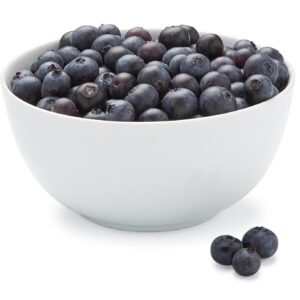
4. Berries Like Blueberries and Strawberries
Berries are among the most studied anti inflammatory foods for gut health, and their impact goes well beyond basic nutrition. Blueberries, strawberries, raspberries, and blackberries deliver a dense combination of antioxidants, fiber, and polyphenols that work directly inside your digestive tract to reduce inflammation and support your microbiome.

Why it helps gut inflammation
Berries are rich in anthocyanins, the pigments that give them their deep colors and also block key inflammatory pathways in your gut lining. These compounds increase populations of beneficial bacteria like Lactobacillus and Bifidobacterium while suppressing harmful microbes that drive chronic digestive inflammation.
Higher anthocyanin intake consistently links to lower levels of CRP, one of the most reliable blood markers of systemic inflammation.
Best forms and what to buy
Fresh organic berries give you the highest polyphenol content during peak season. Outside of summer, frozen organic blueberries and strawberries are an equally strong option because they are flash-frozen at harvest and retain most of their active compounds. Skip dried berries with added sugar, which spike blood glucose and counteract the anti-inflammatory benefits.
How to eat it for digestion
Aim for one cup of mixed berries daily to get a meaningful dose of anthocyanins and gut-supporting fiber. Adding them to plain yogurt, oatmeal, or a morning smoothie makes hitting that target easy. Pairing berries with a fat source like nut butter also helps your body absorb fat-soluble antioxidants more effectively.
Watch-outs and who should limit it
Berries are high in natural fructose, so individuals managing fructose malabsorption may experience bloating after large portions. Start with smaller servings and increase gradually to gauge your tolerance.
5. Tomatoes
Tomatoes earn a spot among the best anti inflammatory foods for gut health largely because of one unusually powerful compound: lycopene. This carotenoid pigment gives tomatoes their red color and does measurable work reducing inflammation throughout your digestive tract.
Why it helps gut inflammation
Lycopene in tomatoes directly lowers inflammatory markers like interleukin-6 and TNF-alpha, both of which drive chronic gut inflammation when elevated. Tomatoes also supply vitamin C and beta-carotene, two antioxidants that protect your gut lining from oxidative damage caused by harmful bacteria and processed foods.
Cooked tomatoes consistently deliver higher lycopene concentrations than raw ones, because heat breaks down cell walls and frees the compound for better absorption.
Best forms and what to buy
Your best options are cooked or canned organic tomatoes, including crushed tomatoes, tomato paste, and marinara sauce made without added sugar. Organic matters here because conventionally grown tomatoes frequently carry pesticide residues that can disrupt gut bacteria balance.
How to eat it for digestion
Aim to include cooked tomato products several times each week in soups, stews, and sauces. Combining them with a fat source like olive oil significantly boosts your lycopene absorption because lycopene is fat-soluble. A simple marinara built with extra virgin olive oil covers both at once.
Watch-outs and who should limit it
Tomatoes contain natural acids and solanine, which can worsen symptoms for people with acid reflux or irritable bowel syndrome. If cooked tomatoes consistently trigger digestive discomfort, reduce your portions gradually and monitor your response before cutting them out entirely.
6. Nuts and Seeds Like Walnuts, Chia, and Flax
Nuts and seeds belong in any serious conversation about anti inflammatory foods for gut health because they pack a remarkable amount of gut-supporting nutrients into small servings. Walnuts, chia seeds, and flaxseeds all deliver plant-based omega-3 fatty acids, fiber, and polyphenols that work together to reduce intestinal inflammation and feed beneficial gut bacteria.
Why it helps gut inflammation
Alpha-linolenic acid (ALA), the plant-based omega-3 found in walnuts, chia, and flax, reduces levels of pro-inflammatory cytokines that damage your gut lining over time. These foods also supply prebiotic fiber that fuels Bifidobacterium and Lactobacillus populations, two bacterial strains consistently linked to lower gut inflammation.
Higher walnut consumption links to measurably greater microbial diversity, according to research published through the National Institutes of Health.
Best forms and what to buy
Your best everyday choices are raw or lightly roasted walnuts, ground flaxseed (which your body absorbs far better than whole seeds), and whole chia seeds. Look for organic versions to avoid pesticide residues that can quietly disrupt your gut microbiome over time.
How to eat it for digestion
Adding one to two tablespoons of ground flax or chia seeds to your morning oatmeal or smoothie is a practical daily habit. A small handful of walnuts makes an easy snack that pairs well with berries to combine two categories of gut-supporting foods in one sitting.
Watch-outs and who should limit it
Nuts and seeds are calorie-dense, so portion control still matters if you are managing your weight alongside gut health goals. Chia seeds expand significantly when they absorb liquid, which can cause bloating if you consume them without drinking enough water alongside them.
7. Oats and Other Whole Grains
Oats and whole grains like brown rice, quinoa, and barley rank among the most practical anti inflammatory foods for gut health you can add to your routine. Their combination of soluble fiber, polyphenols, and resistant starch builds a strong foundation for reduced intestinal inflammation.
Why it helps gut inflammation
Beta-glucan, the soluble fiber most concentrated in oats, drives most of the anti-inflammatory benefit here. Your gut bacteria ferment it into butyrate and other short-chain fatty acids, which fuel colon cells and directly lower inflammatory activity along your gut lining.
Higher whole grain intake consistently links to lower C-reactive protein, one of the most reliable blood markers of systemic inflammation.
Best forms and what to buy
Your best options are organic, minimally processed whole grains that retain their natural fiber and polyphenol content. Good everyday choices include:
- Rolled oats or steel-cut oats (certified gluten-free if needed)
- Quinoa and brown rice as versatile dinner bases
- Barley stirred into soups for a fiber-dense boost
How to eat it for digestion
Start your morning with one cup of cooked oats topped with berries and ground flaxseed to combine several gut-supporting foods at once. Swapping refined grains for whole grain alternatives at dinner, like quinoa or brown rice alongside vegetables, builds a consistent dietary pattern that compounds your results.
Pairing whole grains with a source of healthy fat or protein slows digestion and prevents blood sugar spikes that trigger inflammation. Think salmon with brown rice or oatmeal with a spoonful of nut butter as easy starting combinations.
Watch-outs and who should limit it
Individuals with celiac disease or non-celiac gluten sensitivity need certified gluten-free oats specifically, since standard oats are frequently cross-contaminated during processing. Those with irritable bowel syndrome may experience initial bloating from high-fiber grains, so increase your portions gradually to give your gut time to adapt.
8. Beans and Lentils
Beans and lentils are among the most underutilized anti inflammatory foods for gut health, yet they deliver some of the most consistent results. Their combination of prebiotic fiber, plant-based protein, and polyphenols gives your gut a broad spectrum of nutrients it needs to reduce inflammation and strengthen its lining.
Why it helps gut inflammation
Both foods are packed with resistant starch and soluble fiber, which your gut bacteria ferment into butyrate, the short-chain fatty acid that directly fuels colon cells and suppresses inflammatory activity. Regular consumption also raises populations of Bifidobacterium and Faecalibacterium prausnitzii, two bacterial strains consistently linked to reduced intestinal inflammation.
Research shows that people who eat legumes four or more times per week have measurably lower levels of C-reactive protein compared to those who eat them rarely.
Best forms and what to buy
Your best everyday options include black beans, chickpeas, green lentils, and red lentils. Dried lentils cook quickly without pre-soaking and retain excellent fiber content. Canned beans work well for convenience, but choose low-sodium, organic varieties and rinse them before use to remove excess sodium and reduce compounds that cause gas.
How to eat it for digestion
Aim for three to four servings of beans or lentils per week, starting with smaller portions if your gut is not used to high-fiber foods. Adding lentils to soups or mixing black beans into grain bowls makes it easy to hit that target without overhauling your meals.
Watch-outs and who should limit it
Beans and lentils contain FODMAPs, fermentable carbohydrates that trigger bloating and gas in people with irritable bowel syndrome. If you fall into that category, start with canned and well-rinsed lentils, which tend to be better tolerated, and increase your portions slowly over several weeks.
9. Yogurt and Kefir with Live Cultures
Yogurt and kefir are two of the most direct ways to deliver beneficial bacteria into your gut. Unlike many other anti inflammatory foods for gut health, these fermented dairy products work by introducing live cultures that actively colonize your digestive tract, shift the balance of your microbiome, and help calm chronic inflammation from within.
Why it helps gut inflammation
The live cultures in yogurt and kefir, primarily Lactobacillus and Bifidobacterium strains, reduce the production of pro-inflammatory cytokines in your gut lining while reinforcing the mucosal barrier that keeps harmful pathogens out. Kefir in particular contains a broader range of bacterial and yeast strains than most yogurts, making it especially effective at shifting your microbiome toward a less inflammatory state.
Regular kefir consumption links to measurably lower levels of inflammatory markers, including CRP, in both healthy adults and those with existing digestive conditions.
Best forms and what to buy
Your best choices are plain, full-fat, organic yogurt with clearly labeled live and active cultures, and kefir made from grass-fed milk. Avoid flavored varieties that contain added sugars, which feed harmful bacteria and directly undercut the anti-inflammatory benefit you are working toward.
How to eat it for digestion
Aim for one serving of yogurt or kefir daily, either at breakfast or alongside a meal. Pairing yogurt with berries and ground flaxseed combines probiotics with prebiotic fiber, which helps the live cultures survive and thrive longer in your gut.
Watch-outs and who should limit it
Individuals with lactose intolerance may tolerate kefir better than regular milk since fermentation breaks down much of the lactose. Those with a dairy allergy should look for coconut or oat-based probiotic yogurts as a workable alternative.
10. Fermented Vegetables Like Sauerkraut and Kimchi
Fermented vegetables like sauerkraut and kimchi deliver something most other anti inflammatory foods for gut health cannot: live, naturally occurring probiotic cultures produced through the fermentation process itself. These cultures arrive in your gut alongside beneficial plant compounds and prebiotic fiber, creating a combination that directly shifts your microbiome toward a less inflammatory state.

Why it helps gut inflammation
These vegetables generate Lactobacillus bacteria during fermentation, which compete against harmful microbes and reduce their inflammatory activity in your gut. They also lower the production of pro-inflammatory cytokines along your intestinal lining, helping reduce the chronic low-grade inflammation that drives persistent digestive discomfort.
Regular consumption of naturally fermented vegetables links to measurably greater microbial diversity, which consistently predicts better long-term gut health outcomes.
Best forms and what to buy
Your best options are raw, unpasteurized sauerkraut and kimchi found in the refrigerated section of most grocery stores. Pasteurization kills live cultures, which eliminates most of the gut benefit. Look for products with short, clean ingredient lists and no added vinegar, which signals that real lacto-fermentation occurred rather than a shortcut production method.
How to eat it for digestion
Start with two to three tablespoons of sauerkraut or kimchi daily, served alongside a main meal rather than eaten alone. Adding fermented vegetables to grain bowls, eggs, or salads makes incorporating them easy without restructuring your existing eating habits in any significant way.
Watch-outs and who should limit it
Both sauerkraut and kimchi are high in sodium, so individuals managing blood pressure or kidney conditions should monitor their portions carefully. Those following a low-histamine diet may also need to limit fermented foods, since the fermentation process naturally raises histamine levels that can trigger symptoms in sensitive individuals.
11. Garlic and Onions
Garlic and onions belong together in any list of anti inflammatory foods for gut health because they share a powerful combination of prebiotic fiber and sulfur-containing compounds that reduce intestinal inflammation while actively feeding your most beneficial gut bacteria.
Why it helps gut inflammation
Both garlic and onions are rich in fructooligosaccharides (FOS), a type of prebiotic fiber that selectively feeds Bifidobacterium and Lactobacillus strains in your large intestine. Garlic also contains allicin, a sulfur compound that suppresses harmful bacteria and directly reduces inflammatory cytokine production along your gut lining.
Higher prebiotic fiber intake consistently links to greater microbial diversity and lower markers of intestinal inflammation across multiple research populations.
Best forms and what to buy
Your best everyday options are fresh, raw garlic and whole yellow or red onions. Organic versions reduce your pesticide exposure, which matters because both crops rank among the more heavily treated conventional vegetables. Crushing or chopping garlic and letting it rest for ten minutes before cooking preserves more of its active allicin content.
How to eat it for digestion
Aim to include one to two cloves of garlic and half an onion in your meals most days. Sautéing them in olive oil as a base for soups, stews, and grain dishes builds both flavor and a consistent daily intake without requiring any significant change to how you already cook.
Watch-outs and who should limit it
Garlic and onions are high-FODMAP foods, which means they frequently trigger bloating, gas, and cramping in people with irritable bowel syndrome. If that describes you, garlic-infused olive oil delivers similar anti-inflammatory compounds without the fructans that cause digestive distress.
12. Ginger
Ginger is one of the most well-researched anti inflammatory foods for gut health with a long track record of clinical use. Its active compounds work directly inside your digestive tract to reduce inflammation, ease nausea, and support smoother motility throughout the entire gut.
Why it helps gut inflammation
Ginger contains gingerols and shogaols, two bioactive compounds that inhibit the same inflammatory enzymes targeted by common pain-relief medications. These compounds also reduce intestinal cramping and gas by relaxing the smooth muscle along your digestive tract, which makes ginger particularly effective when chronic gut inflammation comes with discomfort.
Research published through the National Institutes of Health confirms that ginger supplementation significantly reduces markers of intestinal inflammation in adults with digestive conditions.
Best forms and what to buy
Your most practical everyday options are fresh ginger root from the produce section and organic dried ginger powder. Fresh root delivers the highest concentration of gingerols, while dried powder concentrates shogaols, which form during the drying process and carry their own anti-inflammatory properties. Skip ginger ales and most commercial ginger teas, since many contain minimal actual ginger and significant added sugar.
How to eat it for digestion
Adding one teaspoon of freshly grated ginger to hot water, smoothies, or stir-fries daily gives you a reliable therapeutic dose. Grating it directly into soups or sautés alongside garlic and onion builds a natural anti-inflammatory base for most savory meals without much extra effort.
Watch-outs and who should limit it
Ginger has mild blood-thinning properties, so individuals taking anticoagulant medications should check with their doctor before increasing their intake significantly. Large amounts can also worsen acid reflux in people who are already prone to it, so keep your daily portions moderate.
13. Turmeric
Turmeric rounds out this list of anti inflammatory foods for gut health as one of the most studied plant-based compounds in nutrition science. Its active compound, curcumin, targets multiple inflammatory pathways simultaneously and has demonstrated measurable effects on gut lining integrity and microbial balance.
Why it helps gut inflammation
Curcumin directly inhibits NF-kB, one of the key molecular switches that triggers chronic inflammation in your gut lining. It also increases populations of beneficial bacteria while suppressing harmful strains that drive intestinal permeability and digestive discomfort. Research published through the National Institutes of Health confirms that curcumin reduces levels of inflammatory markers including TNF-alpha and interleukin-6.
Regular curcumin intake links to measurable improvements in gut lining integrity in adults with both inflammatory bowel conditions and general digestive inflammation.
Best forms and what to buy
Your most reliable everyday options are organic turmeric powder for cooking and standardized curcumin supplements with at least 95% curcuminoids for a more concentrated dose. Whole turmeric root works well grated fresh, though its curcumin content varies more than dried powder.
How to eat it for digestion
Adding half a teaspoon of turmeric powder to soups, rice dishes, scrambled eggs, or smoothies daily keeps your intake consistent without much effort. Always pair it with black pepper, which contains piperine and increases curcumin absorption by up to 2,000% according to published research. Combining turmeric with a fat source like olive oil further improves how well your body absorbs it.
Watch-outs and who should limit it
Turmeric thins the blood moderately, so check with your doctor if you take anticoagulant medications before increasing your intake significantly. High-dose curcumin supplements can also cause nausea or loose stools in some individuals, so start with food-based amounts before moving to concentrated supplements.

Next Steps
You now have a clear, practical roadmap for building a diet that fights chronic digestive inflammation at its root. These 13 anti inflammatory foods for gut health cover every major mechanism your gut needs: prebiotic fiber to feed beneficial bacteria, polyphenols to calm inflammatory pathways, live cultures to shift your microbiome, and omega-3 fatty acids to protect your intestinal lining. The evidence behind each one is solid, and the simplest place to start is picking two or three you already enjoy and committing to eating them daily this week.
Consistency matters far more than perfection here. Adding olive oil, berries, and a serving of fermented vegetables to your routine five days a week will move the needle meaningfully over the course of a month. Small, repeatable changes compound into real results when you give your gut time to respond. If you want to build a grocery list and lifestyle around these principles, explore organic food options at Worganic Foods to get started.
Discover more from Woganic Blog
Subscribe to get the latest posts sent to your email.