

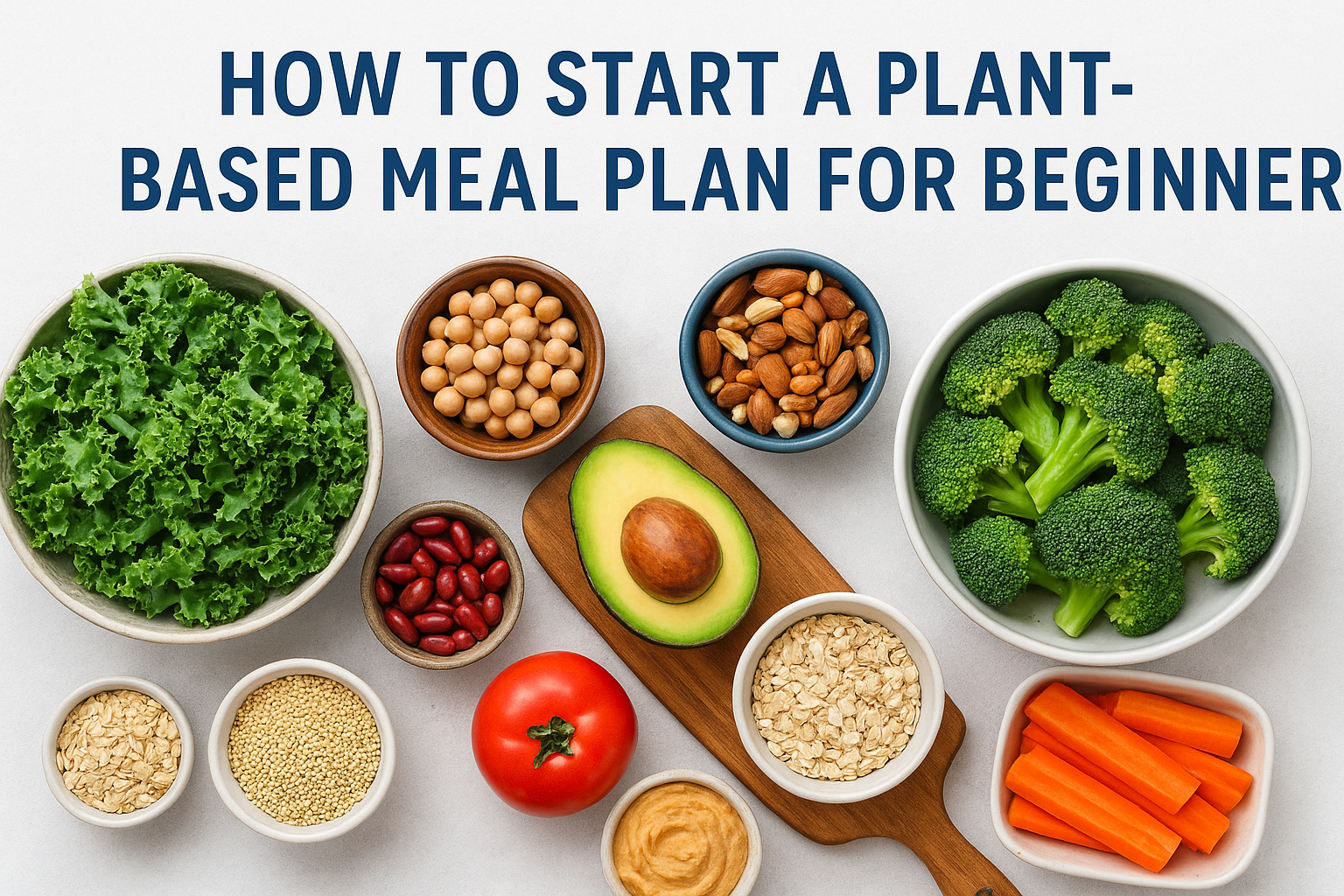
You want to eat more plants, but the moment you open a recipe blog you hit nutritional yeast, seitan, and a grocery list longer than your arm. That’s where most people quit before they even start. A plant based meal plan for beginners should do the opposite: fewer ingredients, familiar meals, and a clear plan for breakfast, lunch, and dinner without the guesswork.
This guide gives you exactly that. You’ll get a simple framework for building balanced meals around beans, whole grains, and vegetables, plus a sample week you can follow starting tomorrow. No calorie counting, no rare specialty items, just food you can find at a regular grocery store and recipes you can actually cook on a weeknight.
Below, we’ll walk through how to stock your kitchen, what a full day of eating looks like, and how to handle protein and nutrients so you’re not left guessing. Whether you’re going plant-based for your health, the planet, or both, you’ll leave with a practical starting plan, not just theory.
What plant-based eating actually means
Most people hear "plant-based" and assume it means strict vegan, no exceptions, no wiggle room. That’s not quite right. Plant-based eating means you build the bulk of your plate from plants: vegetables, fruits, whole grains, legumes, nuts, and seeds. Some people who eat this way still have a bit of dairy, eggs, or fish on occasion. Others go fully vegan and cut out all animal products. Neither approach is more "correct." What matters for a beginner is direction, not perfection. You’re shifting the center of gravity on your plate from meat and dairy toward whole plant foods, and you can decide how far you want to take that shift.
Plant-based isn’t a purity test, it’s a shift in what makes up the majority of your plate.
How it differs from vegan or vegetarian
Vegan and vegetarian are defined by what you exclude. Plant-based is defined by what you emphasize. That distinction matters because it removes the all-or-nothing pressure that makes so many people abandon a new diet in week two. A whole-food, plant-based diet specifically means you’re also minimizing processed foods, oils, and added sugars, favoring beans, grains, and produce in forms close to how they grow. You don’t need to memorize a strict rulebook. You need a mental model you can apply at every meal.
| Approach | What’s excluded | What’s emphasized |
|---|---|---|
| Vegan | All animal products | Varies, can include processed vegan food |
| Vegetarian | Meat and fish | Dairy and eggs often included |
| Plant-based | Nothing required | Vegetables, grains, legumes, fruit, nuts |
| Whole-food plant-based | Processed foods, added oils | Minimally processed plant foods |
Why this framing helps beginners specifically
Starting with flexibility keeps you from getting stuck searching for the "perfect" vegan substitute for every dish you already love. Instead of hunting down a plant-based version of your usual chicken parmesan, you learn to build new go-to meals around beans, lentils, tofu, and whole grains as your protein sources. This is also the approach that public health guidance tends to support. The Dietary Guidelines for Americans, published by the U.S. Department of Health and Human Services, encourage increasing intake of vegetables, fruits, whole grains, and legumes for adults across all eating patterns, plant-based or not. You’re not adopting a fringe diet. You’re leaning into a way of eating that mainstream nutrition science already recommends, just with more plants doing the heavy lifting.
Step 1. Stock your kitchen with plant-based staples
Before you plan a single meal, fill your kitchen with the right basics. A stocked pantry removes the biggest barrier to eating plant-based on a weeknight: not having anything ready to cook. Build your plant based meal plan for beginners around a short list of staples you can rotate through dozens of combinations, rather than shopping fresh for every new recipe.

Your meal plan only works if your pantry can back it up.
The five categories to fill first
Keep your first shopping trip focused. You don’t need every bean or grain on the shelf, just enough variety to mix and match all week.
- Legumes: canned or dried black beans, chickpeas, lentils, and pinto beans
- Whole grains: brown rice, quinoa, rolled oats, and whole-wheat pasta
- Produce: onions, garlic, frozen mixed vegetables, spinach, and whatever’s in season
- Healthy fats and flavor: peanut butter, tahini, olive oil, and a few dried spices like cumin and smoked paprika
- Extras for quick meals: canned diced tomatoes, low-sodium vegetable broth, and tofu or tempeh in the fridge section
Why frozen and canned deserve a place too
Fresh produce spoils fast, and that’s exactly what derails beginners who buy a bag of kale with good intentions and toss it a week later. Frozen vegetables hold onto most of their nutrients and cost less per serving, so lean on them for stir-fries and soups. Canned beans and tomatoes work the same way: cheap, shelf-stable, and ready in minutes once you drain and rinse them. Stocking both fresh and shelf-stable versions means you’re never one wilted vegetable away from ordering takeout.
Step 2. Build your first weekly meal plan
Once your pantry is stocked, the next move is mapping out a weekly meal plan you can actually repeat. Beginners often assume they need 21 different recipes for the week. You don’t. You need a small rotation of formulas you can mix and match, so cooking stops feeling like a research project every night.
A repeatable formula beats a long recipe list every time.
Use a formula, not 21 recipes
Build each meal around three parts: a grain, a legume, and vegetables, tied together with a sauce or spice blend. Swap the grain from rice to quinoa, swap black beans for chickpeas, and you’ve got a new meal without new shopping. This is the fastest way to make a plant based meal plan for beginners feel manageable instead of overwhelming.
Sample first week
Here’s a simple week to copy directly. Repeat lunches and dinners in different combinations so you’re not cooking from scratch every day.
| Day | Breakfast | Lunch | Dinner |
|---|---|---|---|
| Monday | Oats with banana | Chickpea salad wrap | Rice and black bean bowl |
| Tuesday | Peanut butter toast | Leftover rice bowl | Lentil soup |
| Wednesday | Oats with berries | Quinoa veggie salad | Tofu stir-fry |
| Thursday | Smoothie with spinach | Leftover stir-fry | Pasta with tomato sauce |
| Friday | Oats with peanut butter | Leftover pasta | Bean and veggie tacos |
Notice how few unique dishes this actually requires. That’s the point: fewer decisions, more consistency.
Step 3. Prep simple breakfasts, lunches, and dinners
Planning the week is one thing. Actually getting food on the table is another, so this step turns your meal plan into a short prep routine you run once or twice a week. Set aside 45 minutes on a Sunday and you’ll cover most of your plant based meal plan for beginners for the next five days.

Batch-cook once, eat well four times.
Breakfast: make it grab-and-go
Cook a big pot of oats on Sunday and portion it into jars with fruit and a spoonful of nut butter. Grab one each morning, add hot water or milk if needed, and you’re done in two minutes. If oats aren’t your thing, blend a spinach smoothie with frozen banana and a scoop of protein powder, then freeze extra portions in bags for busy mornings.
Lunch and dinner: batch it once, eat it twice
Cook a large pot of grains, a pot of beans or lentils, and a tray of roasted vegetables all at once. Store them separately in the fridge so you can recombine them into different meals through the week instead of eating the same bowl five times in a row.
- Cook 2 cups dry rice or quinoa
- Simmer 2 cups dry lentils or a few cans of beans, drained
- Roast a full sheet pan of mixed vegetables with olive oil and salt
- Store each component in its own container
- Combine with a new sauce each night: salsa, tahini dressing, or peanut sauce
This batching approach cuts your actual cooking time down to reheating and assembling, which is exactly what keeps a new plant-based routine alive past week one.
Step 4. Ease in without feeling overwhelmed
You don’t need to overhaul every meal on day one. Gradual swaps work better than a hard reset, especially if you’re cooking for a household that isn’t fully on board yet. Trade one meal a day for a plant-based version this week, then add a second next week. By the time you’ve replaced three meals a day, you’ll have built the habits and confidence to keep going without white-knuckling your way through cravings.
Small, repeatable swaps beat a total overhaul that burns out by Wednesday.
Swap one meal at a time
Start wherever feels easiest, usually breakfast, since it’s the most repetitive meal of your day anyway. Once that swap feels automatic, move to lunch, then dinner.
- Replace milk with a fortified plant-based version in your morning coffee or cereal
- Swap ground beef for lentils or crumbled tempeh in tacos and pasta sauce
- Trade a cheese-heavy lunch for a bean-based bowl with the same seasonings you already like
Handle cravings and social meals
Cravings usually hit hardest around foods tied to comfort or convenience, so keep a plant-based version of your go-to comfort food ready rather than white-knuckling it. If you’re eating out or at a friend’s house, scan the menu for the closest bean, grain, or vegetable dish and build around that instead of skipping the meal entirely. Restaurant flexibility matters more than kitchen perfection when you’re still building the habit, and one imperfect meal won’t undo a week of progress.

Your first week starts now
You now have everything you need to start: a stocked pantry, a repeatable meal formula, a batch-prep routine, and a way to ease in without burning out by Wednesday. A plant based meal plan for beginners doesn’t require perfection or a pantry full of specialty ingredients. It requires a plan you’ll actually follow, and you’ve got one.
Pick your grocery list from Step 1, copy the sample week from Step 2, and block 45 minutes this weekend for prep. That’s the whole launch sequence. Every plant-based eater you admire started with a week that looked exactly this simple.
If you want more beginner-friendly recipes, product picks, and nutrition guidance as you keep building this habit, explore more on Worganic Foods for your next step.
Discover more from Woganic Blog
Subscribe to get the latest posts sent to your email.
Leave a Reply
Your email is safe with us.