

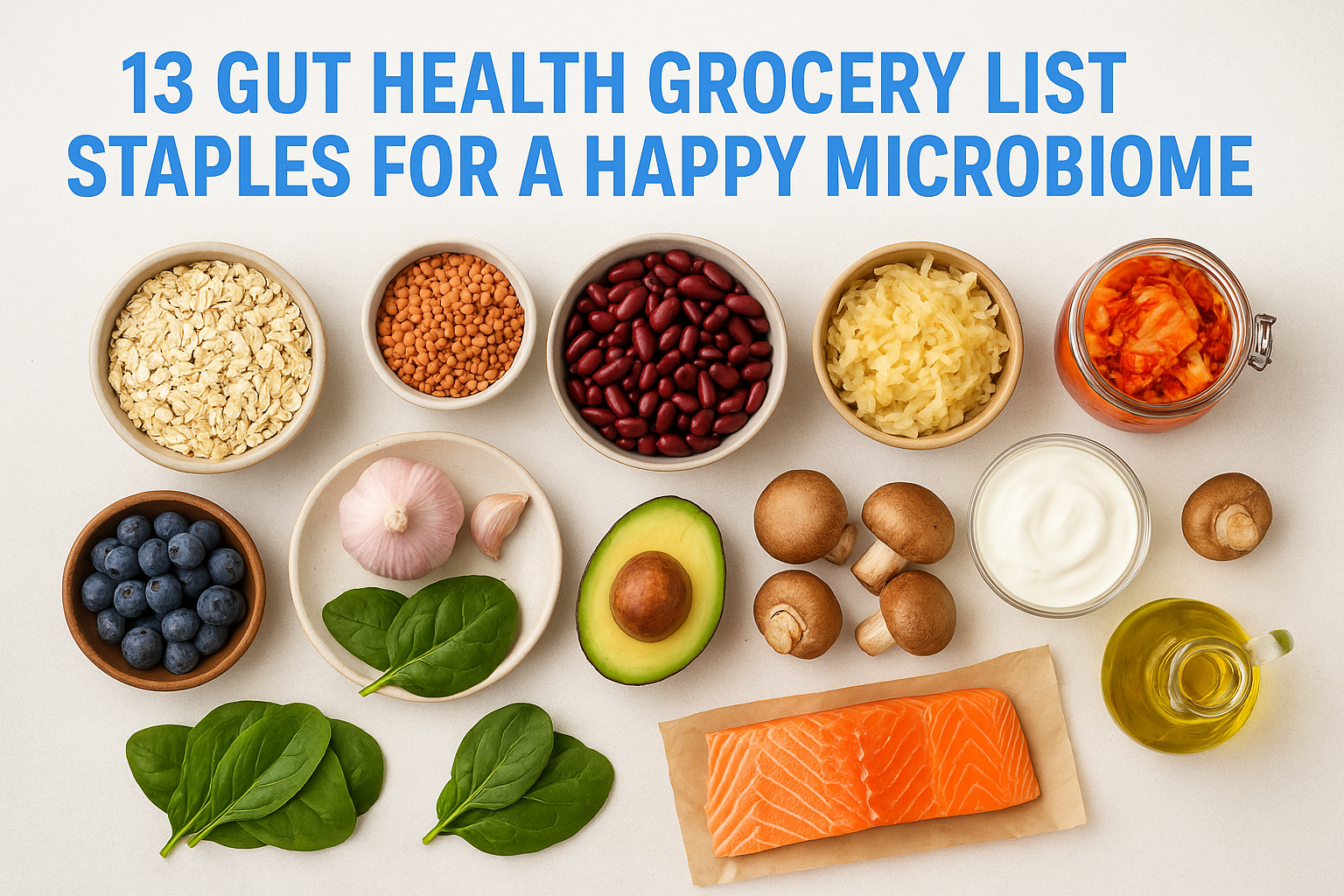
Your gut microbiome runs on what you feed it, and most of the work happens before you even step into the kitchen. It starts at the store. A solid gut health grocery list gives you a clear plan so you’re not wandering the aisles guessing which foods actually support digestion and which ones are just riding the "wellness" label. The difference between a thriving microbiome and a struggling one often comes down to what consistently lands in your cart.
The tricky part? Gut-friendly eating isn’t about one magic food. It’s about building a diverse roster of prebiotics, probiotics, and fiber-rich whole foods that work together to keep your digestive system balanced. That means knowing exactly which items deserve shelf space in your fridge and pantry, and here at Worganic Foods, helping you make those choices with clarity is what we’re here for.
Below, you’ll find 13 grocery staples worth adding to your next shopping trip. Each one plays a specific role in supporting your microbiome, from feeding beneficial bacteria to reducing gut inflammation. No vague suggestions, just practical, buy-this-today foods organized so you can walk into any grocery store and build a cart your gut will thank you for.
1. Build a gut-friendly cart with Worganic Foods
Before diving into specific foods, it helps to understand how Worganic Foods approaches gut health shopping as a whole. This site exists to cut through the noise around organic and natural eating, giving you clear, category-by-category guidance so your grocery trips have a direction. Think of this first item as your orientation before the list gets specific.
What it does for gut health
Worganic Foods connects you to research-backed, whole-food choices that support your microbiome at the source: your grocery cart. Using a trusted resource to guide your shopping means you spend less time second-guessing labels and more time stocking foods that actually work together to improve digestion, reduce inflammation, and feed your beneficial bacteria.
What to buy
Your gut health grocery list should hit three core categories every single week:
- Prebiotic foods (like garlic, oats, and onions) that feed beneficial bacteria already living in your gut
- Probiotic foods (like yogurt, kefir, and fermented vegetables) that introduce new live cultures
- High-fiber plants (like berries, leafy greens, and legumes) that keep things moving and diversify your microbiome
Hitting all three categories consistently matters more than perfection in any single one.
Gut health frameworks that actually help
One framework that simplifies shopping is the "eat 30 different plants a week" approach, supported by microbiome research from institutions like the American Gut Project. You don’t need to overhaul your entire diet overnight. Instead, track plant variety rather than just plant quantity, which pushes you toward the diversity your gut bacteria need to stay balanced.
Diversity is the key signal your microbiome responds to. Eating the same five vegetables every week limits the range of beneficial bacteria your gut can support.
Easy ways to use it this week
Start by bookmarking the Worganic Foods blog and picking one new category to explore each grocery run. If you normally skip fermented foods, grab one jar of sauerkraut this week. Small additions compounded over time build the diverse, food-rich environment your gut microbiome thrives in.
Troubleshooting and swaps
If your budget is tight, prioritize the prebiotic and high-fiber categories first since those foods tend to cost less and deliver the broadest microbiome benefits. Frozen berries, canned beans, and bulk oats are all affordable entry points that do serious work for your gut without stretching your grocery spend.
2. Rolled oats and other whole grains
Whole grains are one of the most reliable additions to any gut health grocery list. They deliver beta-glucan and fermentable fibers that your gut bacteria convert into short-chain fatty acids, which reduce inflammation and reinforce the gut lining over time.

What it does for gut health
Rolled oats stand out for their beta-glucan content, a soluble fiber that feeds beneficial strains like Bifidobacterium and Lactobacillus. Other whole grains contribute arabinoxylan and resistant starch, both fermentable compounds your microbiome breaks down to produce butyrate, a fatty acid that fuels colon cells directly.
Butyrate from fermented fiber is one of the primary fuels for the cells lining your colon, and most processed grain products strip the fibers needed to produce it.
Rotating between different whole grains also increases the diversity of fibers hitting your gut each week, which encourages a broader range of beneficial bacteria to thrive.
What to buy
Stock these options on your next grocery run:
- Rolled oats or steel-cut oats (skip instant packets with added sugar)
- Barley or farro for a chewier whole grain with strong fiber content
- Brown rice or whole wheat pasta for easy weeknight meal swaps
Easy ways to use it this week
Cook a big batch of steel-cut oats on Sunday and refrigerate individual portions for weekday mornings. Swap white rice for brown rice or farro in one dinner this week without changing anything else about how you cook it.
Troubleshooting and swaps
If gluten is a concern, certified gluten-free oats provide the same beta-glucan benefits without the issue. Replace barley or farro with buckwheat or millet, both gluten-free whole grains that still deliver solid prebiotic fiber for your microbiome.
3. Beans and lentils
Beans and lentils are some of the most fiber-dense, budget-friendly foods you can add to your gut health grocery list. They deliver a combination of soluble fiber and resistant starch that your gut bacteria ferment into short-chain fatty acids, directly supporting the health of your colon lining.
What it does for gut health
Both beans and lentils contain prebiotic fibers that selectively feed beneficial bacteria like Bifidobacterium and Faecalibacterium prausnitzii. Regular consumption links to increased microbial diversity and reduced gut inflammation across multiple clinical studies.
Research published in journals like Nutrients consistently shows that legume consumption correlates with a more diverse and resilient gut microbiome.
What to buy
Pick up a variety of legumes to rotate through the week for broader fiber diversity:
- Canned black beans, chickpeas, or kidney beans (no-salt-added versions give you more control)
- Dried red or green lentils, which cook faster than most other dried legumes
- Canned or dried cannellini beans for a mild flavor that works in soups and salads
Easy ways to use it this week
Stir rinsed canned lentils into a soup or grain bowl without any extra cooking time required. You can also blend white beans into a dip as a fiber-rich alternative to hummus and use it throughout the week as a snack or spread.
Troubleshooting and swaps
If beans cause bloating, start with smaller portions like a quarter cup and build up gradually over a few weeks. Lentils tend to be easier to digest than larger beans, making them a practical entry point if your gut needs time to adjust to increased fiber.
4. Chia seeds and ground flaxseed
Chia seeds and ground flaxseed are two of the most fiber-dense additions you can make to your gut health grocery list. Both deliver soluble and insoluble fiber in a compact, shelf-stable package that mixes into almost any meal without changing the flavor.
What it does for gut health
Chia seeds form a gel-like substance when they absorb water, which slows digestion and feeds beneficial bacteria in your colon. Ground flaxseed contributes lignans and mucilaginous fiber that support regular bowel movements and help sustain a balanced microbial environment. Together, they cover a wide range of fiber types that different bacterial strains rely on.
Studies suggest that consistent flaxseed consumption can meaningfully increase populations of beneficial Bifidobacterium and reduce markers of gut inflammation over time.
What to buy
- Whole chia seeds from any reputable grocery or health food store
- Ground flaxseed (pre-ground or freshly ground at home from whole flax), since your body absorbs its nutrients far more effectively than from whole seeds
- Look for organic options when available, as both crops can carry pesticide residue
Easy ways to use it this week
Stir one tablespoon of chia seeds into your morning yogurt or oatmeal without any prep required. Mix ground flaxseed into a smoothie, sprinkle it over salad, or fold it into a batch of muffins for a fiber boost that disappears into the texture.
Troubleshooting and swaps
If chia seeds cause bloating, reduce your portion to one teaspoon and work up gradually over a few weeks. You can swap ground flaxseed for hemp seeds, which offer a similar fatty acid profile with slightly less fiber but tend to sit easier on sensitive digestive systems.
5. Berries
Berries earn a permanent spot on your gut health grocery list because they deliver something most other fruits don’t: high concentrations of polyphenols alongside fermentable fiber, a combination that benefits your microbiome on two separate fronts at the same time.

What it does for gut health
Berries contain anthocyanins and other polyphenols that your gut bacteria metabolize into bioactive compounds, which in turn reduce gut inflammation and support a more diverse microbial community. The soluble fiber in berries, particularly pectin, acts as a prebiotic that selectively feeds beneficial bacteria strains including Bifidobacterium and Lactobacillus.
Research shows that regular polyphenol intake from berries is associated with measurable increases in gut microbial diversity, which is one of the strongest markers of a healthy microbiome.
What to buy
Fresh and frozen options both work well, so choose based on your budget and how quickly you go through them:
- Fresh blueberries, strawberries, or raspberries when in season for maximum polyphenol content
- Frozen wild blueberries as a year-round option that retains nutrients well after harvest
- Blackberries, which deliver some of the highest fiber counts among common berries
Easy ways to use it this week
Add a handful of frozen berries to your morning oatmeal or smoothie without any prep work. You can also stir fresh berries into plain yogurt with live cultures to combine two gut-supporting foods in a single meal, doubling the benefit in one simple step.
Troubleshooting and swaps
If fresh berries are out of budget, frozen bags cost significantly less and perform just as well for gut health purposes. Swap berries for pomegranate seeds, another polyphenol-rich option that feeds beneficial bacteria and works well as a topping on salads or grain bowls.
6. Leafy greens
Leafy greens bring a combination of prebiotic fibers and bioactive plant compounds to your gut health grocery list that most other vegetables can’t match in volume per serving. Adding a couple of varieties to your weekly shop gives your microbiome consistent access to the fiber it needs to sustain diverse bacterial populations.
What it does for gut health
Spinach, kale, and other leafy greens contain short-chain fructooligosaccharides and other fermentable fibers that selectively feed beneficial bacteria in your colon. They also supply polyphenols and plant-based antioxidants that reduce oxidative stress in the gut lining and help regulate inflammation at the microbial level.
Studies show that regular leafy green consumption supports populations of Bifidobacterium and other beneficial strains, which are key indicators of a healthy gut microbiome.
What to buy
Pick up at least two different leafy greens per week to vary the fiber types your gut receives:
- Baby spinach or mature spinach for a mild, versatile option that works raw or cooked
- Kale or Swiss chard for a heartier green with higher fiber density per cup
- Arugula or mixed greens for a lighter variety that adds microbial diversity without extra prep
Easy ways to use it this week
Toss a large handful of baby spinach into a smoothie, soup, or scrambled eggs without changing the overall flavor. You can also use kale as a base for grain bowls instead of a salad green, since it holds up better under warm toppings and dressings throughout the week.
Troubleshooting and swaps
If raw leafy greens cause bloating or discomfort, lightly steaming or sautéing them breaks down some of the tougher plant fibers and makes them significantly easier to digest. Swap kale for butter lettuce or romaine if you need a gentler fiber option while your gut adjusts to higher intake.
7. Cruciferous vegetables
Cruciferous vegetables like broccoli, cauliflower, and Brussels sprouts belong on every gut health grocery list because they deliver a fiber profile that few other vegetables can match. They also carry glucosinolates, sulfur-containing compounds that your gut bacteria break down into bioactive metabolites that support a balanced microbial environment.
What it does for gut health
Cruciferous vegetables supply insoluble fiber and prebiotic compounds that feed a broad range of beneficial bacteria, increasing diversity across your microbiome over time. The fermentation of these fibers produces short-chain fatty acids like butyrate, which directly fuels the cells lining your colon and helps reduce gut inflammation.
Research links regular cruciferous vegetable consumption to improved microbial diversity and a stronger gut barrier, both of which are key markers of long-term digestive health.
What to buy
Rotate through a few varieties each week to vary the fiber types reaching your gut:
- Broccoli or broccolini for a mild option that works raw, roasted, or steamed
- Brussels sprouts for a higher fiber density that feeds a wider range of bacterial strains
- Cauliflower as a versatile base that pairs well with nearly any seasoning or grain
Easy ways to use it this week
Roast a sheet pan of broccoli or Brussels sprouts at the start of the week and use them across multiple meals without extra daily prep. You can also chop cauliflower into small florets and stir them into soups or grain bowls throughout the week.
Troubleshooting and swaps
If cruciferous vegetables cause gas or bloating, cook them thoroughly rather than eating them raw, since heat breaks down the tougher fibers and makes digestion easier. Swap Brussels sprouts for bok choy, another cruciferous option that tends to sit much lighter on sensitive digestive systems.
8. Onions and garlic
Onions and garlic are two of the most prebiotic-dense foods you can add to your gut health grocery list, and most people already cook with them regularly. The key is understanding that they do specific, measurable work for your microbiome rather than just adding flavor to a dish.
What it does for gut health
Both onions and garlic are rich in fructooligosaccharides (FOS) and inulin, prebiotic fibers that selectively feed Bifidobacterium and Lactobacillus bacteria in your colon. Garlic also contains allicin, a sulfur compound that shows antimicrobial properties against harmful gut bacteria while leaving beneficial strains intact.
Studies consistently show that inulin-type prebiotics from allium vegetables increase populations of beneficial gut bacteria, which strengthens both the gut lining and immune response over time.
What to buy
Keep both in your kitchen at all times since they store well and cost very little:
- Yellow or white onions for everyday cooking use and maximum FOS content
- Red onions for raw applications like salads, where their polyphenols remain fully intact
- Fresh garlic bulbs rather than pre-minced jarred versions, which lose much of their allicin potency during processing
Easy ways to use it this week
Start nearly any savory meal with sauteed onions and garlic as your base, since cooking them into dishes is one of the simplest ways to consistently increase your prebiotic intake without changing what you eat. You can also slice raw red onion thin and add it to salads, grain bowls, or tacos throughout the week.
Troubleshooting and swaps
If onions and garlic trigger digestive discomfort, try cooking them thoroughly rather than eating them raw, since heat reduces some of the fermentable compounds that cause bloating. Swap in leeks or the green tops of scallions, which deliver similar prebiotic fiber with a gentler effect on sensitive guts.
9. Mushrooms
Mushrooms are one of the more underrated additions to a gut health grocery list, and most people walk right past them without realizing their digestive benefits. They contain a unique class of prebiotic fibers that differ from what you find in most vegetables, which means they add something genuinely distinct to your microbiome every time you eat them.
What it does for gut health
These fungi supply beta-glucans and chitin, two types of prebiotic fiber that your gut bacteria ferment to produce short-chain fatty acids. Both fibers feed a broad range of beneficial bacterial strains while also supporting the integrity of your gut lining. Regular mushroom consumption links to increased microbial diversity and reduced gut inflammation across multiple studies.
Research shows that the beta-glucans in mushrooms selectively promote the growth of Bifidobacterium and Lactobacillus, two of the most well-studied beneficial bacterial strains in the human gut.
What to buy
Pick up a variety of mushrooms each week to expose your gut to different fiber compounds:
- Cremini or baby bella mushrooms for an everyday option that works in nearly any cooked dish
- Shiitake mushrooms for a higher concentration of immune-supporting beta-glucans
- Oyster mushrooms as a milder, tender variety with solid prebiotic content
Easy ways to use it this week
Slice cremini mushrooms and sauté them with garlic and onions to stack multiple prebiotic sources into a single side dish. You can also fold chopped shiitake mushrooms into soups, stir-fries, or grain bowls midweek without any extra prep beyond a quick rinse and slice.
Troubleshooting and swaps
If fresh mushrooms are unavailable or too expensive, dried shiitake mushrooms rehydrate quickly in warm water and deliver the same beta-glucan benefits at a lower price point. Swap oyster mushrooms for maitake mushrooms if you want a firmer texture that holds up better in roasted dishes or sheet pan meals.
10. Fermented vegetables
Fermented vegetables bring live probiotic cultures directly to your gut, making them one of the most impactful additions to your gut health grocery list. Unlike most plant foods that feed existing bacteria, fermented vegetables actually introduce new beneficial strains into your microbiome every time you eat them.

What it does for gut health
Fermentation converts raw vegetables into a concentrated source of live Lactobacillus bacteria, which colonize your colon and compete with harmful microbial strains for space and nutrients. Regular consumption supports a more resilient and diverse microbiome, while supplying organic acids that lower gut pH and create conditions where beneficial bacteria thrive.
Research shows that people who eat fermented foods daily show measurable increases in microbiome diversity within just a few weeks compared to those who do not.
What to buy
Pick up at least one fermented vegetable option per week and rotate varieties to expose your gut to different bacterial strains:
- Raw sauerkraut (refrigerated, not shelf-stable) with live cultures listed on the label
- Kimchi for a spiced, fermented cabbage option with a broader bacterial profile
- Fermented pickles made in brine rather than vinegar, since vinegar-based pickles do not contain live cultures
Easy ways to use it this week
Add a small spoonful of sauerkraut or kimchi as a side to any savory meal without changing your cooking routine at all. Stir fermented pickles into grain bowls or use kimchi as a topping for eggs, rice, or roasted vegetables throughout the week.
Troubleshooting and swaps
If fermented vegetables cause bloating when you first introduce them, start with just one tablespoon per day and increase your portion gradually over two to three weeks. Swap kimchi for plain fermented sauerkraut if the spice level is a barrier, since both deliver comparable probiotic benefits to your microbiome.
11. Yogurt and kefir with live cultures
Yogurt and kefir are two of the most accessible probiotic foods you can add to your gut health grocery list, and they work differently enough that using both gives your microbiome broader coverage than either one alone.

What it does for gut health
Both yogurt and kefir supply live bacterial cultures that travel through your digestive tract and interact with your existing microbiome, reinforcing beneficial strains and crowding out harmful ones. Kefir contains a significantly wider variety of bacterial and yeast strains than most conventional yogurts, making it particularly effective for increasing microbial diversity over time.
Studies show that regular consumption of fermented dairy with live cultures measurably increases beneficial bacterial populations and reduces markers of gut inflammation within weeks.
What to buy
Focus on products with verified live cultures and minimal added sugar:
- Plain full-fat Greek yogurt with "live and active cultures" printed on the label
- Plain or lightly flavored kefir, avoiding products with more than 10 grams of added sugar per serving
- Coconut or oat-based kefir as a dairy-free alternative that still delivers live cultures
Easy ways to use it this week
Use plain Greek yogurt as a base for smoothies, dressings, or a quick breakfast topped with berries and chia seeds to stack multiple gut-supporting foods in one bowl.
Drink a small glass of kefir alongside your morning meal to add a probiotic boost without changing what you already eat or adding any prep time to your routine.
Troubleshooting and swaps
If dairy causes discomfort, coconut milk kefir delivers live cultures without lactose. Swap yogurt for dairy-free cashew yogurt with added live cultures, which performs comparably for gut support and appears in most health food stores.
12. Extra virgin olive oil and avocados
Extra virgin olive oil and avocados add healthy fats and polyphenols to your gut health grocery list that most people overlook when thinking about digestive health. Both foods reduce gut inflammation through distinct mechanisms, making them a complementary pair rather than interchangeable options you can pick between.
What it does for gut health
Olive oil’s oleocanthal and polyphenol content acts as a prebiotic, feeding beneficial gut bacteria while reducing inflammatory markers in the gut lining. Avocados supply soluble fiber and monounsaturated fats that slow digestion, support the mucosal layer of your colon, and increase short-chain fatty acid production from fermentation.
Research published in the Journal of Nutrition found that daily avocado consumption significantly increased microbial diversity and beneficial bacterial populations compared to a control diet without avocado.
What to buy
Keep both stocked consistently for the broadest gut benefit across the week:
- Cold-pressed extra virgin olive oil from a single-origin source, since lower-quality blended oils deliver fewer active polyphenols
- Ripe Hass avocados alongside a few firm ones so you maintain a rolling supply without everything ripening at once
Easy ways to use it this week
Drizzle extra virgin olive oil over roasted vegetables, grain bowls, or soups after cooking to preserve its polyphenol content rather than burning it off with heat. Slice half an avocado onto eggs, salads, or whole grain toast for a fast, fiber-rich addition that requires no preparation beyond cutting it open.
Troubleshooting and swaps
If avocados are out of season or overpriced locally, frozen avocado chunks work well in smoothies and deliver comparable fiber without the spoilage problem. Swap extra virgin olive oil for cold-pressed avocado oil if you need a higher smoke-point option for cooking, since it carries a similar polyphenol and healthy fat profile.
13. Omega-3 fish like salmon and sardines
Fatty fish round out a complete gut health grocery list by addressing something that fiber and fermented foods alone can’t fully cover: reducing gut inflammation at the cellular level. Salmon and sardines supply omega-3 fatty acids that calm the immune response in your gut lining and create conditions where beneficial bacteria can actually hold their ground.
What it does for gut health
Omega-3 fatty acids, specifically EPA and DHA, directly reduce the production of pro-inflammatory compounds that damage your gut lining over time. A healthier gut lining means your microbiome operates in a more stable environment, which supports both microbial diversity and bacterial resilience across the long term.
Research shows that omega-3 intake correlates with increased populations of beneficial gut bacteria and lower levels of gut-derived inflammatory markers compared to diets low in fatty fish.
What to buy
Choose options that give you high omega-3 content without heavy processing:
- Wild-caught salmon fillets or portions fresh, frozen, or canned for maximum EPA and DHA per serving
- Canned sardines in water or olive oil as a shelf-stable, budget-friendly option with comparable omega-3 levels
- Canned wild-caught mackerel, another fatty fish that delivers strong omega-3 content at a low cost per serving
Easy ways to use it this week
Toss canned sardines over a leafy green salad with olive oil and lemon for a fast, no-cook meal that stacks multiple gut-supporting foods in one bowl. Cook a salmon fillet midweek and flake leftovers into grain bowls or wraps for a second meal without additional prep.
Troubleshooting and swaps
If you dislike the flavor of sardines, canned salmon works as a direct swap with a milder taste and nearly identical omega-3 content. For those who avoid fish entirely, algae-based omega-3 supplements provide EPA and DHA directly from the marine source that fish themselves consume.

A simple plan you can stick with
You don’t need to overhaul your entire kitchen in one weekend. Start by picking three to five items from this gut health grocery list and rotating them into meals you already cook. Consistency over weeks matters far more than perfection on any single shopping trip. Your microbiome responds to repeated exposure to diverse foods, so the goal is to build a reliable pattern, not execute a one-time clean-out.
Once those first few staples feel automatic, add one or two more categories until your weekly cart covers prebiotics, probiotics, and high-fiber plants on a regular basis. Small expansions over time compound into a genuinely diverse diet your gut bacteria can work with. For more guidance on organic food choices that support your overall wellness goals, explore the resources at Worganic Foods and find the next practical step that fits your lifestyle and budget.
Discover more from Woganic Blog
Subscribe to get the latest posts sent to your email.







Leave a Reply
Your email is safe with us.