
Your gut is home to trillions of bacteria, and what you feed them matters. Prebiotic foods for gut health act as fuel for the beneficial microbes living in your digestive tract, helping them thrive and do their job, from breaking down food to supporting your immune system. Without enough prebiotic fiber, even the healthiest probiotic supplement can fall short.
The good news? You don’t need exotic powders or expensive formulas. Some of the most effective prebiotics are whole, organic foods you can find at any grocery store or farmer’s market. That’s exactly the kind of practical, natural approach to nutrition we champion here at Worganic Foods, real food doing real work for your body.
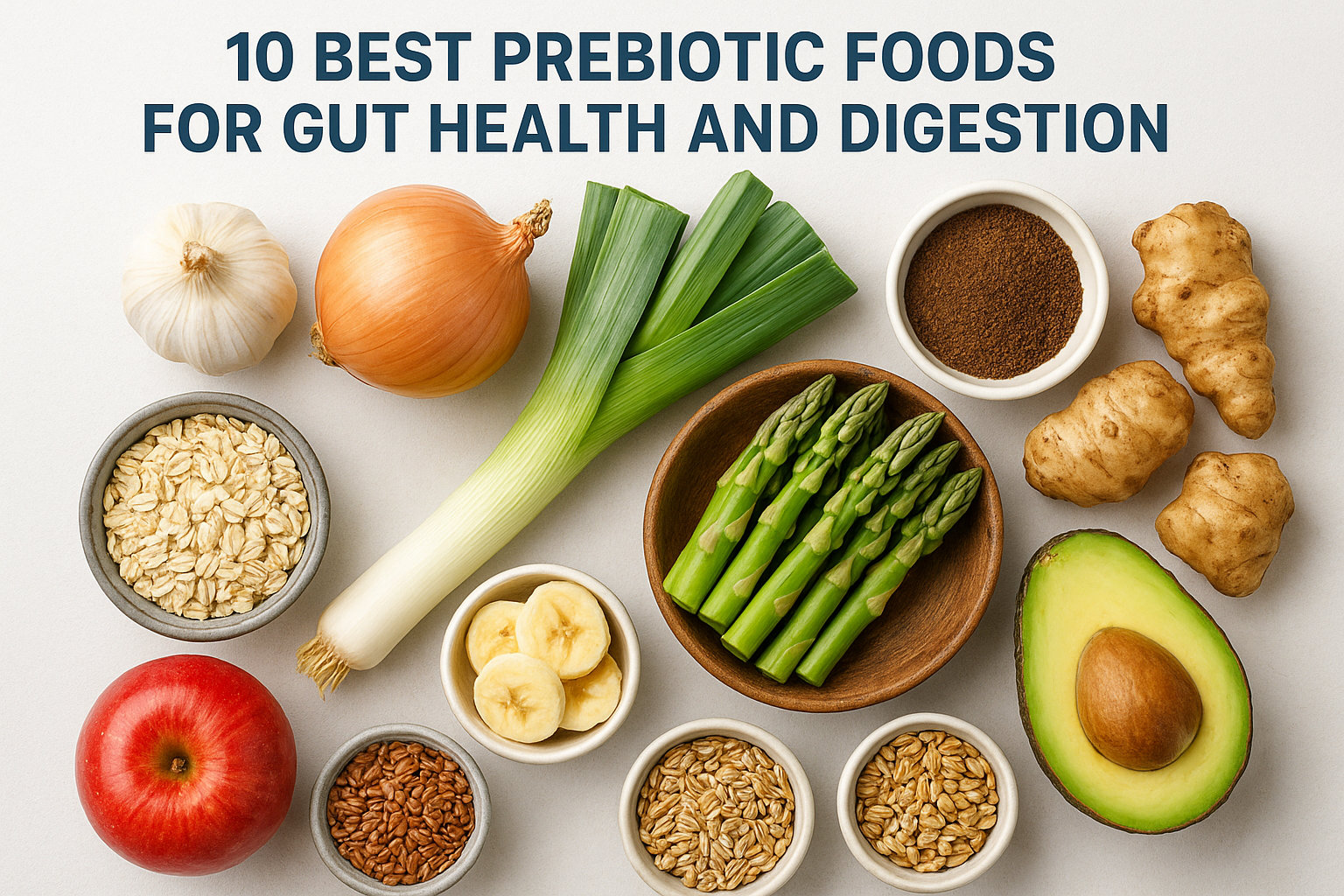
Below, we’ve put together a list of 10 of the best prebiotic-rich foods you can start eating today, along with what makes each one beneficial and simple ways to work them into your meals. Whether you’re dealing with digestive discomfort or just want to give your gut bacteria a boost, this list has you covered.
1. Build your prebiotic grocery list with Worganic Foods
Before you dive into the specific foods, it helps to understand what you’re actually working with. Prebiotic foods for gut health are not a wellness trend; they’re a foundation. This section covers what prebiotics do, how to add them without discomfort, and what to keep in mind when shopping for organic options.
What prebiotics do in your gut and why they matter
Prebiotics are non-digestible fibers that pass through your small intestine intact and reach your colon, where your gut bacteria ferment them. This fermentation produces short-chain fatty acids (SCFAs) like butyrate, which feed the cells lining your colon, reduce inflammation, and help regulate your immune response.
Your gut bacteria can only do their best work when they have consistent, quality fuel, and prebiotics are exactly that.
Your beneficial bacteria populations, including Lactobacillus and Bifidobacterium strains, grow stronger when you eat prebiotic-rich foods regularly. A well-supported microbiome links to better digestion, more stable energy, and even improved mood through the gut-brain axis.
How to add prebiotic foods without gas or bloating
Starting with small portions is the most reliable way to avoid the bloating and gas that high-fiber foods can cause when introduced too quickly. Your gut bacteria need time to adjust, so spreading the increase over two to three weeks gives your digestive system room to adapt without discomfort.
Cooking prebiotic vegetables like onions, leeks, and asparagus often makes them easier to tolerate than eating them raw. Pairing fibrous foods with enough water also helps move things through your system smoothly.
What to look for when you buy organic prebiotic foods
When buying organic, look for the USDA Organic certification on packaging to confirm the product meets federal standards for pesticide use and soil quality. Fresher produce typically carries higher fiber content, so buying seasonal and locally sourced options gives you the most nutritional return.
Check ingredient lists on any processed prebiotic products carefully. Added sugars and fillers can undercut the fiber benefits you’re looking for, so whole food sources are almost always the better choice.
When prebiotic foods may not be a good fit
People managing IBS, SIBO, or other digestive conditions should speak with a healthcare provider before significantly increasing prebiotic fiber. High-FODMAP foods like garlic and onions are rich in prebiotics but can trigger symptoms in sensitive individuals.
Tracking how your body responds as you introduce new foods is always a smart practice, regardless of your baseline digestive health.
2. Garlic
Garlic is one of the most studied prebiotic foods for gut health, and for good reason. A single clove contains fructooligosaccharides (FOS) and inulin, two types of fiber that feed beneficial gut bacteria directly. It’s accessible, affordable, and easy to work into daily cooking.

Why garlic counts as a prebiotic
Garlic’s prebiotic power comes from its inulin and fructooligosaccharide content, which resist digestion in your small intestine and arrive in your colon intact. Once there, Bifidobacterium and Lactobacillus strains ferment these fibers, producing short-chain fatty acids that support your gut lining and reduce inflammation.
Research consistently shows that regular garlic consumption increases populations of beneficial gut bacteria while suppressing harmful microbes.
Easy ways to eat more garlic every week
Adding garlic to your meals doesn’t require elaborate recipes. Minced raw garlic stirred into salad dressings or mixed into hummus delivers the strongest prebiotic effect, since heat can reduce some fiber content. Roasting whole cloves mellows the flavor considerably, making it a practical option for people who find raw garlic too sharp to eat regularly.
Prep tips that make garlic easier to tolerate
Crushing or chopping garlic and letting it rest for ten minutes before cooking activates its beneficial compounds more fully. Starting with half a clove per meal and gradually increasing the amount gives your gut bacteria time to adjust without triggering bloating or gas.
Who should go slow with garlic
If you follow a low-FODMAP diet or manage IBS, garlic is a high-FODMAP food that commonly triggers gas and cramping. Garlic-infused olive oil offers a lower-FODMAP alternative that delivers flavor with less digestive risk for sensitive individuals.
3. Onions and Leeks
Onions and leeks are two of the most practical prebiotic foods for gut health you can keep in your kitchen year-round. Both belong to the allium family and deliver significant amounts of inulin and fructooligosaccharides, making them reliable tools for feeding your gut microbiome consistently.
The prebiotic fibers in onions and leeks
Both onions and leeks contain inulin-type fructans, a category of prebiotic fiber that resists digestion until it reaches your colon. There, beneficial bacteria like Bifidobacterium ferment these fibers into short-chain fatty acids that strengthen your gut lining and reduce inflammation throughout the digestive tract.
Raw onions tend to carry a higher prebiotic fiber content than cooked ones, since heat breaks down some of the fructan chains.
Best cooked and raw options for digestion
Raw onions added to salads or salsas deliver the highest fiber concentration, but many people find them too sharp to eat in large amounts. Lightly sautéed leeks offer a milder flavor while still preserving a meaningful portion of their prebiotic content, making them a practical everyday option.
How to use onions and leeks without overdoing it
Starting with a quarter cup of cooked onion or leek per meal gives your gut bacteria time to adjust before you increase portions. Working them into soups, stir-fries, or egg dishes keeps things easy, since their flavor blends naturally without dominating the meal.
Who should limit onions and leeks
People managing IBS or following a low-FODMAP protocol should treat onions and leeks with caution, as both are high in fructans that commonly trigger bloating and gas. The green tops of leeks are generally lower in FODMAPs than the white bulb, so they may be a gentler starting point for sensitive digestive systems.
4. Asparagus
Asparagus is one of the more underrated prebiotic foods for gut health, sitting quietly in the produce section while garlic and onions collect most of the attention. It delivers inulin and fructooligosaccharides in meaningful amounts, making it a solid addition to any gut-focused eating plan.
What makes asparagus a prebiotic food
Its prebiotic value comes from inulin, a soluble fiber that bypasses digestion in your small intestine and reaches your colon intact. Once there, beneficial bacteria ferment it into short-chain fatty acids that feed your gut lining cells and support a healthier microbial balance over time.
Fresh asparagus spears contain a higher inulin concentration than canned versions, so raw or lightly cooked is always the better choice for gut benefits.
Simple ways to add asparagus to meals
Roasting asparagus with olive oil and simple seasoning fits easily into weeknight cooking without much planning. You can also shave raw asparagus thinly and toss it into salads for a crunchy texture that preserves its prebiotic fiber content well.
How cooking changes texture and tolerance
Steaming or lightly roasting asparagus softens its fibrous structure, which many people find easier on their digestion than eating it completely raw. Overcooking breaks down fiber significantly, so keeping your cook time under ten minutes preserves both the texture and the prebiotic value you’re aiming for.
Who should be careful with asparagus
Asparagus is a moderate-FODMAP food, so people managing IBS or SIBO may notice bloating when eating it in larger amounts. Starting with three to four spears per serving and tracking your response gives you a realistic way to gauge your own tolerance before increasing portions.
5. Chicory Root and Jerusalem Artichokes
Chicory root and Jerusalem artichokes rank among the most inulin-dense prebiotic foods for gut health you can find in whole food form. Both deliver concentrated doses of prebiotic fiber in relatively small servings, which makes them powerful additions to your diet when introduced thoughtfully.

Why these are some of the most concentrated options
Chicory root contains up to 47% inulin by weight, making it one of the richest natural sources of prebiotic fiber available. Jerusalem artichokes, which are tubers related to the sunflower and not the globe artichoke, carry inulin levels between 14% and 19%, which still puts them well above most other vegetables on a per-serving basis.
Because of their high fiber concentration, even small amounts of these foods can produce a meaningful shift in your gut microbiome composition over time.
How to eat them without digestive blowback
Starting with one to two tablespoons of roasted chicory root or a quarter cup of cooked Jerusalem artichoke gives your gut bacteria time to ramp up fermentation gradually. Cooking Jerusalem artichokes by roasting or simmering them softens their fiber structure and generally reduces the gas response that raw preparation tends to cause.
Where to find them and how to store them
You can find chicory root in health food stores as a whole root or as a roasted coffee substitute. Jerusalem artichokes appear in farmers markets and specialty grocers from fall through early spring. Store both in a cool, dry place away from direct light, and use them within one to two weeks of purchase for the best fiber content.
Who should avoid or limit these foods
People with diagnosed IBS or SIBO should treat both foods with significant caution, as their inulin concentration is high enough to trigger severe bloating, cramping, and gas in sensitive individuals. If you are currently on a low-FODMAP elimination protocol, hold off on both until you complete the reintroduction phase and consult your healthcare provider.
6. Green Bananas and Plantains
Green bananas and plantains stand out from most prebiotic foods for gut health on this list because they feed your gut bacteria through resistant starch rather than inulin or fructooligosaccharides. That distinction makes them a valuable addition to a varied, fiber-rich diet.
Resistant starch vs inulin and why it matters
Resistant starch passes through your small intestine undigested and reaches your colon, where beneficial bacteria ferment it into butyrate and other short-chain fatty acids. Unlike inulin-based fibers, resistant starch also helps stabilize blood sugar and slow digestion, giving it a dual benefit for both gut health and steady energy.
Resistant starch content drops sharply as bananas ripen, so the greener the banana, the stronger the prebiotic effect.
Best ways to eat them for gut benefits
Sliced green banana blends smoothly into smoothies where its firm texture softens with other ingredients. Boiled or baked green plantains work well as a starchy side dish that pairs naturally with proteins and cooked vegetables without much preparation effort.
Ripeness, cooking methods, and what to expect
Cooking green bananas or plantains and then letting them cool completely before eating actually raises their resistant starch through a process called retrogradation. Chilled leftover plantains from a previous meal deliver more prebiotic fiber than freshly cooked portions served hot.
Who should start with small servings
Half a small green banana or a quarter cup of cooked plantain is a reasonable starting point for most people. Those prone to bloating or loose stools after high-fiber meals should build portion sizes gradually over one to two weeks before increasing amounts.
7. Oats and Barley
Oats and barley bring a different type of fiber to your gut health toolkit. While they don’t contain inulin like garlic or asparagus, both rank among the most valuable prebiotic foods for gut health because of their beta-glucan content, a soluble fiber with well-documented benefits for your digestive microbiome.
Beta-glucan and other gut-friendly fibers
Beta-glucan is a soluble fiber found in both oats and barley that your small intestine cannot break down on its own. It travels to your colon, where beneficial gut bacteria ferment it into short-chain fatty acids that support your gut lining and help regulate inflammation. Barley tends to carry a higher beta-glucan concentration than oats, though both deliver meaningful prebiotic value per serving.
Regular beta-glucan intake consistently shows positive effects on gut microbiome diversity and beneficial bacterial populations in clinical research.
The best forms to buy and how to prepare them
Whole rolled oats and hulled barley preserve the most beta-glucan compared to heavily processed versions like instant oats or pearl barley. Look for USDA Organic certification on packaging when you shop, which helps you avoid unnecessary pesticide residues on these grain crops.
How to use oats and barley in breakfasts and meals
Overnight oats prepared the evening before and eaten cold increase resistant starch content through retrogradation, adding a second layer of prebiotic benefit to your breakfast. Barley responds well stirred into soups and grain bowls, where it absorbs liquid and softens into a filling, fiber-rich addition to the meal.
Who should choose gluten-free options
People with celiac disease or non-celiac gluten sensitivity cannot safely eat standard oats or barley due to gluten cross-contamination risks. Certified gluten-free oats are available and processed in dedicated facilities, making them a safer alternative for those who need to avoid gluten entirely.
8. Apples and Avocados
Apples and avocados bring pectin, a soluble prebiotic fiber, to the conversation about prebiotic foods for gut health. Both fruits are widely available, easy to eat without preparation, and offer gut benefits that most people overlook when they focus only on vegetables and grains.

Pectin as a prebiotic fiber
Pectin is a type of soluble fiber concentrated in the skin and flesh of apples and, to a lesser degree, in avocados. Your small intestine cannot digest it, so it travels intact to your colon, where beneficial bacteria ferment it into short-chain fatty acids that support your gut lining and reduce inflammation.
Research shows that pectin selectively increases Bifidobacterium populations, one of the most studied and beneficial bacterial groups in the human gut.
Easy, realistic serving ideas
One medium apple with the skin on delivers the highest pectin concentration since much of the fiber sits just beneath the peel. Half an avocado added to a meal gives you both pectin and healthy fats that support nutrient absorption at the same time.
How to pair them with protein and fats for steadier digestion
Eating apples alongside a source of protein like almond butter or Greek yogurt slows the breakdown of their natural sugars and helps your digestive system process the fiber more gradually. Avocados already contain fat naturally, so pairing them with eggs or legumes creates a balanced meal that keeps digestion steady without spiking your blood sugar.
Who should adjust portions
People managing blood sugar concerns or fructose sensitivity should monitor their apple intake, since even whole fruit can affect some individuals. Starting with half an apple or a quarter of an avocado per sitting gives your gut time to adapt before you increase serving sizes.
9. Flaxseed
Flaxseed often gets attention for its omega-3 content, but its role as one of the most accessible prebiotic foods for gut health deserves equal recognition. Mucilaginous fiber and lignans in flaxseed feed beneficial bacteria while also supporting regular digestion in a way that most seeds simply don’t match.
Why flax supports gut bacteria and regularity
Flaxseed contains soluble mucilaginous fiber that forms a gel-like substance when it contacts water in your digestive tract. This gel slows digestion, feeds Bifidobacterium and Lactobacillus populations, and helps soften stool for more consistent regularity without the harsh effects of laxatives.
Research links regular flaxseed consumption to measurable increases in beneficial gut bacteria populations and reductions in digestive inflammation markers.
Ground vs whole flax and how to use each
Ground flaxseed releases its fiber and nutrients far more effectively than whole seeds, since your digestive system cannot fully break through an intact seed coat. Whole seeds pass through largely undigested, so grinding flax fresh or buying pre-ground options gives you the actual prebiotic benefit per serving. One to two tablespoons stirred into oatmeal, yogurt, or a smoothie is a practical daily target.
Storage and freshness tips for organic flax
Ground flaxseed oxidizes quickly once exposed to air, so storing it in an airtight container in your refrigerator or freezer extends its shelf life significantly. Whole seeds keep for up to a year in a cool, dry place, but ground flax stays fresh for about three months in the fridge before its beneficial oils begin to degrade.
Who should increase flax slowly
Starting with one teaspoon per day and increasing gradually over two weeks works well for most people, since flax can cause bloating or loose stools when added too quickly. Anyone taking blood-thinning medications or hormone-sensitive medications should consult their healthcare provider before adding flax regularly, given its lignan content and mild hormonal activity.

Your next step for a happier gut
You now have a clear picture of which prebiotic foods for gut health make the biggest difference and how to add them without overwhelming your digestive system. Start with one or two foods from this list rather than overhauling your entire diet at once, and give your gut bacteria two to three weeks to adjust before adding more. Small, consistent changes build lasting habits far more reliably than dramatic overhauls that are hard to sustain.
Building this habit one food at a time keeps the process manageable and gives your body genuine, measurable improvements in digestion and energy over time. Whether you pick up a bunch of asparagus, swap your morning cereal for rolled oats, or slice a green banana into a smoothie, you’re moving your gut health in the right direction. Find more organic food guides and practical nutrition tips at Worganic Foods to keep building on what you’ve started.
Discover more from Woganic Blog
Subscribe to get the latest posts sent to your email.