
Your gut does a lot more than digest food, it influences your immune system, your mood, and your energy levels throughout the day. And one of the simplest ways to support it is by eating more fiber rich foods for gut health. Fiber feeds the beneficial bacteria in your digestive tract, helping them thrive and keeping things moving the way they should. Yet most Americans fall short of the recommended 25–30 grams of daily fiber by a wide margin.
The good news? You don’t need supplements or complicated meal plans to close that gap. A handful of whole, organic foods can make a real difference, and choosing organic means you’re feeding your gut fiber without the pesticide residues that can disrupt the very microbiome you’re trying to protect. That’s exactly the kind of intentional eating we champion here at Worganic Foods.
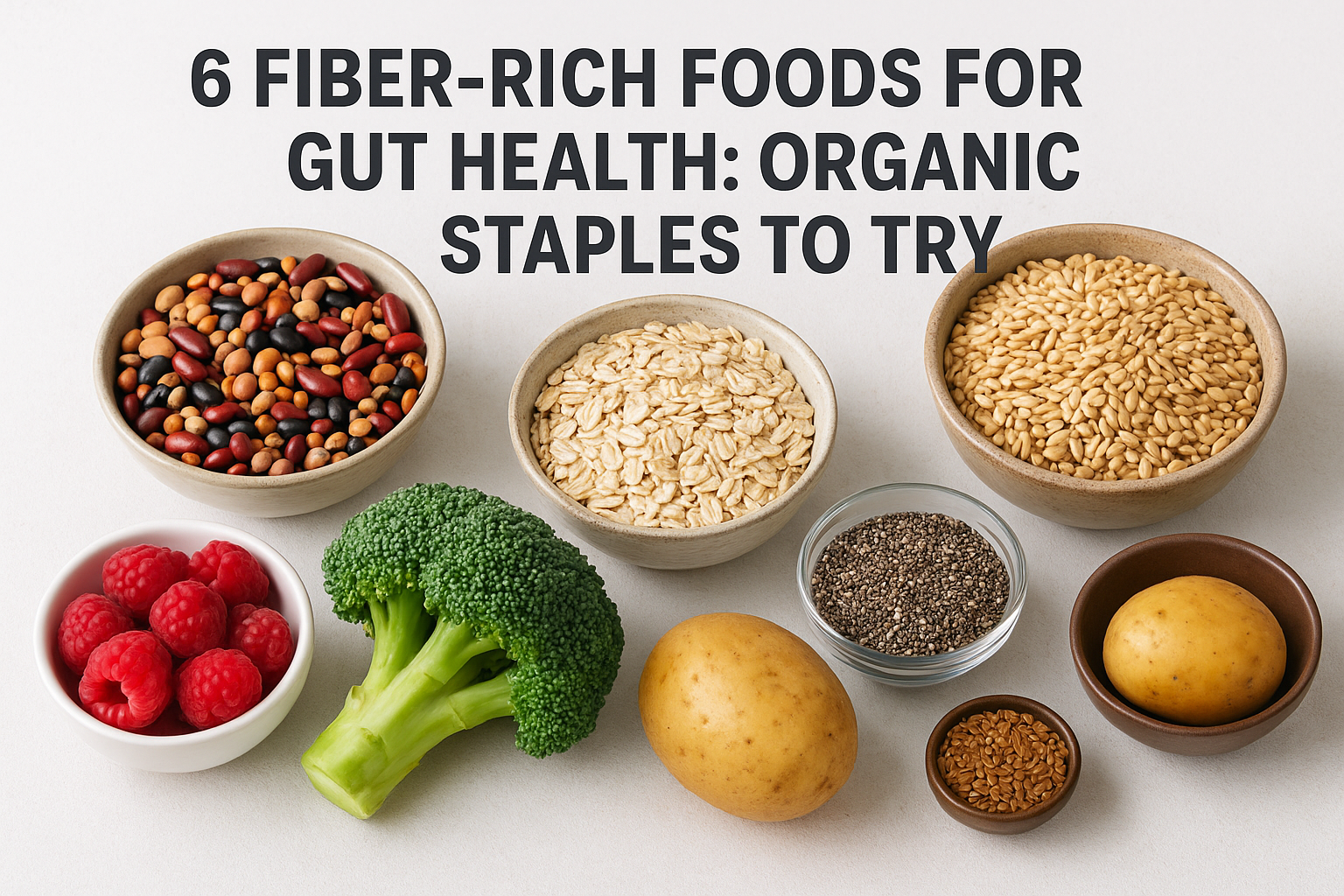
Below, we’ve pulled together six organic staples that pack serious fiber and genuinely support digestive health. Each one is easy to find, simple to prepare, and worth a permanent spot in your kitchen. Whether you’re just starting to pay attention to gut health or looking to fine-tune a diet that’s already solid, this list gives you practical options you can act on today.
1. Organic lentils and beans
Lentils and beans are among the most powerful fiber rich foods for gut health you can add to your plate. A single cup of cooked lentils delivers around 15–16 grams of fiber, which is more than half the daily recommended intake for most adults. Better yet, they’re affordable, shelf-stable, and easy to find in certified organic form.

Why they support gut health
Lentils and beans contain a mix of soluble and insoluble fiber that works in two distinct ways inside your digestive tract. Soluble fiber dissolves in water, forms a gel that slows digestion, and feeds beneficial bacteria like Bifidobacterium. Insoluble fiber adds bulk to stool and keeps waste moving through your colon at a healthy pace.
The fermentation of legume fiber by gut bacteria produces short-chain fatty acids like butyrate, which help maintain the lining of your colon and reduce inflammation.
Top organic picks and what to look for
Your best choices include black beans, chickpeas, green lentils, and red lentils. When buying organic, look for the USDA Certified Organic seal on the packaging. Dried organic lentils from brands that source single-origin legumes tend to have cleaner labels and better flavor than canned varieties, though organic canned beans with no added sodium are a solid convenient option.
Easy ways to eat more of them
Adding legumes to meals takes very little effort. Blend red lentils into soups, toss chickpeas into salads, or cook a simple black bean bowl with brown rice and roasted vegetables. You can also keep a batch of cooked lentils in the fridge for three to four days and add them to whatever you’re already preparing.
Fiber per common serving
| Food | Serving Size | Fiber |
|---|---|---|
| Cooked lentils | 1 cup | 15.6g |
| Black beans | 1 cup | 15g |
| Chickpeas | 1 cup | 12.5g |
| Kidney beans | 1 cup | 11.3g |
Watch-outs and who should go slow
If your current diet is low in fiber, adding large amounts of legumes all at once can cause bloating and gas. Start with a half-cup serving and increase gradually over two to three weeks. People with irritable bowel syndrome may also find that high-FODMAP legumes like chickpeas and kidney beans trigger symptoms, so going slow matters even more.
2. Organic oats and barley
Oats and barley bring consistent fiber output to your daily diet and rank among the most accessible fiber rich foods for gut health in the whole-grain category. Both grains are rich in beta-glucan, a soluble fiber studied extensively for its digestive benefits, and they’re widely available in certified organic form.
Why they support gut health
Beta-glucan dissolves in water to form a thick, viscous gel that slows the passage of food through your digestive tract. That slower transit time gives beneficial bacteria more opportunity to ferment fiber and produce short-chain fatty acids that actively protect your gut lining.
Studies have linked regular beta-glucan consumption to improved stool consistency and a more diverse gut microbiome.
Top organic picks and what to look for
Look for certified organic rolled oats or steel-cut oats, both of which retain more fiber than instant varieties. For barley, hulled barley holds more fiber than pearled barley since the outer bran layer stays intact. Choose bags with a clear USDA Certified Organic label.
Easy ways to eat more of them
Overnight oats are one of the simplest high-fiber breakfasts you can prepare ahead of a busy morning. Barley works well in soups and grain bowls, absorbing broth while adding a satisfying chew that keeps you full.
Fiber per common serving
| Food | Serving Size | Fiber |
|---|---|---|
| Cooked rolled oats | 1 cup | 4g |
| Cooked hulled barley | 1 cup | 6g |
Watch-outs and who should go slow
People with celiac disease or non-celiac gluten sensitivity need to avoid barley entirely and choose certified gluten-free oats instead. Even organic oats processed in shared facilities can carry cross-contamination risk, so read the label carefully if gluten is a concern for you.
3. Organic berries
Berries punch well above their weight as fiber rich foods for gut health, especially considering how small and easy to eat they are. A single cup of raspberries delivers nearly 8 grams of fiber, which rivals some legumes per calorie. They’re also among the produce items most worth buying organic, since conventionally grown berries frequently top pesticide residue lists.

Why they support gut health
Berries contain pectin, a soluble fiber that slows digestion and feeds beneficial gut bacteria. Raspberries and blackberries are particularly rich in it. Beyond fiber, their polyphenols act as prebiotics, supporting microbial diversity in ways that go beyond what fiber content alone would suggest.
Research shows that berry polyphenols selectively feed strains like Lactobacillus, helping maintain a balanced and diverse gut microbiome.
Top organic picks and what to look for
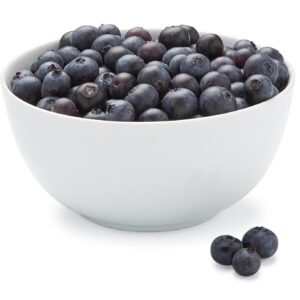
Your top choices are organic raspberries, blackberries, and blueberries. Frozen organic berries are just as nutritious as fresh and are available year-round at a lower cost. Look for the USDA Certified Organic seal and avoid bags with added sugar or syrup.
Easy ways to eat more of them
Stir berries into overnight oats or plain yogurt, blend them into smoothies, or eat them straight as a snack. Keeping a bag of frozen organic berries in your freezer makes it easy to add them to meals without worrying about spoilage.
Fiber per common serving
| Food | Serving Size | Fiber |
|---|---|---|
| Raspberries | 1 cup | 8g |
| Blackberries | 1 cup | 7.6g |
| Blueberries | 1 cup | 3.6g |
Watch-outs and who should go slow
Berries are generally well tolerated, but people sensitive to high-FODMAP foods may react to larger servings of blackberries. Start with a half-cup portion if you notice bloating or cramping after eating them and increase from there as your gut adjusts.
4. Organic cruciferous vegetables
Broccoli, Brussels sprouts, and cabbage are some of the most underrated fiber rich foods for gut health you can add to your weekly rotation. A cup of cooked broccoli delivers around 5 grams of fiber, and these vegetables offer a mix of soluble and insoluble fiber that supports digestive regularity on multiple fronts.
Why they support gut health
Cruciferous vegetables contain glucosinolates, sulfur-based compounds that your gut bacteria break down into beneficial byproducts that help protect the intestinal lining. They also supply insoluble fiber that adds bulk to stool and keeps waste moving through your colon at a healthy pace.
Research suggests that cruciferous vegetables support microbiome diversity by feeding multiple bacterial strains at the same time.
Top organic picks and what to look for
Your best organic options include broccoli, Brussels sprouts, kale, and green cabbage. Buy firm, tightly packed heads and always check for the USDA Certified Organic seal to avoid pesticide residues that can disrupt your microbiome.
Easy ways to eat more of them
Roasting cruciferous vegetables at high heat reduces bitterness and softens their texture. Shred raw cabbage into slaws, steam broccoli and toss it into grain bowls, or halve Brussels sprouts and roast them with olive oil and garlic for an easy side dish.
Fiber per common serving
| Food | Serving Size | Fiber |
|---|---|---|
| Cooked broccoli | 1 cup | 5.1g |
| Cooked Brussels sprouts | 1 cup | 4.1g |
| Raw kale | 1 cup | 1.3g |
Watch-outs and who should go slow
If you have a thyroid condition, talk to your doctor before eating large amounts of raw cruciferous vegetables daily, since their goitrogenic compounds can interfere with thyroid function. People with sensitive digestion should start with cooked portions, which are considerably easier to tolerate than raw versions.
5. Organic chia and flax seeds
Chia and flax seeds are two of the most concentrated fiber rich foods for gut health available in such a small serving size. Just two tablespoons of either seed delivers 4–6 grams of fiber, making them one of the easiest ways to lift your daily intake without overhauling your meals.
Why they support gut health
Both seeds are rich in soluble fiber that absorbs water and forms a gel in your digestive tract. That gel slows digestion, feeds beneficial bacteria, and supports the production of short-chain fatty acids that protect your gut lining.
Flax seeds also contain lignans, a type of polyphenol that supports microbiome diversity alongside their fiber content.
Top organic picks and what to look for
Look for certified organic whole flax seeds or ground flax meal and organic chia seeds with the USDA Certified Organic seal. Ground flax is easier for your body to use than whole seeds since the hull otherwise passes through undigested.
Easy ways to eat more of them
Stir chia seeds into water or oat milk and let them sit for 10 minutes to form a simple gel you can eat plain or flavored. Add ground flax to smoothies or oatmeal without noticeably changing the flavor.
Fiber per common serving
| Food | Serving Size | Fiber |
|---|---|---|
| Chia seeds | 2 tablespoons | 9.8g |
| Ground flax seeds | 2 tablespoons | 3.8g |
Watch-outs and who should go slow
Always drink plenty of water when eating these seeds, since both expand significantly when they absorb liquid. People taking blood-thinning medications should check with their doctor before adding large amounts of flax to their regular diet.
6. Organic cooked and cooled potatoes
Potatoes rarely make it onto lists of fiber rich foods for gut health, but they earn a spot here because of a specific transformation that happens when you cool them after cooking. That process converts some of their starch into resistant starch, a type of fiber your small intestine skips entirely, sending it straight to your colon to feed beneficial bacteria.
Why they support gut health
When you cook and then cool a potato, its structure changes at a molecular level. Resistant starch forms, and your gut bacteria ferment it to produce butyrate, a short-chain fatty acid that fuels the cells lining your colon.
Higher butyrate production is linked to a stronger gut barrier, reduced inflammation, and a lower risk of digestive disorders.
Top organic picks and what to look for
Your best options are organic Yukon Gold or russet potatoes with the USDA Certified Organic seal. Leaving the skin on adds extra insoluble fiber, so choose potatoes with smooth, unblemished skin you can eat after cooking.
Easy ways to eat more of them
Cook a batch of potatoes, refrigerate them overnight, and use them the next day in cold potato salads or grain bowls. Reheating them briefly still preserves most of the resistant starch that formed during cooling.
Fiber per common serving
| Food | Serving Size | Fiber |
|---|---|---|
| Cooked and cooled potato (with skin) | 1 medium | 4.7g |
Watch-outs and who should go slow
People managing blood sugar levels should note that hot potatoes have a high glycemic index, though cooling them significantly lowers that response. If you have digestive sensitivity, start with a small serving and monitor how your body reacts before making them a daily staple.

Next steps
These six foods give you a clear, actionable starting point for building a gut-friendly diet around fiber rich foods for gut health. You don’t need to add all of them at once. Pick two or three from this list and work them into your meals this week, then build from there as your digestion adjusts and your tolerance for fiber increases.
Choosing organic matters at every step of this process. Pesticide residues disrupt the same gut microbiome you’re working to strengthen, so reaching for USDA Certified Organic options gives your efforts a real foundation rather than quietly undermining them.
Ready to stock your kitchen with high-quality organic staples? Visit Worganic Foods to find organic products that make eating for gut health simple and sustainable. Your gut responds to consistent, intentional choices, and the foods you bring home today are the foundation of the microbiome you build over the coming months.
Discover more from Woganic Blog
Subscribe to get the latest posts sent to your email.