

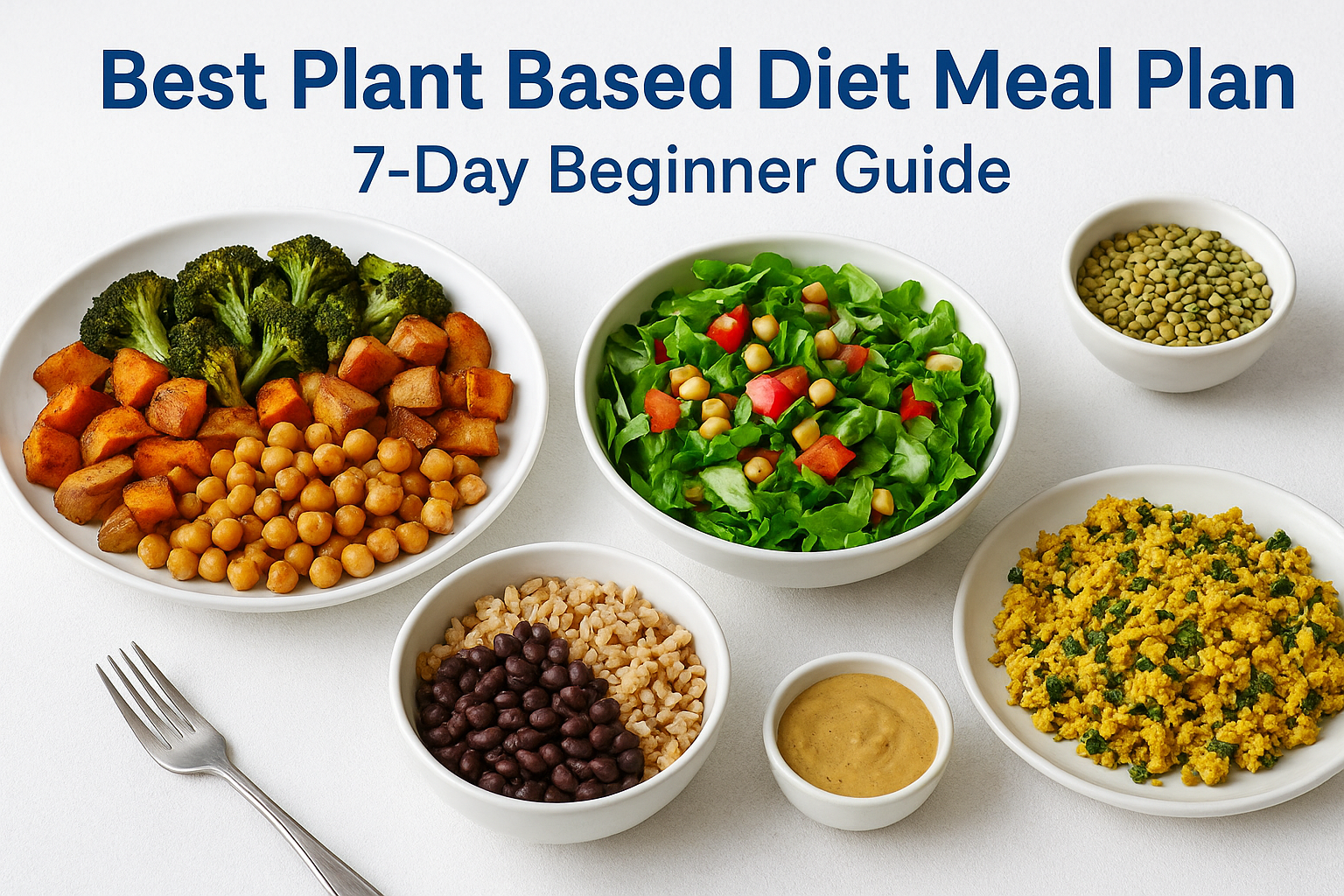
Switching to a plant-based diet sounds simple until you’re standing in your kitchen on a Monday night with no idea what to cook. That’s where a best plant based diet meal plan actually helps, it removes the guesswork and gives you a clear path from grocery store to plate. Without structure, most people either fall back on processed convenience foods or eat the same three meals on repeat, missing out on the variety that makes plant-based eating nutritious and sustainable.
At Worganic Foods, we spend our time researching organic nutrition and helping people make real changes to how they eat, not just talking about it. A well-built meal plan is one of the most practical tools we recommend to anyone starting out, because it solves the two biggest barriers: knowing what to buy and knowing what to make.
This guide walks you through a full 7-day plant-based meal plan with breakfast, lunch, dinner, and snacks mapped out for each day. You’ll also find a grocery list, basic nutrition tips, and simple swaps to fit the plan to your preferences. Whether you’re going fully plant-based or just trying to eat more whole foods, this is a straightforward place to start.
What makes a plant-based meal plan work
Most people who struggle with plant-based eating aren’t doing it wrong, they’re just missing a clear structure. A random collection of salads and smoothies isn’t a plan. What makes the best plant-based diet meal plan actually work is attention to a few fundamentals that keep you full, energized, and motivated to push past the first week without falling back on old habits.
A plant-based meal plan only works when it covers your nutritional bases, not just your produce drawer.
Prioritize protein at every meal
Plant-based protein sources are plentiful, but they require intentional planning that most beginners skip. Foods like lentils, chickpeas, tofu, tempeh, edamame, and black beans all deliver solid protein, but you need to include at least one of them at each meal to hit your daily target. A reasonable goal for most adults is 0.7 to 1 gram of protein per pound of body weight, so treat protein as the anchor of every plate you build.
Use this quick reference when planning meals:
| Protein Source | Serving Size | Protein (approx.) |
|---|---|---|
| Lentils (cooked) | 1 cup | 18g |
| Chickpeas (cooked) | 1 cup | 15g |
| Tempeh | 3 oz | 16g |
| Firm tofu | 3 oz | 9g |
| Edamame | ½ cup | 9g |
Tracking your protein doesn’t have to be complicated. Pick one protein-rich food per meal, build the rest of the plate around it, and you’ll naturally get closer to your target without obsessing over numbers.
Build around whole foods, not substitutes
Processed vegan substitutes like packaged meat alternatives can make the transition easier, but they shouldn’t form the core of your plan. Whole plant foods such as sweet potatoes, brown rice, oats, leafy greens, and legumes give you more fiber, more micronutrients, and better satiety per calorie. Use substitutes as a bridge, not a foundation.
Centering your grocery list on whole ingredients also lowers your food costs and makes batch cooking much simpler. Whole grains and legumes store well, cook in large batches, and work across multiple meals throughout the week, which is exactly what keeps a meal plan manageable when life gets busy.
Watch the nutrients that need extra attention
Switching to plants covers most of your nutritional needs, but a few specific nutrients require deliberate focus on a plant-based diet. Vitamin B12, vitamin D, iron, calcium, zinc, and omega-3 fatty acids are the ones most commonly cited by dietitians as worth tracking. B12 is the one you genuinely cannot get reliably from food alone, so a B12 supplement is worth adding regardless of how well-rounded your meals are.
Step 1. Set your goals and nutrition basics
Before you look at a single recipe, take five minutes to clarify what you actually want from this change. Your goal shapes every decision in the plan, from portion sizes to which protein sources you prioritize most. Someone focused on weight loss will build their plate differently than someone focused on athletic recovery or managing blood sugar, and both approaches are completely valid starting points.
Define what you want from this plan
Knowing your "why" makes it much easier to stay consistent with the best plant-based diet meal plan when motivation dips mid-week. Write down one or two specific outcomes you want, whether that’s dropping a few pounds, improving your digestion, lowering your cholesterol, or simply adding more whole foods to your daily routine. Specific goals give you a clear benchmark so you can honestly evaluate whether the plan is working after seven days.
The more specific your goal, the easier it is to adjust the plan when something isn’t clicking.
Know your daily nutrition targets
You don’t need to count every calorie, but having rough daily targets helps you build balanced, nutrient-dense meals from the start. Use this framework as a baseline:
| Nutrient | Daily Target (approx.) |
|---|---|
| Protein | 0.7-1g per pound of body weight |
| Fiber | 25-38g |
| Calcium | 1,000mg |
| Iron | 8-18mg |
| Vitamin B12 | 2.4mcg (supplement recommended) |
Iron and calcium both absorb better with smart food pairings. Combine iron-rich lentils with vitamin C sources like bell peppers or citrus to boost absorption, and you get stronger nutritional returns from each meal without any extra planning effort.
Step 2. Build your grocery list and prep plan
A solid grocery list is what separates a plan you actually follow from one you abandon by Wednesday. Before you open a single recipe, map out your staples so your cart covers the full week without requiring a second trip or last-minute substitutions. Keeping your list organized by food category also speeds up your shopping and reduces the chance of forgetting a key ingredient.
Stock these staples first
Your pantry and fridge form the backbone of the best plant-based diet meal plan, so start there before adding anything else. These are the items you’ll pull from daily across breakfast, lunch, and dinner throughout the week:

| Category | Items to Buy |
|---|---|
| Grains | Brown rice, rolled oats, quinoa, whole grain bread |
| Legumes | Canned chickpeas, lentils, black beans |
| Proteins | Firm tofu, tempeh, edamame (frozen) |
| Vegetables | Spinach, kale, sweet potatoes, bell peppers, broccoli |
| Fruits | Bananas, berries (frozen), apples |
| Healthy fats | Avocados, olive oil, natural peanut butter, flaxseeds |
| Pantry extras | Nutritional yeast, low-sodium soy sauce, canned diced tomatoes |
Buying frozen fruits and vegetables is just as nutritious as fresh, and it cuts down on food waste significantly.
Prep in batches to save time
Batch cooking on Sunday is the single most effective habit for keeping the plan on track Monday through Friday. Cook a large pot of grains, roast two sheet pans of vegetables, and prep your legumes ahead so building a meal takes minutes rather than starting from scratch every night. Portion your prepped ingredients into containers and store them by type so you can mix and match quickly during the week.
Step 3. Follow the 7-day beginner meal plan
With your groceries stocked and your batch prep done, you’re ready to eat. This 7-day schedule maps out exactly what to make for breakfast, lunch, and dinner so you’re not making decisions on the fly. Stick to the plan as written for the first week, then adjust from there once you know what you like.
Your 7-day meal schedule
This is the core of the best plant-based diet meal plan, laid out day by day so you can follow it without second-guessing anything. Each day covers three meals built from the staples you already prepped.

| Day | Breakfast | Lunch | Dinner |
|---|---|---|---|
| Monday | Oatmeal with berries and flaxseeds | Lentil soup with whole grain bread | Tofu stir-fry with brown rice and broccoli |
| Tuesday | Smoothie with banana, spinach, and peanut butter | Chickpea and kale salad | Black bean tacos with avocado |
| Wednesday | Overnight oats with apple slices | Quinoa and roasted vegetable bowl | Tempeh with sweet potato and steamed greens |
| Thursday | Avocado toast with edamame | Lentil and tomato soup | Tofu scramble with bell peppers and brown rice |
| Friday | Oatmeal with banana and peanut butter | Chickpea wrap with spinach | Black bean and rice bowl with salsa |
| Saturday | Smoothie with frozen berries and flaxseeds | Quinoa salad with roasted sweet potato | Tempeh stir-fry with kale and quinoa |
| Sunday | Overnight oats with fresh fruit | Lentil and vegetable soup | Chickpea curry with brown rice |
Repeating ingredients across multiple days reduces your prep time and cuts down on food waste without making meals feel repetitive.
Snacks to keep on hand
Planned snacks prevent you from reaching for processed foods between meals. Keep simple, whole-food options available throughout the week, such as apple slices with peanut butter, a small handful of mixed nuts, hummus with sliced bell peppers, or a piece of fruit with edamame. These bridge the gap between meals without derailing the structure of the plan.
Step 4. Adjust the plan for real life and health needs
The best plant-based diet meal plan on paper won’t survive contact with your actual schedule unless you know how to bend it without breaking it. Life interrupts every routine, whether that’s a work trip, a family dinner, or a week where cooking from scratch simply isn’t happening. Building in simple adjustments from the start is what keeps you on track rather than restarting from zero every time something comes up.
Swap meals without losing nutrition
When a planned meal doesn’t work on a given day, swap within the same protein category rather than skipping the meal entirely or reaching for something processed. If you had tempeh scheduled but can’t find it, sub in tofu or canned chickpeas. The goal is keeping your nutritional profile intact even when the exact recipe changes.
Use these quick swaps when your plan hits a snag:
| Original Ingredient | Quick Swap |
|---|---|
| Tempeh | Firm tofu or canned chickpeas |
| Brown rice | Whole grain wrap or quinoa |
| Fresh spinach | Frozen kale or canned greens |
| Homemade lentil soup | Canned lentil soup (low sodium) |
Flexibility within a structure beats rigidity without it every time a busy week hits.
Adjust portions for specific health needs
Your health history matters when you follow any structured eating plan. If you manage blood sugar, lean toward lower-glycemic carbohydrates like lentils, barley, and sweet potatoes instead of white rice or refined bread. If you deal with a digestive condition like IBS, reduce high-FODMAP foods such as onions, garlic, and certain legumes, and favor cooked vegetables over raw ones. Anyone with a diagnosed health condition should confirm major dietary changes with a registered dietitian before committing to the full plan.

Keep going after day 7
Seven days is enough time to prove to yourself that plant-based eating is genuinely manageable, but it’s only the beginning of what becomes a much easier routine over time. The best plant-based diet meal plan works because repetition builds habits, and by the end of your first week you already know which meals you enjoyed, which swaps worked, and where you need to adjust. Take those observations and use them to build your second week rather than starting from scratch.
From here, your job is to keep expanding your ingredient list and trying new combinations using the same structure you already know. Add one new protein source or vegetable each week to prevent boredom without overwhelming your routine. Small, consistent additions compound into a genuinely varied diet over weeks and months. For more organic food guidance and product recommendations to support your next steps, visit Worganic Foods and explore what we have waiting for you.
Discover more from Woganic Blog
Subscribe to get the latest posts sent to your email.



Leave a Reply
Your email is safe with us.