
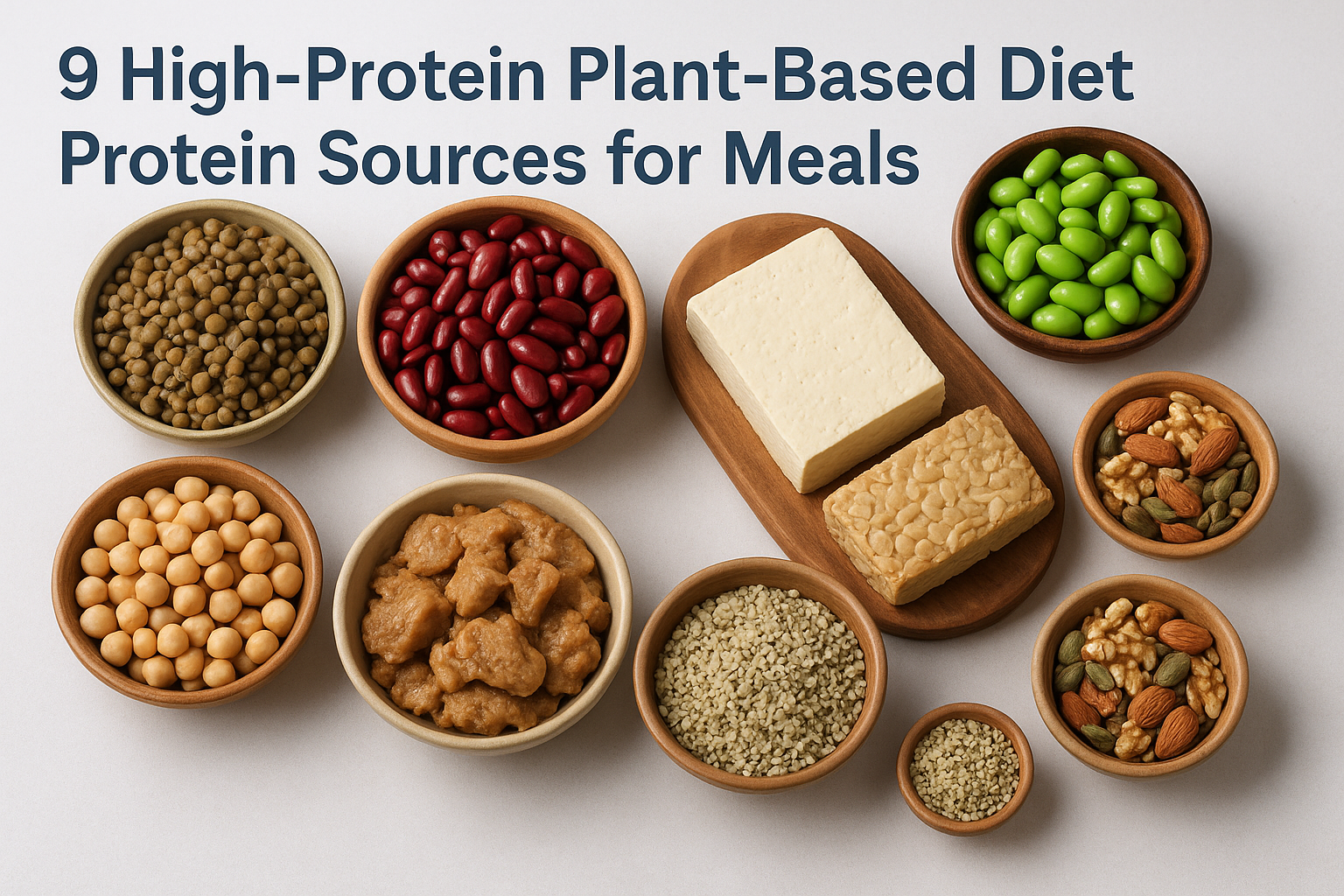
"Where do you get your protein?" If you’ve ever mentioned eating more plants, you’ve heard this question. It’s the first thing people ask, and honestly, it’s a fair one. Protein matters. But the idea that you need animal products to hit your daily target? That’s outdated. Plant based diet protein sources are more varied, accessible, and nutrient-dense than most people realize, and they’ve been fueling athletes, families, and entire cultures for centuries.
The real challenge isn’t finding plant protein, it’s knowing which sources pack the biggest punch and how to work them into meals you’ll actually enjoy. Some plant foods deliver 20+ grams per serving. Others bring complete amino acid profiles that rival chicken or beef. Once you know what to reach for, meeting your protein needs without meat becomes straightforward.
At Worganic Foods, we’re all about helping you make informed, organic-first choices that support your health and the planet. That’s why we put together this list of nine high-protein plant-based foods worth building your meals around, with practical tips so you can start using them today.
1. Worganic Foods Organic Protein Staples
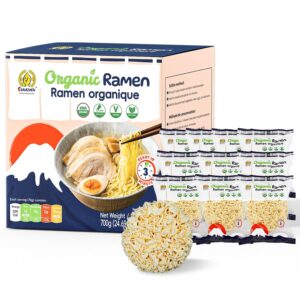
At Worganic Foods, we carry a curated selection of organic protein staples that make it easier to build your meals around whole, plant-based ingredients. These products are certified organic, free from synthetic additives, and chosen specifically because they deliver serious protein content without requiring animal products. If you want to stock a kitchen that consistently supports a high-protein plant-based lifestyle, this is where to start.
Protein and Key Nutrients
Our core staples include organic tempeh, lentils, chickpeas, black beans, and hemp seeds, each offering between 10 and 31 grams of protein per serving depending on the portion. Beyond protein, these foods bring a range of supporting nutrients your body needs, including iron, magnesium, zinc, and dietary fiber, all from clean organic sources. Rotating these options throughout the day also helps you cover your full amino acid profile without much planning.
When you combine complementary plant based diet protein sources, like beans paired with grains, you supply all nine essential amino acids your body cannot produce on its own.
Best Meal Ideas
You can work these staples into virtually every meal. Hemp seeds blend into smoothies, sprinkle over yogurt, or stir into oatmeal for an easy protein boost. Organic chickpeas roast in the oven for a crunchy snack or go straight into curries and grain bowls. Tempeh slices cleanly for stir-fries, sandwiches, or wraps. With a stocked pantry of these products, building protein-rich meals takes under 30 minutes.
Shopping, Storage, and Prep
Buying organic staples in bulk quantities cuts the cost per serving significantly, and most dry goods store well in airtight containers for six to twelve months. Canned options like organic chickpeas and black beans save time on busy nights since they come pre-cooked and need only a quick rinse. For tempeh and fresh items, the refrigerator keeps them good for up to a week after opening.
Who Should Watch Out
Most people do well with these staples, but if you have a soy sensitivity, skip the tempeh and focus on lentils, hemp seeds, and beans instead. Anyone managing kidney disease should speak with their doctor before significantly increasing plant protein intake, since some options also carry elevated levels of potassium or phosphorus that need monitoring.
2. Lentils
Lentils are one of the most practical plant based diet protein sources you can keep in your pantry. They cost very little, cook faster than most legumes, and fit into a wide range of cuisines without requiring much effort or planning.
Protein and Key Nutrients
A single cooked cup of lentils delivers roughly 18 grams of protein, along with folate, iron, and potassium that support energy production and red blood cell function. They’re also high in dietary fiber, which slows digestion and keeps you full longer between meals.
Lentils rank among the highest-protein legumes gram for gram, making them a smart anchor for any high-protein plant-based meal plan.
Best Meal Ideas
Lentils work well in soups, stews, and curries where they absorb surrounding flavors as they cook. You can also toss cooked green or black lentils into salads for a hearty protein boost, or blend red lentils into a smooth, filling soup. Pair them with a grain like rice or farro to round out your amino acid intake.
Shopping, Storage, and Prep
Buy dried lentils in bulk for the best value, since they store in airtight containers for up to a year without losing quality. Unlike chickpeas or kidney beans, lentils require no soaking before cooking. Just rinse them, add water at a 2:1 ratio, and most varieties are ready in 20 to 30 minutes.
Who Should Watch Out
Lentils contain antinutrients like phytic acid, which can reduce mineral absorption in large amounts. Rinsing and cooking them thoroughly minimizes this effect. If you have irritable bowel syndrome, introduce lentils gradually since their high fiber content can trigger bloating or discomfort.
3. Beans
Beans are one of the most versatile and affordable plant based diet protein sources available. From black beans to kidney beans to chickpeas, this category covers a wide range of flavors and textures, making it easy to rotate them through your meals without eating the same thing twice.
Protein and Key Nutrients
A cooked cup of most beans delivers between 13 and 17 grams of protein, depending on the variety. Black beans, kidney beans, and navy beans all land in this range. Beyond protein, beans bring folate, iron, manganese, and complex carbohydrates that provide steady energy rather than a sharp spike and crash.
Pairing beans with a whole grain like brown rice or quinoa gives you a complete amino acid profile from entirely plant-based sources.
Best Meal Ideas
Beans adapt to nearly any cuisine. You can add black beans to tacos, burritos, or grain bowls, mash white beans into a creamy dip, or simmer kidney beans in a thick chili. Chickpeas hold up especially well roasted in the oven with olive oil and spices, turning into a satisfying, protein-rich snack in about 30 minutes.
Shopping, Storage, and Prep
Dried beans are the most cost-effective option and store in airtight containers for up to one year. They do require soaking overnight before cooking, which cuts down their cook time significantly. Canned beans work just as well nutritionally and save considerable time since they come pre-cooked.
Who Should Watch Out
People with digestive sensitivities may experience bloating when first increasing bean intake. Start with smaller portions and build up gradually. Rinsing canned beans thoroughly also reduces the sodium content and removes some of the compounds that cause gas.
4. Tofu
Tofu is one of the most flexible plant based diet protein sources you can keep on hand. It’s mild in flavor, which means it absorbs the taste of marinades, sauces, and spices with very little effort, making it useful across a wide range of cuisines.
Protein and Key Nutrients
A half-cup serving of firm tofu delivers around 10 grams of protein, plus calcium, iron, and manganese. Unlike most plant proteins, tofu contains all nine essential amino acids, making it a complete protein on its own without needing to pair it with anything else.
Because tofu is a complete protein, you don’t need to combine it with grains or legumes to cover your full amino acid profile in a single meal.
Best Meal Ideas
Firm tofu cubes up easily for stir-fries and grain bowls after a quick pan-fry until golden on the outside. Silken tofu blends smoothly into soups and smoothies for a creamy protein boost without altering the flavor significantly. You can also marinate firm tofu overnight in soy sauce, garlic, and ginger, then bake it as a satisfying topping for salads.
Shopping, Storage, and Prep
Choose organic, non-GMO tofu to avoid soy grown with synthetic pesticides. Once you open a package, store unused portions submerged in fresh water in the refrigerator and change the water daily to keep it fresh for up to five days.
Who Should Watch Out
People with thyroid conditions should moderate their tofu intake, since soy isoflavones may interfere with thyroid function at high consumption levels. Anyone with a soy allergy should skip tofu entirely and focus on other protein sources like lentils, hemp seeds, or quinoa instead.
5. Tempeh
Tempeh is a fermented soy product that stands apart from most other plant based diet protein sources because of its dense texture and exceptional protein content. Unlike tofu, tempeh has a firm, nutty bite that holds up to bold marinades and high heat without falling apart, making it one of the most satisfying meat substitutes you can cook with.

Protein and Key Nutrients
A single cup of cooked tempeh delivers around 31 grams of protein, placing it at the top of the plant protein hierarchy. Fermentation makes the protein and minerals more bioavailable than unfermented soy, and also introduces probiotics that support gut health alongside iron, calcium, and manganese.
Because tempeh is fermented, your body absorbs its nutrients more efficiently than it does from most other legume-based foods.
Best Meal Ideas
Slice tempeh thin and pan-fry it in a soy-garlic marinade until the edges crisp up, then use it as a grain bowl topping or sandwich filling. You can also crumble it raw into tacos or pasta sauces, where it mimics the texture of ground meat without any additional prep steps.
Shopping, Storage, and Prep
Look for organic, non-GMO tempeh in the refrigerated section of most grocery or natural food stores. Unopened packages keep for several weeks. Once you open a package, wrap the remainder tightly and use it within three to five days. Steaming tempeh briefly before marinating helps it absorb flavors more deeply.
Who Should Watch Out
Anyone with a soy allergy should skip tempeh and focus on lentils, hemp seeds, or quinoa instead. If you have a thyroid condition, consult your doctor before eating tempeh regularly, since soy isoflavones may interfere with thyroid hormone absorption at high intake levels.
6. Edamame
Edamame are young green soybeans you find fresh or frozen at most grocery stores. They’re one of the most beginner-friendly plant based diet protein sources because they require almost no advanced preparation and work equally well as a quick snack or a meal add-in.
Protein and Key Nutrients
A one-cup serving of shelled edamame delivers around 18 grams of protein, putting it firmly in the same league as legumes like lentils and chickpeas. Beyond protein, edamame provides folate, vitamin K, and manganese, along with fiber that slows digestion and keeps hunger from returning too quickly between meals.
Unlike most plant foods, edamame is a complete protein, meaning it contains all nine essential amino acids your body requires but cannot produce on its own.
Best Meal Ideas
Steamed edamame with a light sprinkle of sea salt makes a fast, satisfying snack in under five minutes. You can also toss shelled edamame into grain bowls, salads, or stir-fries to add a clean protein boost without changing the overall flavor much.
Shopping, Storage, and Prep
Frozen edamame is your best option for convenience and value since it keeps for several months without losing nutritional quality. You can buy it shelled or in the pod depending on how you plan to use it, then steam or microwave it straight from frozen in about five minutes with no thawing needed.
Who Should Watch Out
Anyone with a soy allergy must avoid edamame entirely since it is a whole soybean. People managing thyroid conditions should moderate their intake and talk with a doctor before adding edamame regularly to their meals.
7. Seitan
Seitan is made from vital wheat gluten, the protein left behind after rinsing away wheat’s starch. It has a chewy, meat-like texture that sets it apart from most other plant based diet protein sources, making it a popular choice for anyone who wants the bite and density of animal protein without the animal product.
Protein and Key Nutrients
A 3.5-ounce serving of seitan delivers roughly 25 grams of protein, which rivals chicken or beef by weight. Unlike soy-based options, it is low in fat and carbohydrates, making it one of the leaner plant proteins available. Seitan is notably low in the amino acid lysine, so pairing it with lysine-rich foods like legumes rounds out your full amino acid intake.
Seitan is one of the highest-protein plant foods by weight, making it a strong option for anyone looking to hit serious protein targets without animal products.
Best Meal Ideas
You can slice seitan thin for stir-fries and wraps, cube it for stews, or shape it into strips that hold up well on the grill. It absorbs bold marinades exceptionally well, picking up flavors like smoky barbecue or teriyaki with minimal effort.
Shopping, Storage, and Prep
Most natural food stores stock pre-made seitan in the refrigerated section. You can also make it at home using vital wheat gluten flour, water, and spices. Opened packages keep for up to five days in the refrigerator or several months in the freezer.
Who Should Watch Out
Anyone with celiac disease or gluten sensitivity must avoid seitan entirely since it is pure wheat gluten. People with wheat allergies should also skip it and focus on gluten-free options like lentils, hemp seeds, or legumes instead.
8. Quinoa
Quinoa stands out among plant based diet protein sources because it’s technically a seed, yet it cooks and eats like a grain. That distinction matters: it’s naturally gluten-free and delivers a complete protein profile, which separates it from most other grains you’ll find on grocery store shelves.
Protein and Key Nutrients
One cooked cup of quinoa provides around 8 grams of protein, along with magnesium, phosphorus, folate, and iron. Unlike wheat or rice, quinoa contains all nine essential amino acids, making it a complete protein without requiring you to pair it with anything else.
Quinoa is one of the few plant foods that qualifies as a complete protein on its own, which makes it especially useful for building a well-rounded plant-based meal without much planning.
Best Meal Ideas
Quinoa works as a base for grain bowls, salads, and stir-fries, replacing rice or couscous in most recipes without much adjustment. You can also cook it in vegetable broth to add depth, then top it with roasted vegetables, chickpeas, or a tahini dressing for a protein-rich, balanced meal in under 30 minutes.
Shopping, Storage, and Prep
Buy quinoa in bulk bins or larger bags to keep the cost per serving low. Always rinse it thoroughly before cooking to remove the natural coating called saponin, which turns bitter if left on. Cooked quinoa stores well in the refrigerator for up to five days in a sealed container, making it easy to prep in advance.
Who Should Watch Out
Quinoa is well-tolerated by most people, but those with sensitive digestive systems should rinse it carefully and start with smaller portions. Anyone managing oxalate-related kidney stones should moderate their intake since quinoa carries moderate oxalate levels.
9. Nuts and Seeds
Nuts and seeds round out the most practical plant based diet protein sources you can add to your meals without any cooking at all. They’re calorie-dense and protein-rich, which makes them especially useful when you need a quick way to add protein to a meal or snack that would otherwise fall short.

Protein and Key Nutrients
Hemp seeds lead the pack at 10 grams of protein per 3 tablespoons, and they provide all nine essential amino acids, making them a complete protein. Almonds deliver about 6 grams per ounce, while pumpkin seeds hit 9 grams per ounce. Beyond protein, nuts and seeds supply healthy fats, magnesium, zinc, and vitamin E, which support immune function, muscle recovery, and long-term heart health.
Hemp seeds are one of the few plant foods that qualify as a complete protein, which makes them particularly valuable in a plant-based eating pattern.
Best Meal Ideas
Sprinkle hemp or chia seeds into smoothies, yogurt, or oatmeal for a protein boost that adds almost no noticeable texture or flavor. Almond butter or pumpkin seed butter spread onto toast or stirred into sauces gives you a quick, satisfying way to hit higher protein counts without a full meal.
Shopping, Storage, and Prep
Buy nuts and seeds in bulk and store them in airtight containers in the refrigerator or freezer to prevent the fats from going rancid. Most varieties last three to six months when stored this way.
Who Should Watch Out
Anyone with a tree nut or seed allergy should identify their specific trigger before adding new varieties. Because nuts are calorie-dense, watch your portion sizes if you’re managing your total caloric intake.

Next Steps
You now have nine proven plant based diet protein sources to build your meals around. The most effective approach is to stop trying to overhaul your entire diet at once. Instead, pick two or three sources from this list and work them into your existing meals this week. Add hemp seeds to your morning oatmeal. Swap white rice for quinoa. Toss lentils into a soup you already make regularly.
Once those feel natural, layer in more options. Variety matters not just for hitting your protein targets, but for covering your full range of nutrients without needing to track everything obsessively. Most people find that after a few weeks of intentional swaps, eating plant-based protein stops feeling like a project and starts feeling automatic.
Ready to stock your kitchen with organic, high-quality staples that make this easier? Browse the full selection at Worganic Foods and find the products that fit your goals.
Discover more from Woganic Blog
Subscribe to get the latest posts sent to your email.