

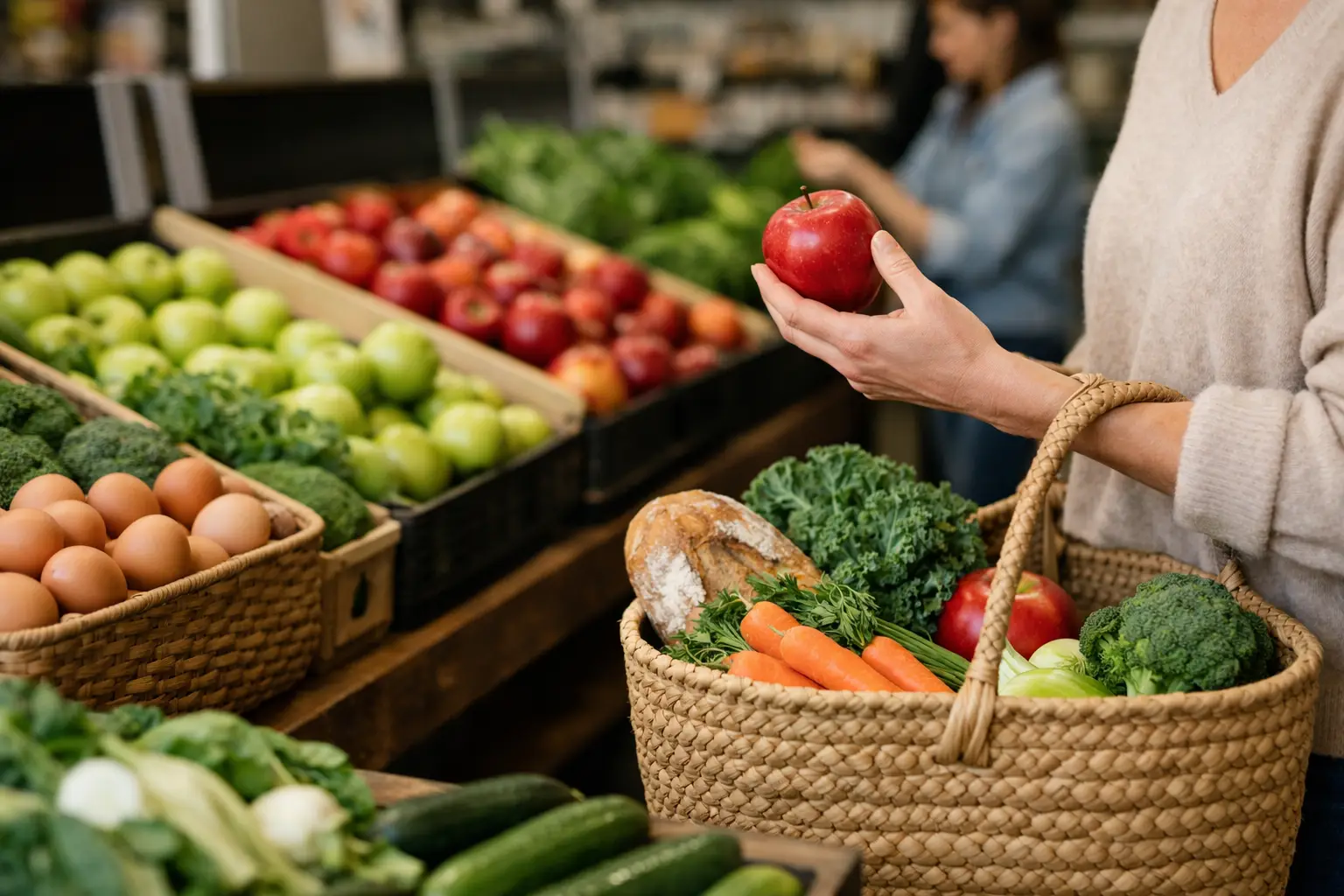
The moment you pick up two cartons of strawberries and one costs noticeably more because it is organic, the question gets real fast: is organic food worth it? For most shoppers, this is not a philosophy debate. It is a grocery budget decision, a family health decision, and sometimes a values decision all at once.
The honest answer is yes, organic food can be worth it – but not always, and not in the same way for every household. If you are trying to eat well, reduce pesticide exposure, and make more sustainable choices without turning grocery shopping into a math problem, the best approach is to know where organic matters most and where a conventional option is still a solid pick.
Is organic food worth it for health?
For many people, the strongest reason to buy organic is not that it magically makes every food more nutritious. It is that organic standards limit the use of synthetic pesticides, artificial fertilizers, antibiotics in animal production, and genetically modified ingredients in certified products. That matters if you are trying to reduce your overall chemical exposure and feel more confident about what comes into your kitchen.
Nutritionally, organic and conventional foods are often closer than marketing suggests. An organic blueberry is still a blueberry. A conventional carrot is still full of useful nutrients. If your choice is between buying conventional produce or skipping produce because organic feels too expensive, conventional wins every time. Eating fruits and vegetables regularly is still one of the best things you can do for your health.
Where organic may offer a meaningful edge is in what it avoids. Some shoppers feel better choosing organic dairy, eggs, and produce because they want fewer synthetic inputs in the food chain. Families with young children often prioritize this even more, since little ones tend to eat the same foods repeatedly and may be more sensitive to cumulative exposure over time.
So if your definition of worth it is purely about vitamins, the difference may not justify paying more across the board. If your definition includes cleaner farming practices and fewer synthetic residues, organic starts to look more valuable.
The biggest factor is usually pesticide exposure
If you only buy a few organic items, produce is often the smartest place to focus. Thin-skinned fruits and vegetables tend to be the foods people prioritize first because they are more likely to carry residue on or near the edible portion. Berries, apples, spinach, kale, grapes, and peppers are common examples shoppers watch closely.
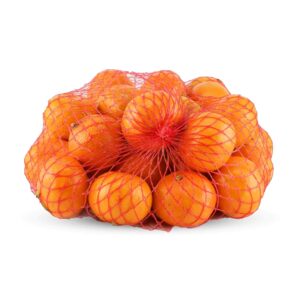
On the other hand, foods with thick peels or outer layers you do not eat, like bananas, avocados, oranges, and onions, are often lower-priority organic purchases for budget-conscious households. That does not mean organic versions are not good choices. It just means the practical benefit may be smaller relative to the price jump.
This is where a flexible mindset helps. You do not need to make your entire cart organic for your shopping habits to become more intentional. A partial switch can still support your health goals and help stretch your budget.
Organic meat and dairy may feel more worth it
When people ask whether organic food is worth it, produce gets most of the attention, but meat and dairy are often where values and health concerns overlap most clearly. Organic dairy standards restrict the routine use of antibiotics and require organic feed. Organic meat standards also place limits on how animals are raised and what they are fed.
For shoppers who care about animal welfare, feed quality, or reducing exposure to certain farming inputs, these categories can feel more worth the premium than, say, an organic lemon. Milk, yogurt, eggs, butter, and chicken are often staples, which means even a small upgrade in quality can feel meaningful because it affects so many meals each week.
That said, these items can also be some of the most expensive. If you are trying to choose just one area to upgrade, start with the foods your household eats most often. A family that goes through milk, eggs, and yogurt every week may get more value from choosing organic there than from occasionally buying organic herbs or snack foods.
Is organic food worth it for the environment?
For many eco-conscious shoppers, the answer leans yes. Organic farming is designed to work with soil health, biodiversity, and more natural growing systems. It avoids many synthetic chemicals and often supports practices that are gentler on pollinators, waterways, and long-term land quality.
That does not mean every organic product is automatically the most sustainable choice. Transportation, packaging, food waste, and farming scale all matter too. An organic cucumber wrapped in plastic and shipped a long distance may not be the most planet-friendly option compared with local seasonal produce grown conventionally.
This is where the real-world answer becomes more balanced. Organic is one meaningful part of sustainable shopping, but it is not the only part. Seasonal eating, buying from responsible local farms, choosing less processed food, and wasting less can make a major difference too.
The price premium is real, so shop strategically
The biggest reason people hesitate is simple: organic food often costs more. For many households, especially families buying for several people, that extra cost adds up quickly. Paying more for every item is not realistic, and it should not be treated like a moral test.
A smarter approach is to build an organic strategy instead of an organic identity. You might buy organic for the foods you eat most, the products most associated with pesticide exposure, and the animal products that matter most to your values. Then you fill the rest of your cart with conventional basics, frozen produce, store-brand staples, or local options that still support a healthy lifestyle.
Frozen organic fruit and vegetables can be especially useful here. They are often cheaper than fresh organic produce, last longer, and help cut food waste. The same goes for pantry basics like oats, beans, rice, peanut butter, and tomato sauce, where store-brand organic versions can be much more affordable than premium labels.
If budget is tight, avoid one common trap: spending extra on organic versions of highly processed snack foods while skipping fresh whole foods. Organic cookies are still cookies. Organic chips are still chips. If you are choosing where your money does the most good, start with simple staples.
When organic is probably worth it
Organic tends to make the most sense when you buy a food often, when the conventional version is more likely to carry pesticide residue, when the product is an animal food you care deeply about, or when supporting organic agriculture aligns with your values.
It can also be worth it if going organic helps you feel more at ease about your shopping choices. That peace of mind has value too, especially for people trying to create a healthier home environment with fewer questionable ingredients overall.
For pregnant shoppers, families with small children, and people actively reducing synthetic chemical exposure, organic may feel less like a luxury and more like a targeted wellness choice. Not because every organic label guarantees perfection, but because it gives you a clearer standard than vague terms like natural or farm fresh.
When conventional is completely fine
There are also plenty of cases where conventional food is the sensible choice. If organic options are unaffordable, unavailable, or poor quality, buying conventional produce is absolutely worthwhile. Freshness matters. Variety matters. Actually eating the food matters most.
Conventional basics can also make sense for lower-priority produce, staple ingredients, and foods where the price difference is steep with little practical payoff for your household. Washing produce well, choosing whole foods more often, and keeping your meals balanced can still move your routine in a healthy direction.
This is especially important for beginners. If shopping organic starts to feel expensive, restrictive, or stressful, it becomes harder to sustain. A greener lifestyle works best when it fits real life.
A simple way to decide at the store
If you are standing in the aisle and trying to choose, ask four quick questions. Do we eat this often? Is this a type of food I especially care about buying organic? Is the price jump reasonable today? And if I skip organic here, can I still make a healthy choice?
That kind of decision-making keeps you grounded. It turns organic shopping from an all-or-nothing habit into a thoughtful one. And for most households, that is exactly what makes it sustainable.
At Woganic, we believe better choices should feel doable, not perfect. Organic food is worth it when it helps you build a healthier, more intentional kitchen in a way your budget can actually support. Start with a few meaningful swaps, let your routine evolve, and trust that progress counts even when every item in your cart is not organic.
Discover more from Woganic Blog
Subscribe to get the latest posts sent to your email.

Leave a Reply
Your email is safe with us.