
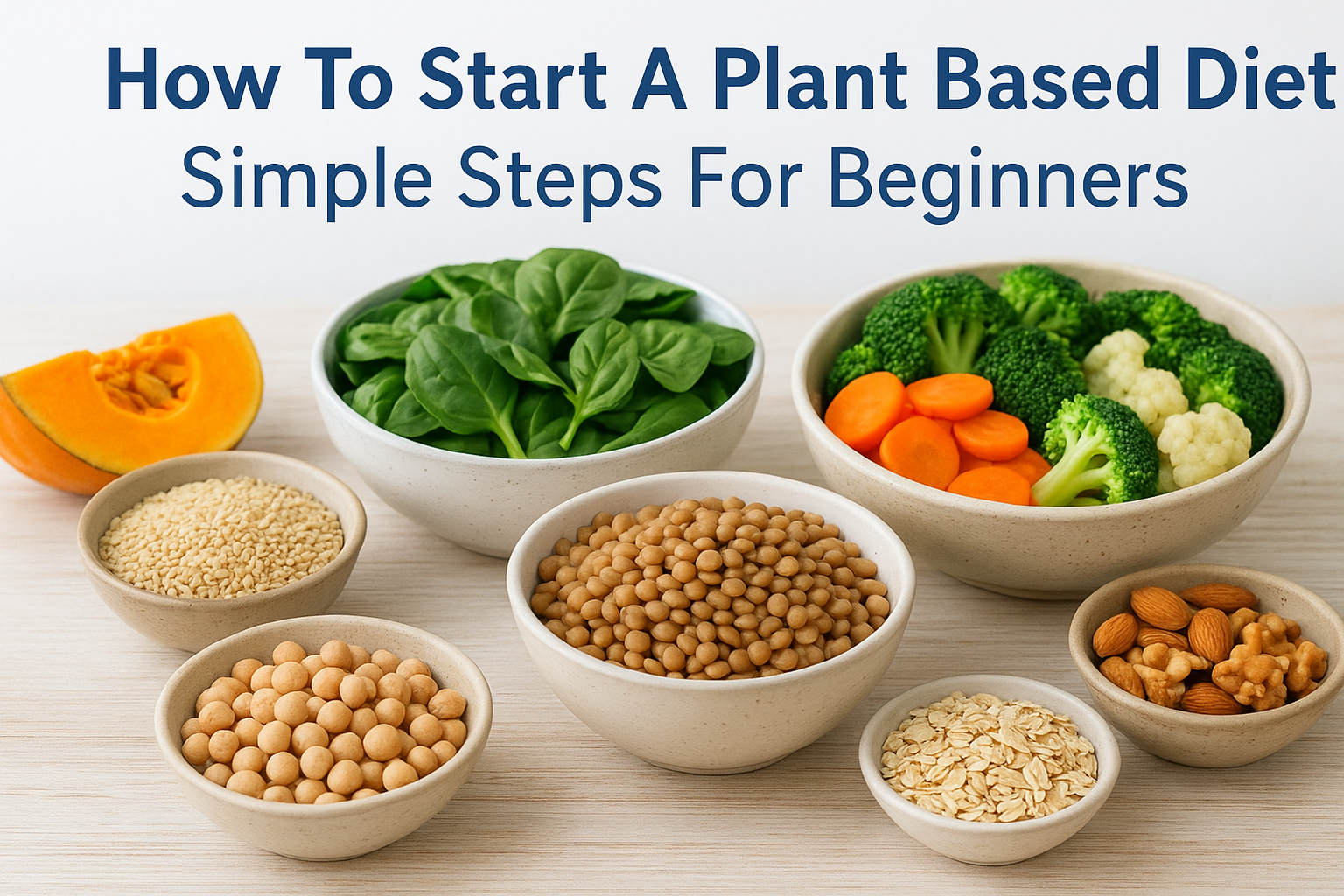
Switching to a plant-based diet sounds straightforward until you’re standing in a grocery aisle wondering what to actually put in your cart. If you’ve been searching for how to start a plant based diet, you’re probably somewhere between curious and committed, but short on a clear game plan. That’s a good place to be, and you don’t need to overhaul everything overnight.
Most people stumble not because plant-based eating is hard, but because they try to change too much at once. The reality? A few smart swaps and a basic meal framework go a long way. At Worganic Foods, we spend our days exploring organic, whole-food nutrition, and plant-based eating sits right at the center of that mission. We’ve put this guide together from that perspective, practical, grounded, and built for real life.
Below, you’ll find step-by-step guidance on transitioning at your own pace, the whole foods worth building your meals around, and straightforward tips for meal planning and substitutions. Whether you’re doing this for your health, the environment, or just because you’re ready for a change, this guide meets you where you are and walks you through it.
What a plant-based diet means and your options
The term “plant-based diet” gets used in a lot of different ways, so it helps to get clear on what it actually means before you start. At its core, a plant-based diet builds your meals around whole, minimally processed plant foods: vegetables, fruits, legumes, whole grains, nuts, and seeds. It does not automatically mean you go fully vegan. What it does mean is that plants provide the foundation of your nutrition, and animal products either disappear entirely or move to the edges of your plate.
A plant-based diet is defined by what you actively add to your meals, not just by what you cut out.
What “whole food plant-based” actually means
This is where many beginners get confused. “Plant-based” on a product label can mean almost anything. Whole food plant-based (WFPB) eating means choosing foods as close to their natural state as possible: brown rice instead of white, lentils instead of processed meat alternatives, and fresh fruit instead of fruit-flavored snacks. When you’re working out how to start a plant based diet, keeping this distinction in mind helps you avoid filling your cart with heavily processed vegan products that won’t actually move the needle on your health. Real food, recognizable ingredients, and minimal processing are the markers to look for.
Your options: picking an approach that fits your life
There is no single version of plant-based eating, and that flexibility is genuinely useful. You can choose the level that fits your current habits and adjust as you go. Here’s how the main approaches compare:
| Approach | What it looks like |
|---|---|
| Flexitarian | Mostly plants, with occasional meat or dairy |
| Vegetarian | No meat, but eggs and dairy are included |
| Vegan | No animal products at all |
| Whole food plant-based | Plants only, minimal processing, limited refined oils and added sugar |
Each of these is a valid starting point. Flexitarian works well for most beginners because it requires the least dramatic shift, while whole food plant-based delivers the most consistent health outcomes according to research from organizations like the National Institutes of Health. Pick the approach that feels realistic for your current life, and plan to build from there rather than jump straight to the most restrictive version.
Step 1. Choose your starting point and set goals
Before you change a single meal, spend five minutes getting honest about where you are right now. Look at what you ate this past week and count how many meals were built around meat or dairy. That number gives you a real baseline, and your baseline is where your plan needs to start, not where someone else’s started.
Your starting point is not a measure of commitment. It’s just useful data.
Set a specific, time-bound goal
Vague goals like “eat more plants” rarely lead anywhere. Instead, write down exactly what you want to change and by when. A practical format looks like this:
| Goal | Timeline |
|---|---|
| Replace one meat-based dinner per week with a legume dish | Week 1-2 |
| Cut out meat at breakfast entirely | Week 3-4 |
| Eat plant-based for 5 out of 7 dinners | Week 5-6 |
Building in gradual milestones keeps the process manageable and gives you something concrete to track. When you’re figuring out how to start a plant based diet, this kind of structured progression matters far more than trying to change everything at once.
Track what you eat for one week
Write down every meal for seven days before making any changes. This does not need to be a formal food diary. A notes app on your phone works fine. Seeing your actual patterns makes it much easier to spot the specific meals where swaps will be simplest.
Pay particular attention to your most frequent weeknight meals. Those are the ones you cook without much thought, and they are your best opportunity for quick, low-resistance changes that build real momentum.
Step 2. Stock your kitchen with plant staples
Your kitchen is the environment where your habits either take hold or fall apart. When you’re learning how to start a plant based diet, having the right foods within reach makes the difference between following through on a meal plan and ordering takeout. Clear out anything that will compete with your new staples and replace it with whole plant foods that cover the bases nutritionally and practically.
A well-stocked kitchen removes the decision fatigue that kills most diet changes before they take root.
The core categories to keep on hand
Every functional plant-based kitchen needs coverage across five food groups that form the building blocks of complete meals. Stock at least one or two options from each:
| Category | Examples |
|---|---|
| Legumes | Lentils, black beans, chickpeas, edamame |
| Whole grains | Brown rice, oats, quinoa, whole wheat pasta |
| Vegetables | Spinach, broccoli, sweet potato, frozen peas |
| Fruits | Bananas, berries, apples, frozen mango |
| Healthy fats | Walnuts, almonds, pumpkin seeds, natural nut butter |
A simple shopping list template
Use this as your starting list for the first two weeks and adjust based on what you actually cook:

- 2 types of dried or canned legumes
- 2 whole grains (one fast-cooking, like quinoa)
- 4 to 5 vegetables, including at least 2 frozen bags
- 2 fruits for snacks and breakfast
- 1 nut butter, 1 bag of mixed seeds
Keep your pantry anchored to these categories so that building a balanced meal takes minutes rather than creative effort every evening.
Step 3. Build balanced meals and cover key nutrients
One of the most common concerns when you’re learning how to start a plant based diet is whether you’ll get enough protein, iron, and other key nutrients without animal products. The reality is that a well-structured plant meal covers most of your nutritional needs without supplements, as long as you build around the right combination of foods and pay deliberate attention to a few specifics.
Variety across food groups is your most practical nutritional tool on a plant-based diet.
Use a simple meal-building formula
Every meal becomes easier when you follow a repeatable structure rather than reinventing the plate from scratch each time. Build each main meal around three core components: a protein source, a complex carbohydrate, and a generous vegetable base. This approach keeps your meals filling, nutritionally balanced, and simple to execute on busy weeknights.

| Meal Component | Plant-based examples |
|---|---|
| Protein | Lentils, chickpeas, tofu, tempeh, edamame |
| Complex carb | Brown rice, quinoa, sweet potato, whole grain bread |
| Vegetables | Leafy greens, broccoli, roasted peppers, zucchini |
Watch these specific nutrients
Certain nutrients need deliberate attention on a plant-based diet because plant sources require more planning than animal sources do. Focus on iron, calcium, zinc, and vitamin B12 in particular. For B12, the National Institutes of Health recommends supplementation for anyone avoiding animal products entirely, since no plant food provides it reliably in adequate amounts. Pair iron-rich foods like lentils with vitamin C sources like bell peppers or citrus to significantly improve how much iron your body actually absorbs.
Step 4. Make it stick with prep, swaps, and eating out
Knowing what to eat is one thing. Actually following through on busy days is where most people lose traction. The single most effective habit you can build when figuring out how to start a plant based diet is spending one hour each week on basic prep work that removes friction from your weeknight meals.
Preparation is what separates a good intention from a meal that actually gets made.
Batch cook on the weekend
Pick one day to cook a large batch of grains and legumes that you can pull from all week. Cook a pot of brown rice, roast a sheet pan of vegetables, and simmer a batch of lentils. These components sit in your fridge and combine into different meals in minutes: grain bowls, soups, wraps, or stir-fries without starting from scratch each night.
Simple swaps to make right now
Small substitutions move you toward plant-based eating without requiring new recipes. Use these direct replacements:
| Instead of | Use this |
|---|---|
| Ground beef | Cooked lentils or crumbled tempeh |
| Cow’s milk | Unsweetened oat or almond milk |
| Eggs in baking | Flax egg (1 tbsp ground flax + 3 tbsp water) |
| Sour cream | Plain coconut yogurt |
Eating out on a plant-based diet
Most restaurant menus have plant-friendly options if you know where to look. Scan for grain bowls, bean-based dishes, or sides you can combine into a full meal. Ask your server to swap a protein for extra vegetables or beans. Cuisines like Mexican, Indian, Thai, and Middle Eastern naturally center plant foods in many dishes, which makes them reliable options when you eat away from home.

Start with your next meal
You don’t need a perfect plan to begin. The most practical entry point for how to start a plant based diet is your very next meal, not Monday, not a new calendar month. Pick one dish you already cook and swap one ingredient for a plant-based option. That single decision starts building the pattern that carries you forward.
From there, use the steps in this guide as your roadmap: track your current meals, stock your kitchen with staples, build each plate around a protein, complex carb, and vegetable base, and set aside one hour on the weekend for batch cooking. Each step compounds on the last. A few weeks in, plant-based meals stop feeling like a project and start feeling like your default way of eating.
Find more organic food guidance, product recommendations, and practical nutrition content at Worganic Foods to keep building on what you’ve started here.
Discover more from Woganic Blog
Subscribe to get the latest posts sent to your email.