
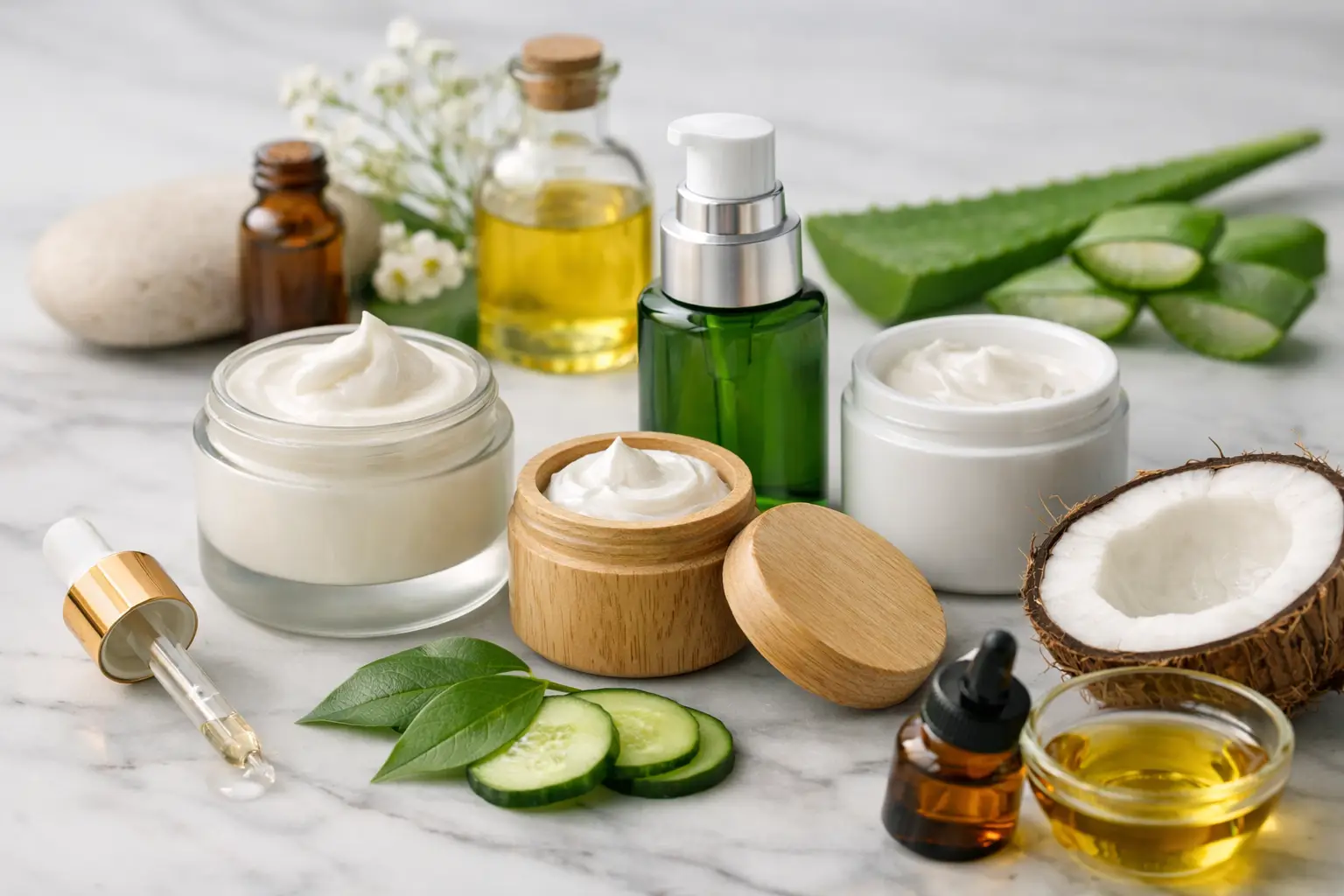
Finding the best organic face moisturizers can feel surprisingly complicated. One jar promises deep hydration, another highlights botanical oils, and a third calls itself clean while still packing in ingredients you may be trying to avoid. If your goal is softer skin with fewer synthetic additives and a lighter footprint, it helps to know what actually makes a moisturizer worth bringing into your routine.
For many shoppers, organic skincare is about more than beauty. It is about reducing unnecessary chemical exposure, choosing ingredient transparency, and supporting products that align better with a wellness-focused lifestyle. That does not mean every organic moisturizer will work for every face, though. Texture, skin type, climate, and sensitivity all matter, which is why the best pick is usually the one that fits your daily life, not the one with the fanciest label.
What makes the best organic face moisturizers stand out
A good organic face moisturizer should do two things well. It should support your skin barrier and feel pleasant enough that you will actually use it every day. Organic ingredients can be a major plus, but performance still matters.
In practical terms, the best formulas often combine humectants, emollients, and barrier-supporting oils or butters. You might see aloe vera, glycerin, jojoba oil, shea butter, sunflower seed oil, calendula, rosehip oil, or green tea. These ingredients can help skin hold onto moisture while also calming dryness or irritation.
That said, organic does not automatically mean gentle for everyone. Essential oils, citrus extracts, and heavily fragranced botanicals can be irritating, especially if you have reactive or rosacea-prone skin. If your skin gets easily upset, a simpler formula is often the better choice.
How to choose the best organic face moisturizers for your skin type
The most helpful way to shop is to match the formula to your skin, not just the marketing.
For dry skin
Look for richer creams with shea butter, cocoa butter, squalane, avocado oil, or ceramides if included. Dry skin usually needs a moisturizer that does more than feel light and fresh for ten minutes. It needs staying power.
For oily or acne-prone skin
A lightweight lotion or gel-cream tends to work better. Aloe, jojoba, green tea, and non-comedogenic plant oils are often more comfortable than thick butters. Heavy formulas can still work for some people, but they are more likely to feel greasy during the day.
For sensitive skin
Keep the ingredient list short and skip strong fragrance when possible. Ingredients like calendula, oat, chamomile, and aloe can be soothing, but even natural extracts can trigger reactions in some people. Patch testing is worth the extra minute.
For combination skin
Balance is everything. A medium-weight cream with hydrating ingredients and light botanical oils usually gives the best results. You want enough moisture for drier areas without overloading your T-zone.
12 best organic face moisturizers worth considering
These picks reflect the kinds of formulas that tend to work well for wellness-minded shoppers who want effective hydration and cleaner ingredient choices.
1. Juice Beauty Stem Cellular Anti-Wrinkle Moisturizer
This is a strong option if you want a more polished, treatment-style moisturizer. It feels richer than a basic daily lotion and suits normal to dry skin best. The formula leans into organic botanical ingredients while still feeling like a mainstream skincare product, which makes it appealing for anyone easing into organic beauty.
2. Eminence Organic Skin Care Stone Crop Whip Moisturizer
If your skin likes hydration without a heavy finish, this one often stands out. It has a softer, airy texture that works well for combination skin and skin that can get dehydrated but not truly dry. It is also popular with people who want a fresh, plant-forward feel.
3. Andalou Naturals 1000 Roses Heavenly Night Cream
For sensitive or easily flushed skin, this cream is often a comfortable pick. It is richer and better suited for nighttime, but many dry-skinned users also enjoy it during colder months. The texture feels comforting without being overly dense.
4. OSEA Atmosphere Protection Cream
This moisturizer is a nice fit for normal, combination, and slightly oily skin types. It is lighter than a classic cream and layers well under sunscreen or makeup. If you dislike anything that sits heavily on the skin, this style of formula is worth a look.
5. Weleda Skin Food Light Nourishing Cream
This is a practical favorite for people who want a more accessible natural moisturizer. The light version is easier to wear on the face than the original for many users, though it still has a richer feel than a gel or lotion. It is especially helpful for dry patches and cooler weather.
6. Ursa Major Golden Hour Recovery Cream
This one sits in a sweet spot between comfort and elegance. It is creamy, nourishing, and suitable for normal to dry skin, but it does not feel as heavy as some ultra-rich balms. If your skin gets tight by evening, this kind of moisturizer can make a noticeable difference.
7. Acure Radically Rejuvenating Whipped Night Cream
Budget matters, and organic-minded skincare can get expensive fast. Acure tends to appeal to shoppers who want cleaner ingredients and a wallet-friendlier price point. The whipped texture gives dry skin a cocooned feeling, making it especially useful as a night cream.
8. Babo Botanicals Daily Sheer Facial Lotion
For sensitive skin and family-friendly routines, this is the type of product that often makes sense. It is lightweight, simple, and easy to use daily. If you are trying to keep your bathroom cabinet less complicated, gentle multi-use brands can be a smart move.
9. Dr. Hauschka Rose Day Cream Light
This formula works well for normal, sensitive, and combination skin that wants protection without excess heaviness. It has a classic natural skincare feel and is often appreciated by people who enjoy botanical ingredients but still want a refined finish.
10. One Love Organics Skin Dew Coconut Water Cream
If your skin craves hydration but creams tend to feel too rich, a water-cream texture can be a better match. This type of moisturizer is especially useful in warmer climates or for people who prefer lightweight daytime skincare. It gives a fresher, more breathable feel.
11. Pai Skincare The Anthemis Moisturizer
Pai is well known for sensitive skin formulas, and this moisturizer reflects that approach. It is a strong option for redness-prone or easily irritated skin that does better with fewer extras. Sometimes the best product is the one that does not try to do too much.
12. 100% Pure Green Tea EGCG Concentrate Cream
This is one to consider if you want antioxidant support alongside moisture. It tends to appeal to those who enjoy ingredient-forward skincare and are looking for a cream that feels nourishing without crossing into greasy territory.
A few label details that matter
When shopping for the best organic face moisturizers, it helps to read claims carefully. “Organic” on the front of the jar does not always mean the whole product is certified organic. Sometimes it means only select ingredients are organic, while the rest of the formula is a mix of naturally derived and conventional ingredients.
That is not automatically a bad thing. Some non-organic ingredients can improve stability or texture and help a product perform better. But if full certification matters to you, check for recognized organic standards and scan the ingredient list instead of relying only on front-label wording.
It is also worth remembering that natural fragrance is still fragrance. If you have sensitive skin, a product with lavender, citrus, peppermint, or strong floral oils may smell lovely and still be the wrong fit.
How to get better results from your moisturizer
Even the best formula can underperform if you use it at the wrong time. Moisturizer works best when applied to slightly damp skin, ideally after cleansing or after a hydrating toner or serum. That helps trap water in the skin instead of just sitting on top.
You may also need different textures for different seasons. A lightweight organic lotion that feels perfect in July may not be enough in January. Many people do better with a simple two-moisturizer routine: one lighter product for daytime and one richer cream at night.
If breakouts are your concern, give a new moisturizer a little time before judging it, but not too much. A brief adjustment period can happen, especially if you are changing your whole routine. Still, persistent clogged pores, stinging, or redness are signs to move on.
Are organic moisturizers always better?
Not always, but they can be a very smart choice. The main benefit is often a more intentional ingredient profile with plant-based oils, fewer synthetic additives, and a formulation style that aligns with cleaner living goals. For many households, that feels like a meaningful step toward a greener personal care routine.
The trade-off is that some organic products are more expensive, more fragranced with essential oils, or less cosmetically elegant than conventional options. It really depends on your priorities. If you want a moisturizer that supports both your skin and your values, the right organic formula can absolutely earn a permanent spot on your shelf.
At Woganic, we believe the best skincare choices are the ones that feel good, work well, and make healthy living easier to keep up with. Start with your skin type, stay curious about ingredients, and let your routine become a little more natural one thoughtful swap at a time.
Discover more from Woganic Blog
Subscribe to get the latest posts sent to your email.