
If you’ve ever wondered what makes good organic food worth the switch—and how to buy it without breaking the bank—you’re in the right place. The term gets thrown around constantly, but few people take the time to define what it actually means. This guide cuts through the confusion. You will learn which organic foods matter most, where to find them at prices that make sense, what the science actually says about health benefits, and how to read labels without getting fooled. No fluff, no scare tactics, just practical information you can use on your next grocery run.
Table of Contents
- What Does “Good Organic Food” Really Mean?
- The Dirty Dozen: Which Organic Foods Are Worth the Splurge?
- How to Buy Good Organic Food on a Budget (2026 Edition)
- Organic Meat, Dairy, and Eggs: A Purchasing Guide
- The Health and Science of Organic Food: What the Studies Say
- Decoding Organic Labels: USDA Certification and What Claims Mean
- Organic for Specific Needs: Baby Food, Allergies, and Special Diets
- The Environmental Case for Organic Food
- Finding Good Organic Food Near You (Local and Online)
- Frequently Asked Questions About Good Organic Food
- Conclusion: Making “Good Organic Food” Work for You
What Does “Good Organic Food” Really Mean?
Good organic food is not just about a certification stamp. It is a combination of quality ingredients, ethical sourcing, nutritional integrity, and value for the money you spend. The word “good” does a lot of work here. It means produce grown without synthetic pesticides, sure, but it also means meat from animals raised without routine antibiotics, dairy from cows that graze on real pasture, and pantry staples made with ingredients you can pronounce.

The category spans far beyond fruits and vegetables. Good organic food includes meat, dairy, eggs, baby food, grains, legumes, and even packaged snacks. The certification tells you how the food was grown or raised. The “good” part is subjective: freshness, taste, sourcing transparency, and whether the product delivers real nutrition for the price.
A common trap is assuming that organic automatically means healthy. Organic cookies are still cookies. Organic soda is still soda. The label speaks to agricultural practices, not nutrient density. Keeping that distinction clear will save you money and disappointment.
The Dirty Dozen: Which Organic Foods Are Worth the Splurge?
Every year, the Environmental Working Group releases its Dirty Dozen list, identifying the twelve fruits and vegetables most contaminated by pesticide residues. This list has become the gold standard for shoppers who want to prioritize their organic spending without going broke. The latest lineup includes strawberries, spinach, apples, grapes, peaches, celery, bell peppers, nectarines, cherries, pears, tomatoes, and potatoes. These items consistently test positive for multiple pesticide residues even after washing or peeling.
The “Skin Rule” for Quick Decisions

If you forget the list, use a simple heuristic: buy organic when you eat the skin. Berries, apples, grapes, and peaches have thin or edible skins that absorb and retain pesticide residues. You cannot wash or peel them away completely. The Mayo Clinic’s February 2025 article confirmed that organic food exposes consumers to significantly less pesticide residue, and this is where that difference matters most.
On the flip side, thick-skinned produce like bananas, avocados, onions, and pineapples are safer to buy conventional. You peel away the protective layer before eating. This rule aligns with the Reddit consensus from a popular thread titled “Which organic foods are ‘worth it’?” where users overwhelmingly recommended prioritizing thin-skinned items.
The “12 Foods” Lists from San-J, Kiju, and Doylestown Health
Multiple health-focused organizations publish their own “12 foods to buy organic” lists, and the overlap is striking. San-J, Kiju, and Doylestown Health all converge on the same core produce items: strawberries, spinach, apples, peaches, and bell peppers appear consistently. This convergence across independent sources reinforces the reliability of the Dirty Dozen framework. When different experts keep pointing to the same foods, the signal is strong enough to act on.
How to Buy Good Organic Food on a Budget (2026 Edition)
Organic food carries a reputation for being expensive, but the price gap has narrowed considerably in 2026. Smart shopping strategies can bring costs down to near-conventional levels, and in some cases, organic options are now competitively priced.
Walmart’s Organic Aisle: Real Prices and Savings
The top organic shopping video on YouTube this year, uploaded in January 2026, walks through Walmart’s organic offerings in detail. The findings are eye-opening. Walmart prices run 10 to 20 percent lower than the average grocery store, which translates to hundreds or even thousands of dollars in annual savings for a family that buys organic regularly.
Specific price anchors from the video tell the story. Organic grass-fed, grass-finished beef was priced at $7.97 per pound, or $22.67 for a three-pound package. Organic Honeycrisp apples came in at $5.97. These are not luxury price points. The video also highlighted brand recommendations worth knowing: Stonyfield for yogurt, Organic Valley for milk, and Poppy and Lollipop for organic sodas. These brands are widely available and consistently meet organic standards without the boutique markup.
Beyond Walmart: CSAs, Frozen, and Bulk Buying
The Mayo Clinic’s cost-saving advice holds up well in 2026. Buy organic produce in-season when supply is high and prices drop. Join a Community Supported Agriculture program, or CSA, to get weekly boxes of local organic produce at a flat rate that often beats retail. Buy frozen organic fruits and vegetables: they are flash-frozen at peak ripeness, retain their nutrients, and cost less per serving than fresh equivalents. Frozen organic spinach and berries are especially good deals and last for months instead of days.
Bulk grains are another underrated strategy. Organic rice, oats, quinoa, and lentils purchased from bulk bins or large bags slash the per-pound cost. Stock up when prices dip and store them properly.
Organic Meat, Dairy, and Eggs: A Purchasing Guide
The meat and dairy aisle presents its own set of label claims, and the distinctions matter for both health and animal welfare.
Grass-Fed vs. Organic vs. Conventional Beef
Organic beef certification means the cattle were raised without antibiotics or added hormones and had access to pasture. Grass-fed refers specifically to diet: the animals ate grass rather than grain. The two labels are not interchangeable. You can have grass-fed beef that is not organic, and organic beef that is not fully grass-fed. The best option combines both: organic, grass-fed, and ideally grass-finished, meaning the animal ate grass its entire life rather than being finished on grain.
Walmart’s $7.97 per pound for grass-fed, grass-finished organic beef sets a benchmark for affordability. That price point makes it accessible for weekly meals rather than an occasional splurge.
Organic Chicken, Eggs, and Dairy
For chicken and eggs, label hierarchy matters. “100% organic” is the gold standard, guaranteeing organic feed and outdoor access. “Free-range” means outdoor access but does not specify the duration or quality. “Pasture-raised” indicates more space and time outdoors but is not a regulated term. Look for the organic seal first, then pasture-raised as a bonus.
Organic Valley milk and Stonyfield yogurt appear consistently as trusted, widely available brands. Some studies suggest organic eggs have higher omega-3 fatty acid content, likely due to the hens’ more varied diet that includes insects and plants. The difference is modest but worth noting if you are optimizing for nutrient density.
The Health and Science of Organic Food: What the Studies Say
The health conversation around organic food has shifted in recent years. The evidence is not uniform, but several findings stand out.
Pesticide Exposure and Cancer Risk
The Mayo Clinic’s February 2025 article reported a clear finding: people who eat the highest amount of organic food have the fewest cases of non-Hodgkin lymphoma. This is not a trivial correlation. It points to a dose-response relationship between synthetic pesticide exposure and a specific cancer type.
The PARIS cohort study adds another layer. Researchers tracked children’s organic food consumption and found that frequent organic eaters had reduced allergen sensitization, particularly to inhalant allergens like pollen and dust mites. This connection between diet and allergy risk is a unique angle that few competitors cover in depth.
Nutritional Differences: What We Know (and Don’t Know)
The Mayo Clinic is careful on this point: it “isn’t clear whether organic food has more nutrients.” Some studies show modestly higher antioxidant levels in organic produce. Others find no significant difference. The consistent, proven benefit is lower pesticide residue. That alone is a valid reason to choose organic for high-exposure foods.
There is also a lifestyle confounder worth acknowledging. The Mayo Clinic notes that people who buy organic food “tend to be more active, don’t smoke, and have a generally healthier diet pattern.” Organic shopping correlates with other health-positive behaviors, which makes it harder to isolate the direct effect of organic food itself.
Can Organic Food Help with Allergies?
The People Also Ask section for this topic surfaces a question that few articles address directly: can organic food help with allergies? The PARIS cohort study provides a partial answer. Frequent organic food consumption in children was linked to reduced allergen sensitization. The proposed mechanism is straightforward: a lower pesticide burden on a developing immune system may reduce inappropriate immune responses. This is not a cure or a guarantee, but it is a promising signal worth watching as more research emerges.
Decoding Organic Labels: USDA Certification and What Claims Mean
The USDA organic seal is not a single standard. It comes in three tiers, and understanding them prevents overpaying for marketing fluff.
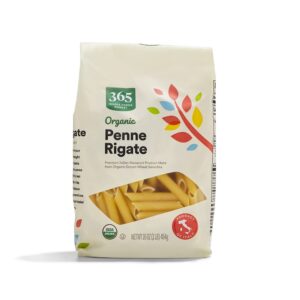
“100% Organic” means exactly what it says: every ingredient, including processing aids, is certified organic. These products can display the USDA seal.
“Organic” means at least 95 percent of ingredients are organic. The remaining 5 percent must be on an approved list of non-organic ingredients that are not commercially available in organic form. These products also carry the USDA seal.
“Made with Organic Ingredients” means at least 70 percent organic ingredients. These products cannot use the USDA seal but can list specific organic ingredients on the front panel.
A critical consumer trap: “natural” is not the same as “organic.” The term “natural” is loosely regulated and does not address pesticide use, antibiotic use, or synthetic inputs. Do not pay organic prices for a “natural” label.
Organic for Specific Needs: Baby Food, Allergies, and Special Diets
Earth’s Best Organic Baby Food
Parents searching for good organic food often mean baby food specifically. Earth’s Best dominates this niche. Voted number one organic formula by Babycenter, the brand offers products spanning newborn through 24-plus months. Their lineup includes formula, jarred purees, pouches, and toddler snacks. All products are certified organic, non-GMO, and free from artificial flavors. For parents who want to minimize their baby’s pesticide exposure during critical developmental windows, this brand is a reliable starting point.
Organic Options for Keto, Paleo, Vegan, and Allergen-Free Diets
No major competitor covers this intersection, making it a genuine gap. For keto and paleo eaters, organic nuts, seeds, and coconut products are staples worth prioritizing. For vegans, organic legumes, tofu, and tempeh reduce pesticide load in protein sources that are consumed in large quantities. For those with allergies or sensitivities, certified gluten-free organic oats and organic nut butters processed in dedicated facilities offer an extra layer of ingredient integrity. The organic certification does not guarantee allergen-free status, so always check for additional allergen labeling.
The Environmental Case for Organic Food
The related search “Is organic food better for the environment?” surfaces a question that deserves a balanced answer. Organic farming practices reduce synthetic pesticide and fertilizer runoff, which protects waterways and aquatic ecosystems. Crop rotation and cover cropping, both common in organic systems, build soil health and increase carbon sequestration. Organic standards also prohibit GMOs, which addresses a separate set of ecological concerns.
The trade-off is real. Organic farming typically produces lower yields per acre, which can mean more land is needed to grow the same amount of food. This does not negate the environmental benefits, but it complicates the picture. The research suggests that organic methods are better on a per-acre basis for biodiversity and soil health, while conventional methods often win on yield efficiency. A nuanced view acknowledges both sides rather than treating organic as a perfect environmental solution.
Finding Good Organic Food Near You (Local and Online)
Using Yelp for Local Organic Stores
Yelp remains a practical tool for discovering organic food stores in your area. New York City, for example, lists ten top-rated organic stores with ratings ranging from 3.6 to 4.7 stars. Search “organic food stores near me” and pay attention to recent reviews that mention produce freshness, selection depth, and staff knowledge. High ratings do not always mean low prices, so cross-reference with any pricing information in the reviews.
Online Organic Retailers
Thrive Market offers membership-based pricing on organic pantry staples and ships nationwide. Misfits Market sells organic produce that is cosmetically imperfect at steep discounts. Direct-from-farm CSAs often have online ordering and delivery options now, cutting out the middleman entirely. These alternatives to brick-and-mortar shopping expand access regardless of where you live.
Frequently Asked Questions About Good Organic Food
What are the best organic foods to eat? Prioritize the Dirty Dozen: strawberries, spinach, apples, grapes, peaches, celery, bell peppers, nectarines, cherries, pears, tomatoes, and potatoes.
Can organic food help with allergies? The PARIS cohort study found that frequent organic food consumption in children was linked to reduced allergen sensitization, especially to inhalant allergens. The evidence is preliminary but promising.
Is organic food worth the extra cost? Yes for Dirty Dozen produce, meat, and dairy. The cost difference is harder to justify for thick-skinned produce like bananas and avocados.
What are the disadvantages of organic food? Higher cost, shorter shelf life due to the absence of synthetic preservatives, and potentially lower yields per acre, which raises land-use concerns.
Conclusion: Making “Good Organic Food” Work for You
Good organic food is not about perfection or emptying your wallet. It is about making informed choices that fit your budget, health goals, and values. Prioritize the Dirty Dozen produce where pesticide exposure is highest. Shop smart at Walmart, through CSAs, and in the frozen aisle to keep costs down. Learn the label tiers so you know exactly what you are paying for. Start with one swap this week: organic strawberries, grass-fed beef, or a carton of Organic Valley milk. Build from there. The goal is progress, not purity.
Discover more from Woganic Blog
Subscribe to get the latest posts sent to your email.