

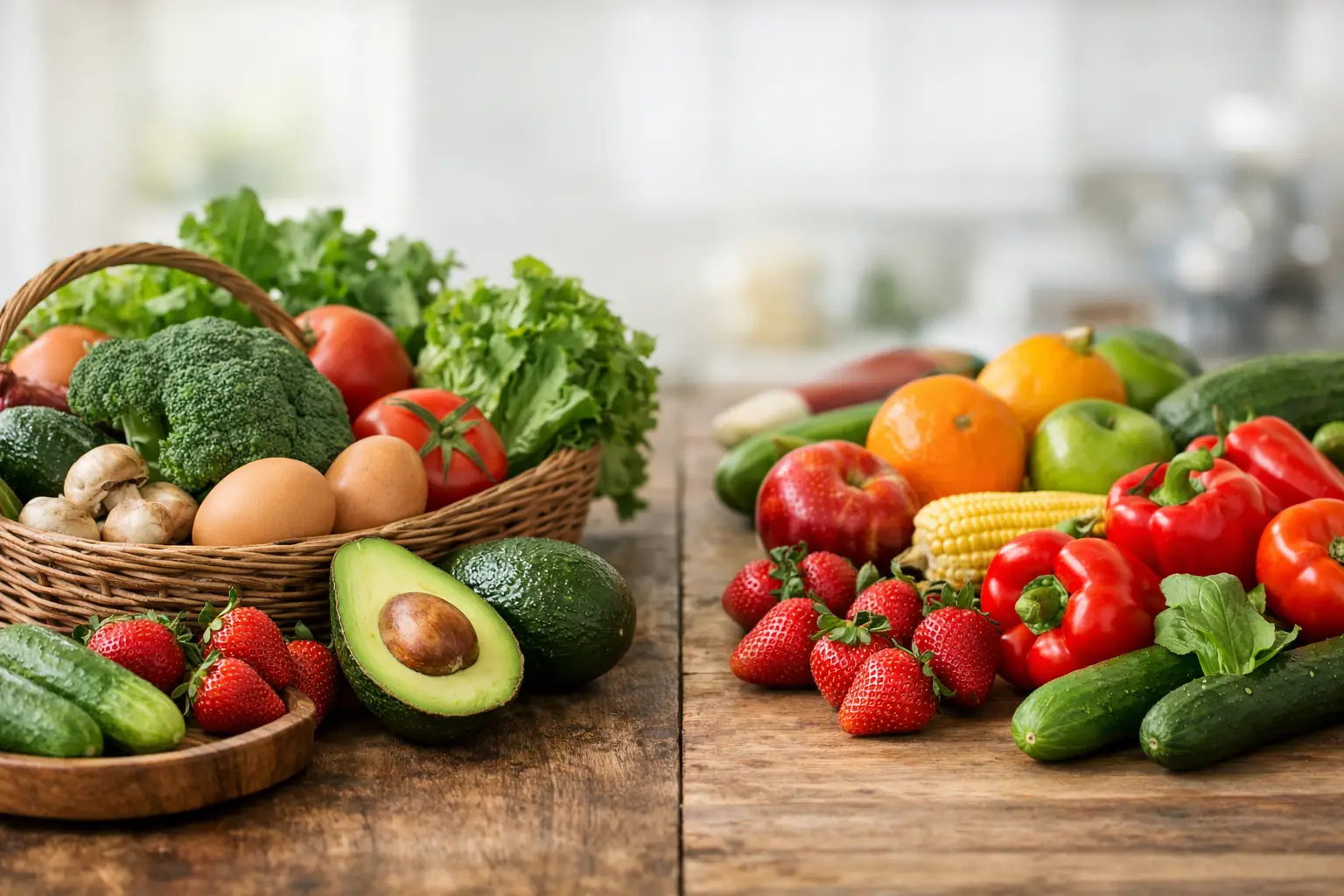
Standing in the grocery aisle, it is easy to wonder: is organic healthier, or is it mostly a higher-priced label with good marketing? For many shoppers, the answer is not a simple yes or no. Organic can offer meaningful benefits in some areas, but it does not automatically make every food more nutritious, safer, or better for every household.
That is exactly why this question matters. If you are trying to build a cleaner, more intentional lifestyle, you want choices that support your health, fit your budget, and align with your values. Organic can absolutely be part of that picture, but it helps to know where it makes the biggest difference and where the gap is smaller than people expect.
Is organic healthier in a meaningful way?
In some cases, yes. Organic foods are grown and produced under standards that limit synthetic pesticides, prohibit routine use of antibiotics in organic livestock, and ban genetically modified ingredients in certified organic products. For many people, that alone is a health-related benefit because it can reduce exposure to certain chemicals and farming practices they would rather avoid.
But if you are asking whether an organic strawberry has dramatically more vitamins than a conventional one, the answer is usually not by a wide margin. Research has found that organic and conventional foods often have similar core nutrient levels. A banana is still a banana. Broccoli is still good for you whether it is organic or not.
Where organic may offer an edge is in what it contains less of, not always what it contains more of. Lower pesticide residue is one of the strongest reasons many health-conscious shoppers choose organic produce. That does not mean conventional produce is unsafe across the board, but it does mean organic can reduce one area of concern, especially for families trying to minimize everyday chemical exposure.
What organic actually means
The word organic has a specific meaning in food production, but it is also one of the most misunderstood labels in the store. Certified organic foods in the US must meet federal standards related to how crops are grown and how animals are raised.
For plant foods, that generally means farmers use natural or approved substances instead of most synthetic pesticides and fertilizers. For animal products, organic standards include organic feed, outdoor access, and restrictions on antibiotics and growth hormones.
That said, organic is not the same as perfect. Organic farming can still use some pesticides, just ones that meet organic standards. Organic cookies are still cookies. Organic candy is still candy. The label tells you something about how the product was produced, not whether it is automatically nutrient-dense.
The biggest health benefit may be lower pesticide exposure
If there is one reason organic foods stand out in wellness conversations, it is pesticide exposure. Organic produce typically has lower pesticide residues than conventional produce. For people who eat a lot of fruits and vegetables, especially thin-skinned varieties like berries, apples, spinach, and grapes, this can feel like a meaningful upgrade.
This does not mean you should avoid produce if organic is not available. Eating fruits and vegetables consistently matters far more than holding out for an all-organic cart. A conventional apple is still a smart choice compared with a heavily processed snack.
Still, if your goal is to reduce chemical load where you can, buying organic selectively can be a practical middle ground. This is often where organic shopping feels less overwhelming and more sustainable in real life.
Is organic healthier for meat, dairy, and eggs?
This is where the conversation gets more nuanced. Some people choose organic animal products less for nutrient differences and more for the production standards behind them. Organic meat and dairy come from animals raised on organic feed and not given routine antibiotics. That can matter if you are trying to avoid certain drug exposures or support farming practices you feel better about.
Nutritionally, the differences vary. Some organic dairy and meat products may contain slightly different fatty acid profiles depending on the animals’ diets, but the changes are not always large enough to transform your health on their own. What often matters more is the overall quality of the food and how often you eat it.
For example, plain organic yogurt may be a better choice than conventional sugary yogurt, but plain conventional yogurt may still be a better option than organic dessert-style yogurt loaded with added sugar. The label does not cancel out the ingredient list.
When organic is worth the extra cost
For most households, budget matters. Organic products often cost more, and that can make healthy shopping feel frustrating. The good news is that you do not need to buy everything organic to make thoughtful, health-forward choices.
Organic is often most worth considering for foods you eat frequently, produce that tends to carry higher pesticide residues, and animal products that reflect your values around feed and antibiotics. If your family goes through berries every week, buying those organic may feel more worthwhile than spending extra on something with a thick peel like avocados or bananas.
It can also make sense to prioritize organic for foods your kids eat often. Children may be more sensitive to chemical exposures simply because they are smaller and still developing. That does not mean every bite must be organic, only that frequent staples may deserve a closer look.
When conventional is still a smart, healthy choice
A lot of people get stuck in all-or-nothing thinking around organic. If they cannot afford to buy everything organic, they feel like they are failing. That mindset does not help anyone eat better.
Conventional produce, grains, dairy, and proteins can absolutely be part of a healthy lifestyle. Washing produce, varying your diet, and choosing minimally processed foods often move the needle more than chasing organic labels on every item. If your choice is between conventional carrots and no carrots, the conventional carrots win every time.
This is especially true for pantry basics and foods where the organic premium does not offer a major practical benefit for your household. A sustainable wellness routine is one you can actually keep.
Is organic healthier for the planet too?
For many Woganic readers, health is only part of the story. Organic choices often feel appealing because they connect personal wellness with environmental care. Organic farming can support soil health, reduce reliance on certain synthetic chemicals, and encourage more biodiversity-friendly practices.
Still, the environmental picture is not one-size-fits-all. Some organic products travel long distances, use more packaging, or come from systems that are not as efficient in every context. Local, seasonal, and less processed foods can sometimes be just as aligned with your values, whether they are certified organic or not.
If you are trying to shop more consciously, it helps to think beyond one label. Organic is one useful tool, not the whole toolkit.
How to shop organic without overspending
If organic living feels good in theory but expensive in practice, start small. Focus on a few categories where it can have the most impact for your goals. Fresh produce you eat often, milk, eggs, baby food, and snack staples are common places to begin.
Store brands can make a big difference, and frozen organic produce is often more affordable than fresh. Buying in season helps too. You can also save organic dollars for whole foods and skip premium processed items that wear a healthy halo but do not offer much real value.
A simple question can guide almost every purchase: am I paying more for better ingredients and farming practices, or just for a prettier package? That one pause can make organic shopping feel much more grounded.
So, is organic healthier?
Yes, organic can be healthier in specific ways, especially when it helps reduce pesticide exposure and supports cleaner farming practices. But it is not automatically more nutritious, and it does not turn ultra-processed food into a wellness product. The healthiest choice is usually the one that balances food quality, ingredient simplicity, frequency of use, and what your household can realistically maintain.
If you are new to organic shopping, there is no need to overhaul your kitchen overnight. Start with the foods you buy most, read labels closely, and let your habits evolve from there. Better choices do not have to be perfect to be powerful.


Leave a Reply
Your email is safe with us.