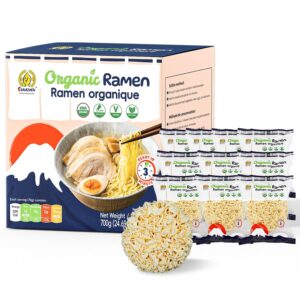


A cleaner pantry, fewer mystery ingredients in your lotion, and household products that do not leave you wondering what you just sprayed on the counter – that is where organic living benefits become real. For most people, this lifestyle is not about perfection or replacing everything overnight. It is about making smarter choices that support your health, reduce unnecessary chemical exposure, and help your home feel more aligned with your values.
That practical angle matters. Organic living can sound expensive, idealistic, or hard to maintain, especially if you are juggling work, family, pets, and a normal budget. But in everyday life, it often starts with small swaps: choosing organic produce for the foods you eat most, switching to gentler skincare, or paying closer attention to what comes into your home. Those shifts may seem minor, yet they can add up in meaningful ways.
Why organic living benefits more than just your diet
When people hear “organic,” they often think of fruits and vegetables first. Food is a big part of the picture, but organic living reaches much further. It includes the products you use on your skin, the cleaners you keep under the sink, the fabrics touching your body, and even what your pets eat.
The broader benefit is not only about avoiding certain ingredients. It is also about creating a more intentional home environment. When you choose products with simpler, better-understood ingredients, you usually become a more informed shopper overall. You start reading labels, asking better questions, and noticing which brands value transparency and which rely on vague marketing.
That shift in mindset can be one of the most lasting benefits of all. Organic living teaches you to look beyond the front of the package and think about what supports your well-being day after day.
Health-related organic living benefits at home
One of the biggest reasons people move toward organic products is the desire to reduce exposure to synthetic pesticides, harsh chemicals, and heavily processed ingredients. While no lifestyle can eliminate every exposure, choosing organic options can help lower the overall load.
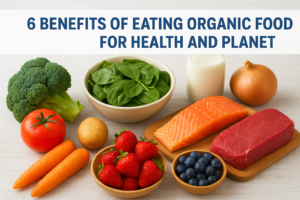
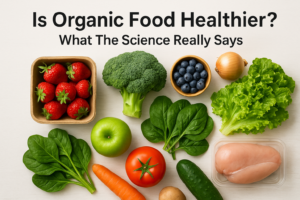
In food, organic standards generally limit the use of synthetic pesticides and prohibit genetically modified ingredients in certified organic products. For many households, that feels especially worthwhile for foods eaten often, such as berries, leafy greens, apples, oats, milk, and eggs. If your family goes through those staples every week, upgrading even a few of them can make your routine feel cleaner without becoming complicated.
Skincare is another area where the benefits feel personal and immediate. Your skin is in regular contact with cleansers, moisturizers, body washes, deodorants, and cosmetics. People with sensitive skin often find that products made with more natural, plant-based ingredients feel gentler, though it depends on the formula. “Natural” does not automatically mean non-irritating, and some essential oils can still be too strong for certain skin types. The real win comes from choosing products with clear ingredient lists and fewer unnecessary additives.
Household cleaning products deserve attention too. Conventional cleaners can contain strong fragrances, dyes, and ingredients that leave behind fumes or residue. Organic or plant-based alternatives may help create a home that feels less harsh, especially in smaller spaces or around kids and pets. That said, performance matters. Not every green cleaner works equally well, so the best choice is one that balances ingredient standards with results you can rely on.
Organic living benefits for your home environment
A home shaped by organic choices often feels calmer, simpler, and easier to trust. That is not just aesthetic. It comes from reducing the number of products with complicated ingredient lists and replacing them with items designed to support everyday wellness.
Think about the places where your household has the most contact. Bedding, towels, baby items, pet products, kitchenware, and laundry supplies all affect your living space more than you may realize. Organic cotton, for example, can be appealing not only because of how it is grown, but because many shoppers prefer materials made with fewer chemical treatments.
There is also a practical mental benefit here. When your cabinets are stocked with products you feel good about using, daily routines become less stressful. You spend less time second-guessing a label and more time simply living. For busy households, that kind of confidence is valuable.
The environmental side of organic living benefits
Organic living is often motivated by personal wellness first, but the environmental upside is part of the story too. Organic farming practices are generally designed to support soil health, biodiversity, and reduced dependence on synthetic chemical inputs. That can contribute to healthier ecosystems over time.
For consumers, this means your purchasing choices may support systems that are gentler on pollinators, waterways, and agricultural land. It is not a perfect equation, and organic does not always mean local, low-waste, or low-carbon. A product can be organic and still come with excess packaging or a long shipping route. That is why thoughtful shopping matters more than chasing a single label.
Still, if your goal is a greener lifestyle, organic choices can be part of a broader pattern that includes reusables, lower-tox home products, and buying fewer but better items. The environmental benefit is strongest when organic living is paired with mindful consumption instead of impulse buying wrapped in green branding.
Where the benefits are easiest to notice first
If you are new to this lifestyle, start where the impact feels most obvious in your daily routine. Food is usually the clearest place because it is repetitive. If you eat oatmeal every morning, buy organic oats. If your kids snack on apples and peanut butter constantly, upgrade those first. Repeating purchases bring repeating value.
Personal care is another smart starting point. A body lotion, face wash, or deodorant used every day is more relevant than a trendy product that sits untouched in the bathroom drawer. You are looking for changes that fit naturally into habits you already have.
Then there is the home itself. Laundry detergent, dish soap, and all-purpose cleaner touch surfaces, fabrics, and air quality in ways that affect everyone in the house. These products often offer a good balance between practicality and wellness, which makes them strong entry points for beginner organic shoppers.
The trade-offs to know before you switch everything
Organic living has real upsides, but it is not all-or-nothing, and it is not always cheap. Cost is the most obvious barrier. Organic groceries, skincare, and home goods can carry higher price tags, which means most people need to prioritize rather than overhaul their lifestyle in one trip.
Availability can also be uneven depending on where you live. Some shoppers have easy access to organic stores and curated brands, while others are working with limited local options. In those cases, buying online, shopping store brands, or focusing on a few essentials makes more sense than aiming for a perfect organic household.
There is also the issue of label confusion. Terms like “natural,” “clean,” “eco-friendly,” and “green” are often used loosely. Organic certification carries more weight than vague front-label promises, but even then, it helps to read closely. A trustworthy product usually makes it easy to understand what it is, what it contains, and why it was made.
This is where an approachable platform like Woganic can be helpful. The goal is not to make readers feel behind. It is to make better choices feel clear, manageable, and worth it.
How to make organic living benefits last
The most sustainable version of organic living is the one you can actually maintain. That usually means building your routine around a few categories that matter most to you. For one household, it may be organic food and safer cleaning products. For another, it may be skincare, bedding, and pet nutrition.
Consistency matters more than intensity. A handful of repeat purchases that genuinely improve your day is better than a cart full of expensive products you will never buy again. Focus on value, comfort, ingredient transparency, and how a product fits into your life.
It also helps to think seasonally. Fresh organic produce may be more affordable at certain times of year, while staple pantry items can often be bought in larger sizes to save money. For home and personal care, replacing products as they run out keeps the transition realistic.
Organic living works best when it feels supportive, not restrictive. The point is not to create pressure around every purchase. The point is to make your home a little healthier, your routines a little cleaner, and your decisions a little more intentional.
If you have been curious about making the switch, start with one shelf, one room, or one weekly shopping habit. The best changes are usually the ones that feel simple enough to keep.
Discover more from Woganic Blog
Subscribe to get the latest posts sent to your email.