

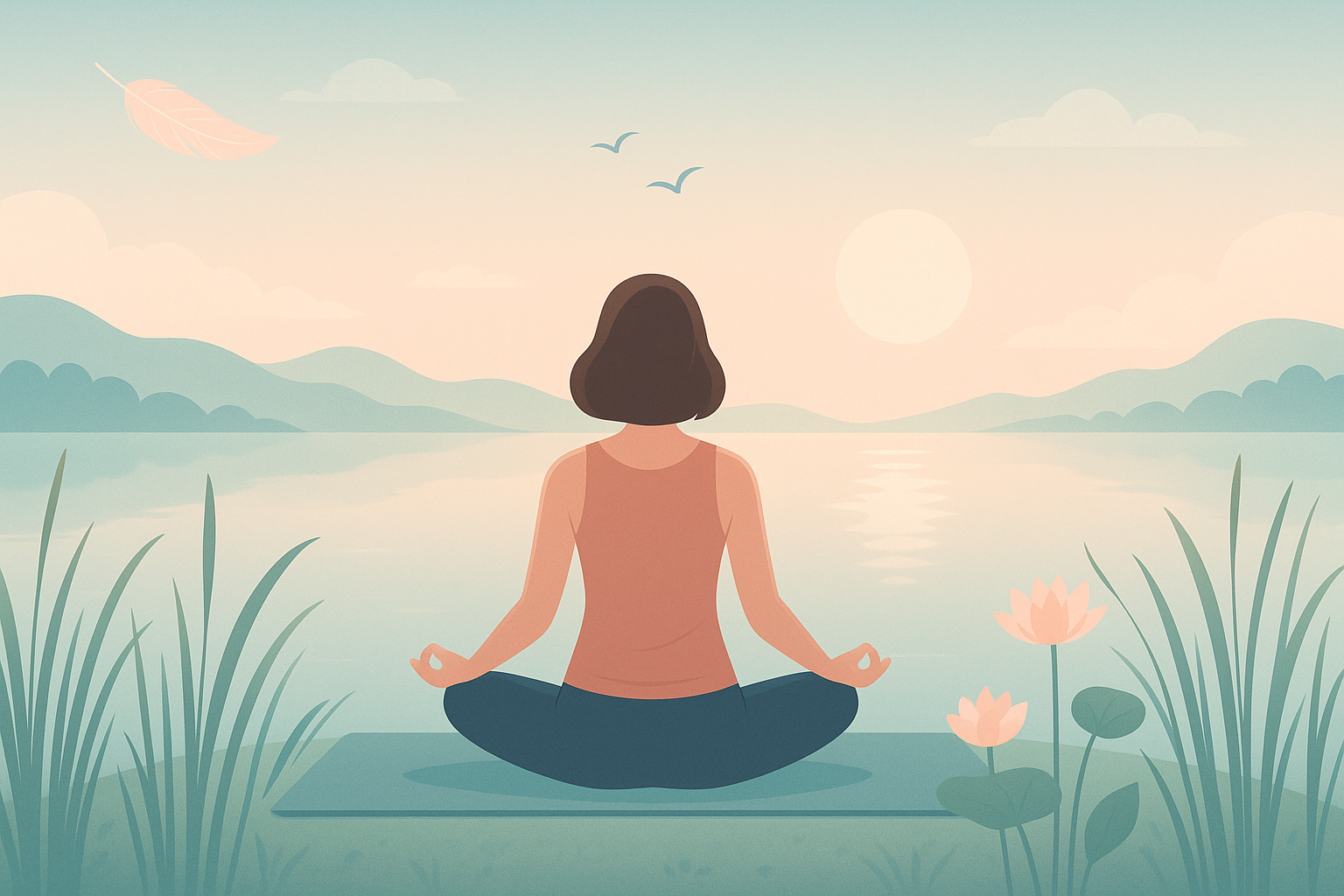
Embracing Mindfulness Techniques: A Guide to Living in the Moment
Hey there, fellow wanderers of the mind! Let’s talk about something that’s become quite the buzzword in recent years: mindfulness. Now, don’t roll your eyes just yet. I promise this isn’t another lecture on sitting cross-legged and chanting “om.” Instead, let’s explore how mindfulness techniques can genuinely transform your day-to-day life. You might be wondering, “Is mindfulness really for me?” Well, let’s dive in and find out.
What is Mindfulness?
So, what exactly is mindfulness? At its core, mindfulness is about being present—right here, right now. It’s about paying attention to your thoughts, feelings, and surroundings without judgment. Simple, right? But in our fast-paced world, actually practicing it can be trickier than it sounds. Imagine this: you’re sipping your morning coffee, but instead of savoring the aroma, you’re mentally drafting an email or planning dinner. Sound familiar? That’s where mindfulness comes in.
Why Practice Mindfulness?
Before we dive into the techniques, let’s chat about why you’d even want to embrace mindfulness. For starters, it’s a fantastic way to reduce stress. Think of it as a mental timeout, giving your brain a much-needed break. Plus, it can improve focus, boost emotional resilience, and even enhance relationships. Who wouldn’t want that? Personally, I’ve found that a few minutes of mindfulness daily keeps me from turning into a stress ball. And trust me, nobody likes a stress ball.
Simple Mindfulness Techniques to Try
Now, let’s get the ball rolling with some techniques you can try out today. They’re easy-peasy, promise!
1. Mindful Breathing – This is the bread and butter of mindfulness. Close your eyes, take a deep breath in, and slowly exhale. Focus on the sensation of the air entering and leaving your body. If your mind starts to wander (which it will!), gently bring your focus back to your breath.
2. Body Scan – Lie down and close your eyes. Slowly bring your attention to each part of your body, starting from your toes and moving up to your head. Notice any sensations, tensions, or areas of relaxation. It’s like giving your body a mental check-up.
3. Mindful Eating – Next time you eat, really focus on the flavors, textures, and aromas of your food. Put down your phone and savor each bite. You’ll be amazed at how much more enjoyable meals can be!
Integrating Mindfulness into Daily Life
Alright, so you’ve tried a few techniques. Now what? The key is to weave mindfulness into your daily routine. It’s not about setting aside an hour a day (who has the time?). Instead, sprinkle mindfulness throughout your day.
Waiting in line? Notice your breath. Stuck in traffic? Listen to the sounds around you. Having a conversation? Really listen to the other person without planning your next response. It’s these small moments that add up to a more mindful life.
Challenges and How to Overcome Them
Of course, like any new habit, mindfulness comes with its challenges. You might be thinking, “I can’t sit still for that long,” or “My mind just won’t stop racing.” And that’s okay. The goal isn’t to achieve a blank mind but to observe your thoughts without getting swept away by them.
If you find yourself struggling, start small. Even a minute or two of focused breathing can make a difference. And remember, there’s no “right” way to practice mindfulness. It’s all about what works for you.
Mindfulness in Real Life: My Journey
Let me share a little bit of my journey with mindfulness. It all started a few years ago when I found myself constantly stressed and overwhelmed. A friend recommended mindfulness, and I was skeptical at first. But I gave it a shot, and it was a game-changer. Sure, I’m not a Zen master, but I’ve learned to navigate life’s ups and downs with a bit more grace (and a lot less panic!).
So, whether you’re a curious newbie or someone looking to deepen your practice, mindfulness has something to offer. It’s not about perfection; it’s about presence. And who knows? It might just be the peace you’re seeking.
FAQs About Mindfulness Techniques
How long should I practice mindfulness each day? – There’s no set rule. Start with a few minutes and gradually increase as you feel comfortable. The key is consistency.
Can mindfulness help with anxiety and depression? – While mindfulness isn’t a cure-all, many people find it helpful in managing symptoms of anxiety and depression. It’s always best to consult with a healthcare professional for personalized advice.
Do I need any special equipment or apps? – Nope! All you need is yourself and a willingness to be present. However, there are many great apps and resources out there if you’re interested in guided practices.
The Science Behind Mindfulness
While mindfulness might seem like a simple concept, there’s a significant amount of scientific research backing its benefits. Studies have shown that practicing mindfulness can lead to physical changes in the brain, particularly in areas related to attention, emotional regulation, and self-awareness. Regular mindfulness practice has been linked to increased gray matter density in regions of the brain that are crucial for these functions.
Moreover, mindfulness has been shown to reduce the levels of cortisol, the stress hormone, in the body. This can lead to a decrease in stress-related symptoms and an overall improvement in mental well-being. Additionally, mindfulness can enhance neuroplasticity, which is the brain’s ability to reorganize itself by forming new neural connections. This means that the more you practice, the better your brain becomes at managing stress and staying focused.
Mindfulness in Different Cultures
While mindfulness has gained popularity in the Western world, it’s rooted in ancient Eastern traditions, particularly Buddhism. In Buddhism, mindfulness is considered a core element of spiritual development, often practiced through meditation to cultivate awareness and understanding.
However, mindfulness isn’t limited to Buddhist practices. Various cultures have embraced similar concepts, focusing on being present and aware in different ways. For instance, in Japanese culture, the concept of “ichigo ichie” encourages people to treasure each moment as if it were unique, fostering a mindful approach to life.
Similarly, in the Indian tradition, the practice of yoga incorporates mindfulness as a means to connect the mind, body, and spirit. Through mindful movements and breathing, practitioners learn to focus their attention inward, promoting a sense of peace and balance.
Final Thoughts
And there you have it—a beginner’s guide to embracing mindfulness techniques. Remember, it’s all about being kind to yourself and taking it one moment at a time. So, why not give it a try? After all, as they say, “The journey of a thousand miles begins with a single step.” Or in this case, a single breath.
Thanks for joining me on this mindfulness journey. Until next time, take care and stay present!
Discover more from Woganic Blog
Subscribe to get the latest posts sent to your email.