
You do not need a spotless pantry, a backyard garden, or a full cabinet of expensive products to figure out how to start organic living. For most people, it begins in a very ordinary place – standing in the grocery aisle, reading a label, and wondering whether a better choice is actually worth it. That question matters, because organic living is less about perfection and more about reducing unnecessary chemical exposure, choosing cleaner ingredients, and building a home that feels healthier over time.
The most sustainable version of this lifestyle is the one you can actually keep. That means starting small, paying attention to what you use every day, and making changes where they will have the biggest impact for your body, your household, and your budget.
What organic living really means
Organic living is broader than buying organic produce once in a while. It usually includes the food you eat, the products you put on your skin, the cleaners you use around your home, and even the items your pets come into contact with. At its core, it is a shift toward ingredients and materials that are grown or made with fewer synthetic pesticides, harsh chemicals, artificial additives, and unnecessary fillers.
That said, organic living is not all-or-nothing. Some products carry certified organic labels. Others are simply cleaner, less toxic, or more responsibly made. If you are just getting started, that distinction can feel confusing. The practical approach is to focus first on transparency. If a brand clearly explains what is in a product and why, that is usually a better sign than vague claims like natural or green with no specifics behind them.
How to start organic living without overwhelm
The easiest way to begin is to look at repeat purchases. These are the products that come into your home again and again, which means they shape your daily exposure the most. Instead of trying to replace everything in a weekend, choose one category at a time.
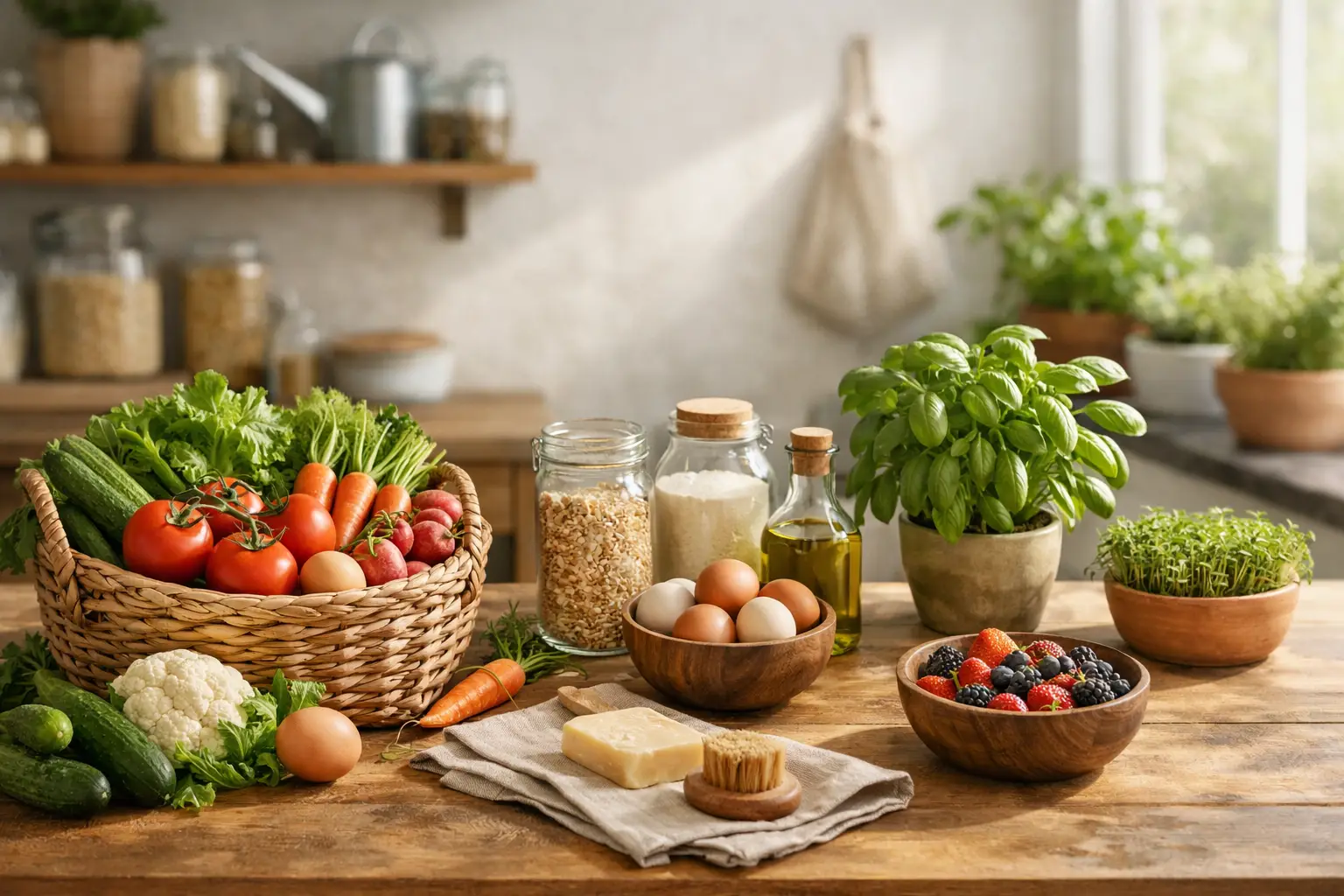
For many households, food is the best place to start. You interact with it every day, and even a few better choices can feel meaningful right away. If a full organic grocery haul is not realistic, prioritize the items your family eats most often. Organic oats, milk, eggs, apples, berries, leafy greens, and peanut butter are common starting points because they tend to be staples. You can also think in terms of frequency. If your child eats strawberries three times a week, upgrading that one item may matter more than buying an organic specialty ingredient once a month.
Another smart place to begin is anything that stays on your skin for hours. Lotion, body oil, deodorant, lip balm, and facial moisturizer are used regularly and absorbed differently than products you rinse off quickly. You do not need a twelve-step routine. A gentle cleanser, a moisturizer with straightforward ingredients, and mineral-based sun protection can take you surprisingly far.
Start with the products you use every day
There is a simple question that helps cut through decision fatigue: what does my household touch, eat, or breathe most often? The answer usually points to your first organic swaps.
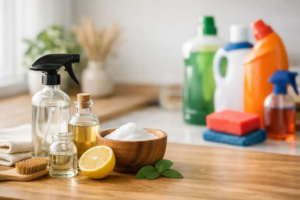
Cleaning products are a good example. A heavily fragranced spray used on kitchen counters every day has a bigger footprint in your home than a niche product under the sink. Switching to a plant-based dish soap, a simpler laundry detergent, and an all-purpose cleaner with clearly listed ingredients can noticeably reduce the chemical load in your space. If scent matters to you, look for naturally derived fragrance or unscented options rather than assuming a strong smell means something is working better.
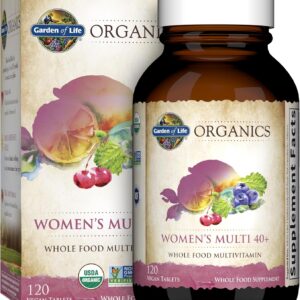
Paper goods and home basics can matter too, especially if you are trying to build a more eco-conscious household overall. Organic cotton towels, bedding, and baby items are often worth considering because they come into close contact with skin. These swaps are not urgent for everyone, but they can make sense when you are already replacing worn-out items.
Food is often the gateway to organic living
If your main motivation is health and wellness, the kitchen often becomes the center of change. Organic food appeals to many families because it can reduce exposure to certain pesticides and align with a more mindful way of eating. But organic labels alone do not make a food nourishing. Organic cookies are still cookies. Organic chips are still chips.
A balanced approach works best. Choose more whole foods, then upgrade them where you can. Organic yogurt, grains, beans, fruits, vegetables, and pasture-raised or organic animal products can be a strong foundation. Frozen organic produce is also worth considering. It is convenient, often more affordable than fresh, and helps reduce waste if you are still adjusting your shopping habits.
Meal planning helps here more than most people expect. When you know what you will actually cook, you are less likely to overspend on aspirational groceries that go bad in the fridge. Organic living should support your routine, not create extra guilt around food waste.
Organic skincare and wellness products
Skincare can be one of the most confusing categories because packaging is full of soft claims and wellness language. Organic, natural, clean, non-toxic, and dermatologist-tested do not all mean the same thing. What helps is getting familiar with ingredient lists and noticing how your skin responds.
If you are a beginner, start with products that cover the basics. A body wash with fewer synthetic additives, a moisturizer with recognizable plant oils or butters, and a lip balm made without petroleum-based ingredients are accessible entry points. You do not need to throw out everything you own. Replace products as you run out, and use that moment to trade up.
There is also a budget reality here. Some organic skincare is beautifully formulated and worth the price. Some is expensive mainly because the branding is attractive. The best product is not always the fanciest one. It is the one with thoughtful ingredients, practical performance, and a price you can live with.
How to shop smarter when labels are confusing
One of the biggest barriers to organic living is not motivation. It is mixed messaging. A package can look earthy and wholesome while saying very little of substance. Learning to shop with a little more skepticism can save money and frustration.
Look for specific certifications when they apply, but do not rely on front-label claims alone. Read the ingredient list. Shorter is not automatically better, but clarity usually is. If you cannot tell what a product is made of, or the brand avoids details, that is worth noticing. Claims such as made with organic ingredients can be meaningful, but they are not the same as fully organic certification.
It also helps to think about trade-offs. Sometimes the organic option is ideal. Sometimes the better choice is a conventional product with simple ingredients, minimal packaging, and strong brand transparency. Progress often comes from making better decisions consistently, not perfect ones occasionally.
Build habits, not a shopping identity
The healthiest version of organic living is grounded in habits, not image. It is easy to get pulled into the idea that you need matching glass jars, a pantry makeover, or a cart full of premium products before you are doing it right. You do not.
Focus on routines that support the life you already have. Wash produce well. Keep a short list of trusted pantry staples. Refill the cleaning products you genuinely use. Choose skincare you will apply consistently. If you have pets, pay attention to food quality, grooming products, and bedding materials too. A cleaner lifestyle works best when it is woven into daily decisions rather than treated like a separate project.
This is where brands like Woganic can be helpful – not because you need more stuff, but because curated guidance makes it easier to spot products that align with your values without spending hours researching every label yourself.
A realistic budget for organic living
Organic living can cost more in some categories, but it does not have to become a luxury hobby. The trick is knowing where the upgrade matters most to you. You might decide to spend more on organic milk, eggs, baby products, or skincare while keeping other items simple and conventional. That is still a thoughtful approach.
Buying in bulk, choosing store brands, and shopping frozen or shelf-stable organic staples can lower the cost. So can slowing down on impulse purchases. Many people spend less overall once they become more intentional about what enters the home. Fewer gimmicks, fewer duplicate products, and fewer trendy wellness buys can free up room in the budget for better essentials.
If you are wondering how to start organic living in a way that lasts, give yourself permission to be selective. Start where your family will feel the difference. Keep what works. Skip what does not. A healthier home is usually built through steady, ordinary choices – one grocery trip, one bottle replacement, one better habit at a time.
Discover more from Woganic Blog
Subscribe to get the latest posts sent to your email.