

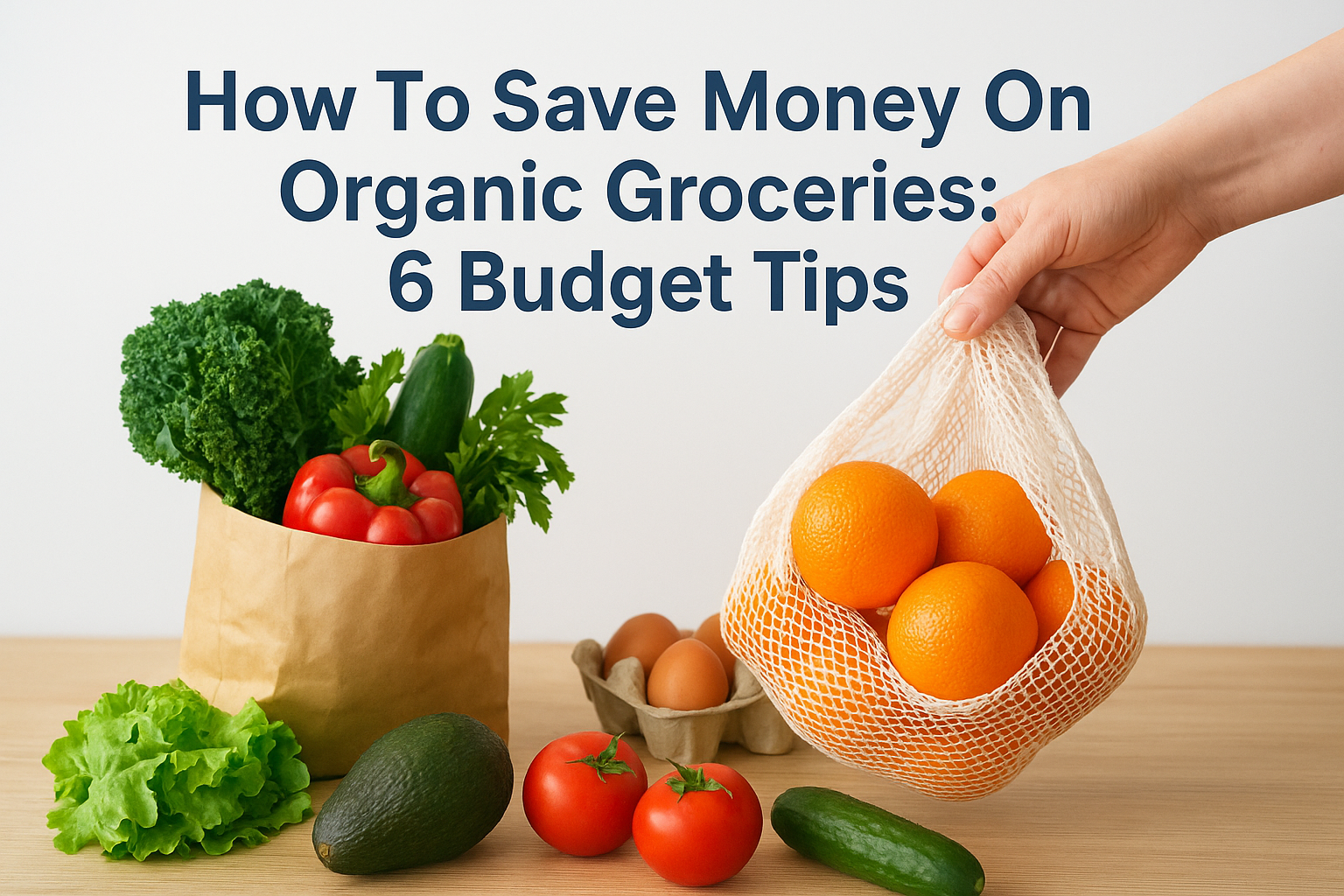
Organic groceries cost more than conventional ones, that’s not a secret. According to Consumer Reports, organic products can run 20% to 100% higher in price depending on the item. That gap keeps a lot of people stuck between wanting cleaner food and sticking to a budget. But here’s the thing: learning how to save money on organic groceries doesn’t require extreme couponing or giving up the foods you love.
At Worganic Foods, we help people build a healthier, more sustainable lifestyle without pretending money isn’t part of the equation. We’ve spent years researching organic products, comparing prices, and testing strategies that actually work at the checkout. Budget-friendly organic shopping is possible, it just takes a bit of planning and knowing where to focus your dollars.
In this guide, we’re sharing six practical tips you can start using on your next grocery run to cut costs while keeping your cart full of real, organic food.
1. Build a Unit-Price Budget System
Most people compare sticker prices when they shop organic, which is the wrong move. A 32-oz jar of organic peanut butter at $12 is a better deal than a 16-oz jar at $7, but the sticker on the shelf won’t tell you that without doing the math. A unit-price budget system fixes this by giving you a consistent way to compare any product, at any store, in any size.
Why This Saves Money Even When Prices Rise
Organic prices shift constantly. Retailers adjust pricing based on supply, season, and demand, so the "cheapest store" for one product may not be the cheapest for another. Tracking cost per ounce, per pound, or per unit keeps you grounded in real value regardless of which store you’re standing in. This approach works especially well when brands change their packaging sizes without changing the price, a practice known as shrinkflation.
Comparing unit prices instead of total prices is one of the most effective ways to save money on organic groceries without changing what you buy.
How to Do It in 15 Minutes a Week
You don’t need a spreadsheet degree for this. Start by checking the unit price label on the shelf tag at your grocery store. Most major retailers are required to display it. For stores that don’t, divide the total price by the number of ounces or units. Keep a simple note on your phone with the best unit prices you’ve found for your ten most-purchased organic items. Review and update it once a week when you’re planning your meals.
Mistakes That Blow Up an Organic Budget
Buying the largest size available isn’t always the best move. Perishable items bought in bulk often go to waste before you finish them, which cancels out any savings. Another common mistake is chasing sales without checking the unit price first. A "buy one, get one" deal on a product with a poor unit price can still cost you more than a competitor’s regular price.
Savings You Can Realistically Expect
Shoppers who consistently use unit pricing report saving 10% to 15% on their grocery bills without switching stores or cutting brands. On a $200 monthly organic budget, that’s $20 to $30 back in your pocket each month just from smarter comparisons.
2. Prioritize Which Foods to Buy Organic
Not every item needs an organic label. Focusing your budget on high-priority produce is one of the sharpest ways to save money on organic groceries while still protecting your health where it matters most.
Use the Dirty Dozen and Clean Fifteen the Right Way
The Environmental Working Group (EWG) publishes two lists each year: the Dirty Dozen (highest pesticide residues) and the Clean Fifteen (lowest). Use them as your shopping filter, not just background reading.

- Dirty Dozen highlights: strawberries, spinach, peaches, apples, grapes, bell peppers
- Clean Fifteen highlights: avocados, onions, pineapples, corn, asparagus
Targeting the Dirty Dozen first puts your organic dollars exactly where pesticide exposure is highest.
Put Your Organic Dollars Where Exposure Matters Most
Thin-skinned produce you eat whole carries significantly more risk than items you peel before eating. Prioritize organic for foods your family consumes daily and in large portions, since frequency and serving size drive total exposure over time.
Focus especially on items that show up in your cart every single week. Consistent, high-volume consumption of a high-residue food adds up faster than an occasional indulgence.
When Conventional Still Makes Sense
Avocados, onions, and pineapples have thick protective skins and naturally low pesticide absorption, making conventional versions a smart, low-risk swap. Choosing conventional on Clean Fifteen items cuts your bill meaningfully without meaningful health trade-offs.
Savings You Can Realistically Expect
Buying organic selectively based on the Dirty Dozen can reduce your organic spending by 25% to 40% compared to buying everything organic across the board.
3. Shop the Right Stores and Sources
Where you shop matters as much as what you buy. Different retailers carry drastically different price points for the same organic items, and knowing how to save money on organic groceries starts with choosing the right source before you ever walk through the door.
Find the Cheapest Organic Options Near You
Discount retailers like Trader Joe’s, Aldi, and Costco consistently price organic staples well below traditional grocery chains. Check your local store’s weekly circular online before shopping so you can stack savings across two or three stops rather than relying on one retailer for everything.
Use Sales Cycles and Timing to Pay Less
Most grocery stores rotate organic produce and pantry staples on a 4-to-6-week sale cycle. Track which items go on sale at your regular store and stock up on shelf-stable goods when prices drop. Buying seasonal produce in-season cuts costs further since peak supply naturally drives prices down.
Timing your purchases around sale cycles can reduce your monthly organic spend without changing a single item in your cart.
How to Shop Farmers Markets, CSA Boxes, and U-Pick
Farmers markets often sell certified or spray-free produce at prices below retail because you cut out the middleman entirely. Arrive near closing time when vendors discount remaining stock to avoid hauling it home. CSA boxes bundle seasonal produce at wholesale-level pricing, while u-pick farms offer some of the lowest per-pound costs available, especially on berries and stone fruit.
Savings You Can Realistically Expect
Combining two or three lower-cost sources instead of shopping exclusively at premium grocery stores can drop your organic food spending by 15% to 25% per month.
4. Buy Smart: Bulk, Frozen, and Store Brands
Changing where you buy and what form you buy cuts your organic grocery bill without removing a single item from your list. Three purchasing habits, used together, stretch your budget further than most shoppers expect.
Bulk Buying Without Waste or Pantry Chaos
Shelf-stable organic staples make the best bulk purchases because they last for months without spoiling. Buy only what you’ll realistically consume within each item’s shelf life to avoid waste that erases any savings. Good bulk candidates include:

- Organic oats, rice, and dried beans
- Raw nuts and seeds
- Olive oil and coconut oil
- Whole grain flour and pasta
Frozen and Canned Organic Options That Stay Affordable
Organic frozen vegetables are often picked and flash-frozen at peak ripeness, locking in nutrients while keeping costs lower than fresh. Canned organic tomatoes, beans, and coconut milk offer some of the best per-serving values in the entire organic aisle. These formats work well for any meal where texture matters less than nutrition.
Frozen and canned organics give you a practical, low-cost way to keep organic food on the table throughout the week.
Store-Brand Organic and When It Matches Name Brands
Most major retailers now carry their own organic lines, including Costco’s Kirkland, Walmart’s Simple Truth, and Whole Foods’ 365. These products often come from the same certified suppliers as national brands but price 20% to 30% lower. Check the ingredient list and USDA organic certification before assuming a name brand is worth the premium.
Savings You Can Realistically Expect
Combining bulk buying, frozen formats, and store-brand choices can lower your per-meal organic cost by 20% to 35%. This is one of the most direct answers to how to save money on organic groceries without cutting quality or variety from your weekly meals.
5. Cook to Stretch Organic Food and Cut Waste
How you cook and plan your meals directly affects how far your organic budget goes. Smart cooking habits reduce waste, lower your per-serving cost, and keep your weekly spend predictable.
Shift Spending from Processed to Simple Ingredients
Processed organic items like crackers, sauces, and pre-seasoned blends carry significant markups compared to their raw components. Buying whole-food staples like grains, dried legumes, and basic oils and making things from scratch trims your bill fast.
Meal Prep, Batch Cooking, and Freezer Strategies
Batch cooking on weekends lets you turn bulk organic ingredients into multiple meals without extra effort mid-week. Freeze portions in labeled containers so nothing goes to waste and you avoid last-minute spending on convenience food.
Cooking in batches from simple organic ingredients is one of the most underused ways to stretch a tight grocery budget.
Reduce Meat Costs Without Sacrificing Protein
Organic meat is one of the most expensive items in any grocery cart. Replacing two or three weekly servings with organic eggs, legumes, or canned fish cuts costs significantly while keeping your protein intake strong.
Grow the Expensive Little Things at Home
Fresh organic herbs like basil, cilantro, and chives cost $2 to $4 per small bunch at the store. Growing them in a windowsill pot delivers a constant supply for a one-time cost of a few dollars in seeds or seedlings.
Savings You Can Realistically Expect
Combining smarter cooking habits with reduced food waste can lower your effective organic grocery cost by 15% to 25% monthly, making this approach one of the most accessible ways to learn how to save money on organic groceries.

Your Next Grocery Trip
Six strategies, each targeting a different part of how you spend on organic food. You don’t need to apply all of them at once. Start with the unit-price system and the Dirty Dozen list since those two habits alone can cut your monthly bill by a meaningful amount with almost no extra effort on your part.
From there, layer in store selection, bulk buying, and smarter cooking as your routine builds. Every change you make compounds over time, so small adjustments today translate into real savings by the end of the year. Learning how to save money on organic groceries is less about sacrifice and more about making sharper, more deliberate choices each week.
Ready to keep building a healthier lifestyle without breaking your budget? Explore organic food guides, product picks, and sustainable living tips that cover every part of your wellness journey, from your pantry to your daily routine.
Discover more from Woganic Blog
Subscribe to get the latest posts sent to your email.





Leave a Reply
Your email is safe with us.