

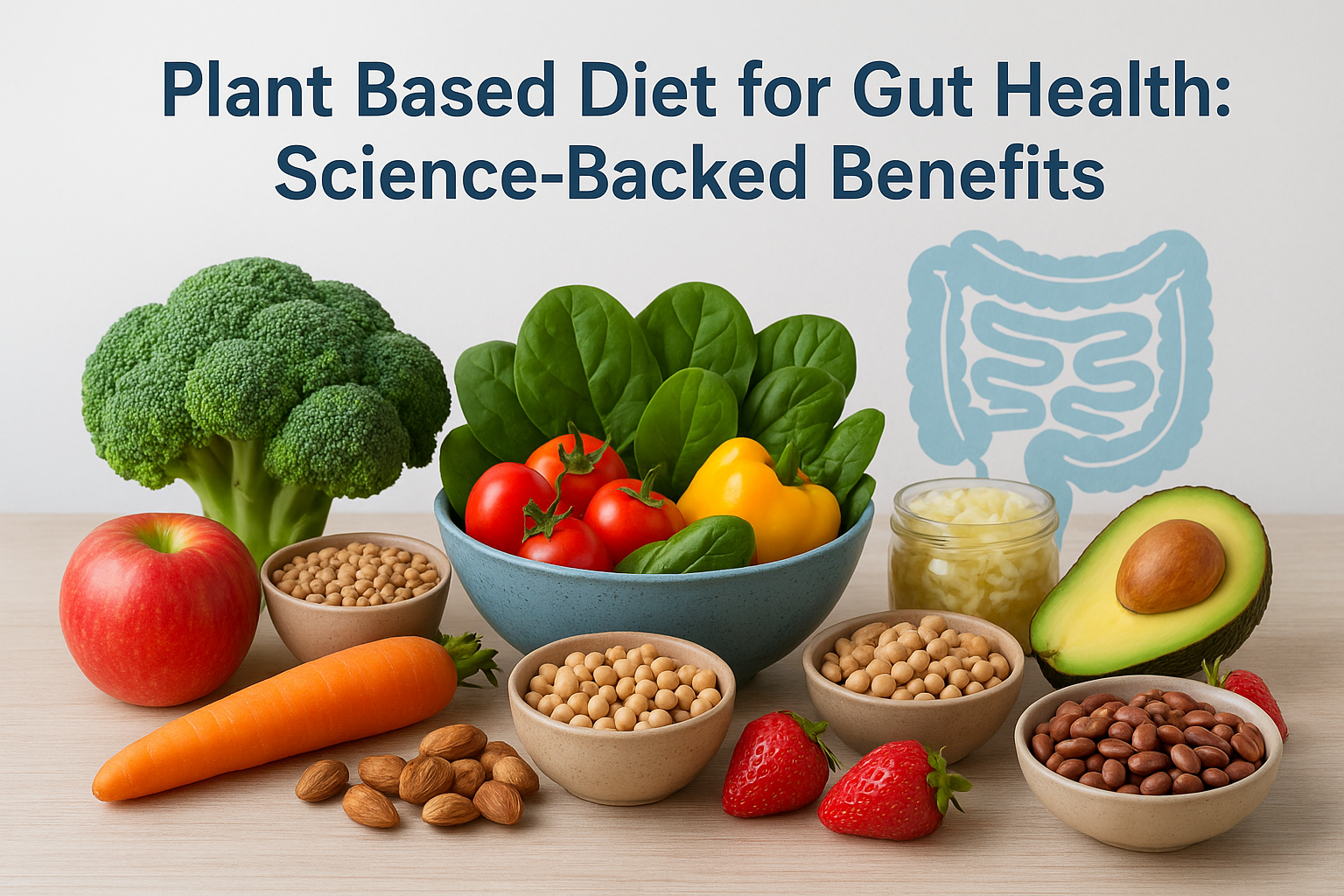
Your gut is home to trillions of bacteria, and what you eat determines which ones thrive. Research published in journals like Nature and The American Journal of Clinical Nutrition consistently points to the same conclusion: a plant based diet for gut health is one of the most effective dietary strategies you can adopt. The reason comes down to fiber, polyphenols, and the sheer diversity of nutrients that plants deliver, all of which feed beneficial gut bacteria and suppress harmful ones.
But how exactly does this work, and what does the science actually say? Studies show that people who eat more plants tend to have higher microbial diversity, a key marker of a healthy digestive system. They also produce more short-chain fatty acids, which protect the gut lining and reduce inflammation. These aren’t vague wellness claims; they’re measurable outcomes backed by peer-reviewed research.
At Worganic Foods, we believe that understanding the science behind organic, plant-rich eating helps you make better choices, not just trendier ones. This article breaks down the mechanisms that connect plant-based eating to gut health, walks through the evidence, and offers practical insight you can actually use. Whether you’re just starting to rethink your plate or you’ve been eating this way for years, the research here will give you a clearer picture of what’s happening inside your gut and why it matters.
What a plant-based diet means for gut health
A plant-based diet focuses on foods that come from plants: vegetables, fruits, legumes, whole grains, nuts, and seeds. It doesn’t necessarily mean you eliminate all animal products, but it does mean plants make up the majority of what you eat. When applied specifically to gut health, this shift matters because your gut bacteria feed on what you consume, and plant foods contain compounds that animal products simply don’t provide in meaningful quantities, including dietary fiber and polyphenols.
The gut microbiome and what it needs
Your gut microbiome is a complex ecosystem of bacteria, fungi, and other microorganisms living in your digestive tract. A healthy microbiome is diverse, meaning it contains many different species of bacteria, each performing different functions like breaking down food, synthesizing vitamins, and regulating immune responses. Research published in Cell Host & Microbe found that dietary patterns are one of the strongest predictors of microbial composition, and plant-rich diets consistently produce greater microbial diversity compared to diets heavy in processed foods or animal protein.
A diverse gut microbiome is associated with stronger immune function, better mood regulation, and lower rates of chronic disease, according to research from institutions like Harvard T.H. Chan School of Public Health.
How plants redefine your digestive baseline
Following a plant based diet for gut health means consistently exposing your gut bacteria to a wide range of plant compounds and fermentable fibers. Each type of plant food delivers different bacterial fuel, which different species break down in distinct ways. This variety is what drives microbial diversity, because when you eat a narrow range of foods, only certain bacteria thrive while others die off.
Over time, your digestive baseline, meaning your default gut environment, shifts in direct response to what you eat regularly. People who maintain plant-heavy eating patterns consistently show lower levels of gut inflammation and higher populations of protective bacteria linked to reduced risk of conditions like irritable bowel syndrome and colorectal disease.
Why plants change the gut microbiome
Plants change your gut microbiome through two primary mechanisms: dietary fiber and polyphenols. Fiber is the main fuel source for gut bacteria; when bacteria ferment it in your colon, they produce short-chain fatty acids like butyrate, which strengthen the gut lining and regulate inflammation. Polyphenols, found in foods like berries, dark leafy greens, and legumes, act as selective prebiotics that feed beneficial bacterial strains while limiting the growth of harmful ones.
Fiber fermentation and short-chain fatty acids
When you eat fiber-rich plant foods, your gut bacteria break them down through fermentation. This process directly produces butyrate, propionate, and acetate, three short-chain fatty acids that play measurable roles in gut function. Butyrate, in particular, fuels the cells lining your colon and helps maintain the gut barrier integrity that prevents harmful substances from entering your bloodstream.

Research from Stanford University found that people who increased dietary fiber intake significantly boosted microbial diversity within weeks, demonstrating just how responsive the gut microbiome is to plant consumption.
Following a plant based diet for gut health works precisely because it delivers consistent fiber variety across meals. Different plant fibers feed different bacterial species, so eating a wide range of vegetables, fruits, and legumes creates a competitive, diverse microbial ecosystem rather than a narrow one dominated by only a few strains.
What to eat to feed beneficial gut bacteria
Knowing which plants deliver the most gut benefit helps you build meals that actually move the needle. A plant based diet for gut health isn’t just about eating more salad; specific categories of plant foods provide the fiber types and polyphenols that different bacterial species need to grow and function.
High-fiber foods that bacteria ferment best
Bacteria in your colon thrive on fermentable fiber, also called prebiotic fiber, found in foods like oats, lentils, chickpeas, garlic, onions, and Jerusalem artichokes. These foods fuel bacteria that produce butyrate and other short-chain fatty acids, directly supporting gut lining health and immune regulation.

Research from the National Institutes of Health confirms that dietary diversity, specifically eating 30 or more different plant foods per week, is strongly associated with higher gut microbial diversity.
Your best strategy is to rotate your plant sources regularly rather than eating the same three vegetables every day. Variety across plant categories gives different bacterial strains the fuel they need to stay active and productive in your gut.
Polyphenol-rich plants that selectively support good bacteria
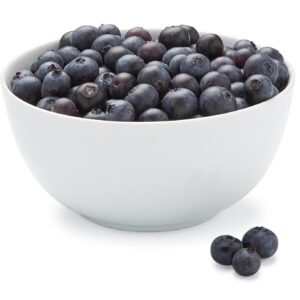
Berries, dark leafy greens, beans, green tea, and extra virgin olive oil are all dense in polyphenols. These compounds act as selective fuel, feeding protective bacterial species like Lactobacillus and Bifidobacterium while reducing populations of bacteria linked to gut inflammation.
Including these foods daily, even in small amounts, creates a consistent positive signal in your gut environment.
How to switch without bloating or setbacks
Switching to a plant based diet for gut health too fast is one of the most common reasons people give up early. Your gut bacteria need time to adapt to new fiber types, and flooding your digestive system with legumes and raw vegetables before your microbiome is ready will likely cause bloating and gas. The fix isn’t to limit fiber; it’s to add it gradually over a two-to-four week period so your bacteria can catch up.
Start low and build slowly
Begin by adding one new high-fiber food per week rather than overhauling your entire plate at once. Cooked vegetables are easier to digest than raw ones, so start with steamed or roasted options before introducing large portions of raw cruciferous vegetables or dried beans. This pacing gives your gut bacteria enough time to multiply and diversify before you layer in more fermentable fiber.
Good starter foods to introduce in the first two weeks:
- Cooked lentils or split peas
- Steamed broccoli or carrots
- Ripe bananas
- Rolled oats
Research consistently shows that gut bacteria adapt rapidly to dietary changes, often within three to five days of a consistent shift in eating patterns.
Stay hydrated and track variety
Fiber absorbs water during digestion, so your daily fluid intake needs to rise alongside your fiber intake. Without adequate hydration, fiber can actually slow things down rather than support them.
Rotating your plant food sources daily matters more than eating large amounts of the same foods. Variety drives bacterial diversity far more effectively than volume does, so aim to swap in a new vegetable, grain, or legume each day rather than defaulting to the same meal repeatedly.
FAQs and common pitfalls to avoid
Even with solid information, people following a plant based diet for gut health run into the same predictable mistakes. Knowing them upfront saves you weeks of frustration and keeps your progress on track.
Most common mistakes people make
The biggest error is treating all fiber the same. Different fiber types feed different bacteria, so eating only one or two high-fiber foods repeatedly limits your microbiome just as much as eating no fiber at all. A second mistake is cutting out all animal products overnight without replacing them with adequate protein and nutrient variety, which stresses your digestive system rather than supporting it.
Most digestive setbacks on a plant-rich diet come from moving too fast, not from the diet itself.
A third mistake is skipping fermented plant foods entirely. Foods like kimchi, sauerkraut, and miso introduce live bacterial cultures that complement the prebiotic fiber you’re eating and accelerate microbial adaptation.
Quick answers to frequent questions
How long until you notice gut changes? Research shows measurable shifts in gut bacteria within three to five days of consistent dietary change, though full adaptation typically takes four to six weeks.
Do you need supplements? Most people get sufficient fiber from whole plant foods without supplements. Vitamin B12 is the one nutrient worth discussing with a healthcare provider, especially if you reduce animal products significantly.

Key takeaways
A plant based diet for gut health works because it delivers consistent fiber variety and polyphenols that feed diverse bacterial populations. Your gut microbiome responds to what you eat within days, and the research is clear: plants drive microbial diversity in ways that processed foods and narrow diets simply cannot match.
Your biggest lever is variety. Rotating plant foods daily across vegetables, legumes, grains, and fruits gives different bacterial species the specific fuel they need to thrive. Adding fiber gradually prevents digestive setbacks, and pairing prebiotic foods with fermented options accelerates adaptation significantly.
Results don’t require a perfect diet to take hold. Small, consistent changes compound over weeks into a meaningfully different gut environment, with stronger immunity, better digestion, and lower inflammation. Start with one new plant food this week and build from there. Explore organic, plant-rich products at Worganic Foods to find options that support your gut health goals.
Discover more from Woganic Blog
Subscribe to get the latest posts sent to your email.





Leave a Reply
Your email is safe with us.