

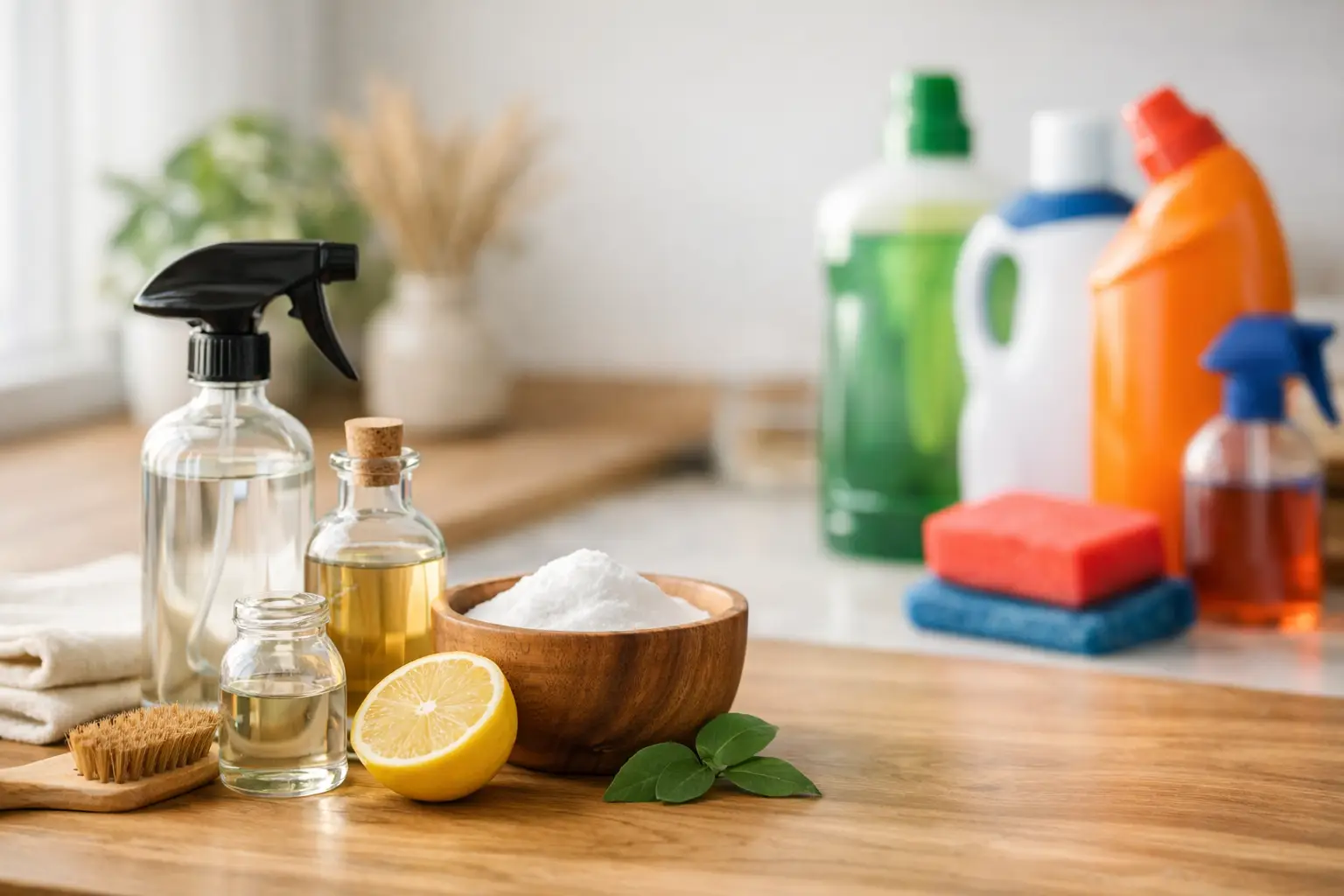
That lemon-scented cleaner, the fresh laundry smell, the nonstick pan that makes dinner easier – a lot of what feels normal at home can quietly add to your chemical load. If you have been wondering how to reduce household toxins without turning daily life into a full-time project, the good news is that a healthier home usually starts with a few smart swaps, not a perfect overhaul.
For most households, the biggest sources of exposure are not dramatic. They are the everyday things you touch, spray, heat, wash, and breathe. Cleaning products, air fresheners, personal care items, synthetic fabrics, plastic food storage, and certain furniture finishes can all contribute. The goal is not to fear every product in your house. It is to lower your overall exposure in practical ways that fit your budget and routine.
How to reduce household toxins without doing everything at once
The easiest way to make progress is to focus on the products you use most often and the areas where exposure is highest. That usually means cleaners used on kitchen counters, laundry products that stay on fabric, food containers that are heated, and anything fragranced that lingers in the air.
A good rule of thumb is this: prioritize what touches your skin, your food, and your indoor air. If a product is used daily, in a small room, or around kids and pets, it is worth a closer look. This approach keeps the process manageable and helps you avoid wasting money on less meaningful changes.
Start with the air in your home
Indoor air quality matters more than many people realize because modern homes tend to hold onto fumes, dust, and volatile compounds. Scented candles, plug-ins, aerosol sprays, and heavily fragranced cleaners can all add to that mix. Even products labeled fresh or clean can contain ingredients that are not especially freshing or clean for your lungs.
One of the simplest upgrades is to stop masking odors and start removing the cause. Open windows when weather allows. Use exhaust fans while cooking and showering. Wash soft surfaces like curtains and pet beds regularly because they trap dust and fragrance residues. If you want your home to smell better, fresh air, baking soda, and routine cleaning do more than synthetic fragrance ever will.
An air purifier can help, especially in homes with pets, wildfire smoke exposure, or allergies, but it is not a free pass to keep using irritating products. Source control still matters most. Think of purification as support, not a substitute.
Rethink your cleaning routine
If you want a faster answer to how to reduce household toxins, look under the sink. Conventional cleaners often combine strong surfactants, synthetic fragrance, dyes, and preservatives that are unnecessary for everyday cleaning. You do not need a harsh formula for every mess.
For routine jobs, a smaller lineup usually works better: a gentle dish soap, an unscented or naturally scented all-purpose cleaner, a glass cleaner if you like one, and a dedicated bathroom product for soap scum or disinfecting when needed. The trick is choosing formulas with transparent ingredient lists and avoiding products built around overpowering scent.
There is also a trade-off here. Natural does not always mean effective for every situation. If someone in your home is sick, or you are dealing with raw meat contamination, you may want a stronger disinfecting option. A lower-tox routine is not about refusing every conventional product. It is about using stronger chemistry selectively instead of daily and everywhere.
Make your laundry less chemical-heavy
Laundry is easy to overlook because clean clothes feel like a healthy habit. But detergent, dryer sheets, fabric softener, stain sprays, and scent beads can leave residues on fabrics that stay in contact with your skin for hours. For people with sensitive skin, asthma, or eczema, this can make a real difference.
Start by switching to a fragrance-free or lightly scented detergent with a simpler ingredient profile. If you use too much detergent, use less – many loads come out just as clean with a reduced amount. Skip dryer sheets and fabric softeners if possible. Wool dryer balls are a simple alternative, and they avoid the waxy coating that can build up on fabrics and machines.
If you love that just-washed smell, this is one of those it depends moments. Some naturally scented products are milder than mainstream laundry fragrance, but any scent can still be irritating for some households. If someone at home is scent-sensitive, fragrance-free is usually the safer path.
Cut down toxins where food is involved
The kitchen is one of the most worthwhile places to focus because food, heat, and packaging all meet there. Heating food in plastic is a common starting point for change. Glass and stainless steel are better long-term choices for storage, especially for leftovers, acidic foods, and anything going into the microwave or dishwasher.
Cookware also deserves attention. Older or damaged nonstick pans can be a concern, especially when overheated. If your pans are scratched, flaking, or difficult to use without high heat, replacing them with stainless steel, cast iron, or high-quality ceramic-coated options can be a smart move. You do not need to throw out everything overnight. Replace the most worn pieces first.
Food itself can be another source of household chemical exposure through pesticide residues and packaging contact. Buying all organic is not realistic for everyone, and it does not have to be all or nothing. If budget matters, prioritize organic options for the foods your household eats most often or for produce items known to carry more residues. Washing produce well, storing food properly, and reducing ultra-processed packaged items can also lighten the load.
Pay attention to what sits on your skin
Household toxins are not limited to surfaces and air. Anything that touches your body regularly, from sheets and towels to soaps and lotions, can shape your overall exposure. This is especially true for babies, children, and anyone with sensitive skin.
When replacing basics, consider organic cotton or lower-chemical textiles for bedding, pajamas, and bath items. New shower curtains, mattresses, and upholstered furniture can also release fumes at first. Let them air out in a ventilated space when possible. If you are buying bigger-ticket items, look for brands that share material and finish information clearly rather than hiding behind vague marketing terms.
For body care, simpler is often better. Unscented soap, basic lotion, and mineral-based sun protection can cover a lot of ground without a crowded ingredient list. You do not need a 12-step routine to care for your skin well.
Watch the hidden sources most people miss
Some of the trickiest exposures come from products people do not think of as chemical-heavy. Fragrance is a big one because it shows up in trash bags, candles, cleaners, detergent, room spray, baby products, and even pet items. If multiple products in your home are scented, the effect can stack quickly.
Dust is another underappreciated source. Household dust can collect residues from furniture finishes, synthetic materials, outdoor pollutants, and everyday product use. Vacuuming with a good filter, wet-dusting instead of dry-dusting, and removing shoes at the door can all help. It is not glamorous, but it works.
Pest control is another area where moderation matters. If you have a true infestation, targeted treatment may be necessary. But routine spraying inside the home, especially around food prep areas or pet spaces, is worth reconsidering. Sealing entry points, storing food carefully, and dealing with moisture issues can reduce the need for stronger products.
Build a lower-tox home one category at a time
The most sustainable way to change your home is to stop chasing perfection and start upgrading by category. Finish your current all-purpose spray, then choose a cleaner version next time. Replace old plastic containers with glass as they wear out. When it is time for new sheets, go for more breathable, lower-chemical fabric. This creates a home that feels better without creating waste or budget stress.
It also helps to become a more confident label reader. Terms like green, clean, and natural can be useful, but they are not guarantees. Look for ingredient transparency, plain language, and brands that explain what is not included, especially around fragrance, dyes, and harsh preservatives. That consumer habit alone can change the quality of what comes into your home.
If you are just getting started, pick one room. The kitchen and laundry room usually give the biggest return for the effort. And if you need a little guidance, Woganic’s approach to organic living is a good reminder that healthier choices do not have to feel extreme to be meaningful.
A lower-tox home is rarely built in one shopping trip. It grows from small, steady decisions that make your space feel cleaner, calmer, and more supportive of everyday wellness.
Discover more from Woganic Blog
Subscribe to get the latest posts sent to your email.