
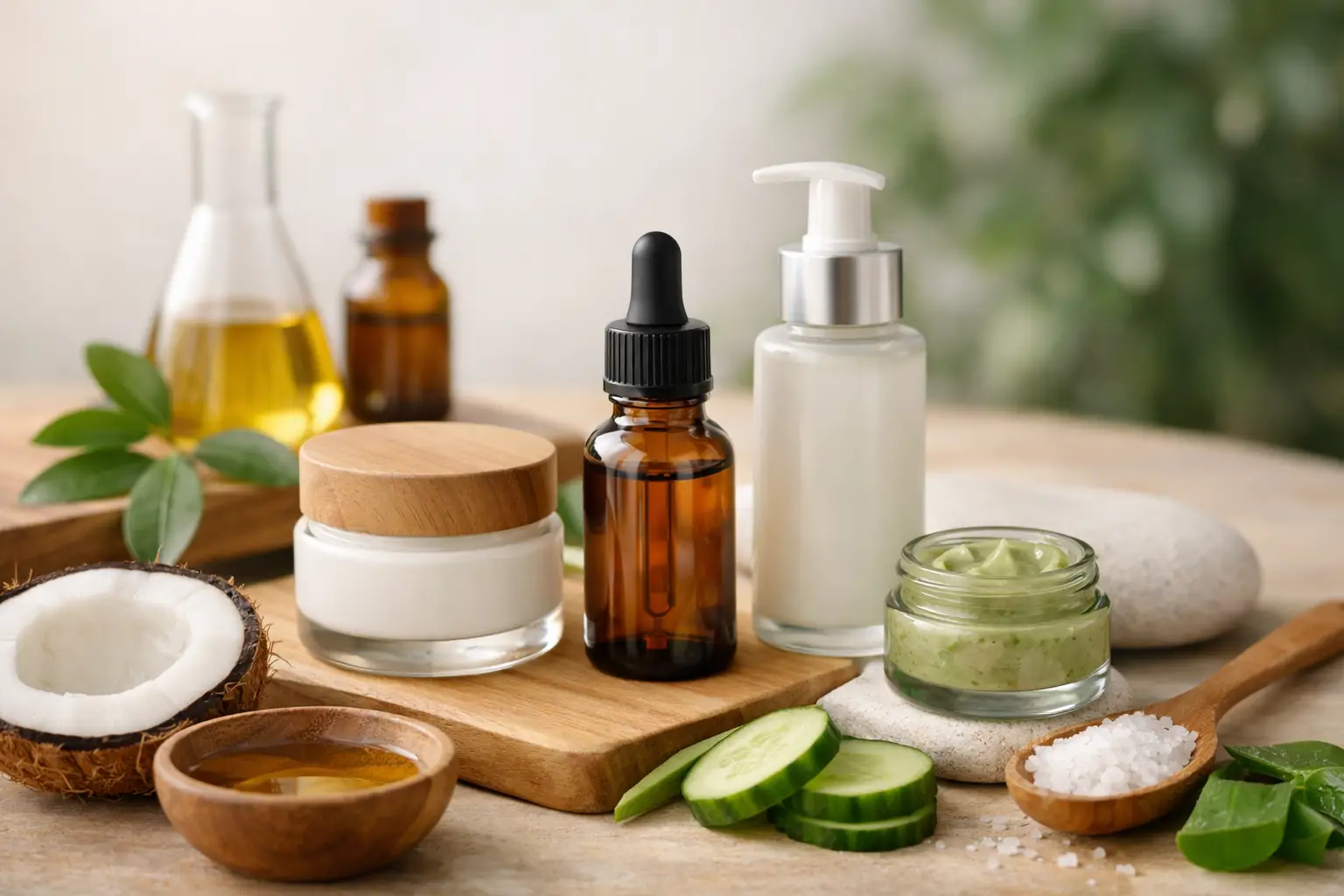
A product says “natural,” the bottle is a soft shade of green, and the label is covered in leaves. Then you turn it over and find a long ingredient list that raises more questions than answers. If you’ve been wondering how to choose organic skincare without getting pulled in by clever marketing, you’re not alone.
The good news is that organic skincare does not have to feel complicated. Once you know what to look for, it becomes much easier to separate thoughtful, high-quality formulas from products that only sound clean. The goal is not to build a perfect routine overnight. It’s to choose products that are better aligned with your skin, your health priorities, and a more sustainable lifestyle.
Why organic skincare can be worth the extra effort
For many shoppers, organic skincare starts with one simple goal: reduce daily exposure to unnecessary chemicals. That can mean avoiding certain synthetic fragrances, harsh preservatives, or heavily processed ingredients that may not work well for sensitive skin. For others, the draw is environmental. Organically grown plant ingredients are often associated with farming practices that put fewer synthetic pesticides into the system.
That said, organic does not automatically mean better for every person or every product. Some synthetic ingredients are safe, effective, and well tolerated. Some plant-based ingredients can still cause irritation. A good organic skincare choice is usually less about chasing a label and more about finding a formula that is transparent, well made, and suitable for your skin.
How to choose organic skincare without falling for greenwashing
The first thing to know is that the word “organic” on the front of a product does not always tell the full story. Some brands use it loosely, especially when only a small number of ingredients are actually organic. That is why the ingredient list matters more than the front label.
Start by checking whether organic ingredients are clearly identified. In many products, they are marked with an asterisk or listed by their certified organic names. If the formula highlights aloe, coconut oil, or calendula on the packaging, those ingredients should appear high enough on the ingredient list to matter. If they are tucked near the bottom, the marketing may be doing more work than the formula.
It also helps to look for recognizable third-party certifications when available. These can add credibility, although not every excellent small brand pursues certification because of cost. Certification is a helpful signal, not the only sign of quality. A brand that is transparent about sourcing, ingredient percentages, and formulation choices may still be trustworthy even without a seal on the box.
Read the ingredient list like a real shopper, not a chemist
You do not need a chemistry degree to make a smart decision. You just need a practical way to scan the label.
Ingredients are generally listed from highest to lowest concentration. That means the first several ingredients shape most of the product. If a moisturizer starts with water, aloe, sunflower oil, and shea butter, you can get a good sense of its base. If an “organic botanical cream” starts with water, silicones, and synthetic fragrance, that tells a different story.
Pay close attention to fragrance. This is one of the biggest trouble spots for people with reactive skin. “Fragrance” or “parfum” can represent a blend of many components, and brands do not always disclose them individually. Essential oils can feel more natural, but they are not automatically gentler. Lavender, citrus, peppermint, and tea tree can be irritating for some skin types, especially in leave-on products.
Preservatives matter too. Many shoppers want to avoid stronger synthetic systems, but preservation is necessary in water-based skincare. Without it, products can grow mold or bacteria. The better question is whether the preservative system is appropriate and balanced, not whether the product is preservative-free.
Match organic skincare to your skin type
A beautiful ingredient list still needs to work for your skin. This is where many purchases go wrong.
If your skin is dry, richer oils and butters like jojoba, avocado, argan, and shea can be helpful. Creams and balms often work better than lightweight gels. If your skin is oily or acne-prone, lighter textures may be a better fit. Ingredients like aloe vera, green tea, and rose water can feel more comfortable, while heavier oils may or may not suit you depending on the formula.
Sensitive skin usually does best with shorter ingredient lists and fewer fragrant plant extracts. “Organic” can sound soothing, but a formula packed with essential oils, floral waters, and active botanicals can still overwhelm a delicate skin barrier. In that case, simple is often smarter.
If you have combination skin, it may take some experimenting. You might prefer a lighter moisturizer during the day and a richer one at night. You may also find that one organic brand does excellent cleansers but overly rich serums, or vice versa. It does not all need to come from one line.
Focus on the products that stay on your skin the longest
If you are trying to transition toward a cleaner routine, start with the products that have the most contact time. Moisturizers, serums, facial oils, and body lotions usually matter more than a cleanser that gets rinsed off after thirty seconds.
This approach keeps the process practical and budget-friendly. You do not need to replace every item at once. Choose one or two core products first, see how your skin responds, and build from there. That slower pace is often better for both your skin and your wallet.
Packaging and sourcing still matter
Organic skincare is not only about what is inside the bottle. Packaging, brand transparency, and sourcing practices also shape how sustainable a product really is.
Glass packaging can feel premium and is often easier to recycle, but it is heavier to ship and more fragile in bathrooms. Plastic is less ideal from an environmental standpoint, yet sometimes it is safer and more practical. There is no perfect option every time. What matters is whether the brand is making thoughtful choices and being honest about them.
Look for brands that explain where key ingredients come from and how they are processed. Small details can reveal a lot. A company that talks clearly about ingredient origin, farming practices, and product shelf life is usually more invested in quality than one that leans only on vague wellness language.
Price can tell you something, but not everything
Organic skincare often costs more because organic farming, smaller batch production, and higher-quality botanical ingredients can be expensive. But a high price does not guarantee a better formula.
Sometimes you are paying for luxe packaging, trendy branding, or influencer buzz. On the other hand, very cheap products marketed as organic may cut corners with filler ingredients or minimal amounts of the star botanicals. The sweet spot is usually a product that feels fairly priced for its formulation, packaging, and transparency.
This is one area where an editorial platform like Woganic can help simplify the search. Curated recommendations save time, but your own skin still gets the final vote.
Patch testing is not optional
Even the cleanest product can trigger a reaction. Plant extracts, nut oils, and essential oils are common concerns, especially for people with allergies or highly sensitive skin.
Before using a new product all over your face, test a small amount on your inner arm or near the jawline for a couple of days. It is a small step, but it can save you from weeks of irritation. This matters even more if you are trying active products like exfoliating acids or vitamin C blends in organic formulations.
Build a routine that is realistic, not aspirational
One of the most helpful parts of learning how to choose organic skincare is realizing you do not need a ten-step routine. Most people do well with a gentle cleanser, a moisturizer, and sunscreen during the day. From there, you can add a serum, face oil, or treatment if there is a clear reason.
A smaller routine is easier to maintain and easier to troubleshoot. If your skin becomes red or congested, you will have a better chance of figuring out which product caused it. That clarity is worth a lot.
Organic skincare works best when it supports your real life. If a product feels good, fits your budget, aligns with your values, and your skin stays calm and healthy, that is a strong choice. Start there, stay curious, and let better habits grow one bottle at a time.
Discover more from Woganic Blog
Subscribe to get the latest posts sent to your email.