
If you've ever wandered the cavernous aisles of Costco and wondered, "does Costco have organic food," the answer is not just yes: it's a resounding, data-backed yes that might surprise you. Costco isn't dabbling in organics. The warehouse giant has quietly become the single largest retailer of organic food in the United States, surpassing even the specialty chains most people associate with the organic movement. This guide will walk you through exactly what organic products Costco carries, how to find them, how the prices compare, and why shopping organic at Costco in 2026 is one of the smartest moves a health-conscious, budget-aware household can make.
Table of Contents
- Yes, Costco Is the Largest Organic Retailer in the U.S. (Here's the Proof)
- What Organic Categories Does Costco Carry?
- Does Costco Have Organic Meat? (Yes, and Here's What to Look For)
- Costco vs. Whole Foods vs. Sam's Club: Which Is Best for Organic Shopping?
- How to Save Money on Organic Food at Costco (Without Sacrificing Quality)
- What the Official Costco Organic Page Doesn't Tell You (And Why This Guide Matters)
- Frequently Asked Questions About Organic Food at Costco
- Final Verdict: Should You Shop Organic at Costco in 2026?
Yes, Costco Is the Largest Organic Retailer in the U.S. (Here’s the Proof)
The numbers tell a story that few shoppers expect. In 2024, Costco's organic sales surpassed $6 billion, capturing nearly 10 percent of all organic food sales in the entire country. That figure places Costco ahead of Whole Foods, ahead of Trader Joe's, and ahead of every conventional grocery chain when it comes to total organic revenue. The warehouse club known for bulk paper towels and rotisserie chickens is now the quiet giant of the organic food world.

This leadership position didn't happen by accident. Costco has spent years building relationships with organic farmers and suppliers, integrating organic options into nearly every department. The official Costco organic grocery page at costco.com exists as a central hub, but it relies heavily on JavaScript and often fails to load properly for shoppers browsing from home. That technical frustration is part of why this guide exists: to give you a clear, practical picture of what's actually available when you walk through those warehouse doors.
What Organic Categories Does Costco Carry?
Costco's organic selection spans far beyond a few sad bunches of kale. The retailer has woven organic options into virtually every edible category, though the specific products vary by region and season. Here is what you can reliably expect to find.
Fresh Produce and Dairy
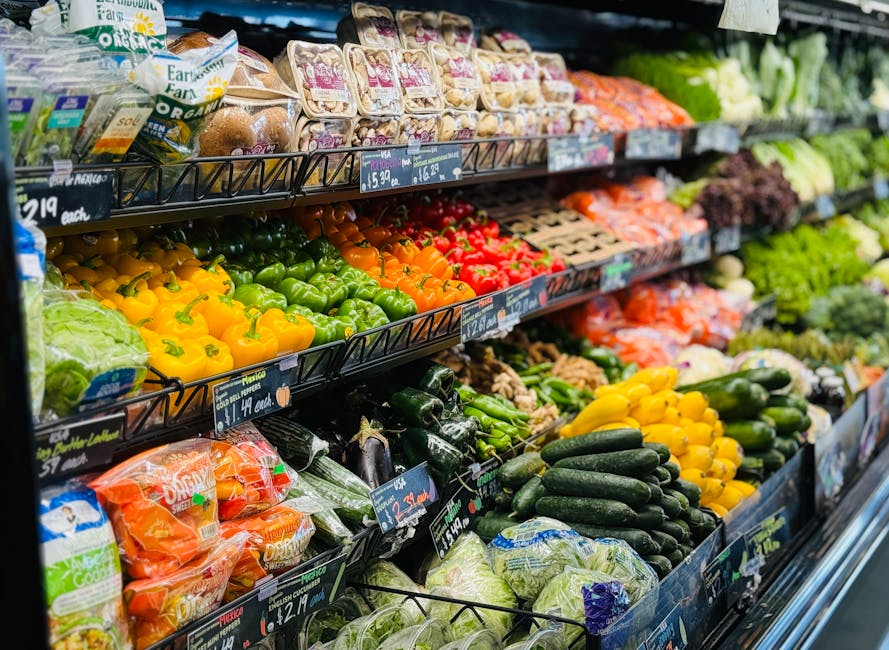
The organic produce section at Costco is the most visible starting point. You will consistently find organic spinach, spring mix, baby carrots, avocados, strawberries, blueberries, apples, and bananas. The sizing is undeniably bulk: a two-pound clamshell of organic spinach or a three-pound bag of organic apples is standard. That means a lower per-unit cost, but it also demands some storage planning. If you cannot use fresh organic berries before they turn, you will need a freezer strategy.
In the dairy cooler, organic milk, half-and-half, eggs, and butter are staples. Costco's organic eggs typically come in 24-count packs, and the organic butter is often sold in a four-pack of one-pound blocks. For families that go through dairy quickly, the savings over grocery store prices are substantial. Organic yogurt, sour cream, and cream cheese also appear regularly, though brand availability shifts by region.
Meat, Poultry, and Seafood

The meat department is where many organic shoppers focus their attention, and Costco delivers. Organic chicken breast is available both fresh and frozen, typically in packs of three to four pounds. Organic grass-fed ground beef comes in a three-pack of one-pound portions, perfect for freezing. Organic lamb makes an appearance, sometimes in the form of a Family Beef and Lamb Box that includes multiple cuts for bulk buyers.
The price premium for organic meat at Costco is real: expect to pay 20 to 40 percent more than conventional equivalents. However, that premium is consistently lower than what you would pay at Whole Foods or a traditional supermarket. Costco's buying power compresses the organic markup, making it possible to feed a family organic protein without blowing the grocery budget.
Pantry Staples and Frozen Foods
The center aisles hold a deep bench of organic pantry items. Organic canned diced tomatoes, black beans, chickpeas, and coconut milk sit alongside organic chicken broth, pasta sauce, and olive oil. Organic quinoa, rice, and oats are available in sizes that make conventional grocery store bags look like samples.
The frozen section is a goldmine for organic shoppers who want convenience without compromise. Frozen organic blueberries, strawberries, mango chunks, broccoli florets, and stir-fry vegetable blends are all standard offerings. Frozen organic fruits and vegetables are flash-frozen at peak ripeness, meaning they are nutritionally comparable to fresh and often cost less per serving. Organic frozen pizzas, burritos, and even cauliflower rice have carved out permanent shelf space.
Dips, Deli Meats, and Prepared Foods
The prepared foods section offers organic hummus, guacamole, and salsa in party-sized containers. Organic deli meats, including roasted turkey and ham, sit alongside organic sliced cheeses for lunchbox assembly. One important clarification: Costco's famous $4.99 rotisserie chicken is not organic and has never been organic. The company has held that price point for years by using conventionally raised birds. If you want a pre-cooked organic chicken option, check the deli case for organic roasted chicken breast or organic pulled chicken, which appear periodically.
Does Costco Have Organic Meat? (Yes, and Here’s What to Look For)
The question "does Costco have organic meat" surfaces constantly in search queries and Reddit threads, and the answer deserves its own spotlight. Yes, Costco carries organic meat across multiple protein categories, and the selection has grown steadily over the past several years.
The most reliable organic meat finds include fresh and frozen organic chicken breast, organic grass-fed ground beef, organic lamb cuts, and organic pork. The Kirkland Signature brand, Costco's private label, has become a major player in the organic meat space. Kirkland Signature organic ground beef and organic chicken breast typically undercut name-brand organic meat by 15 to 25 percent while meeting the same USDA Organic certification standards.
A critical shopping tip: not all meat at Costco is organic, and the packaging can look similar at a glance. You must look for the green and white USDA Organic seal on the label. Conventional meat is still the majority of what Costco sells, and the organic options are often placed in the same refrigerated cases. If you do not see the seal, it is not organic, regardless of terms like "natural," "free-range," or "no antibiotics" on the package. Those claims can be meaningful, but they are not the same as organic certification.
Costco vs. Whole Foods vs. Sam’s Club: Which Is Best for Organic Shopping?
Shoppers comparing warehouse clubs and specialty grocers for organic food have a clear set of trade-offs to consider. The choice depends on your priorities: price, variety, or specialty selection.
Costco vs. Whole Foods
Costco now sells more organic produce than Whole Foods, a fact that upends decades of grocery marketing. Whole Foods built its identity on organic and natural foods, but Costco's sheer volume has overtaken it in total organic sales. Whole Foods still wins on variety within niche categories: if you want organic watercress, organic sheep's milk yogurt, or a specific brand of organic grain-free granola, Whole Foods is your store. Costco wins decisively on price and bulk value. A pound of organic ground beef at Costco typically costs 30 to 40 percent less than the same product at Whole Foods.
The smartest strategy for many households is a split approach. Buy organic pantry staples, meat, dairy, and frozen items at Costco where the bulk savings are dramatic. Visit Whole Foods for specialty organic items you cannot find in warehouse sizes, or for produce you need in smaller quantities to avoid waste.
Costco vs. Sam's Club
When comparing the two major warehouse clubs, Costco holds a clear advantage in organic selection. Sam's Club carries organic meat in a similar range, but its organic produce section is smaller and less consistent. Costco offers more organic dairy, more organic frozen options, and a deeper bench of organic pantry items. Sam's Club may work better for smaller households because its bulk packs are sometimes slightly smaller than Costco's, reducing the risk of spoilage. But for overall organic variety, Costco is the stronger choice.
The Bottom Line for Budget-Conscious Shoppers
Costco delivers the best overall value for organic staples purchased in bulk. A price-per-unit comparison makes this concrete: organic spinach at Costco often runs around $0.25 per ounce, compared to $0.35 to $0.40 per ounce at Walmart or Target. Organic eggs at Costco frequently land under $0.30 per egg, while grocery store organic eggs hover around $0.40 to $0.50. Those differences add up quickly for families buying these items every week.
How to Save Money on Organic Food at Costco (Without Sacrificing Quality)
Shopping organic at Costco is already a cost-saving move compared to other retailers, but a few strategies can stretch your dollar further without compromising on quality.
First, prioritize Kirkland Signature organic products. Costco's private label organic items are often produced by the same manufacturers that make the name-brand versions, but they sell for 20 to 30 percent less. The Kirkland Signature organic maple syrup, organic extra virgin olive oil, and organic chicken stock are standout values that match or beat premium brands in blind taste tests.
Second, lean heavily on frozen organic produce. Frozen organic blueberries, broccoli, and mixed vegetables are just as nutritious as their fresh counterparts because they are frozen within hours of harvest. They cost less per serving, last for months, and eliminate the waste that happens when fresh produce spoils before you can use it.
Third, apply the Dirty Dozen framework to your shopping list. The Environmental Working Group's annual Dirty Dozen list identifies the conventional produce items with the highest pesticide residue: strawberries, spinach, kale, apples, and grapes consistently top the list. Buy these organic. For the Clean Fifteen, items like avocados, sweet corn, and onions that have minimal pesticide residue even when conventionally grown, you can skip the organic premium without much concern.
Finally, resist the lure of organic junk food. Organic cookies, organic potato chips, and organic sugary cereals are still processed foods with minimal nutritional value. The organic label on a snack food does not make it healthy, and those items carry a steep markup at Costco just like everywhere else.
What the Official Costco Organic Page Doesn’t Tell You (And Why This Guide Matters)
If you have ever tried to browse the organic grocery section on Costco's website, you have probably encountered a frustrating experience. The page at costco.com/organic-groceries.html is built with heavy JavaScript that often fails to load properly, leaving shoppers staring at blank sections and spinning loading icons. Search engines struggle to index it, which means even a determined Google search might not surface the full range of what Costco actually sells.
This technical gap means that community-driven resources have become essential. Reddit threads where shoppers share their latest organic finds, Instagram accounts like @costcoorganic dedicated entirely to organic Costco hauls, and independent blog roundups fill the information void that Costco's own website creates. The Costco app is more reliable than the website for checking warehouse inventory, but even the app does not always reflect real-time organic availability. The best strategy is to walk the aisles yourself, check for the USDA Organic seal, and follow the community accounts that track new and seasonal organic items as they appear.
Frequently Asked Questions About Organic Food at Costco
Is all of Costco's produce organic? No. Only items explicitly labeled with the green USDA Organic seal are certified organic. Conventional produce makes up the majority of the section, and the two are typically displayed side by side.
Does Costco carry organic baby food? Yes. Organic baby food pouches and jars from brands like Happy Family and Plum Organics are regularly stocked, often in multi-pack boxes that reduce the per-pouch cost significantly.
Can I buy organic food at Costco without a membership? No. A Costco membership is required for in-warehouse shopping. Non-members can place online orders with a small surcharge, but the organic selection online is more limited than what you will find in person.
Does Costco have organic frozen meals? Yes. Organic frozen pizzas, burritos, vegetable blends, and even organic mac and cheese appear in the freezer aisles. Availability varies by location, but the category has expanded noticeably in 2026.
Final Verdict: Should You Shop Organic at Costco in 2026?
The answer to "does Costco have organic food" is an emphatic yes, backed by billions of dollars in sales and a selection that spans every major grocery category. Costco has earned its position as the largest organic retailer in the United States by making organic food accessible and affordable at a scale no other retailer has matched.
If you are new to organic shopping at Costco, start with Kirkland Signature organic meat and the organic produce items your household uses most. Expand into frozen organic fruits and vegetables, then explore the pantry aisles for organic staples that replace what you already buy. Check your local warehouse for regional organic items: some locations carry organic milk from nearby dairies or seasonal organic fruit from regional growers that never appears on the website. Next time you are at Costco, head straight to the organic section. You might be surprised at what you find.
Discover more from Woganic Blog
Subscribe to get the latest posts sent to your email.