
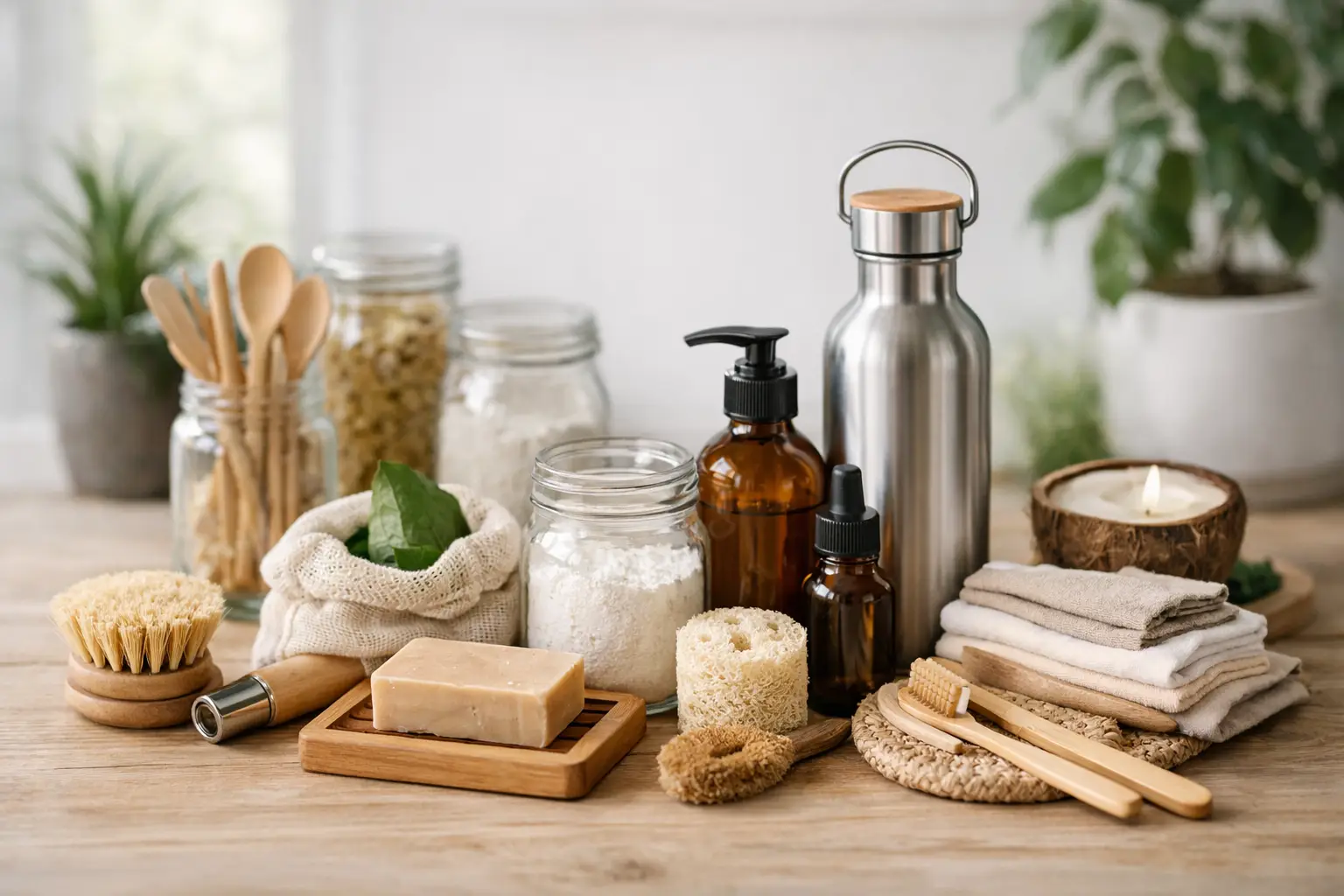
That half-used roll of paper towels, the plastic bottle under the sink, the drawer full of random food bags – most homes are packed with small conveniences that create a lot of waste over time. Eco friendly home products and zero waste living are not about making your life harder. They are about replacing throwaway habits with better choices that feel cleaner, healthier, and more intentional.
For most households, the best place to start is not a dramatic pantry makeover or a picture-perfect mason jar setup. It is the everyday products you touch constantly: dish soap, cleaning sprays, storage containers, paper goods, laundry supplies, and personal care basics. When those items shift toward reusable, low-tox, and longer-lasting options, your home starts working differently. You buy less, toss less, and often end up with a calmer routine.
Why eco friendly home products and zero waste living work together
These two ideas are often treated as separate goals, but they are strongest when paired. Eco-friendly products focus on materials, ingredients, and overall environmental impact. Zero waste living focuses on reducing what goes into the trash. Put them together, and you get a practical framework for shopping with more purpose.
That matters because not every “green” product is automatically low waste. A plant-based cleaner in a single-use plastic bottle may be gentler than a conventional formula, but it still creates packaging waste. On the other hand, a reusable item is not always the greener pick if it is poorly made or difficult to maintain. The sweet spot is finding products that are safe, durable, refillable, compostable, or reusable in a way that fits real life.
This is also where many beginners get stuck. They assume sustainable living means replacing everything at once. Usually, that backfires. The more realistic approach is to use up what you already have, then swap products as they run out. It is easier on your budget, and it avoids turning old purchases into unnecessary waste.
Start where waste shows up every day
The kitchen is often the most effective room to tackle first because it generates a steady stream of disposable items. Paper towels, plastic wrap, sandwich bags, sponges, coffee pods, and takeout containers add up fast. A few thoughtful changes can make a visible difference without requiring a total lifestyle reset.
Reusable cloth towels are a simple example. They will not replace paper towels for every messy job, but they can handle most daily wiping and drying. The same goes for silicone storage bags, glass food containers, and beeswax-style wraps for snacks and leftovers. These swaps are popular for a reason – they are easy to understand and easy to keep using.
Cleaning tools matter too. A plastic sponge that falls apart after a week is cheap at checkout but expensive in waste. Scrub brushes with replaceable heads, cellulose sponges, washable dish cloths, and refillable soap dispensers usually serve you better over time. If you want a greener kitchen, durability matters just as much as ingredients.
The best first swaps are the ones you repeat most
A lot of sustainable advice focuses on trendy products, but frequency is what really counts. If your household does laundry four times a week, your detergent choice matters more than a rarely used specialty cleaner. If you pack lunches daily, reusable snack bags and sturdy containers will have more impact than decorative pantry bins.
That is why it helps to watch your own routines for a few days before shopping. Notice what you throw away most often. Notice which products run out quickly. The smartest swaps are usually hiding in plain sight.
What to look for when shopping eco friendly home products
Packaging gets the most attention, but it should not be your only filter. A product can look earthy and still be disappointing. When you are comparing options, it helps to think in layers.
First, look at materials. Glass, stainless steel, organic cotton, bamboo, natural rubber, and recycled paper can all be useful, but the right choice depends on the item. A glass container is great for food storage, while stainless steel makes more sense for a water bottle that gets dropped. Material alone does not tell the whole story, but it gives you a strong first clue.
Next, check longevity. One well-made product that lasts for years is usually a better investment than several cheap versions that crack, fray, or lose shape. This is especially true for cleaning tools, storage containers, safety razors, mops, and laundry accessories.
Then consider refill systems and end-of-life options. Can the product be refilled instead of replaced? Can the packaging be recycled in your area? Is the item compostable, or will it still end up in landfill after a short useful life? Zero waste living becomes more manageable when those questions are part of your normal shopping habits.
Ingredients matter most for products that touch your skin, dishes, laundry, and indoor air. Many shoppers are not only trying to reduce waste but also cut back on heavy fragrances, harsh chemicals, and unnecessary additives. That wellness angle is important. A greener home often feels better because it reduces both clutter and chemical overload.
The home categories that usually deliver the biggest wins
If you want results you can feel, focus on a few high-impact categories instead of trying to “green” every cabinet at once.
Cleaning supplies are a strong starting point because they are used often and replaced often. Concentrates, refill tablets, and powdered formulas can reduce packaging and save storage space. Pair those with reusable spray bottles and washable cloths, and you immediately cut down on household trash.
Paper products are another obvious area. Recycled toilet paper, unbleached napkins, cloth rags, and reusable mop pads can shrink waste without asking much of you. Some families keep a mix of reusable and disposable options, which is perfectly reasonable. Sustainability does not have to be all or nothing.
Laundry is full of upgrade opportunities too. Wool dryer balls, concentrated detergents, refillable detergent systems, and stain removers with simpler ingredient profiles can make this routine less wasteful. Just remember that not every eco product works the same for every household. If someone in your home has sensitive skin, fragrance-free formulas may matter more than packaging design.
Bathroom products are often overlooked, even though they are full of short-life plastics. Shampoo bars, refillable hand soap, bamboo toothbrushes, safety razors, and plastic-free cotton swabs can all help. That said, convenience and hygiene still matter. The best option is the one your household will actually use consistently.
Zero waste living at home is more about systems than stuff
This is where the conversation gets more honest. Buying greener products can help, but zero waste living is not just a shopping list. It is a set of home systems that make waste less likely in the first place.
Meal planning is one of the biggest examples. If you buy produce with good intentions but throw half of it away, the most sustainable kitchen container in the world will not fix that. Planning realistic meals, storing food properly, freezing extras, and using leftovers well usually prevent more waste than any single product swap.
The same goes for clutter. Many people try to create a sustainable home by purchasing organizers, bins, and accessories they do not really need. A simpler approach is to buy less, choose better, and maintain what you already own. Repairing a loose button, descaling a coffee maker, or replacing a mop head instead of the whole mop may not feel exciting, but it is very much part of zero waste living.
A low-waste home should still feel livable
Perfection is not the goal. Families with young kids, busy work schedules, or limited storage may need flexible solutions. Composting may be realistic for one household and impossible for another. Reusable cloth rounds may be great for skincare, while disposable medical or care items may still be necessary in some homes.
The healthier mindset is progress with context. You do not fail at sustainable living because you use a trash bag or order takeout now and then. What matters is shifting the overall pattern of your home toward less waste and more thoughtful consumption.
How to build better habits without burning out
The easiest sustainable habits are the ones that remove friction. Keep reusable shopping bags in the car. Store food in clear containers so leftovers do not disappear. Set a small bin in the kitchen for compostables if your area supports composting. Refill soaps before they are completely empty so you are not forced into a rushed purchase.
It also helps to swap in stages. Pick one category per month, such as dishwashing or laundry, and improve that area before moving on. That pace keeps costs manageable and gives you time to notice what actually works. Woganic’s style of practical, product-aware living fits this approach well because it meets people where they are, not where an idealized eco checklist says they should be.
A greener home rarely changes overnight. It changes when one better bottle, one reusable cloth, one smarter refill, and one less impulsive purchase start becoming normal. If your next household buy helps you create less waste and feel better using it, that is a meaningful step worth keeping.
Discover more from Woganic Blog
Subscribe to get the latest posts sent to your email.