
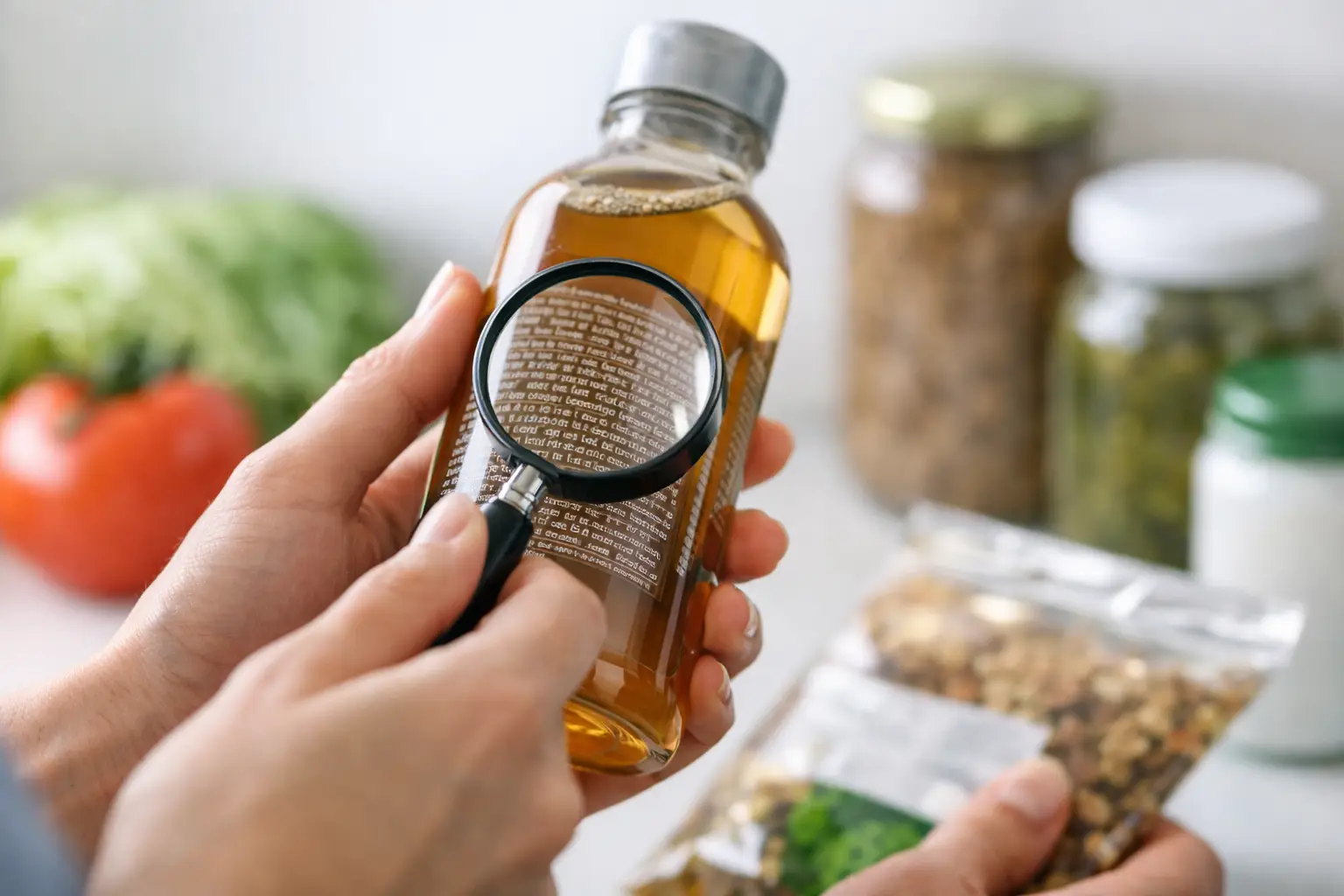
You pick up a loaf of bread, a face cream, or a bottle of laundry detergent because the front label looks promising – organic, natural, clean, gentle. Then you turn it over and hit a wall of tiny print and unfamiliar words. If you have ever wondered how to read ingredient labels without feeling overwhelmed, the good news is that you do not need a chemistry degree to shop smarter.
The real skill is knowing what deserves your attention first. Ingredient labels can tell you a lot about product quality, how processed something is, and whether it aligns with your health and sustainability goals. They can also be a little slippery. Marketing claims on the front often sound reassuring, while the ingredient panel on the back tells the fuller story.
How to read ingredient labels without overthinking it
Start with the order of ingredients. In most packaged products, ingredients are listed from highest amount to lowest amount. That means the first few ingredients matter the most because they make up the bulk of what you are buying.
If a cereal says it is made with whole grains but sugar is listed before oats, that is useful context. If a moisturizer highlights aloe or botanical oils on the front, but those ingredients appear near the bottom after fillers and synthetic fragrance, you are getting a very different product than the packaging suggests.
This one habit alone can change the way you shop. Instead of focusing on a single buzzword, look at the top three to five ingredients and ask whether they match the product’s promise.
The shorter list is not always better
A short ingredient list can be a helpful sign, especially for foods and simple household staples. But shorter does not automatically mean healthier, safer, or more effective. Some products need stabilizers or preservatives to stay safe and usable. A jar of nut butter may do great with just peanuts and salt, while a natural lotion may need more support to prevent spoilage.
The better question is whether the ingredients make sense for the product category. A simple soup should not read like a science project. A sunscreen, on the other hand, will naturally have a more complex formula.
Look for recognizable structure, not just recognizable words
It is easy to assume that if you cannot pronounce an ingredient, it must be bad. That is not always true. Many vitamins, minerals, and plant-derived ingredients have scientific names. Tocopherol is vitamin E. Sodium bicarbonate is baking soda.
Instead of using pronunciation as your test, look for pattern and purpose. Is the label built around whole-food ingredients, plant oils, minerals, and clearly identified functional ingredients? Or is it packed with vague terms, added sweeteners, artificial colors, and filler ingredients that do not seem necessary?
What to check first on food labels
With food, the ingredient list often gives better insight than the nutrition panel alone. Two products can have similar calories, fat, or protein, but very different ingredient quality.
Whole foods should usually appear early in the list. Think oats, brown rice, almonds, tomatoes, olive oil, beans, or spices. If the first several ingredients are refined flours, syrups, isolates, or additives, the product is likely more processed.
Added sugar deserves special attention because it hides under many names. Cane sugar, brown rice syrup, malt syrup, dextrose, fruit juice concentrate, agave, and evaporated cane juice all contribute sweetness. A product may look lower in sugar at first glance simply because that sugar is split into several forms throughout the list.
Sodium is another area where labels can be misleading. A savory snack may not taste especially salty, but ingredients like sodium phosphate, monosodium glutamate, baking soda, and preservatives can add up. If you are trying to make cleaner pantry choices, compare similar items side by side. The contrast is often surprising.
Organic, natural, and non-GMO do not mean the same thing
These claims are often grouped together in shoppers’ minds, but they tell you different things. Organic refers to how ingredients are grown and produced under a specific certification standard. Non-GMO means ingredients are not genetically modified, but that does not say much about processing or pesticide use. Natural is the loosest term of all and can mean very little in practice depending on the category.
That does not mean these terms are useless. They can be part of a good product. But they should be the starting point, not the reason you stop reading.
How to read ingredient labels on skincare and personal care
Personal care labels can feel more intimidating because the language is more technical. Still, the same rule applies: read from the top down.
In skincare, the first several ingredients usually shape the texture and performance of the formula. Water is often first, which is completely normal. After that, look for the ingredients the product is really built around, such as plant oils, glycerin, shea butter, aloe vera, zinc oxide, or active ingredients like niacinamide.
Fragrance is one of the biggest watch-outs for people with sensitive skin. On labels, it may appear simply as fragrance or parfum. That single word can represent a mixture of many compounds, and brands are not always required to list each one individually. For some people, this is no issue. For others, especially those with eczema, rosacea, allergies, or headaches triggered by scent, it can be a deal-breaker.
Preservatives are a more nuanced category. Many shoppers want to avoid harsh additives, but preservatives also help prevent mold and bacteria growth in water-based products. That is especially relevant if you are choosing cleaner beauty items and expect them to remain safe in a humid bathroom. Here, balance matters more than fear.
Watch for greenwashing in beauty and body care
A label that says botanical, toxin-free, or dermatologist tested may sound comforting, but those claims do not always tell you much about what is inside. Turn the package over and see whether the featured ingredients are actually present in meaningful amounts.
If a shampoo is marketed around coconut and argan oil, but the formula starts with harsh detergents and those oils appear near the very end, the product may not deliver the nourishing feel you expect. A truly thoughtful formula usually makes its key ingredients easy to find.
Household products deserve the same attention
Ingredient transparency matters beyond food and skincare. Cleaners, detergents, candles, and air fresheners all affect your home environment, especially if you are trying to reduce chemical exposure.
This category can be tricky because disclosure rules are not always as straightforward. Some brands list every ingredient clearly, while others rely on broader terms. When possible, look for brands that identify what they use and why. A simple ingredient list with plant-based surfactants, essential oils, mineral-based cleaning agents, or clearly named preservatives is often easier to trust than one built around vague language.
Scented products are worth a second look. If you are creating a greener home, fragrance-heavy cleaners and air products can quietly add a lot of unnecessary exposure. Unscented or lightly scented options can be a practical shift, especially in small spaces or homes with kids and pets.
A smart label-reading mindset
The healthiest way to approach labels is with curiosity, not perfectionism. Not every unfamiliar ingredient is harmful, and not every natural ingredient is gentle. Poison ivy is natural. So is lavender oil, which many people love and some people cannot tolerate. Context always matters.
It also helps to shop by category instead of expecting one universal rule. For packaged food, fewer processed ingredients is often a strong goal. For skincare, stability and skin compatibility matter just as much. For household cleaners, transparency and lower-fragrance formulas may be more useful than chasing the most minimal label possible.
As you practice, certain ingredients and patterns will become familiar. You will start spotting added sugars faster, recognizing common preservatives, and noticing when front-label claims do not match the ingredient list. That is when shopping gets easier and more empowering.
How to read ingredient labels and make better swaps
If you want to put this into action, start small. Pick one area of your routine – breakfast foods, body lotion, dish soap, or pet treats – and compare the labels on what you already use. Ask simple questions. What are the first five ingredients? Are there fillers, fragrance, or sweeteners you would rather avoid? Does the product’s marketing match its formula?
You do not need to replace everything at once. A few better swaps can make your routine feel cleaner, more intentional, and more aligned with the kind of home you want to create. That is where ingredient awareness becomes less about restriction and more about choosing products that truly support your health, your values, and the everyday rhythm of greener living.
The more often you read labels, the less mysterious they become – and that small habit can lead to much wiser choices in every aisle of the store.
Discover more from Woganic Blog
Subscribe to get the latest posts sent to your email.