
The recycling bin is overflowing, lunchboxes are missing lids again, and someone left every light on upstairs. Family life is busy, which is exactly why sustainable living tips for families need to be practical, not perfect. The good news is that a greener home usually starts with a few repeatable habits that lower waste, reduce chemical exposure, and often save money at the same time.
For most households, the biggest shift is not buying a whole new lifestyle overnight. It is choosing better defaults. When the healthier, lower-waste option becomes the easiest option, sustainable living stops feeling like one more thing on your list and starts feeling like a natural part of home life.
Why sustainable living works best in small family routines
Families have a lot of moving parts, so all-or-nothing thinking rarely lasts. A kitchen stocked with reusable containers matters more than an occasional zero-waste weekend. A simple refill station under the sink does more than a burst of motivation that fades after two days.
This is also where the health piece matters. Many parents are not only trying to reduce trash. They are also looking for cleaner ingredients, fewer synthetic fragrances, and everyday products that feel safer for kids, pets, and the people using them every day. That wider view makes sustainability feel more relevant because it connects directly to comfort, wellness, and household spending.
Sustainable living tips for families that actually stick
Start with your highest-waste zone
Most homes have one area that creates a surprising amount of waste. Usually it is the kitchen, but sometimes it is the laundry room, bathroom, or the stream of school and sports gear coming in and out each week. Instead of trying to fix everything at once, focus on the zone where change will be easiest to notice.
In the kitchen, that might mean replacing paper towels with washable cloths for everyday messes and using durable food containers instead of disposable bags. If your family relies on convenience snacks, buy larger sizes when it makes sense and portion them into reusable containers. It is not always the perfect zero-packaging answer, but it can still reduce waste significantly.
Rethink what “convenient” looks like
A lot of unsustainable habits survive because they are fast. Families need solutions that respect real schedules. The trick is to make eco-friendly choices just as easy.
Keep reusable water bottles where kids can grab them. Store cloth shopping bags in the car, not in a closet you forget about. Set up a bin for clean lunch containers near the lunch-packing area. If composting is part of your plan, use a countertop container that is simple to empty and clean. Convenience drives consistency.
Buy fewer products with more purpose
One of the easiest ways to make your home more sustainable is to edit down the number of items you bring in. This applies to cleaning supplies, personal care, toys, and even pantry staples. Many households end up with duplicates, single-use gadgets, and products that solve very narrow problems.
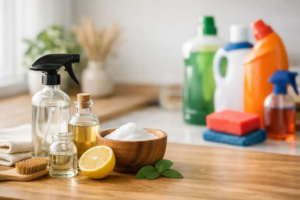
Look for versatile essentials with transparent ingredients and durable packaging. A concentrated cleaner, a gentle castile soap, or a refillable glass spray bottle can replace a surprising number of one-off products. Fewer items mean less clutter, fewer plastic containers, and less money tied up in purchases that barely get used.
Choose reusables where they lower stress
Reusable swaps work best when they fit your routine. Stainless steel snack containers, silicone storage bags, washable napkins, and durable lunch gear can make school days feel more organized, not less. The right reusable item is one that holds up well, cleans easily, and saves repeated trips to the store.
That said, there are trade-offs. Some reusable products require more water and effort to maintain, and some families simply do not have the bandwidth for every swap. It is fine to prioritize the changes that deliver the most benefit with the least friction.
Make food planning part of your sustainability strategy
Food waste is one of the most overlooked household issues. It costs money, wastes resources, and creates unnecessary trash. A loose meal plan can help more than a strict system that nobody follows.
Try planning around what needs to be used first, not just what sounds good. Keep a visible spot in the fridge for produce, leftovers, and open items that should be eaten soon. Freeze extra soup, chopped fruit, bread, or cooked grains before they turn into waste. Families often think sustainability starts at the store, but it often begins with what gets eaten after the groceries come home.
Upgrade your cleaning routine with healthier basics
Many people come to sustainability through health concerns, especially around indoor air quality and chemical exposure. Switching to gentler household cleaners can support both goals. Fragrance-heavy products, disposable wipes, and harsh specialty cleaners are common places to simplify.
Look for formulas with clear ingredient information and reusable or refill-friendly packaging when possible. Microfiber or cotton cleaning cloths can replace a lot of disposable paper use. If someone in your household has sensitivities, unscented options may be the better choice. Cleaner does not have to smell strong to work well.
Energy and water habits that matter more than you think
Some of the most effective sustainable living tips for families are not glamorous, but they pay off month after month. Small energy and water habits can be surprisingly powerful when multiple people share one home.
Laundry is a great example. Washing with cold water, running full loads, and skipping the dryer when weather allows can reduce energy use without making life harder. In the bathroom, shorter showers and turning off the tap while brushing teeth are simple changes kids can learn early. In shared spaces, switching to LED bulbs and using power strips for electronics can trim everyday waste without much effort.
If budget allows, investing in durable upgrades such as insulated water bottles, quality cookware, or efficient appliances can support sustainability over time. But if your budget is tight, behavior changes still count. Good habits are often more impactful than expensive green purchases that do not match your real needs.
Teach kids through participation, not pressure
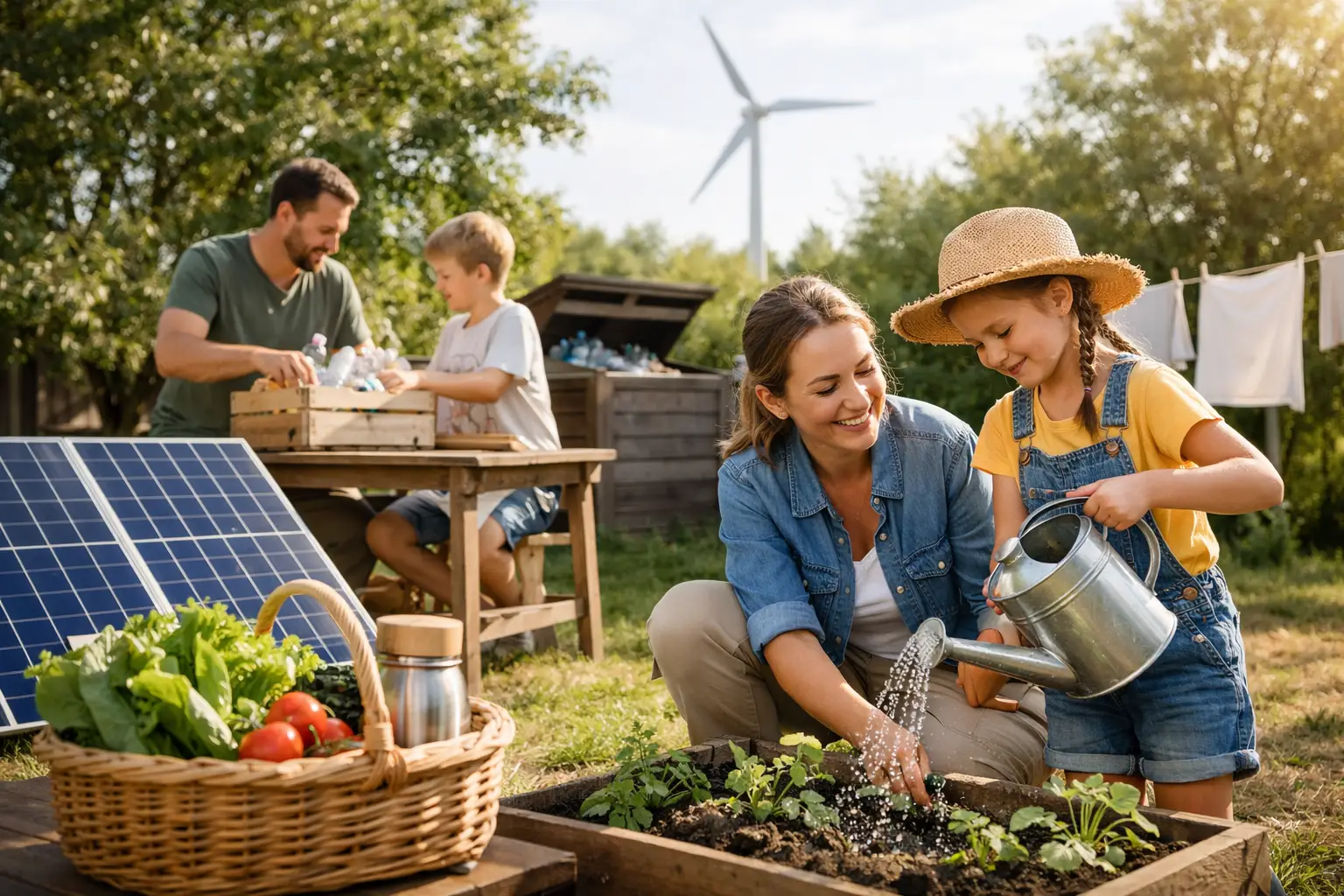
Children are more likely to care about sustainable habits when they feel included rather than corrected all the time. Instead of turning every choice into a lesson, give them jobs they can own. One child can check lights before bedtime. Another can help sort recycling, refill water bottles, or choose produce at the store.
It also helps to frame sustainability in positive terms. Talk about caring for the home, keeping air and water cleaner, and making thoughtful choices with the things you buy. Fear-based messages can be overwhelming, especially for younger kids. Simple actions with visible results tend to build confidence.
Expect inconsistency. Kids forget reusable bottles. Adults forget reusable bags. That does not mean the habit is failing. It means your household is normal.
Shop with a “better, not perfect” mindset
Families often get stuck because sustainable shopping can feel confusing. Labels overlap, greenwashing is real, and organic or eco-friendly products sometimes cost more. The easiest way through is to focus on a few trusted markers: ingredient transparency, durable design, less packaging, refill options, and products you will genuinely use.
You do not need the most expensive version of everything. Sometimes the better choice is a secondhand item, a concentrated refill, or one high-quality product that lasts instead of three cheap replacements. In other cases, the best move is using what you already have until it needs replacing. Sustainability is not helped by throwing away serviceable products just to buy greener ones.
This is especially true with family essentials like lunch gear, bedding, cleaning tools, and pantry storage. Thoughtful replacement beats trend-driven shopping every time.
Build a home system that supports your values
The most lasting changes are the ones your household barely has to think about. Keep a donation bin where clutter naturally collects. Create one shelf for low-waste lunch supplies. Store bulk dry goods in clear containers so you know what you have. Keep natural hand soap and everyday cleaning staples where they are easy to refill.
If you are trying to create a healthier home environment, look at the repeated purchases first. Paper goods, cleaning products, plastic food storage, bottled drinks, and impulse convenience items usually offer the clearest opportunities for improvement. Woganic’s approach to everyday organic living fits here – simple product choices, repeated consistently, can change the feel of a home without making life complicated.
A sustainable family lifestyle does not need to look picture-perfect to be meaningful. If your home is a little less wasteful, a little less toxic, and a little more intentional this month than it was last month, that is real progress worth keeping.
Discover more from Woganic Blog
Subscribe to get the latest posts sent to your email.