

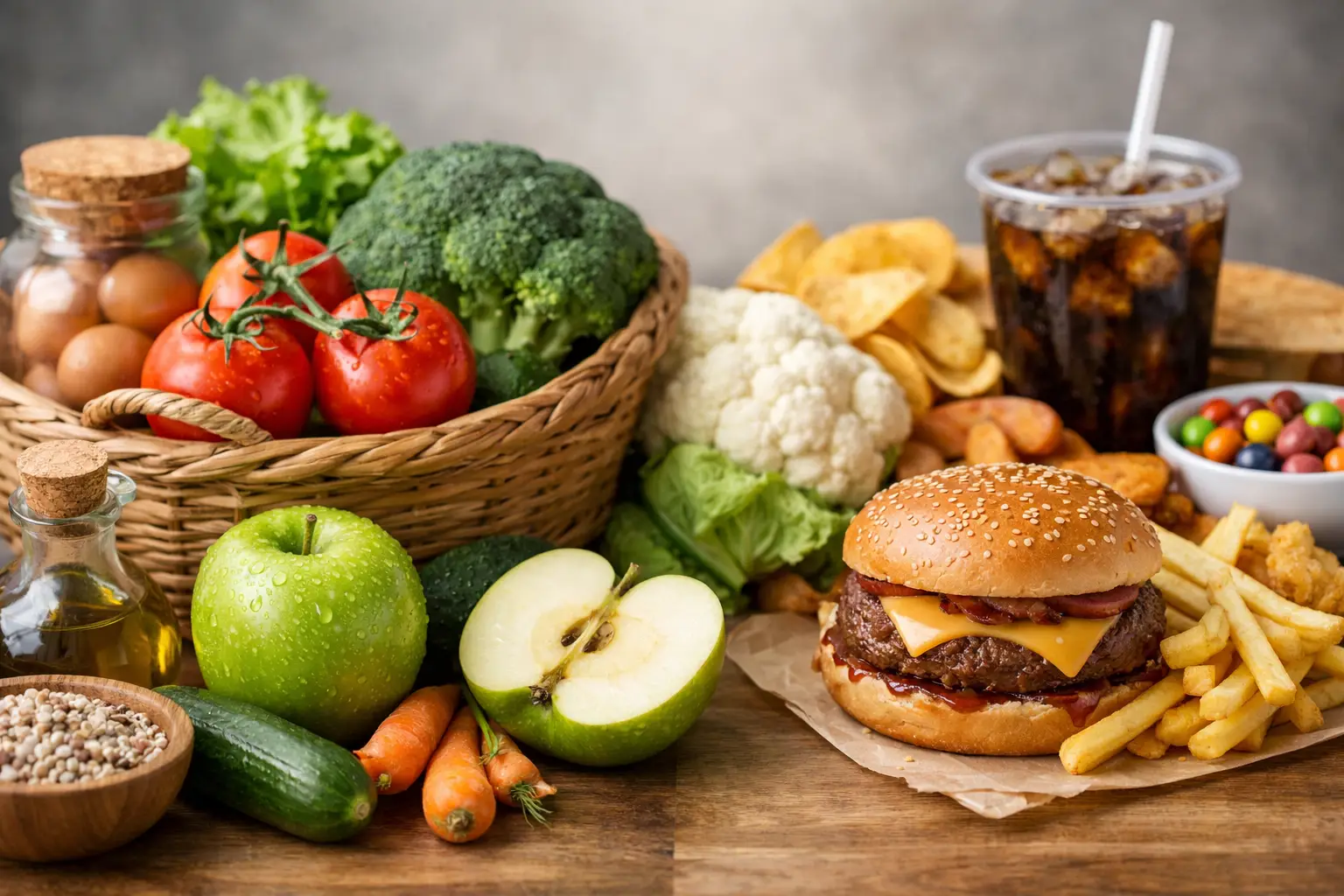
If you’ve ever stood in the grocery aisle holding two cartons of strawberries – one organic, one conventional – and wondered, is organic bad for you, you’re asking a smarter question than it might seem. Organic gets marketed as the cleaner, better-for-you option, but that doesn’t make every organic product healthy, safer in every situation, or worth the higher price. The real answer is more balanced, and honestly, more useful.
For most people, organic food is not bad for you. In many cases, it can be a solid choice if you want to reduce exposure to certain synthetic pesticides, support soil-focused farming practices, or prioritize ingredient transparency. But the word organic can also create a health halo that makes sugary cereals, snack foods, and highly processed products seem healthier than they really are. That’s where confusion starts.
Is organic bad for you, or just misunderstood?
Organic is often treated like a wellness shortcut. If something is organic, people may assume it is automatically more nutritious, less processed, and safer in every possible way. That isn’t quite how it works.
In the US, organic certification refers to how ingredients are grown and produced. It generally means farmers and producers follow standards around synthetic pesticides, fertilizers, antibiotics, genetically modified organisms, and animal-raising practices. Those standards matter, especially if you’re trying to make more intentional choices for your home and family. But organic says more about production methods than it does about the full health profile of a product.
An organic cookie is still a cookie. Organic cane sugar is still sugar. Organic chips are still chips. If a product is high in sodium, added sugar, or refined flour, the organic label doesn’t cancel that out.
What organic can do well
One reason organic appeals to health-conscious shoppers is that it can lower exposure to certain pesticide residues. For families trying to reduce chemical inputs where they reasonably can, that benefit matters. It may feel especially relevant when shopping for produce your kids eat often, foods with edible peels, or pantry staples you use every day.
Organic farming can also align with broader values beyond personal health. Many shoppers care about soil health, biodiversity, animal welfare, and water quality. Choosing organic can be part of a greener lifestyle, not just a nutrition decision.
Some people also prefer organic dairy, meat, and eggs because of the standards around feed and the restricted use of antibiotics and synthetic hormones in certain contexts. If your goal is a more natural household and food routine, organic can fit well into that picture.
That said, benefits are not always dramatic or universal. Organic produce is still produce, and conventional produce is still far better than skipping fruits and vegetables altogether. If your budget is tight, eating more plants matters more than making every item organic.
Where organic can be less helpful than people think
The biggest issue with organic isn’t that it’s harmful. It’s that the label can distract from the basics of healthy living.
A packaged snack labeled organic can still be ultra-processed. An organic fruit gummy can still be mostly sugar. An organic frozen meal can still be high in sodium and low in fiber. If you’re trying to support long-term wellness, the ingredient list and nutrition panel still deserve your attention.
There is also the price factor. Organic items often cost more, sometimes a lot more. For some households, that extra cost creates stress or leads to buying fewer fresh foods overall. That’s not a win. A realistic approach is often better than an all-or-nothing one.
Freshness can vary too. Organic products may have a shorter shelf life because they are produced with fewer preservatives or different handling methods. That isn’t inherently bad, but it can mean more food waste if you buy aspirationally instead of practically.
Can organic food ever be bad for you?
Yes, but usually for the same reasons any food can be bad for you. If you have an allergy, sensitivity, or medical condition, organic does not make that ingredient safer for your body. Organic milk can still be a problem for someone with a dairy allergy. Organic peanuts are still peanuts. Organic wheat still contains gluten.
Food safety matters too. Organic does not mean free from bacteria, spoilage, or contamination. Produce still needs washing. Meat still needs proper storage and cooking. Raw organic products can still carry foodborne illness risk.
There are also a few edge cases worth knowing. Some organic products use natural additives, sweeteners, or flavorings that may still bother sensitive individuals. Natural isn’t always gentler for every body. People with digestive issues, histamine intolerance, or ingredient-specific sensitivities may react to an organic product just as they would a conventional one.
So if you’re asking whether organic can be bad for you, the honest answer is yes in specific situations – but not because organic itself is dangerous. It’s because your personal health needs, the food’s processing level, and basic food safety still matter.
Is organic healthier than conventional?
Sometimes, but not always in a way that changes your daily life dramatically.
Some studies suggest organic foods may contain slightly different nutrient levels or lower pesticide residues. But the nutritional gap between organic and conventional foods is often smaller than marketing makes it seem. The bigger difference usually comes from what you eat consistently, not whether every item carries an organic seal.
A bowl of oatmeal with fruit is a nourishing breakfast whether the oats and berries are organic or conventional. A highly processed breakfast bar is still less satisfying and often less nutrient-dense, even if it’s organic.
That’s why the healthiest shopping mindset is not organic versus conventional. It’s whole and minimally processed more often, with organic used strategically when it fits your budget and values.
How to shop organic without falling for the health halo
If you want organic living to feel practical instead of overwhelming, focus on a few smart filters.
Start with the foods and products you use most. If your family goes through berries, apples, leafy greens, milk, eggs, or oats every week, those may be meaningful places to buy organic first. Repeated exposure and repeated use often matter more than occasional purchases.
Next, look beyond the front label. Check ingredients, added sugar, sodium, oils, and overall processing level. A short ingredient list with recognizable foods usually tells you more than a big organic banner across the package.
It also helps to think across your whole household. For many Woganic readers, organic choices are not limited to food. Skincare, bedding, cleaning staples, and even pet products can all be part of reducing unnecessary chemical exposure at home. The same principle applies: organic can be a helpful signal, but it should not replace reading labels and understanding what you’re actually bringing into your space.
A more balanced way to think about organic
Organic works best when it’s treated as one useful tool, not a purity test. It can help you align your spending with your health goals and environmental values. It can make you feel better about certain purchases. It can also be worth skipping when the premium price doesn’t match the benefit for your household.
For beginners, the pressure to do organic perfectly can become its own barrier. You don’t need an all-organic pantry, bathroom, and laundry room to make meaningful progress. A few thoughtful swaps are enough to move in a healthier direction.
If organic produce helps you feel good about what your family is eating, great. If conventional frozen vegetables fit your budget and reduce waste, that’s great too. If an organic snack still tastes like dessert, enjoy it for what it is instead of pretending it’s a health food.
The best choices are usually the ones you can sustain. That means buying foods you’ll actually eat, products you’ll actually use, and options that support your wellness without draining your time or money.
Organic is not bad for you. The bigger risk is believing the label tells you everything. When you pair organic choices with common sense, label reading, and a little flexibility, you end up with something much more valuable than a trend – a lifestyle that feels cleaner, calmer, and easier to keep.


Leave a Reply
Your email is safe with us.