

Chronic inflammation sits at the root of many serious health conditions, heart disease, type 2 diabetes, arthritis, and several autoimmune disorders. Medications can help manage symptoms, but a growing body of research points to something more fundamental: what you eat matters. The connection between a plant-based diet and inflammation has become one of the most studied areas in nutritional science, and the findings are hard to ignore. Whole, plant-derived foods contain compounds that actively reduce inflammatory markers in the body, offering a practical path toward better long-term health.
But how strong is the evidence, really? And does "plant-based" mean you need to go fully vegan, or can a flexible approach still make a difference? These are fair questions, especially when health claims online tend to outpace the actual science. The truth is more nuanced, and more encouraging, than most headlines suggest. Understanding the mechanisms behind plant foods and inflammation gives you real tools to make informed choices about your diet.
At Worganic Foods, we believe that choosing organic, whole-food ingredients is one of the most direct steps you can take toward reducing inflammation naturally. This article breaks down what current research tells us about plant-based eating and its effects on systemic inflammation, covers the specific nutrients and compounds involved, and addresses common questions about getting started, whether you’re dealing with a chronic condition or simply looking to feel better day to day.
Why inflammation matters for long-term health
Inflammation is your body’s built-in defense system. When you cut your finger or catch a cold, immune cells flood the affected area, releasing chemicals that trigger redness, swelling, and heat. That response is helpful in the short term. The problem starts when inflammation does not switch off and becomes a persistent, low-grade state that runs quietly in the background for months or years.
Acute vs. chronic inflammation
Acute inflammation is short-lived and purposeful. Your body detects a threat, mounts a response, and resolves it within days. Chronic inflammation, on the other hand, keeps your immune system in a constant state of low alert even when no real threat exists. This sustained activation gradually damages tissues, disrupts hormones, and interferes with normal cellular function. Researchers at the National Institutes of Health have consistently linked this persistent state to a wide range of serious conditions.
Chronic inflammation does not always produce obvious symptoms, which is part of what makes it so damaging over time.
The diseases tied to chronic inflammation
Heart disease, type 2 diabetes, rheumatoid arthritis, and certain cancers all share chronic inflammation as a common underlying factor. Elevated levels of inflammatory markers like C-reactive protein (CRP) and interleukin-6 (IL-6) consistently appear in people with these conditions, and researchers use them as measurable indicators of how active systemic inflammation actually is. Your diet plays a direct role in keeping these markers elevated or driving them down over time.
This is where the plant based diet and inflammation connection becomes clinically relevant. Studies consistently show that people who eat diets rich in whole plant foods carry lower levels of CRP and other inflammatory biomarkers compared to those eating diets high in processed foods and animal fats. Understanding this link matters because it positions dietary change as a genuine tool for reducing disease risk, not just a passing wellness trend.
What a plant-based diet means in real life
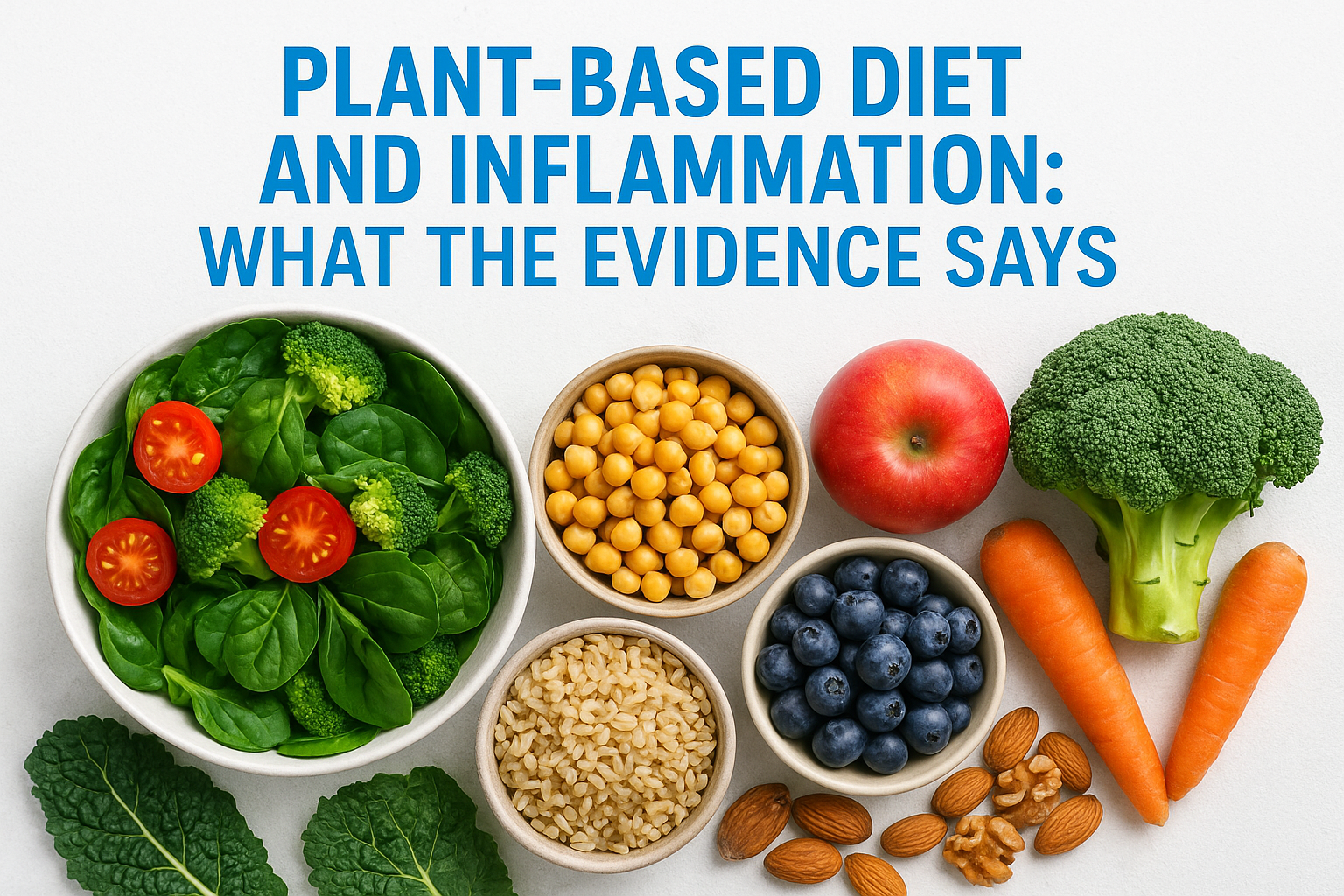
The term "plant-based" gets used loosely, and that confusion stops a lot of people from starting. A plant-based diet does not automatically mean vegan or vegetarian. It simply means that whole plants form the majority of what you eat: vegetables, fruits, legumes, whole grains, nuts, and seeds. Animal products may still appear on your plate, but they take a back seat to plant foods.
You do not have to overhaul your entire diet overnight to see a real difference in how your body responds.
Flexible approaches still count
Research on the plant based diet and inflammation consistently includes people who eat mostly, not exclusively, plant foods. Patterns like the Mediterranean diet fall into this category and still show significant reductions in inflammatory markers. What matters more than strict labels is the overall shift away from processed foods, refined sugars, and excess saturated fat toward fiber-rich whole foods.
Foods that form the foundation
Your day-to-day choices are where the real impact happens. The core of a plant-based approach includes:

- Dark leafy greens like spinach, kale, and Swiss chard
- Legumes such as lentils, chickpeas, and black beans
- Whole grains including quinoa, oats, and brown rice
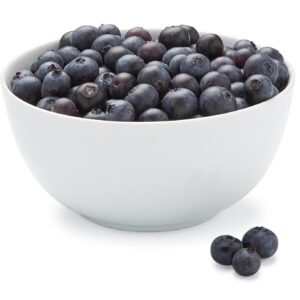
- Berries and other fruits rich in antioxidants
- Nuts and seeds high in healthy fats
These foods deliver the fiber, vitamins, and phytonutrients your body needs to keep inflammation in check on a daily basis.
What the research says about plant-based diets
The evidence linking plant-based eating to reduced inflammation has grown substantially over the past two decades. Researchers have tested this connection using both clinical trials and large observational studies, and the results consistently point in the same direction: people who eat more whole plant foods carry lower levels of key inflammatory markers. Understanding what that evidence actually shows helps you make more confident decisions about your own diet.
Clinical trials and observational findings
Several randomized controlled trials have demonstrated that switching to a plant-rich diet measurably reduces CRP levels within weeks. A review published through the National Institutes of Health analyzed multiple studies and found that plant-based dietary patterns lowered CRP by an average of 32% compared to control diets. These are not marginal changes; they represent meaningful reductions in your body’s overall inflammatory burden.
The plant based diet and inflammation connection has moved from theoretical to clinically supported, backed by consistent findings across multiple study designs.
What the biomarkers show
Observational data from large population studies reinforces what the trials demonstrate. People following predominantly plant-based diets consistently show lower concentrations of IL-6, TNF-alpha, and CRP, three of the most widely tracked inflammatory markers in clinical research. Fiber intake appears to be one of the primary drivers behind these results, as higher fiber consumption directly correlates with reduced systemic inflammation across multiple independent studies.
How plant-forward eating may lower inflammation
Plant foods work through several distinct biological pathways to reduce inflammation, and understanding those mechanisms helps explain why the diet change produces measurable results in clinical settings. The benefits are not simply about cutting out harmful foods; they come from actively supplying your body with compounds that regulate immune activity and dampen inflammatory signaling at the cellular level.
Fiber feeds your gut microbiome
Your gut microbiome plays a central role in controlling systemic inflammation. When you eat high-fiber plant foods, beneficial gut bacteria ferment that fiber and produce short-chain fatty acids, particularly butyrate. These fatty acids signal your immune system to dial back inflammatory responses throughout the body. A plant based diet and inflammation research consistently links higher fiber intake to lower CRP and IL-6 levels, and gut microbiome composition is a primary reason why.

The connection between fiber, gut bacteria, and inflammation explains why whole food sources consistently outperform fiber supplements in research outcomes.
Antioxidants neutralize inflammatory triggers
Plants produce thousands of phytochemicals and antioxidants, including polyphenols, flavonoids, and carotenoids, that directly counteract oxidative stress. Oxidative stress is one of the key drivers of chronic inflammatory activation. Compounds like quercetin in onions, lycopene in tomatoes, and curcumin in turmeric have each shown anti-inflammatory effects in controlled studies. Eating a wide variety of colorful plant foods gives your body a broad toolkit of these protective compounds daily.
How to eat plant-based for lower inflammation
Putting a plant based diet and inflammation reduction into practice does not require a complete lifestyle overhaul. Small, deliberate changes to your daily meals build real momentum, and the research supports incremental shifts just as much as it supports full dietary transitions. Start with what you already eat and look for places to add more whole plant foods rather than focusing solely on what to remove.
Start with swaps, not overhauls
Replacing one or two common meals with plant-centered versions is one of the most effective entry points. Swap refined grains for whole grains, use legumes in place of processed meat a few times per week, and add a handful of leafy greens to meals you already enjoy. These kinds of targeted substitutions lower your overall inflammatory load without demanding an entirely new relationship with food.
Consistency over weeks and months produces better results than a brief, rigid elimination phase.
Build your plate around anti-inflammatory staples
Your grocery list shapes your inflammation levels more than any single meal does. Prioritizing these foods regularly gives your body a consistent supply of the compounds it needs:
- Berries, leafy greens, and cruciferous vegetables like broccoli and cauliflower
- Legumes and whole grains for fiber and sustained energy
- Walnuts, flaxseeds, and olive oil as primary fat sources
- Herbs and spices such as turmeric and ginger for additional phytonutrient support
Building meals around these staples turns anti-inflammatory eating into a daily habit rather than an occasional effort.

Key takeaways
The evidence connecting plant based diet and inflammation is consistent and clinically meaningful. Whole plant foods reduce key inflammatory markers like CRP and IL-6 through multiple pathways, including fiber-fed gut bacteria, antioxidant activity, and a favorable omega-3 to omega-6 ratio. You do not need to eat exclusively vegan to benefit. Shifting the majority of your meals toward vegetables, legumes, whole grains, and healthy fats produces real, measurable changes in your body’s inflammatory activity over time.
Starting small works. Replacing processed staples with whole plant foods a few times per week builds the kind of consistent habit that delivers long-term results. Your grocery list is your most powerful tool for managing systemic inflammation, and every meal is an opportunity to move in a better direction. If you are ready to take the next step, explore organic, whole-food ingredients at Worganic Foods and put these principles into daily practice.
Discover more from Woganic Blog
Subscribe to get the latest posts sent to your email.




Leave a Reply
Your email is safe with us.