
You spent Sunday afternoon cooking, portioning, and stacking containers, but by Wednesday you’re staring at that chicken and wondering if it’s still safe to eat. Knowing how long does meal prep last is the difference between eating well all week and risking a foodborne illness. It’s also one of the most common questions we hear from readers at Worganic Foods who are switching to whole, organic ingredients and want to get the most out of every grocery haul.
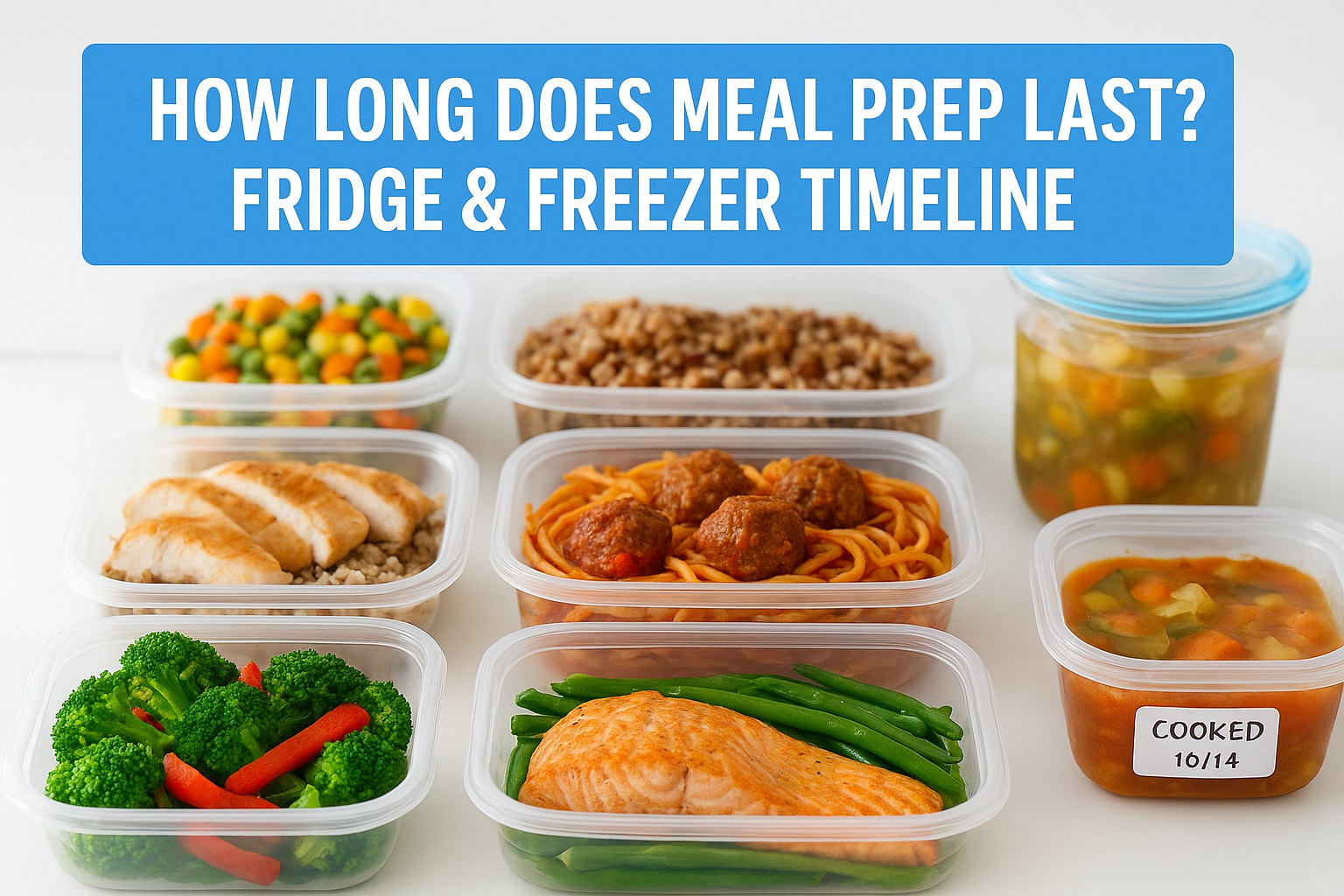
The short answer: most refrigerated meal preps stay safe for three to four days, while freezing can extend that window to two or three months depending on the ingredients. But the details matter, proteins, grains, and vegetables all follow different rules.
This guide breaks down exact fridge and freezer timelines for common meal prep components, covers storage best practices, and gives you a clear plan for prepping an entire week of food without waste or worry.
Why meal prep shelf life matters
Understanding how long meal prep lasts isn’t just a convenience question; it’s a food safety issue. Bacteria like Salmonella and Listeria can grow in cooked food left in the fridge too long, and they don’t always produce obvious warning signs like a bad smell or visible mold. You can have a container that looks completely fine but still carries enough bacteria to make you seriously ill.
The food safety risk is real
The USDA recommends keeping cooked food out of the “danger zone,” which sits between 40°F and 140°F. Within that range, bacteria can double in as little as 20 minutes. Every time you open your fridge, pull out a container, or leave food on the counter to reheat, you give bacteria an opportunity to multiply.
Cooked food that sits above 40°F for more than two hours enters the danger zone, and the risk compounds with each passing hour.
Knowing your storage timelines lets you plan shopping, cooking, and eating schedules so nothing sits in the fridge past its safe window.
Why organic ingredients need the same attention
Some readers assume that organic or natural foods last longer because they’re less processed or free from synthetic preservatives. That assumption is incorrect. Organic chicken, grass-fed beef, and fresh produce all follow the same bacterial growth rules as conventionally grown food. In some cases, produce without chemical coatings may even spoil slightly faster.
This matters because wasting organic food is both expensive and frustrating. When you understand exactly how long different components stay safe, you can build a prep schedule that protects your health, cuts down on waste, and makes every dollar you spend at the grocery store count.
How long meal prep lasts in the fridge
The fridge is your first line of defense for weekly prep. Most cooked foods stay safe at 40°F or below, and the general rule for how long meal prep lasts in the fridge is three to four days after cooking. Keep your fridge thermometer accurate and store everything in airtight containers as soon as food cools.

Proteins, grains, and vegetables
Cooked proteins like chicken, beef, and eggs follow similar timelines. The FDA advises eating cooked poultry and meat within three to four days when stored properly. Cooked fish is more delicate and is best eaten within two to three days. Cooked grains like rice and quinoa also hold for three to four days, while raw cut vegetables can last three to five days depending on the type.
Store proteins and grains in separate containers to slow moisture transfer and keep textures intact longer.
Sauces and mixed dishes
Mixed dishes, including casseroles, stir-fries, and grain bowls with dressing, generally stay safe for three to four days as well. The biggest variable here is moisture. Wet components like sauces and dressings break down other ingredients faster, so storing them separately gives your meals a better shot at lasting the full four days without turning soggy or unsafe.
How long meal prep lasts in the freezer
The freezer dramatically extends how long meal prep lasts beyond what the fridge can offer. At 0°F or below, bacterial growth essentially stops, which means properly frozen food stays safe indefinitely. That said, quality degrades over time, so freezing is not a permanent solution.

Proteins, grains, and soups
Cooked chicken, beef, and pork hold quality in the freezer for two to three months, while cooked fish is best used within one to two months. Cooked grains like rice and quinoa freeze well for up to three months before texture starts to decline. Soups and stews are the easiest meals to freeze and typically last four to six months without significant quality loss.
Label every container with the date you froze it so you always know what to use first.
| Food Type | Freezer Life |
|---|---|
| Cooked chicken, beef, pork | 2-3 months |
| Cooked fish | 1-2 months |
| Cooked grains | Up to 3 months |
| Soups and stews | 4-6 months |
What doesn’t freeze well
Some ingredients lose their texture after freezing and thawing. Cooked eggs, dairy-based sauces, and raw leafy greens break down and turn watery or rubbery when reheated. High-water vegetables like cucumber and dressed salads should stay out of your freezer containers entirely.
Foods to avoid freezing:
- Cooked eggs and egg-based dishes
- Cream or dairy-based sauces
- Raw leafy greens and cucumbers
- Pre-dressed grain bowls or salads
How to meal prep safely for a whole week
Understanding how long does meal prep last gives you the foundation to build a smarter weekly system. The key is splitting your prep across two cook days rather than cooking everything on Sunday and hoping it lasts until Friday. Most proteins and cooked grains only hold safely for four days in the fridge, so a single cook session limits you to eating safely through Wednesday or Thursday at best.
Split your prep across two days
Prep on Sunday and Wednesday to cover the full week without pushing any food past its safe fridge window. Cook proteins, grains, and roasted vegetables on Sunday for Monday through Wednesday meals. Then on Wednesday, prep a fresh batch to carry you through the rest of the week without relying entirely on the freezer.
Two cook sessions per week keeps every meal within the four-day fridge window and reduces how much you need to freeze and reheat.
Store food correctly from the start
Cool cooked food quickly before sealing it in airtight containers. Food should drop below 40°F within two hours of finishing on the stove. Follow these steps every time you put a batch away:
- Use shallow containers so food chills faster and more evenly
- Label every container with the cook date
- Keep your fridge at or below 40°F consistently
- Store proteins and sauces in separate containers to prevent texture breakdown
How to tell if meal prep has gone bad
Even with careful storage, food sometimes goes bad before you hit the four-day mark. Knowing the warning signs helps you catch a spoiled container before it causes harm, which is especially important when you’re managing multiple batches at different stages throughout the week.
Trust your senses first
Your nose and eyes give you the most reliable information. Off smells, including sour, rancid, or simply unusual odors that were not present when you first cooked the food, are the clearest indicator that something has gone wrong. Visual cues matter just as much. Check each container for:
- Mold or unusual discoloration on any surface of the food
- A slimy or sticky texture on cooked proteins
- Cloudy liquid pooling at the bottom of the container
If a container smells off at all, discard it immediately regardless of how long does meal prep last on your planned schedule.
Know when to toss without second-guessing
Beyond sensory checks, the cook date label on your container is your backup rule. If a fridge container has no label and you cannot remember when you made it, throw it out.
Reheating spoiled food does not kill all the toxins that bacteria produce after food has already gone bad. A quick microwave cycle makes the food hot, but it does not make it safe to eat.

Quick recap
How long does meal prep last comes down to two numbers: three to four days in the fridge and one to three months in the freezer, depending on the ingredient. Cooked proteins, grains, and mixed dishes follow these windows closely, and pushing past them puts you at real risk for foodborne illness, even when food looks and smells completely fine.
Your best defense is a two-cook-day schedule, accurate container labeling, and a fridge held at or below 40°F at all times. Check every container for off smells, sliminess, or discoloration before eating, and toss anything that has no cook date on the label.
Safe meal prep saves you time, reduces waste, and helps your organic ingredients deliver real value all week. For more practical guidance on eating well with whole, clean foods, explore everything at Worganic Foods and build a healthier routine that actually works for your lifestyle.
Chemical-Free Food Storage Containers
Keep your food fresh without unwanted chemicals. These chemical-free storage containers are a smart choice for meal prep, leftovers, pantry organization, and healthier everyday living.
- Great for clean, healthy food storage
- Perfect for leftovers, snacks, and meal prep
- Helps keep your kitchen organized
- Ideal for chemical-conscious households
As an Amazon Associate, I earn from qualifying purchases.
Discover more from Woganic Blog
Subscribe to get the latest posts sent to your email.