
A scratched skillet can change how you feel about your whole kitchen. If you have ever wondered whether your old nonstick pan is still safe to use, you are not alone. Finding the best non toxic cookware is really about creating a cooking space that feels cleaner, safer, and more aligned with the way you want to live.
The good news is that healthier cookware options are easier to find than they used to be. The tricky part is sorting through labels, marketing claims, and strong opinions online. Some materials are genuinely low-toxicity and long-lasting. Others sound healthy but come with trade-offs that matter once you start using them every day.
What makes cookware non toxic?
When people search for non toxic cookware, they are usually trying to reduce exposure to questionable coatings, heavy metals, or materials that can break down under high heat. That often means avoiding older-style nonstick surfaces that may scratch, chip, or release fumes when overheated.
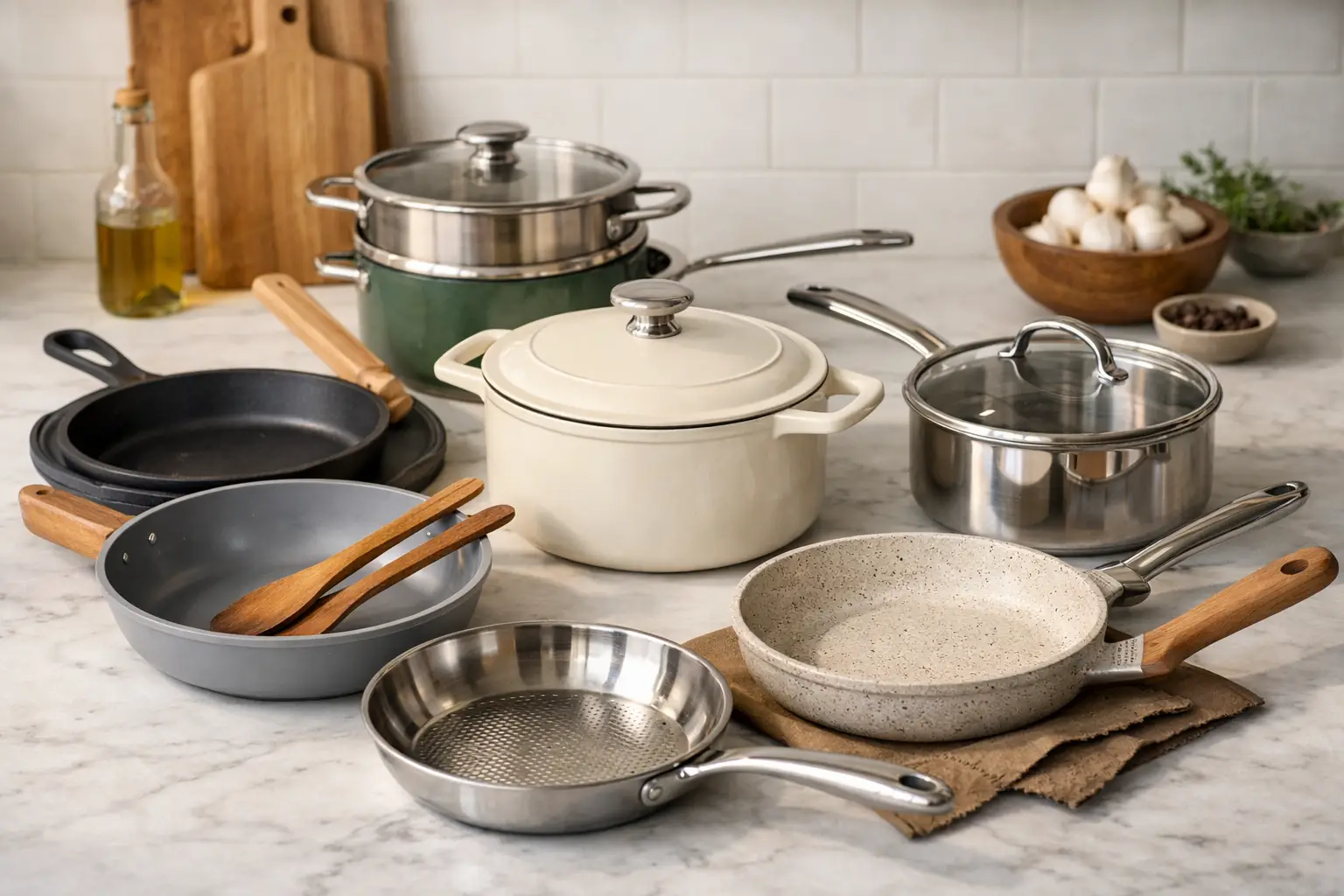
In practical terms, the best non toxic cookware is made from stable materials that hold up well during normal cooking. Stainless steel, cast iron, carbon steel, and certain ceramic options tend to be the most common choices. None of them are perfect for every person or every recipe, but they each offer a cleaner alternative to heavily worn synthetic nonstick pans.
It also helps to remember that toxicity is not just about the pan itself. How you cook matters too. Extremely high heat, metal utensils on delicate surfaces, and poor maintenance can shorten the life of cookware and make even a well-made pan less reliable over time.
Best non toxic cookware materials to consider
Stainless steel
For many households, stainless steel is the most practical place to start. It is durable, versatile, and generally considered one of the safest cookware materials for daily use. Good stainless steel pans do not rely on a chemical coating, and they work especially well for sauteing, boiling, browning, and simmering.
The main adjustment is the learning curve. Food can stick if the pan is not preheated properly or if you cook with too little fat. Once you get the hang of heat control, stainless steel becomes one of the easiest low-tox choices to live with long term.
Clad stainless steel, which has layers of stainless steel with an aluminum or copper core, usually gives better heat distribution than very cheap stainless steel. That means fewer hot spots and better cooking results.
Cast iron
Cast iron has earned its loyal following for good reason. It is naturally nonstick once seasoned well, holds heat beautifully, and can last for decades. For people who want fewer synthetic materials in the kitchen, cast iron is a strong option.
It does come with some maintenance. You need to keep it dry, season it occasionally, and avoid leaving acidic foods in the pan for too long. It is also heavy, which may be a dealbreaker for some home cooks.
One benefit many people appreciate is that cast iron can go from stovetop to oven with ease. It is especially useful for searing, roasting, cornbread, eggs, and one-pan meals.
Carbon steel
Carbon steel sits somewhere between cast iron and stainless steel. It is lighter than cast iron, can build a naturally slick seasoned surface over time, and handles high heat very well. If you like the idea of cast iron but want something easier to maneuver, carbon steel is worth a look.
Like cast iron, it needs seasoning and a little care. It is not the best choice for people who want a completely low-maintenance pan from day one. But for stir-fries, eggs, pancakes, and quick sears, it can be excellent.
Ceramic cookware
Ceramic cookware can mean two different things, and that is where shoppers often get confused. Traditional pure ceramic cookware is made entirely from clay-based material and fired at high temperatures. Ceramic-coated cookware usually has a metal base with a ceramic-style nonstick coating.
Pure ceramic can be a nice low-tox option, though it is often heavier and more breakable. Ceramic-coated pans are popular because they offer an easy-release surface without the classic PTFE-style coating many shoppers want to avoid.
The trade-off is lifespan. Ceramic-coated pans tend to lose their slickness faster than stainless steel or cast iron, especially with high heat or frequent dishwasher use. They can still be a good choice, but it helps to see them as lower-maintenance cookware with a shorter useful life.
Enameled cast iron
Enameled cast iron gives you the heat retention of cast iron with a smooth coated interior that does not require seasoning. It is a favorite for soups, sauces, braises, and slow-cooked meals.
It is easier to maintain than bare cast iron, but it is still heavy and often more expensive. If you want one investment piece for cozy, healthy home cooking, a Dutch oven in enameled cast iron is often worth it.
What to avoid or question
Not every pan marketed as healthy is automatically the best choice. Very cheap cookware can be inconsistent in quality, especially if the coating is thin or the construction feels flimsy. If a pan warps quickly or scratches easily, it is probably not going to support a low-tox kitchen for long.
It is also smart to be cautious with vague terms like eco-friendly, green, or natural nonstick. Those phrases sound reassuring, but they do not always tell you what the cooking surface is actually made from. Look for clear material descriptions, temperature guidance, and care instructions.
Any pan with visible chipping, peeling, or deep scratches should be replaced. Even if the original material was considered safe enough, damaged cookware is harder to trust and harder to cook with well.
How to choose the right cookware for your kitchen
The best non toxic cookware for one home may not be the best fit for another. A busy parent who wants fast cleanup may prefer ceramic-coated pans for eggs and weeknight meals. Someone who loves to cook from scratch may be happier investing in stainless steel, cast iron, and a good Dutch oven.
Think first about what you cook most often. If you make soups, grains, pasta, and sauces, stainless steel and enameled cast iron can cover a lot of ground. If you cook pancakes, fried eggs, or seared vegetables regularly, cast iron or carbon steel may make more sense.
Your stove matters too. Induction cooktops require compatible materials, while gas and electric ranges are generally more flexible. Weight is another practical factor. A pan can be beautifully made and still feel wrong if lifting it strains your wrist.
Budget matters, but value matters more. One well-made skillet that lasts for years is often a better buy than a full set that needs replacing too soon.
A simple non toxic cookware starter set
If you are rebuilding your kitchen gradually, you do not need to replace everything at once. For most homes, a smart starting point is one stainless steel saucepan, one stainless steel skillet, one cast iron or carbon steel pan, and one enameled cast iron Dutch oven if your budget allows.
That combination covers everyday cooking without overwhelming you with specialty pieces. It also lets you test what you actually enjoy using before investing more.
For many readers, this is the sweet spot between wellness goals and real-life convenience. A greener lifestyle works best when it fits your habits.
How to make non toxic cookware last longer
Even the best pan benefits from gentle care. Use moderate heat when possible, especially with ceramic-coated cookware. Let pans cool before washing them, and skip abrasive scrubbers unless the material can truly handle them.
Wood, silicone, and other non-metal utensils can help preserve cooking surfaces. For stainless steel, learning a few simple cooking habits like preheating the pan and using enough oil can make a big difference. For cast iron and carbon steel, keeping the seasoning intact is part of the routine.
The goal is not perfection. It is building a kitchen that supports your health without adding stress.
Is the healthiest cookware always the best choice?
Not necessarily. The healthiest choice on paper still has to work in your everyday life. If a pan is so fussy that you avoid using it, or so heavy that it sits untouched, it is not the right solution for your home.
That is why the best cookware decisions are usually balanced ones. You want materials you feel good about, but you also want cookware that fits your recipes, your budget, and your energy level on a Tuesday night.
A healthier kitchen does not happen all at once. It often starts with replacing the one pan you use most, learning what materials you trust, and making steady upgrades from there. That kind of change lasts longer, and it feels a lot better every time dinner hits the stove.
Best Non-Toxic Cookware Picks for a Healthier Kitchen
Upgrade your kitchen with safer cookware options designed for everyday meals. Explore non-toxic cookware picks including ceramic, stainless steel, cast iron, and PFAS-free cooking essentials.
Shop Non-Toxic Cookware at WalmartAffiliate disclosure: I may earn a commission from qualifying purchases.
Discover more from Woganic Blog
Subscribe to get the latest posts sent to your email.