

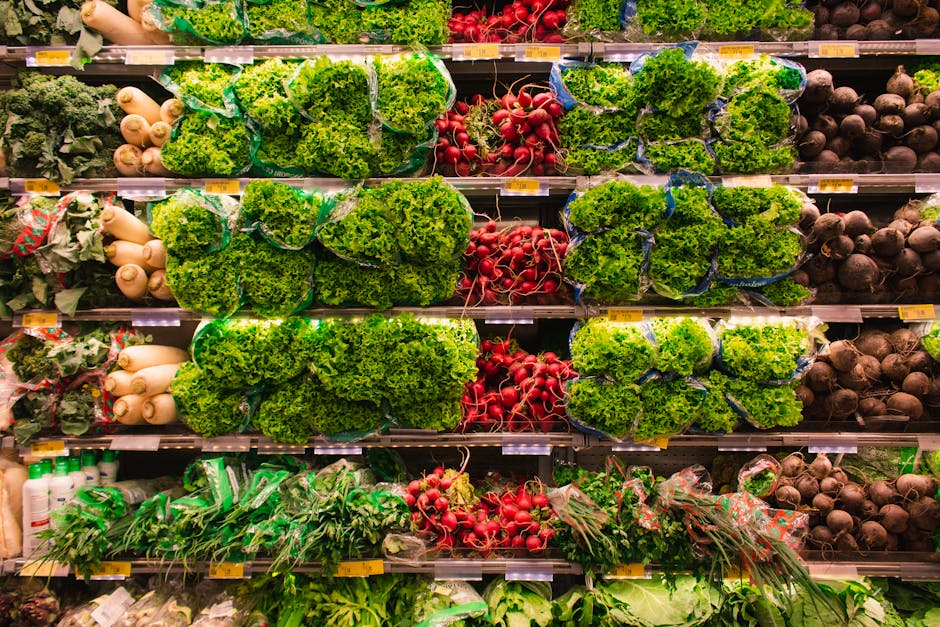
Walking into a grocery store right now can feel like a test of your values, your budget, and your ability to decipher a dozen different labels. You want to feed yourself and your family food that is clean, safe, and healthy, but filling a cart with exclusively organic products can double your grocery bill in a heartbeat. It is a frustrating place to be, stuck between the desire for purity and the reality of your paycheck. This is precisely why a practical, data-backed organic food list is no longer a luxury: it is an essential tool for the modern shopper. This guide cuts through the noise, using the most current data for 2026 to show you exactly which foods deserve the organic splurge and which ones are perfectly safe to buy conventional. Think of this as your strategic spending plan for a healthier kitchen, starting right here with the definitive organic food list for the year ahead.
Table of Contents
- Why You Need an Organic Food List (The Pesticide Problem)
- The 2026 “Dirty Dozen”: 12 Foods to Always Buy Organic
- The 2026 “Clean 15”: 15 Foods Safe to Buy Conventional
- Beyond Produce: The Organic Pantry and Protein List
- How to Read the Labels: USDA Organic vs. “Natural”
- The Local vs. Organic Trade-Off (A 2026 Perspective)
- Frequently Asked Questions About the Organic Food List
- Final Takeaway: Build Your Own Organic Strategy for 2026
Why You Need an Organic Food List (The Pesticide Problem)
The conversation around organic food often gets painted in black and white, as if you must either buy everything organic or not bother at all. This all-or-nothing mindset is not only stressful, it is scientifically unnecessary. The reality is that pesticide risk varies wildly from one type of produce to another. A strawberry is not a pineapple, and treating them as equal risks in the produce aisle is a fast track to overspending. A targeted organic food list exists to solve this specific problem by identifying where the risk truly lies.

The gold standard for this data remains the Environmental Working Group, a non-profit organization that analyzes Department of Agriculture test results to rank pesticide contamination. Every year, including the 2026 update cycle, the EWG releases its findings, and the patterns are remarkably consistent. Some fruits and vegetables are heavily sprayed and absorb those chemicals into their edible flesh, while others have natural barriers that leave little to no residue by the time they reach your plate. This list is not about fear-mongering. It is a tool for smart, cumulative risk reduction. The goal is to lower your overall pesticide exposure over a lifetime, not to achieve a perfect, zero-residue diet that is financially out of reach for most people.
The 2026 “Dirty Dozen”: 12 Foods to Always Buy Organic
This is the part of the organic food list that demands your attention and your wallet. The Dirty Dozen represents the twelve conventionally grown fruits and vegetables that consistently test positive for the highest number of pesticide residues. When you choose organic for these items, you are making the single most impactful intervention in your grocery cart. The return on investment for your health is highest here, as conventional versions often carry traces of multiple different chemicals, including fungicides and insecticides that can disrupt hormones or pose neurological risks with long-term exposure.
The Top 5 Heavy Hitters

Strawberries hold the notorious top spot year after year, and 2026 is no different. Their thin, porous skin and the fact that they grow close to the ground make them a sponge for chemical sprays. If you change only one thing about your shopping habits this year, switching to organic strawberries should be it. Spinach and leafy greens follow closely behind. The high surface area of kale, collard, and mustard greens traps residue, and because we eat the entire leaf, there is no peeling away the problem. A single sample of conventional spinach can test positive for a shocking cocktail of chemicals.
Stone fruits like peaches, nectarines, and pears present a similar issue. Their soft, fuzzy, or thin edible skins offer almost no barrier against systemic pesticides that penetrate deep into the flesh. Washing simply cannot remove what has been absorbed from the inside out. Apples and grapes are year-round staples in most households, making them a significant source of cumulative exposure. Even if you wash them thoroughly, conventional apples are often coated with a wax layer designed to lock in freshness, which also locks in the chemical residues trapped beneath it. Bell and hot peppers round out the top tier, as their waxy skin does not shed pesticides easily, and conventional farming often uses a broad spectrum of fumigants in the soil where they grow.
The Remaining 7 (Still Critical)
The next tier of the Dirty Dozen includes cherries, blueberries, and green beans. These small fruits and vegetables have a high surface-to-volume ratio, meaning you are consuming more skin per bite, and with it, more of what was sprayed on that skin. Celery and potatoes are unique cases. As root and stalk vegetables, they act like straws, drawing moisture and any water-soluble pesticides up from the contaminated soil into the plant tissue. Peeling a potato helps, but it also strips away valuable fiber and nutrients. Tomatoes, with their delicate skin and high water content, also make the list, as they readily absorb sprays applied during the growing season. This list is updated for 2026 to reflect the latest testing data, and keeping a screenshot of it on your phone serves as a quick cheat sheet for your next trip to the store.
The 2026 “Clean 15”: 15 Foods Safe to Buy Conventional
Now for the good news. The Clean 15 is the section of the organic food list that will save your budget. These are the fruits and vegetables that consistently show little to no pesticide residue when tested, even when grown conventionally. The reason is almost always a physical or biological defense. These plants have thick, inedible outer layers that you remove and discard, or they possess natural pest-deterrent properties that reduce the need for heavy spraying in the first place. Buying these items from the conventional aisle is a scientifically sound decision that can free up cash for the organic upgrades that matter more.
The Top 5 Wallet-Savers
Avocados and sweet corn are the champions of the Clean 15. The tough, leathery skin of an avocado and the thick, protective husk of an ear of corn create a near-perfect shield. When you peel that skin or husk away, you are removing the protective layer that intercepted the pesticides, leaving a remarkably clean interior. Pineapples and papaya operate on the same principle. Their rough, inedible rinds take the brunt of any chemical application, and the sweet flesh inside remains largely untouched by the time you slice into it. Onions are a powerhouse of natural defense. Their pungent layers naturally repel many pests, which means farmers do not need to rely on heavy pesticide applications to grow a successful crop. Even when tested, conventional onions show minimal residue.
The Remaining 10 (Safe and Sound)
The rest of the list includes frozen sweet peas, asparagus, honeydew melon, kiwi, cabbage, mushrooms, mangoes, sweet potatoes, watermelon, and carrots. Many of these, like melons and mangoes, rely on thick peels. Others, like cabbage and asparagus, simply face fewer pest pressures. A specific note on sweet corn and papaya is necessary here. While they are remarkably clean from a pesticide standpoint, the majority of sweet corn grown in the United States and Hawaiian papaya are genetically modified. If avoiding GMOs is a personal priority for you, then seeking out organic versions of these two specific items is a wise exception to the Clean 15 rule. Otherwise, enjoy the savings.
Beyond Produce: The Organic Pantry and Protein List
Most organic food lists stop at the produce section, leaving a massive gap in your strategy. A truly comprehensive approach must address the meat counter, the dairy case, and the center aisles where grains and processed foods live. This is the “Level 2” of your organic journey, for those who have mastered the Dirty Dozen and are ready to look deeper into how farming practices affect the nutritional profile and chemical load of the rest of their diet.
Meat, Poultry and Dairy: The Antibiotic Factor
When it comes to animal products, the organic conversation shifts from pesticide residue to antibiotics and hormones. Your first priority should be organic milk and yogurt. Conventional dairy operations are a primary source of dietary exposure to antibiotic residue and synthetic growth hormones like rBGH, which is banned in many countries but still used in US conventional farming. Organic standards strictly prohibit both, ensuring that your milk comes from cows that were not treated with these drugs. The second priority is organic poultry and beef. The overuse of antibiotics in conventional animal agriculture is a well-documented driver of antibiotic-resistant bacteria, a serious public health threat. Organic certification guarantees that the animal was raised without routine antibiotics, and in the case of beef, without added growth hormones. The seafood counter, however, requires a caveat. The USDA organic standards for seafood are still not fully formalized, making “organic” fish a murky claim. For seafood, wild-caught is currently the best proxy for what you hope to get from organic: a product raised in its natural environment without synthetic inputs.
Grains, Legumes and Pantry Staples
The grain aisle holds a hidden risk that many shoppers overlook. Conventional oats are frequently sprayed with glyphosate, the active ingredient in Roundup, right before harvest as a drying agent. This practice, known as desiccation, results in direct chemical residue on the final product. Buying organic oats is a simple way to avoid this direct exposure. Rice, similarly, is a crop that absorbs arsenic from soil and water, and organic standards help mitigate the use of synthetic pesticides that compound the heavy metal risk. Soy products, including tofu, edamame, and soy milk, are a non-negotiable organic purchase. Over ninety percent of soy grown in the United States is genetically modified to withstand herbicide spraying, making organic the only reliable way to avoid GMOs and high pesticide residues in your soy foods. Dried beans and lentils are a lower priority due to their protective pods, but choosing organic for dry goods you store long-term is a solid practice.
The “Organic Junk Food” Trap
A brief but crucial reality check: the organic label on a box of cookies, a bag of chips, or a can of soda does not magically transform it into a health food. Organic sugar is still sugar, and organic white flour is still a refined carbohydrate. The organic food list is a guide for reducing chemical exposure, not a free pass to overindulge in processed foods that are fundamentally unhealthy regardless of their certification.
How to Read the Labels: USDA Organic vs. “Natural”
Understanding the organic food list also means understanding the legal definitions behind the labels. The USDA regulates organic claims through a tiered system. A product labeled “100% Organic” must contain only organically produced ingredients, excluding water and salt. The standard “Organic” label means the product contains at least ninety-five percent organic ingredients. A product that says “Made with Organic Ingredients” must contain at least seventy percent organic ingredients, but it cannot use the USDA Organic seal. Anything below that threshold can only list organic ingredients on the ingredient panel.
The word “Natural,” however, is a marketing term with no legal definition for pesticide use or GMOs. It is not a certification, and it does not mean the product was grown without synthetic chemicals. Similarly, the “Non-GMO Project Verified” seal is a different standard entirely. It confirms that the product does not contain genetically modified ingredients, but it makes no promises about how the crops were grown or what pesticides were used. Organic certification is the only label that covers both GMO avoidance and pesticide restrictions.
The Local vs. Organic Trade-Off (A 2026 Perspective)
A question that comes up frequently is whether it is better to buy a local conventional cucumber or an organic one shipped from across the country. The answer is a balancing act. Local conventional produce from a farmer’s market is often fresher, picked at peak ripeness, and supports your regional economy. However, freshness does not cancel out pesticide residue. The rule of thumb for 2026 is this: if the item is on the Dirty Dozen list, prioritize organic even if it is not local. The documented pesticide risk outweighs the benefits of local sourcing. If the item is on the Clean 15 list, local conventional is a fantastic choice. You get peak freshness and flavor without the chemical concern. A third option is to talk to the farmers at your local market. Many small farms use organic practices but cannot afford the expensive and time-consuming USDA certification process. A direct conversation about their pest management methods can reveal that their produce is essentially organic in all but name.
Frequently Asked Questions About the Organic Food List
Is organic food more nutritious? Some studies indicate that organic produce can have higher levels of certain antioxidants and micronutrients, likely as a natural defense response to pest pressure. However, the primary and most well-documented benefit of choosing organic remains the dramatic reduction in pesticide exposure, which is the entire foundation of this list.
Can I wash pesticides off conventional produce? Washing with water, and even soaking in a baking soda solution, can reduce surface residues. What washing cannot do is remove pesticides that are systemic, meaning they were absorbed into the plant’s tissue as it grew. Peeling removes the skin where residues concentrate, but it also removes the fiber and nutrients found there.
Is it safe for kids to eat conventional produce from the Clean 15 list? Yes. The Clean 15 is considered safe for all ages. Children are more sensitive to chemical exposures due to their developing bodies, so prioritizing the Dirty Dozen for organic purchases is a particularly impactful strategy for families. If your budget allows for an all-organic diet for your children, that is a wonderful choice, but do not let the fear of conventional Clean 15 items stop you from serving fruits and vegetables.
Where can I find the full organic products list PDF? The official USDA Organic Integrity Database is available online for verifying specific products and farms. The Environmental Working Group also publishes a free, downloadable PDF of the Dirty Dozen and Clean 15 each year on their website, which is a perfect companion to this guide.
Final Takeaway: Build Your Own Organic Strategy for 2026
Building a healthier diet is a marathon, not a sprint, and your organic food list is your training plan. Start where the impact is highest. Master the Dirty Dozen first, swapping those twelve items for organic versions on your next shopping trip. Once that feels automatic, expand your focus to organic dairy and poultry to address antibiotic concerns. Finally, round out your pantry with organic oats, rice, and soy products. The most important thing to remember is that perfect is the enemy of good. Eating a conventionally grown apple is still infinitely better than eating a processed snack cake. Eating conventional broccoli from the Clean 15 is still a powerful act of nourishment. Use this guide to make informed, strategic choices that protect your health without breaking your bank. Bookmark this organic food list, share the cheat sheet with your shopping partner, and walk into the grocery store in 2026 with confidence.
Discover more from Woganic Blog
Subscribe to get the latest posts sent to your email.


Leave a Reply
Your email is safe with us.