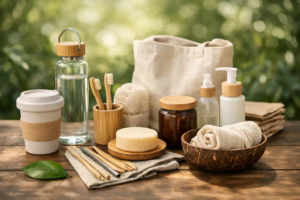

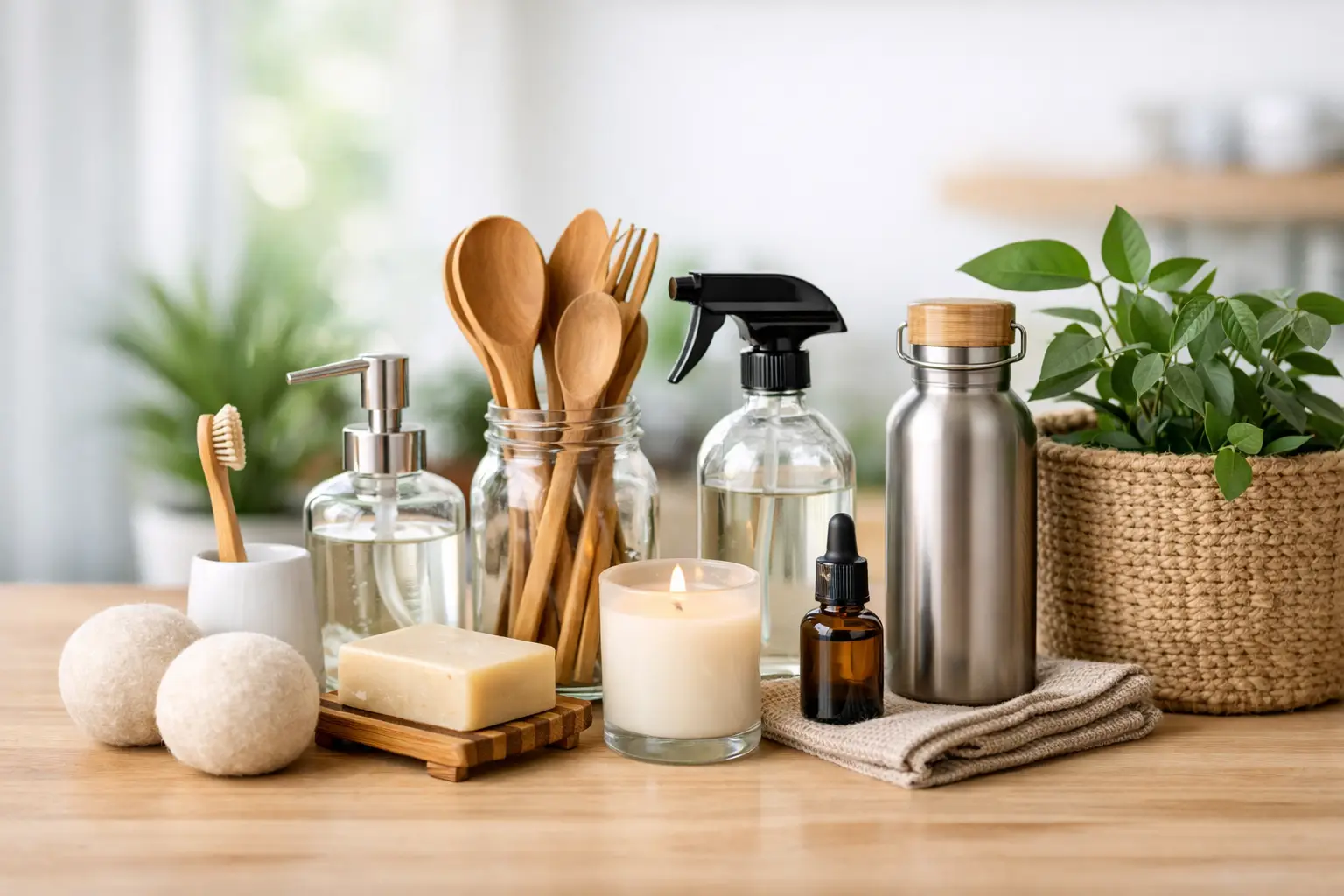
A greener home usually starts in the least glamorous places – under the sink, by the kitchen sink, and inside the laundry room. That is exactly why eco friendly home products matter so much. These are the items you use on repeat, the ones that touch your food, your skin, your air, and your daily routines. Swap a few of them thoughtfully, and the shift can feel surprisingly meaningful.
For many households, the challenge is not motivation. It is knowing what is actually worth replacing. Plenty of products look sustainable on the label but do very little beyond nicer packaging. The better approach is to focus on everyday essentials that lower waste, reduce unnecessary chemical exposure, and still fit real life. Comfort, convenience, and cleaning power still matter.
What makes eco friendly home products worth it
The best eco friendly home products do at least one of three things well. They reduce disposable waste, rely on safer or simpler materials, or last much longer than the conventional version. When a product manages all three, it earns its place quickly.
There is also a wellness angle that matters to many families. Household basics such as cleaners, food storage, laundry supplies, and textiles can contribute to indoor chemical exposure in small but constant ways. Choosing alternatives with fewer synthetic fragrances, less plastic, or more natural fibers can make your home feel cleaner in more ways than one.
That said, not every swap is equally helpful. A reusable item that is hard to clean or never gets used is not more sustainable in practice. The sweet spot is a product you will reach for often and keep using for years, not just something that sounds good in theory.
12 eco friendly home products to consider first
1. Reusable glass food storage containers
Plastic food containers tend to stain, warp, and wear out quickly. Glass storage containers are a simple upgrade because they are durable, easy to clean, and less likely to hold onto odors. They also make leftovers easier to see, which can help reduce food waste.
The trade-off is weight. Glass is heavier and can break if dropped, so it may not be ideal for every lunch bag or household with very young kids. Still, for meal prep, fridge storage, and pantry organization, it is one of the most practical changes you can make.
2. Beeswax wraps or silicone food covers
Single-use plastic wrap is easy, but it adds up fast. Reusable food covers offer a low-effort replacement for covering bowls, wrapping produce, or storing cheese and bread. Beeswax wraps work well for many kitchen tasks, while silicone covers tend to be better if you want something dishwasher-safe and more water resistant.
Here, personal preference really matters. Beeswax wraps have a natural feel and compostable appeal, but they need gentler care. Silicone lasts longer for some households, though it is still a manufactured material. Either option can cut down on daily waste.
3. Refillable cleaning sprays
Cleaning products are one of the best categories to rethink because they are used so often. Refillable cleaning systems reduce bottle waste and make it easier to choose formulas with fewer harsh ingredients and heavy fragrances. Many people also find that concentrated cleaners take up less storage space, which is a quiet bonus.
Effectiveness is where shoppers should stay practical. Some natural cleaners are excellent for maintenance cleaning but less impressive on deep grease or soap scum. It may make sense to keep eco-conscious daily cleaners for regular use and a stronger targeted product for occasional tough jobs.
4. Wool dryer balls
Wool dryer balls are a favorite for good reason. They help soften fabrics, can reduce drying time, and replace disposable dryer sheets. For households trying to cut synthetic fragrance exposure, they are an easy switch.
They are not a perfect one-to-one replacement if you love heavily scented laundry. You may notice your clothes smell more neutral, which many wellness-minded shoppers actually prefer. If scent matters, some people add a very light touch of essential oil, though that should be done carefully and sparingly.
5. Organic cotton dish towels and napkins
Paper towels are convenient, but reusable cloth options can save money and reduce waste over time. Organic cotton towels and napkins feel especially aligned with a healthier home because they bring natural fibers into one of the highest-use spots in the house.
The key is making them easy to use. Keep a basket for clean cloths and a small hamper for used ones. If the system feels simple, the habit sticks.
6. Bamboo or wooden dish brushes
A plastic dish brush may seem minor, but replacing small everyday tools can still make a difference. Brushes with wooden handles and replaceable heads can reduce plastic use while looking cleaner and more intentional on the sink.
This is one category where quality varies a lot. Lower-cost versions can wear out quickly if they stay wet all the time. Letting them dry properly between uses makes a big difference.
7. Compost bins for the kitchen
If you cook regularly, food scraps are part of life. A compact kitchen compost bin makes it much easier to collect peels, grounds, and leftovers for composting rather than sending them to the trash. It is one of those products that supports a larger habit change.
Of course, it only works if you have somewhere for the scraps to go, whether that is backyard compost, a local pickup service, or municipal composting. Without that next step, the bin becomes clutter. With it, it becomes genuinely useful.
8. Natural fiber bedding
Your bed is where you spend a huge portion of your life, so materials matter. Bedding made from organic cotton, linen, or other natural fibers can appeal to shoppers who want breathability, comfort, and fewer synthetic finishes close to the skin.
This swap tends to cost more upfront, which is why it is smart to prioritize the pieces you use most, such as sheets or pillowcases. You do not have to redo the whole bedroom at once to notice a difference.
9. Eco-conscious laundry detergent
Laundry detergent touches clothing, towels, sheets, and anything that rests against your skin. Choosing a more eco-conscious formula can help reduce unnecessary additives, especially synthetic dyes and strong perfumes that some people find irritating.
Form matters here. Powders, sheets, pods, and liquid concentrates each have pros and cons. Sheets and pods can feel convenient, but they vary in stain-fighting ability. Powders can be effective and lower-waste, but they may not dissolve as well in every machine. The best option depends on your water temperature, washing habits, and household needs.
10. Reusable water filters or filtration pitchers
Buying bottled water for daily use creates a lot of plastic waste and ongoing cost. A reusable pitcher or at-home filtration system can be a more sustainable alternative while making it easier to drink water throughout the day.
This is less about aesthetics and more about consistency. If filtered water is accessible and tastes good, people actually use it. Just pay attention to replacement schedules, since filters still require maintenance and eventual disposal.
11. LED light bulbs
Not every eco swap needs to look earthy or lifestyle-forward. LED bulbs are one of the most straightforward home upgrades because they use less energy and last much longer than traditional incandescent bulbs. They are practical, low-maintenance, and widely available.
The only catch is choosing the right brightness and color temperature. Some LEDs can feel too cool or harsh if selected without much thought. Warm-toned options usually create a more comfortable feel in living spaces and bedrooms.
12. Recycled or natural-material trash bags
Trash is unavoidable, but your trash bag choice still matters. Some households prefer bags made with recycled content, while others look for compostable liners for food scrap collection. These products can support waste reduction without requiring a big routine change.
Still, labels can be confusing. Compostable does not always mean suitable for regular landfill disposal, and some plant-based bags are better for light use than heavy kitchen waste. Reading the intended use matters more than marketing language.
How to choose eco friendly home products without wasting money
The smartest way to shop is to start with friction points in your own routine. If your family goes through paper towels constantly, begin there. If harsh cleaners give you headaches, prioritize cleaning products. If plastic food storage keeps breaking, that is your next upgrade.
It also helps to think in terms of replacement timing rather than perfection. Use up what you have, then choose a better version when it is time to restock. That approach is usually more affordable and less wasteful than throwing everything out for the sake of a fresh start.
Look closely at materials, refill options, durability, and whether the product solves a real problem in your home. A good eco purchase should feel like a better product overall, not just a more virtuous one. That is often where long-term habits are built.
For readers who want sustainable living to feel practical and not performative, that is really the heart of it. The best home swaps are the ones that quietly support your health, simplify your routines, and make your space feel a little cleaner and more intentional every day. Start with one or two changes you will truly use, and let your home evolve from there.
Discover more from Woganic Blog
Subscribe to get the latest posts sent to your email.