

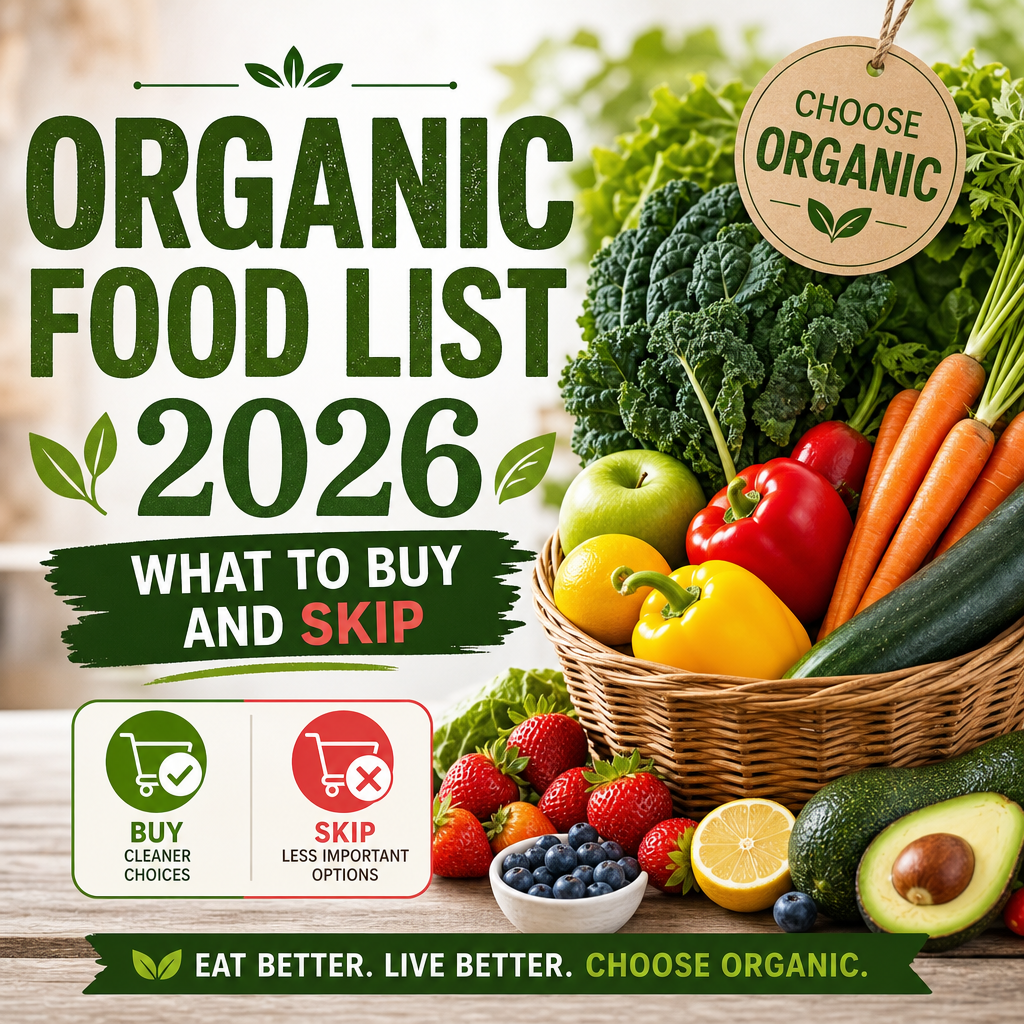
Choosing an organic food list can feel confusing, especially with so many labels, price points, and opinions floating around. However, some foods are worth buying organic to help reduce pesticide exposure, while others offer little practical difference between organic and conventional versions.
This organic food list for 2026 breaks down what to buy, what to skip, and how to shop smarter without overspending.
Organic Food List: Why Organic Still Matters in 2026

Organic farming continues to appeal to people who want fewer synthetic pesticides, better soil practices, and more transparent ingredient standards. While organic does not automatically mean “healthier,” it often means fewer pesticide residues and fewer artificial additives.
That said, not every item needs to be organic. So, the trick is knowing where it matters most.
What “Organic” Usually Means
Organic certification generally requires:
- No most synthetic pesticides or fertilizers
- No genetically engineered ingredients
- No routine antibiotics or growth hormones in livestock
- More restricted use of certain additives and processing aids
For fresh produce, meat, dairy, and packaged foods, that can make a meaningful difference depending on the item. For a broader primer, see this guide to good organic food.
Best Organic Food List for 2026
If you’re building a smart shopping strategy, start with foods that are either heavily sprayed, more likely to absorb residues, or commonly consumed in larger amounts.
1. Berries
Berries are one of the top foods to buy organic.
Strawberries, blueberries, raspberries, and blackberries have delicate skins and are often eaten raw. As a result, residues are harder to wash away and more likely to remain.
Buy organic:
- Strawberries
- Blueberries
- Raspberries
- Blackberries
2. Leafy Greens
Spinach, kale, lettuce, and arugula are frequently recommended as organic because they can carry pesticide residues even after washing.
In addition, these foods are staples in salads and smoothies, so people often eat them in larger quantities.
Buy organic:
- Spinach
- Kale
- Romaine lettuce
- Arugula
- Swiss chard
3. Apples and Grapes
Apples and grapes often rank high on produce residue lists. Their skins are edible, so what’s on the outside matters.
If you eat them often, organic is usually worth the upgrade.
Buy organic:
- Apples
- Grapes
- Cherries
- Nectarines
- Peaches
4. Tomatoes and Peppers
Tomatoes, bell peppers, and hot peppers can absorb residues, and people commonly use them fresh, roasted, or in sauces.
For that reason, organic versions are often a better pick, especially for peppers with thin skins.
5. Potatoes
Potatoes grow underground, so they can be exposed to soil treatments and storage chemicals. They’re also one of the vegetables people buy in bulk, so residues can add up over time.
Buy organic:
- White potatoes
- Red potatoes
- Fingerlings
- Sweet potatoes, if budget allows
6. Dairy and Eggs
Organic dairy and eggs come from animals raised under more controlled feeding and treatment standards. For many shoppers, this is where organic makes a noticeable difference in quality and sourcing.
Buy organic:
- Milk
- Yogurt
- Cheese
- Eggs
7. Meat and Poultry
If you eat animal products regularly, organic meat can be a worthwhile part of your organic food list. Organic livestock standards restrict certain feed additives and medications, and many consumers prefer the added transparency.
Buy organic:
- Chicken
- Ground beef
- Turkey
- Pork
- Processed meats with minimal ingredients
8. Coffee, Tea, and Baby Food
These are easy categories to overlook. Coffee and tea are often heavily treated during production, and many parents prefer to keep baby food as clean as possible.
Buy organic:
- Coffee beans
- Tea bags and loose leaf tea
- Baby purees and cereals
Foods You Can Usually Skip Organic
Not every food needs the organic label. Some have thick skins, peels, or low residue levels, making the organic premium less necessary.
1. Thick-Skinned Produce
These foods are generally lower priority because the outer layer is removed before eating.
Usually fine conventional:
- Avocados
- Bananas
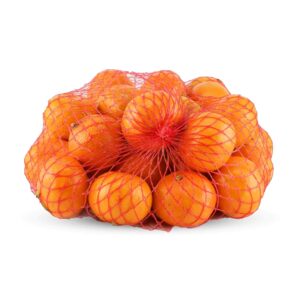
- Oranges
- Pineapples
- Mangoes
- Kiwi
2. Less-Persistent Vegetables
Some vegetables tend to have lower residue exposure, and you can rinse them well before cooking.
Usually fine conventional:
- Broccoli
- Cauliflower
- Mushrooms
- Asparagus
- Onions
- Cabbage
3. Frozen Fruits and Vegetables
Frozen produce can be a smart budget move. If the item is lower on the risk list, conventional frozen versions are often perfectly fine.
For example, buy organic frozen berries or spinach, but feel comfortable choosing conventional frozen corn, peas, or mixed vegetables.
4. Pantry Staples
Certain dry goods don’t usually need to be organic unless you’re avoiding specific ingredients or want a particular sourcing standard.
Usually fine conventional:
- Rice
- Oats
- Pasta
- Beans
- Lentils
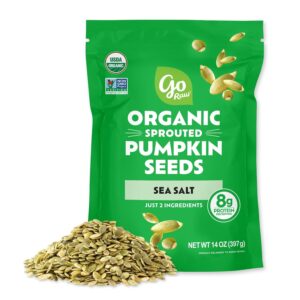
- Nuts and seeds, depending on brand and processing
How to Shop Smarter
A practical organic food list is about priority, not perfection. If your budget is limited, focus organic spending where it matters most.
Start With the “Dirty Dozen” Style Rule
Although lists change over time, the basic idea stays the same: prioritize produce that tends to carry more residues and skip organic for foods with natural protective skins.
Buy Organic in the Categories You Eat Most
If your family eats eggs daily, organic eggs may be more valuable than organic pears you buy once a month. In other words, frequency matters.
Mix Organic and Conventional
There’s no rule that your cart must be all-or-nothing. Instead, a balanced approach helps you get the benefits without overspending.
Organic Food List: Quick Reference
For a simple plan, use this quick reference and adjust it to your budget and habits. It can help you decide where organic matters most.
- Buy organic first: berries, leafy greens, apples, grapes, dairy, eggs, and meat.
- Skip organic more often: avocados, bananas, oranges, broccoli, cauliflower, onions, and pantry staples.
- Use the rule of thumb: if you eat it often and it has a thin skin, organic may be worth it.
For more context on why these choices matter, the Environmental Working Group’s produce guide is a helpful reference.
Final Takeaway
The best organic food list for 2026 is the one that fits your budget, your habits, and your priorities. Start with berries, leafy greens, apples, grapes, dairy, eggs, and meat. Then feel free to skip organic for foods with thick peels, low residues, or easy-to-remove skins.
Buying organic strategically is often the smartest choice of all.
Discover more from Woganic Blog
Subscribe to get the latest posts sent to your email.

Leave a Reply
Your email is safe with us.