

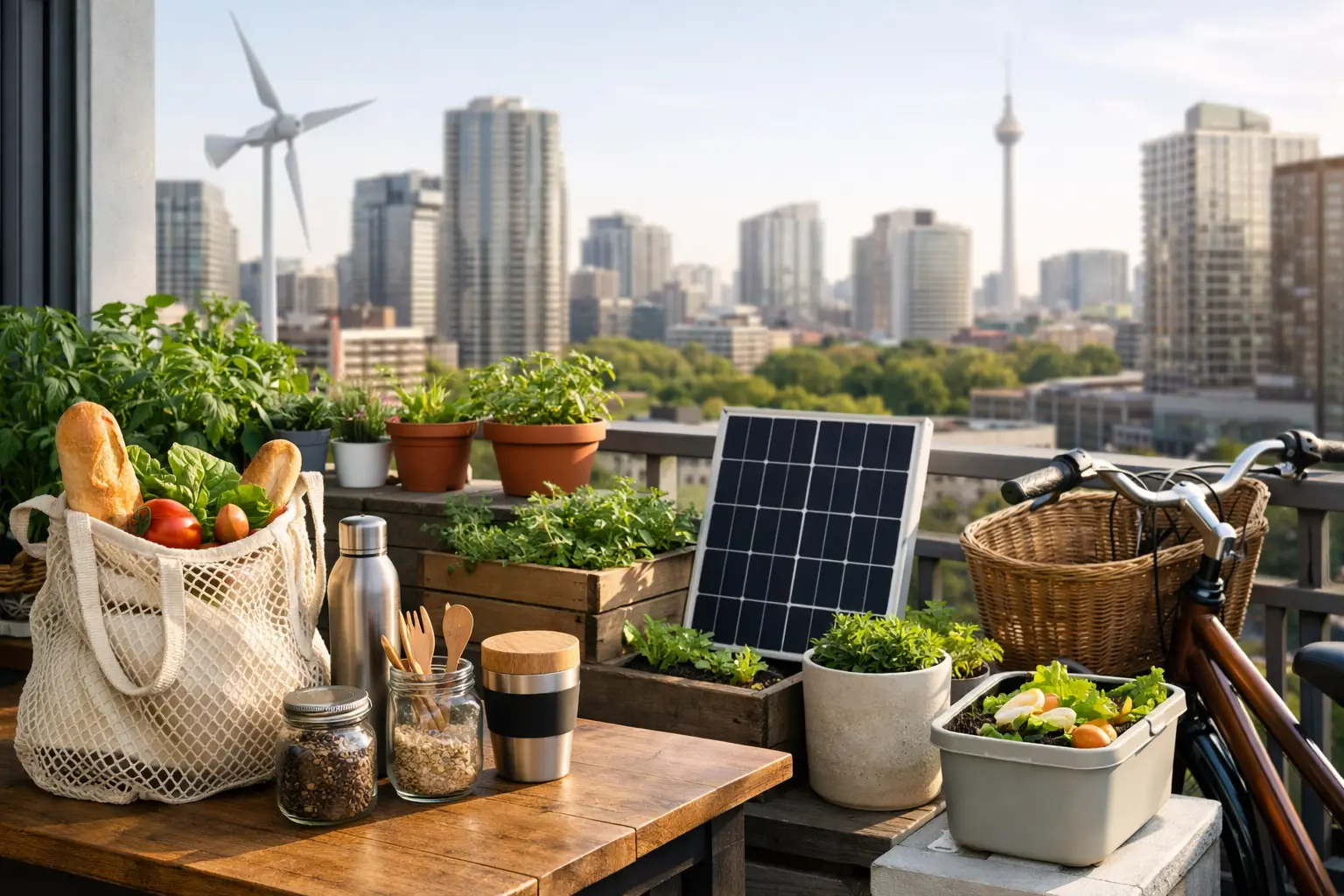
Your apartment may not have a compost pile out back or room for a backyard garden, but city life can still be a smart place to build greener habits. In fact, many of the best sustainable living tips for urban dwellers work especially well in smaller homes, walkable neighborhoods, and shared spaces where less consumption often feels more natural.
The key is to focus on changes that fit your actual routine. If a habit makes your day harder, it usually will not last. But when sustainable choices help you save space, cut costs, reduce chemical exposure, and simplify your home, they become much easier to keep.
Start with the habits that create the most waste
Urban living tends to generate a very specific kind of clutter – takeout containers, delivery packaging, single-use coffee cups, paper towels, and impulse convenience buys. Before buying a full set of glass jars or reorganizing your pantry, look at what leaves your home every week in the trash and recycling.
That snapshot tells you where your biggest opportunities are. For one person, it may be food packaging. For another, it may be cleaning supplies, bottled water, or disposable beauty products. Sustainable living works better when it solves your real patterns instead of following someone else’s checklist.
A simple example is the daily coffee run. Carrying a reusable cup sounds small, but over a year it can replace a surprising amount of waste. The same goes for keeping a compact set of reusable shopping bags and produce bags by the door, not tucked away in a cabinet where they are easy to forget.
Sustainable living tips for urban dwellers at home
Small apartments reward thoughtful choices. When every shelf and surface matters, buying fewer but better items often feels less like a sacrifice and more like good design.
Choose multi-use, low-tox products
One of the easiest upgrades is replacing harsh, single-purpose household products with simpler options that do more than one job. A concentrated dish soap, a refillable hand soap, or an all-purpose cleaner with a shorter ingredient list can reduce both plastic waste and indoor chemical load.
This is especially helpful in apartments with limited ventilation. Strong synthetic fragrances may smell clean at first, but they can linger in enclosed spaces and bother sensitive people or pets. Fragrance-free or naturally scented products are not always perfect, but they are often a gentler place to start.
There is a trade-off here. Some eco-friendly cleaners cost more upfront. The better value usually comes from concentrates, refill systems, or formulas that replace multiple bottles under your sink.
Swap disposables one category at a time
Trying to replace every disposable item at once can get expensive and overwhelming fast. A more realistic approach is to pick the items you buy most often and work through them gradually.
Paper towels, plastic wrap, zip bags, and disposable mop pads are common first targets. Reusable cloths, silicone storage options, and washable mop heads can make a real difference without changing your whole routine. If you live in a building with shared laundry and want to avoid extra washing, start small with just a few high-use replacements.
Lower your energy use without obsessing over it
Most renters cannot install solar panels or replace major appliances, but they still have control over how energy is used day to day. LED bulbs, smart power strips, and unplugging energy-draining devices can help. So can adjusting blinds to manage indoor temperature and washing clothes in cold water.
In city apartments, heating and cooling can be tricky because older buildings are not always efficient. If you cannot control the system fully, focus on what you can influence: draft blockers, thermal curtains, fans, and layering your clothing indoors before turning up the heat. Sustainability is often about reducing waste, not chasing perfection.
Rethink food shopping in the city
Cities can make healthy, low-waste food shopping easier if you know where to look. Many urban dwellers have access to farmers markets, refill shops, neighborhood produce stores, and smaller specialty grocers with less excess packaging than big-box retailers.
Buy with your kitchen space in mind
Bulk buying is not always the greenest choice if half the food spoils in a tiny fridge. One of the most useful sustainable living tips for urban dwellers is to shop for the space you actually have. Smaller, more frequent grocery trips may reduce food waste more effectively than stockpiling.
This also applies to organic purchases. If your budget is limited, focus on the foods you eat most often and the staples that support your wellness goals. You do not need a perfectly organic kitchen overnight. Steady swaps count.
Make convenience more sustainable
Takeout is part of urban life, and that is fine. The goal is not to pretend otherwise. Instead, look for the easiest ways to reduce the waste around it.
Ordering directly from a restaurant rather than through multiple layers of delivery packaging can help in some cases. Choosing pickup when it fits your schedule may reduce extra bags and containers. Keeping your own cutlery at work or in your bag also helps you skip disposable utensils and napkins.
If your city offers compost collection, food scraps become much easier to manage. If it does not, countertop composting may still be possible, though success depends on your space, budget, and tolerance for maintenance. For some apartment dwellers, preventing food waste in the first place is the better move.
Shop slower and buy better
Urban living comes with constant purchasing temptation. Same-day delivery, targeted ads, and small-space problems often push people toward quick fixes. But sustainability and wellness both benefit from a little pause before checkout.
Ask whether an item is durable, refillable, non-toxic, and genuinely useful. A beautifully marketed eco product is still clutter if it does not solve a real need. This is where trusted guidance matters. Platforms like Woganic help narrow the field by focusing on practical, healthier household choices instead of making readers sort through every green claim alone.
Learn to spot better product signals
No label tells the full story, but a few signs are worth noticing. Ingredient transparency matters, especially for skincare, cleaning products, and anything used around kids or pets. Minimal packaging, refill options, third-party certifications, and clear material information are all helpful clues.
At the same time, it depends on the category. Organic matters a lot for food and some body care products. For a storage container or broom, durability and material safety may matter more than whether the brand uses trendy green language.
Use transportation as a sustainability advantage
This is one area where city residents often have a built-in edge. Public transportation, walking, biking, and combining errands into one trip can shrink your footprint without much added effort.
That does not mean every urban dweller can skip cars entirely. Commutes, safety, weather, caregiving, and neighborhood design all affect what is realistic. But if you can replace even a few short car rides each week with transit or walking, that change adds up over time.
There is also a wellness benefit here. More walking often supports better energy, stress relief, and daily movement, which makes sustainability feel connected to personal health rather than just responsibility.
Bring nature into a small space
A greener lifestyle in the city is not only about what you stop buying. It is also about what you add to your environment to make healthy habits easier.
A few herbs on a windowsill, a low-maintenance air-purifying plant, or a small balcony container garden can make an apartment feel calmer and more alive. Not every home gets ideal sunlight, and not everyone wants the responsibility of plant care, so this should feel supportive, not like another task.
If growing food is not realistic, even keeping a bowl for farmers market fruit on the counter can gently shift your daily choices. Visual cues matter. Homes tend to reflect what they make easy.
Build a routine that fits real city life
The most lasting sustainable habits are usually quiet ones. Refilling your water bottle before leaving home. Keeping a tote in your backpack. Choosing better soap when the old one runs out. Washing produce as soon as you unpack groceries so it gets eaten.
These habits may not look dramatic online, but they are the ones that reduce waste, support health, and make your home feel more intentional. Urban sustainability does not require a minimalist loft, a huge budget, or hours of free time. It asks for a little more awareness and a little less autopilot.
If you start anywhere, start with the change that makes your day feel lighter, cleaner, or easier. That is usually the habit that sticks, and the one that quietly shapes the rest.
Discover more from Woganic Blog
Subscribe to get the latest posts sent to your email.