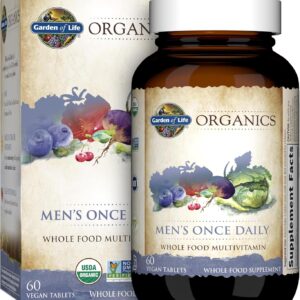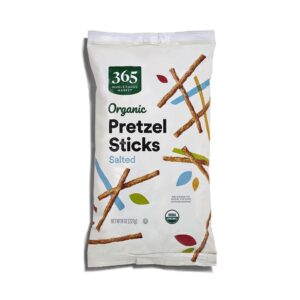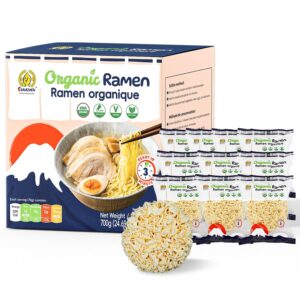


A bamboo toothbrush in one hand, a “natural” cleaner in the other, and a cart full of good intentions – that’s where a lot of shoppers end up. The real question is, are eco-friendly products really eco-friendly, or are some of them simply packaged to look that way? If you have ever felt confused by labels like green, clean, non-toxic, biodegradable, or sustainable, you are not alone.
The short answer is that some eco-friendly products genuinely reduce harm, and some absolutely do not. Most fall somewhere in the middle. A product can be better in one way and worse in another, which is why the smartest approach is not perfection. It is learning how to tell the difference between meaningful improvement and clever marketing.
Why the answer is rarely a simple yes
An item does not become eco-friendly just because it uses earthy colors on the label or mentions plants, nature, or purity. Environmental impact comes from the full life of a product – how raw materials are sourced, how it is manufactured, how far it travels, how it is packaged, how long it lasts, and what happens after you throw it away.
That is where things get complicated. A reusable water bottle can be a better choice than single-use plastic, but its footprint still depends on the material and how often you actually use it. A natural face cream may avoid certain synthetic ingredients, but if it comes in excessive packaging or relies on hard-to-source materials, the overall impact may not be as gentle as it appears.
This does not mean eco-friendly shopping is pointless. It means context matters. Better choices are still worth making, especially when they reduce waste, limit unnecessary chemical exposure, or support more responsible sourcing. But the label alone should never do all the persuading.
Are eco-friendly products really eco-friendly when labels are vague?
Often, vague claims are the biggest source of confusion. Terms like eco-friendly, earth-safe, green, and conscious can sound reassuring, but they do not always have a strict legal definition. That gives brands room to emphasize one positive feature while leaving out the bigger picture.
For example, a trash bag might be marketed as biodegradable, but that does not automatically mean it will break down well in a typical landfill. A skincare product may say plant-based, yet still include ingredients that are heavily processed or packaged in layers of plastic. A household spray can be labeled natural while still containing fragrance blends that are not fully transparent.
This is why ingredient transparency and product specifics matter more than broad claims. A brand that clearly explains what its materials are, how the product should be disposed of, and what certifications back its statements is usually more trustworthy than one relying on feel-good language alone.
The difference between greener and perfect
One of the most helpful mindset shifts is to stop looking for perfectly sustainable products. In real life, those are rare. What you are usually looking for is a greener option within a category.
Take paper towels. The most sustainable choice may be using washable cloths most of the time. But if your household still needs disposable paper towels for certain messes, choosing recycled paper with minimal packaging is likely a step in the right direction. The same goes for cleaning products, food storage, diapers, pet waste bags, and personal care items.
A product can be meaningfully better without being flawless. That matters for busy families and everyday shoppers because sustainable living has to fit real routines. When people believe every choice must be perfect, they often give up. When they focus on progress, they build better habits that last.
What actually makes a product more eco-friendly?
A genuinely better product usually shows its value in a few practical ways. It may use fewer virgin materials, rely on renewable or recycled inputs, avoid unnecessary harsh chemicals, last longer, or create less waste over time. Sometimes the biggest environmental win is not the material itself but the durability.
Think about a well-made glass food container, a stainless steel razor, or concentrated cleaning tablets that cut down on plastic bottles. These products tend to work better from both a household and sustainability perspective because they reduce repeat buying and excess packaging.
Certifications can help too, especially in categories like organic food, textiles, wood, personal care, and cleaning products. They are not perfect, and not every good brand carries them, but credible third-party standards are usually more meaningful than self-made badge graphics on a package.
Red flags that deserve a second look
Greenwashing is not always dramatic. Sometimes it is as subtle as highlighting one eco-conscious detail while distracting from everything else. A product may brag about recycled packaging even though the formula inside is questionable. Another may call itself clean but provide little information about ingredients, sourcing, or manufacturing.
Be cautious when a brand uses sweeping promises with no evidence. Phrases like chemical-free, toxin-free, and all-natural can sound appealing, but they are often more marketing than science. Everything is made of chemicals, and natural does not always mean safer or more sustainable.
Another red flag is disposability dressed up as virtue. Single-use items marketed as compostable or biodegradable can still encourage a throwaway habit. If a reusable option fits your lifestyle and you will actually use it consistently, that is often the better long-term move.
How to shop smarter without overthinking every purchase
You do not need to research every dish soap bottle like a scientist. A few simple habits can make eco-friendlier shopping much easier.
Start by asking what problem the product is solving. Is it replacing something wasteful, reducing plastic, limiting fragrance or harsh ingredients, or lasting longer than the conventional option? If the answer is unclear, the eco claim may be thin.
Next, look at the whole product, not just the front label. Ingredients, packaging, refill options, durability, and disposal instructions all tell a fuller story. For home and wellness products, transparency is often a strong sign that a brand respects informed consumers.
It also helps to prioritize the categories you buy most often. For many households, the biggest wins come from cleaning products, food storage, laundry, paper goods, beauty basics, and frequently replaced personal care items. Small swaps in high-use categories tend to matter more than occasional trendy purchases.
Are eco-friendly products really eco-friendly in everyday categories?
In some categories, the answer is often yes – or at least yes, relatively speaking. Refillable cleaning systems can reduce plastic waste. Organic cotton may lower pesticide exposure compared with conventional cotton. Mineral sunscreens may be preferable for some health-conscious shoppers. Concentrated formulas often use less packaging and shipping weight.
In other categories, the answer depends more heavily on use. Bamboo products can be helpful, but only if they are durable and not mixed with plastics or hard-to-recycle coatings. Compostable products sound appealing, but they work best when local composting systems can actually process them. Electric appliances may reduce one kind of impact while increasing another depending on lifespan and energy source.
That is why comparison shopping matters. Instead of asking whether a product is purely eco-friendly, ask whether it is better than the conventional alternative you would otherwise buy.
A healthier home and a lighter footprint can go together
For many Woganic readers, the goal is not only helping the planet. It is also creating a healthier home. That overlap is one reason eco-friendly products remain so appealing. Cleaner ingredient lists, lower-fragrance formulas, reusable household staples, and organic materials can support both personal wellness and a more mindful lifestyle.
Still, health-focused and eco-focused benefits do not always line up perfectly. A glass container may be great for food safety and reuse, but heavier to ship. A natural product may feel gentler on skin, but not always be sourced in the most climate-friendly way. Again, this does not cancel out the benefits. It simply means thoughtful choices beat label-chasing.
A good rule is to favor products that combine three qualities: they work well, they are transparent about what they are made of, and they reduce waste or unnecessary exposure in a realistic way. That is a practical standard most households can use.
The most eco-friendly product is not always the newest one on the shelf. Sometimes it is the refill, the reusable version, the simpler formula, or the item you keep using for years. If a product helps you buy less, waste less, and feel better about what comes into your home, that is usually a very good sign you are heading in the right direction.
Discover more from Woganic Blog
Subscribe to get the latest posts sent to your email.