

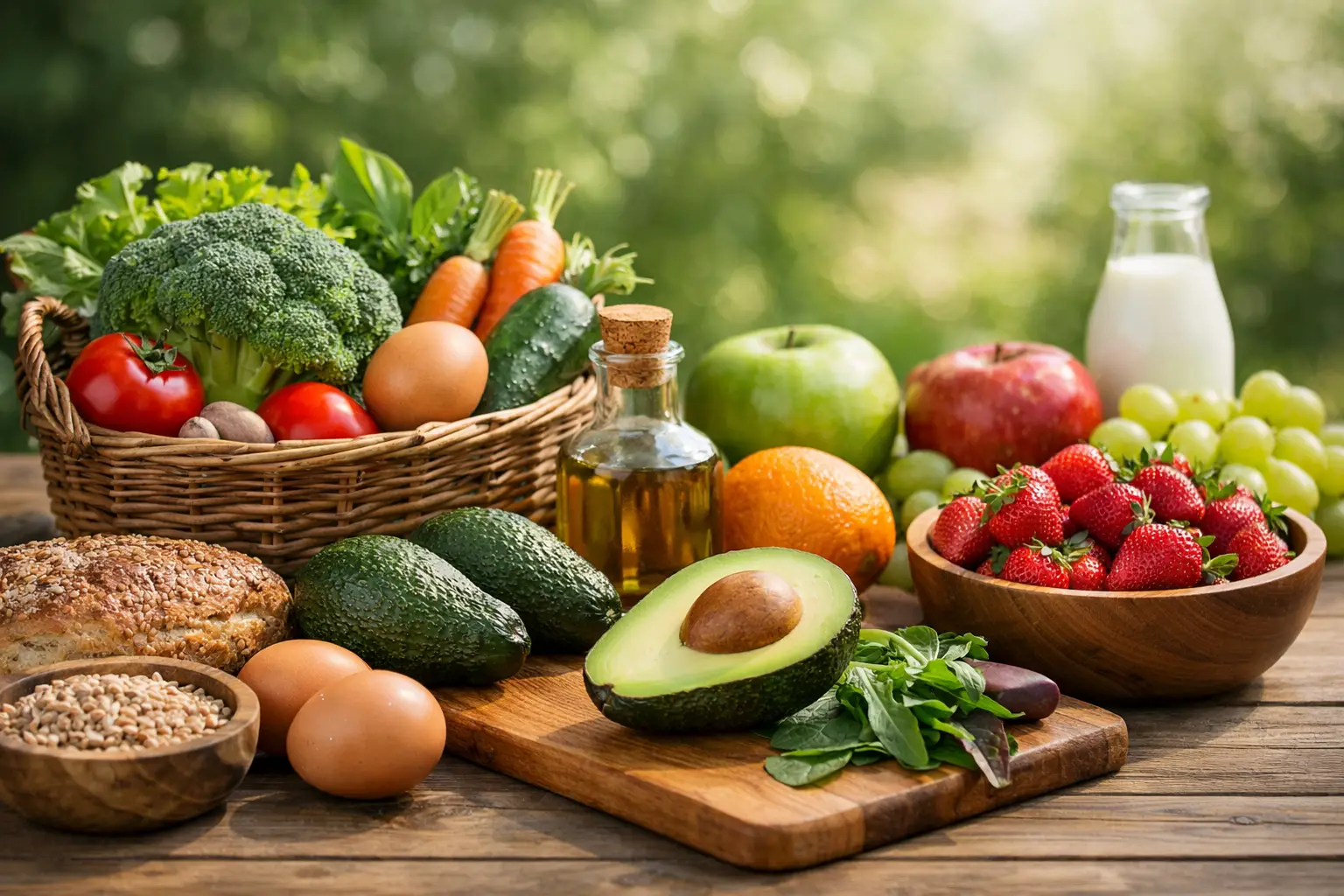
A carton of organic eggs, a bunch of organic spinach, a bag of organic oats – these choices can seem small in the moment, but they add up to a bigger question: are organic food benefits really worth paying attention to? For many households, the answer is yes, especially when health, ingredient transparency, and long-term environmental impact all matter at once.
Organic food is often discussed like it is either a perfect solution or a marketing gimmick. The reality sits somewhere in the middle. Choosing organic will not instantly transform your diet, and it does not make cookies healthier just because the label says organic. But in the right places, organic food can be a practical way to reduce certain exposures, support more mindful farming methods, and feel better about what ends up on your table.
What organic food benefits actually include
When people talk about organic food benefits, they are usually talking about more than one thing. Health is part of it, but so are farming practices, animal welfare standards, soil quality, and peace of mind while shopping. That broader picture matters because organic living is rarely about chasing one perfect choice. It is about stacking better choices where you can.
Certified organic foods are produced under standards that generally limit synthetic pesticides, prohibit genetically modified organisms in organic products, and set rules around soil management and livestock care. That does not mean organic farming uses no pesticides at all, and it does not mean every non-organic food is unsafe. What it does mean is that organic products are grown and raised within a stricter framework that many consumers find more aligned with their values.
For families trying to reduce chemical exposure at home, that framework can feel especially meaningful. Food is one of the most direct, repeated ways we interact with our environment every day.
Lower pesticide exposure is one of the clearest benefits
One of the most widely recognized reasons people buy organic is to reduce exposure to synthetic pesticide residues. If you eat produce daily, especially thin-skinned fruits and leafy greens, this is often the first area where organic can feel worth prioritizing.
That does not mean conventional produce should be avoided. Fruits and vegetables are still worth eating in any form, and washing them is always a smart step. But organic options may help lower the amount of certain residues you bring into your kitchen. For people who are pregnant, shopping for young children, or simply trying to create a cleaner household routine, that can be a compelling advantage.
This is also where the decision becomes practical rather than ideological. You do not need to buy every single item organic to benefit. Many shoppers start with produce they eat most often, like berries, apples, spinach, or bell peppers, and keep other staples conventional when budgets are tight.
Organic food benefits for soil and the environment
Health-focused shoppers often begin with what organic food can do for their bodies, then stay with it because of what it may support beyond the plate. Organic farming standards tend to emphasize soil health, crop rotation, composting, and reduced reliance on synthetic inputs. Those practices can help improve biodiversity and protect the long-term vitality of farmland.
Healthy soil does more than support crops. It helps retain water, supports beneficial organisms, and contributes to a more resilient growing system over time. That does not make every organic farm automatically sustainable in every way, but it does point to a model that often works with natural systems more carefully than conventional high-input farming.
For eco-conscious households, this matters. Grocery shopping is one of the most regular purchasing decisions you make, and organic choices can be one way to align everyday spending with a greener lifestyle.
Organic meat and dairy may offer added peace of mind
If you eat animal products, organic standards can matter here too. Organic meat and dairy come from animals raised according to specific rules around feed and living conditions. For many consumers, that translates to more confidence in what they are buying, especially when compared with industrial systems that can feel opaque.
Some people choose organic dairy first because it is a frequent staple in coffee, breakfast, lunches, and baking. Others focus on organic eggs or chicken because those foods show up in weekly meal routines. The best place to start is usually the category your household uses most.
Price is often the sticking point, and that is fair. Organic meat and dairy can cost noticeably more. If a full switch is not realistic, consider buying organic selectively for foods you eat often or for products where your family cares most about sourcing.
Nutrition matters, but it is not the whole story
One reason organic food can be confusing is that people want a simple answer on nutrition. Is organic more nutritious or not? The honest answer is that it depends on the food, the farming conditions, freshness, and what you are comparing it to.
Some studies suggest certain organic foods may contain higher levels of specific antioxidants or beneficial compounds. But the difference is not always dramatic, and it is not consistent enough to treat organic as a nutrition shortcut. A diet full of colorful produce, whole grains, legumes, and minimally processed foods matters more than whether every item is organic.
That said, nutrition is not the only reason people choose organic. Many shoppers are really responding to the full package: fewer synthetic inputs, clearer standards, and a way of farming that feels more responsible. Those are valid reasons, even when nutrient differences are modest.
Organic does not automatically mean healthy
This is the trade-off that deserves more attention. Organic chips are still chips. Organic soda is still soda. Packaged foods labeled organic can still be high in sugar, sodium, or refined ingredients.
If you are shopping for health and wellness, the better approach is to treat organic as one signal, not the only signal. Ingredient quality, processing level, added sugar, and overall balance still matter. The most useful organic upgrades tend to be simple foods like produce, dairy, eggs, grains, and pantry basics that fit naturally into everyday meals.
That mindset keeps organic shopping grounded. It is not about buying the trendiest label. It is about building a cleaner, more intentional kitchen one realistic swap at a time.
How to make organic choices work on a real budget
The biggest barrier for many shoppers is cost, and that does not make you less committed to healthy living. It makes you practical. Organic eating does not have to be all or nothing.
A smart place to begin is with your most-used foods. If your family goes through berries, milk, oats, peanut butter, and apples every week, those may be the products worth comparing first. Frozen organic produce can also be a strong value because it is often less expensive than fresh and lasts longer with less waste.
Store brands are another helpful option. Many mainstream grocery chains now carry private-label organic products at more approachable price points. Buying in-season produce, choosing larger containers when it makes sense, and stocking up on shelf-stable organic staples during sales can also bring costs down.
If you are new to this space, Woganic-style shopping is less about perfection and more about pattern. A few thoughtful swaps done consistently can feel better and fit better than a cart full of expensive one-off purchases.
How to spot organic products worth buying
Not every label that looks earthy or natural means much. Terms like natural, clean, or farm fresh can sound reassuring without telling you how a product was actually produced. That is why certification matters.
Look for products clearly labeled organic if that standard is important to you. Then go one step further and check the rest of the package. Short ingredient lists, recognizable foods, and minimal processing often pair well with the goals that bring people to organic shopping in the first place.
This is especially useful in categories like cereal, snacks, sauces, and kids’ foods, where branding can do a lot of the work while ingredient quality quietly slips into the background. A label should support a better choice, not distract from an average one.
Why organic food benefits feel different from one household to another
For one person, the main benefit is reducing pesticide exposure. For another, it is supporting more eco-conscious farming. For a family with kids, it may be about building a home environment that feels cleaner and more intentional. For someone managing a tight grocery budget, it might simply be choosing two or three organic staples that matter most.
That flexibility is part of what makes organic living sustainable in real life. You do not have to earn your way into it. You can start with the foods you buy most, the concerns you care about most, and the budget you actually have.
Organic food benefits are real, but they work best when they fit into a broader pattern of eating well, reading labels carefully, and choosing products that support both personal health and environmental responsibility. If one better grocery decision this week helps your home feel a little healthier and a little more aligned with your values, that is a meaningful place to begin.
Discover more from Woganic Blog
Subscribe to get the latest posts sent to your email.



Leave a Reply
Your email is safe with us.